- 0086-571-85302990
- [email protected]






How is mango flavored powder made?
2026-08-15
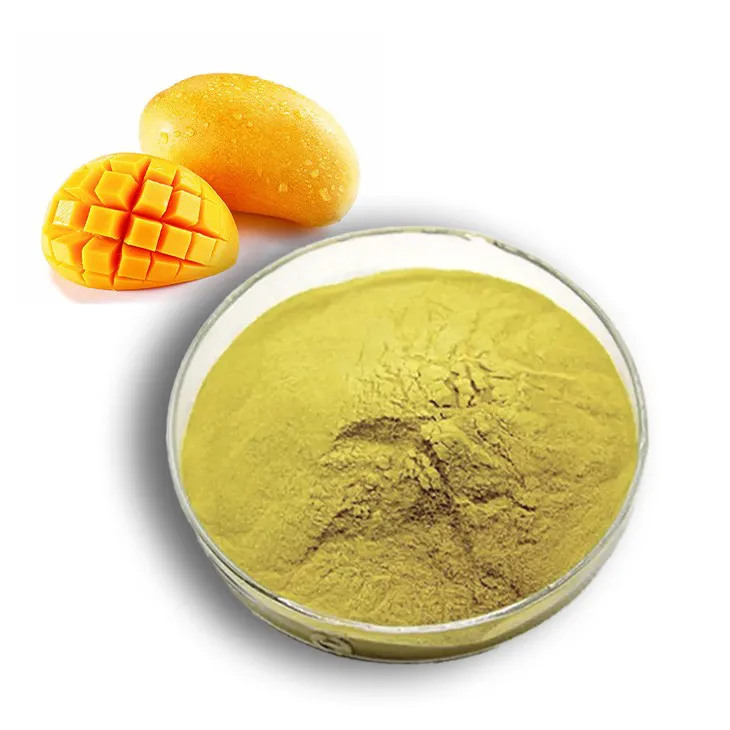
Mango flavored powder is a free-flowing food ingredient that brings the sweet, tropical taste of ripe mango into a lightweight, shelf-stable form. It is widely used in beverages, yogurts, ice cream, bakery fillings, instant drink mixes, and confectionery. For food manufacturers and buyers, understanding how this powder is actually produced is the key to judging quality, comparing suppliers, and avoiding costly product failures.
What Mango flavored powder really is
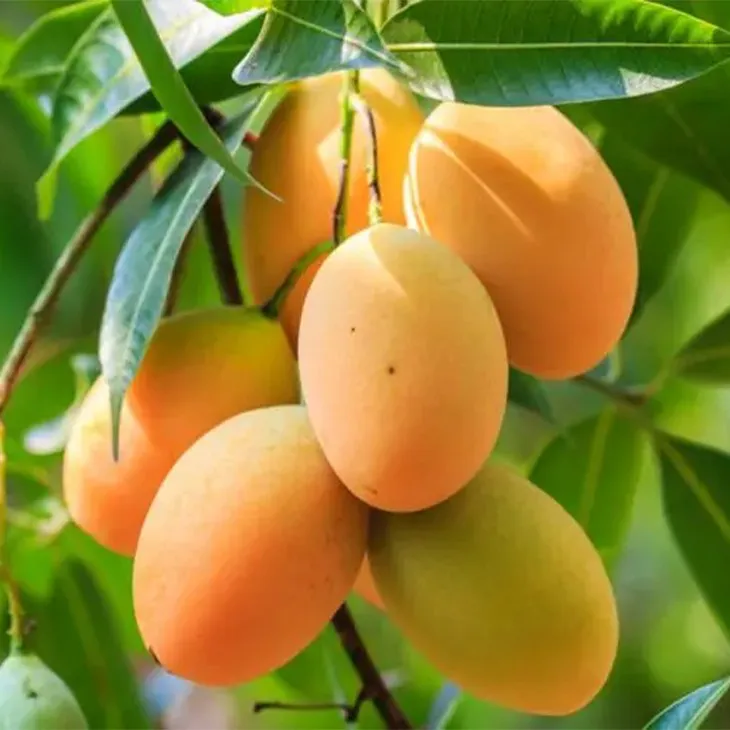
Mango flavored powder is a food ingredient made from fresh mangoes through processing and drying. The fruit is turned into a pulp, the moisture is removed, and the result is a concentrated powder that keeps much of the natural aroma, taste, and color of the original fruit. It is not the same thing as a synthetic flavoring: a genuine mango powder starts with real fruit, while the phrase "flavored" in trade descriptions often simply signals that the powder is used to add mango taste to other products.
Because the final powder is compact and light, it solves a real logistics problem. Fresh mangoes ripen quickly, bruise easily, and are expensive to ship long distances. A powder made from the same fruit can be stored for months, moved at a fraction of the cost, and added on demand whenever a production line needs it.
Choosing the right mangoes matters
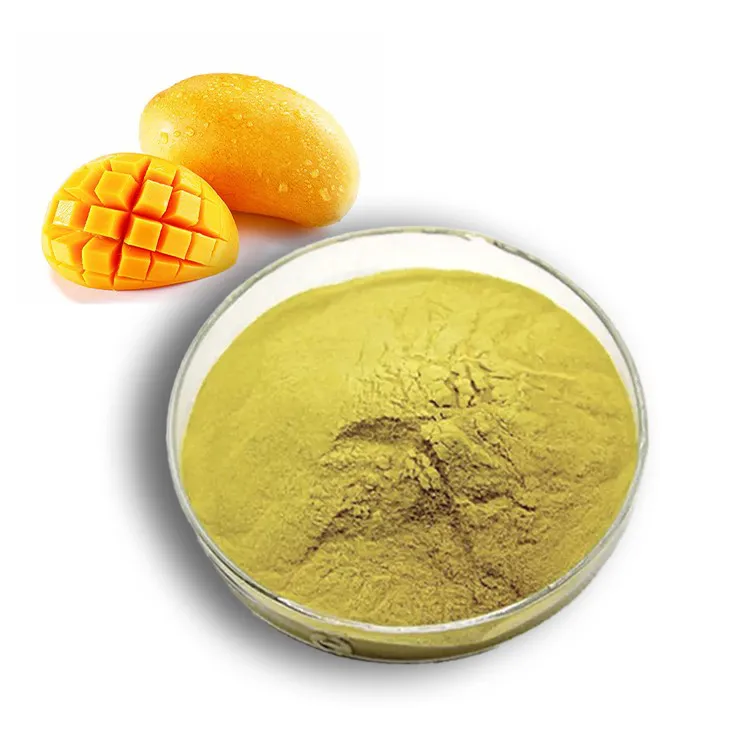
The quality of the finished powder is decided long before any drying happens. Ripe mangoes at the right stage of maturity are selected, because they have the highest natural sugar content and the most developed aroma. Fruit that is picked too early tastes flat, while overripe fruit picks up off-flavors and can introduce microbial risk. Reliable producers sort incoming fruit, reject damaged or unripe pieces, and work only with mangoes that meet food-grade standards.
The step-by-step production process
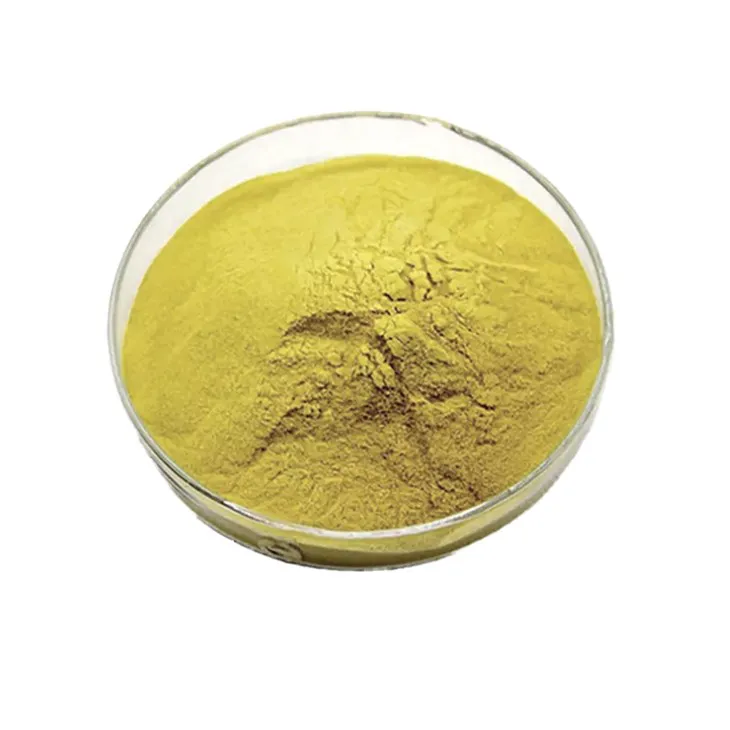
Although equipment varies between factories, the fundamental production route for mango flavored powder follows the same logical sequence. Understanding each stage helps you ask the right questions when you evaluate a supplier.
1. Washing and sorting. The mangoes are washed thoroughly to remove dust, soil, and residues, then sorted to remove defective or damaged fruit.
2. Peeling and destoning. The skin and the large central stone are removed so that only the clean flesh moves forward in the process.
3. Pulping. The flesh is crushed and blended into a smooth, uniform pulp. In industrial settings, the pulp is filtered to remove fibers and insoluble solids so the liquid is consistent for drying.
4. Concentration. The pulp is gently concentrated to reduce its water content. Manufacturers often use low-temperature concentrators specifically because heat can damage the delicate flavor and aroma compounds of the fruit.
5. Spray drying. The concentrated liquid is atomized into a fine mist and sprayed into a chamber with hot air. The water evaporates almost instantly, and fine powder particles are formed. A carrier such as maltodextrin is commonly added at this stage to improve flow, protect the flavor, and prevent the powder from sticking together.
6. Sieving and packaging. The dried powder is collected, sieved to a uniform particle size, and packed in sealed, moisture-proof packaging to keep it stable during storage and transport.
Why spray drying is so widely used
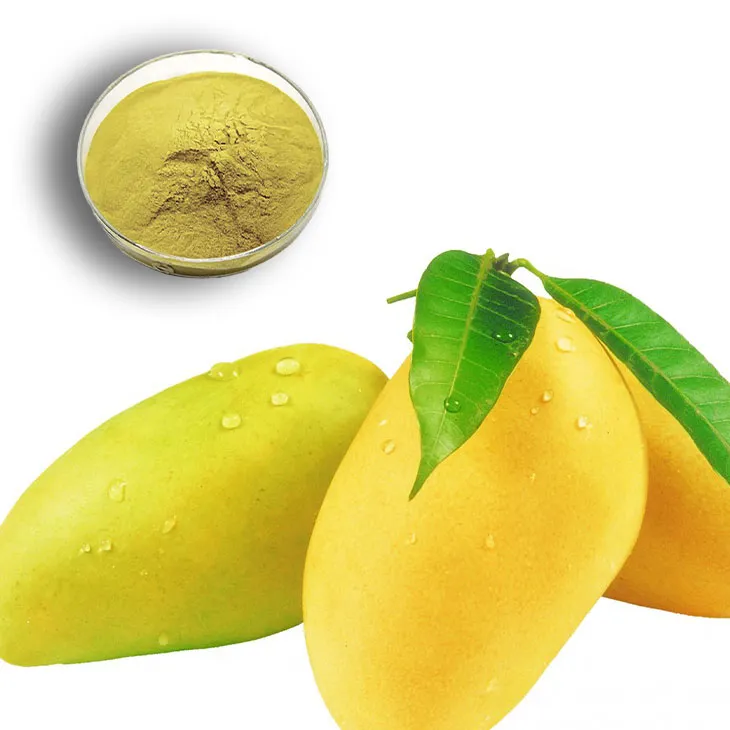
Spray drying is the most common technology for turning mango pulp into a powder because it is fast and gentle. The liquid is atomized into droplets, the droplets come into contact with hot air, the moisture evaporates, and the dry product is separated from the air at the end. Because the whole process happens in seconds, the fruit keeps more of its natural flavor, aroma, and color than slower drying methods. The result is a powder with a long shelf life that rehydrates easily when it is added to food and drinks.
Quality control and food safety
A mango powder is only as good as the hygiene and testing around it. Because fruit powders are added to food that people eat directly, the production environment must meet strict food-grade requirements. A clean production area, documented procedures, in-house laboratory testing, and recognized certifications all matter when you are choosing a manufacturer. Reputable suppliers test their products for moisture, microbial load, and consistency, and they can provide the documentation needed for regulatory submissions.
Where mango flavored powder is used
Mango flavored powder is a versatile ingredient across the food and beverage industry. It is used in instant drink mixes, smoothies, flavored teas, and fruit-flavored waters; in yogurts, ice cream, and dairy desserts; in bakery fillings, pastries, and confectionery; and in sauces, dressings, and snack seasonings. Its stability and ease of use make it a practical choice for manufacturers who want consistent mango flavor without wrangling fresh fruit.
Choosing a reliable manufacturer
When you buy mango flavored powder in bulk, the manufacturer behind the product determines its consistency, safety, and shelf life. Greensky Biological has been producing natural botanical and fruit ingredients since 2004, and it supplies fruit and vegetable extracts alongside a broad catalog of plant extracts. Its production is carried out in a food-grade clean area and backed by an independent laboratory, and the company holds certifications such as ISO22000, BRCGS, SGS-GMP, ISO9001, HALAL, and Kosher. Buyers in Europe, the United States, South Korea, and Russia have relied on these standards for years.
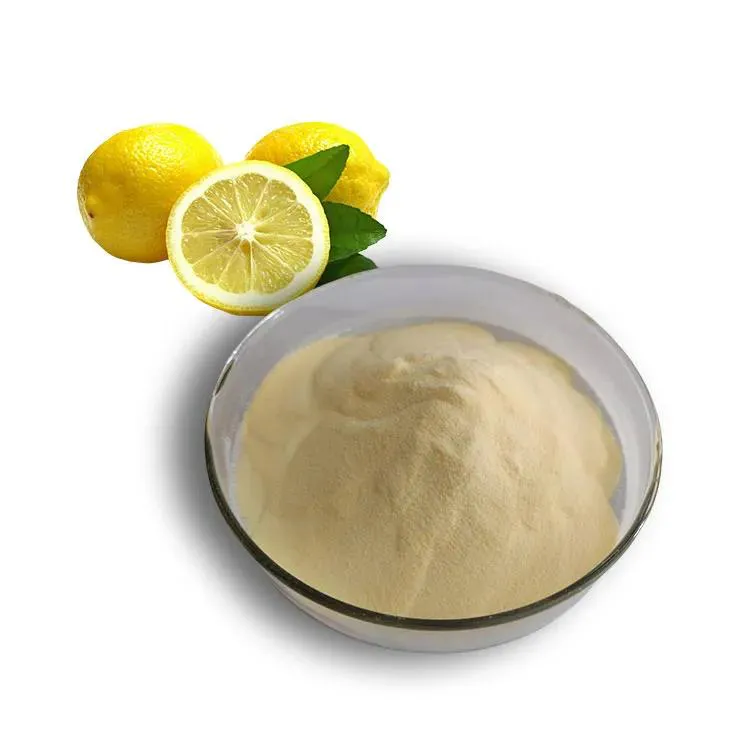
For food manufacturers looking beyond mango, the same processing expertise applies across the fruit juice powder range, including products such as lemon juice powder. Working with a supplier that controls the full process, from raw fruit selection to spray drying and testing, gives you a stable ingredient and the documentation you need to bring your product to market with confidence.
Final thoughts
Mango flavored powder is the result of a careful process that turns fresh fruit into a stable, convenient ingredient. From selecting ripe mangoes to washing, pulping, concentrating, spray drying, and sieving, every step affects the final taste and quality. By understanding how the powder is made, you can ask better questions, compare suppliers more fairly, and choose a manufacturing partner that delivers safe, consistent, high-quality fruit powder every time.
TAGS:
- ▶ Hesperidin
- ▶ Citrus Bioflavonoids
- ▶ Plant Extract
- ▶ lycopene
- ▶ Diosmin
- ▶ Grape seed extract
- ▶ Sea buckthorn Juice Powder
- ▶ Fruit Juice Powder
- ▶ Hops Extract
- ▶ Artichoke Extract
- ▶ Mushroom extract
- ▶ Astaxanthin
- ▶ Green Tea Extract
- ▶ Curcumin
- ▶ Horse Chestnut Extract
- ▶ Other Product
- ▶ Boswellia Serrata Extract
- ▶ Resveratrol
- ▶ Marigold Extract
- ▶ Grape Leaf Extract
- ▶ New Product
- ▶ Aminolevulinic acid
- ▶ Cranberry Extract
- ▶ Red Yeast Rice
- ▶ Red Wine Extract
- ▶ blog
-
Cactus Extract
2026-08-15
-
Black Rice Extract
2026-08-15
-
Boswellia Serrata Extract
2026-08-15
-
Soy Extract
2026-08-15
-
Agaricus Blazei Extract
2026-08-15
-
Polygonum multiflorum extract
2026-08-15
-
Natural grape seed extract
2026-08-15
-
Withania Somnifera Extract
2026-08-15
-
Wheat Germ Extract
2026-08-15
-
Maitake Mushroom Extract
2026-08-15
