We have five factories and 23 years of experience in plant extracts
- 0086-571-85302990
- [email protected]




How is green tea extract produced in a factory?
2026-08-14
Related Product
Green Tea Extract
Green Sky Bio is the largest plant extract manufacturer exporter and supplier, provide plant extract, annual production 2500 tons China
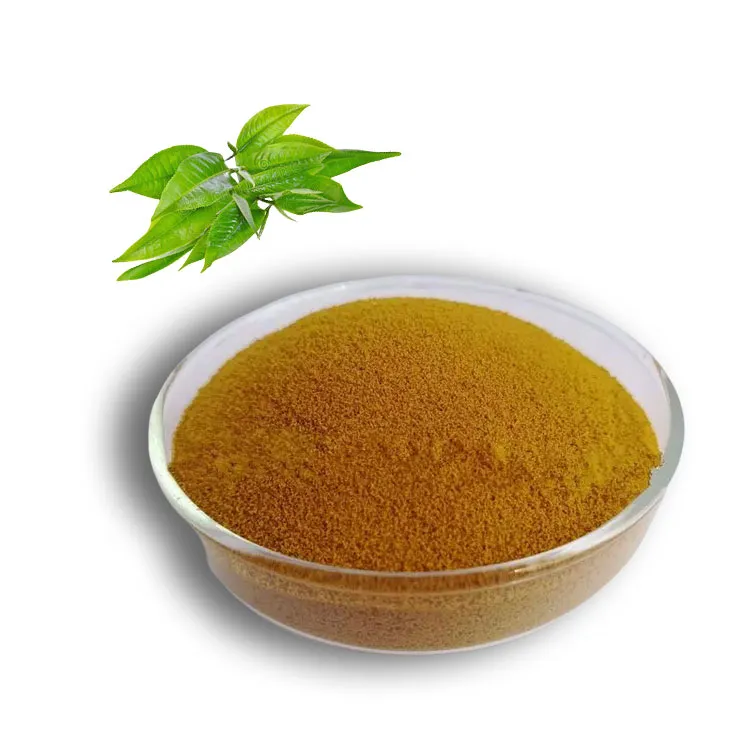
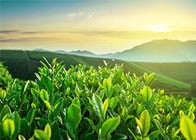
Green Tea Extract is one of the most widely used natural ingredients in dietary supplements, functional beverages, and cosmetics. Behind every standardized batch sits a carefully engineered factory process that turns raw tea leaves into a consistent, high-purity powder. For ingredient buyers and formulators, understanding how Green Tea Extract is produced in a factory makes it far easier to choose a reliable supplier and judge product quality. This guide walks through each production stage and explains what separates a well-run plant from an ordinary one.
Step 1: Leaf sourcing and preparation
Production begins long before the extraction tanks are switched on. Factories select green tea leaves by origin, grade, and intended use. Leaves destined for high-catechin extract are typically steamed or pan-fired within hours of picking, a step that deactivates the enzymes responsible for oxidation and preserves the catechins, especially epigallocatechin gallate (EGCG). Once received, the leaves are checked for moisture and lightly milled to increase the surface area that will contact the extraction solvent. Clean, traceable sourcing at this stage lays the groundwork for a consistent final product.
Step 2: Solvent extraction
The prepared leaves are loaded into extraction equipment together with a food-grade solvent. Hot water is the standard and cleanest method, while some producers use ethanol or supercritical CO₂ to target specific compounds. In a professional facility this step relies on large-scale extraction tanks. Greensky, for example, operates 6-ton multi-functional extraction tanks that allow precise control of temperature and time, so the polyphenols are drawn out efficiently without degrading the heat-sensitive catechins. The result is a polyphenol-rich extraction liquor.
Step 3: Separation and filtration
Once extraction is complete, the spent leaf material must be separated from the liquid. The extraction liquor passes through a separator column and filtration systems that remove insoluble plant residue, leaving a clean, polyphenol-loaded solution. Careful separation here prevents unwanted particles from carrying into later stages and protects the purity of the finished extract.
Step 4: Concentration under vacuum
The filtered solution is still mostly water, so it must be concentrated to reach the target solids level. Factories use vacuum evaporation, often with high-efficiency low-temperature concentrators, to remove water while keeping the temperature low. This matters because green tea catechins are sensitive to heat, and low-temperature concentration preserves their activity. The outcome is a concentrated extract with a defined polyphenol content.
Step 5: Standardization
Commercial Green Tea Extracts are sold at standardized polyphenol levels, commonly 50%, 70%, 90%, or 98%, with EGCG content reported separately. During standardization, the concentrate is adjusted to match a precise specification so every batch delivers the same active-compound profile. Higher standardized grades carry a price premium and suit concentrated supplement capsules, while lower grades fit beverages and functional foods where the extract is one ingredient among many.
Step 6: Drying into powder
The standardized concentrate is then dried into the powder that buyers receive. Spray drying is the standard method and produces a fine, free-flowing powder at scale, while freeze-drying (vacuum drying) is used for premium grades that need better aroma and catechin retention. A dependable factory uses both spray-drying towers and vacuum drying boxes so it can match the drying method to the customer's target specification.
Step 7: Quality control and certification
No production run is complete without rigorous testing. Batches are checked for active-compound content, heavy metals, pesticide residues, microbial load, and residual solvent. Reputable factories maintain in-house laboratories and third-party certifications. Greensky's independent lab is equipped with HPLC, GC, and UV instruments, and its production area meets 100,000-class clean standards under food-grade requirements. The company holds ISO9001, ISO22000, BRCGS, HALAL, and Kosher certifications, giving global buyers confidence in traceability and regulatory compliance.
Why factory quality matters to buyers
The difference between a good and a great green tea extract is engineered in the factory. Buyers should look beyond price and ask about the extraction method, standardization specification, solvent transparency, testing documentation, and certifications. When you work with an established green tea extract manufacturer, you gain access to documented certificates of analysis, consistent batch-to-batch standardization, and traceable sourcing from leaf to finished powder.
For supplement brands, beverage formulators, and food manufacturers, choosing reliable green tea extract suppliers is the first step toward a quality finished product. Understanding the production process, from leaf preparation and extraction to concentration, standardization, and drying, helps you ask the right questions and select a partner that can deliver the consistent, high-purity extract your formulation demands. Backed by vertical integration, modern equipment, and international certifications, Greensky is ready to support your next green tea extract project.
TAGS:
FAQ
- ▶ Hesperidin
- ▶ Citrus Bioflavonoids
- ▶ Plant Extract
- ▶ lycopene
- ▶ Diosmin
- ▶ Grape seed extract
- ▶ Sea buckthorn Juice Powder
- ▶ Fruit Juice Powder
- ▶ Hops Extract
- ▶ Artichoke Extract
- ▶ Mushroom extract
- ▶ Astaxanthin
- ▶ Green Tea Extract
- ▶ Curcumin
- ▶ Horse Chestnut Extract
- ▶ Other Product
- ▶ Boswellia Serrata Extract
- ▶ Resveratrol
- ▶ Marigold Extract
- ▶ Grape Leaf Extract
- ▶ New Product
- ▶ Aminolevulinic acid
- ▶ Cranberry Extract
- ▶ Red Yeast Rice
- ▶ Red Wine Extract
- ▶ blog
Recommended Products
-
Lemon Extract
2026-08-14
-
Baicalin
2026-08-14
-
Chaste Berry Extract
2026-08-14
-
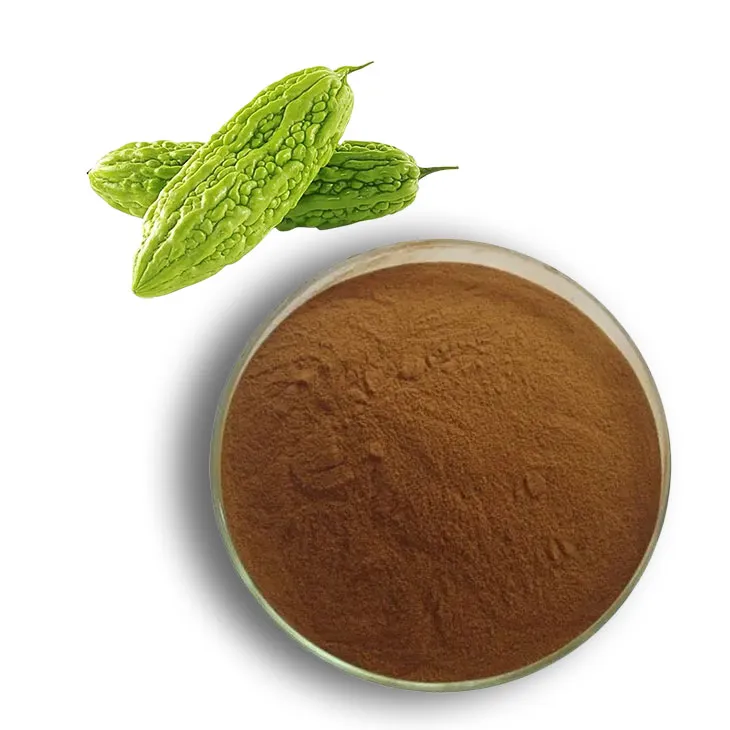
Bitter Melon Extract
2026-08-14
-
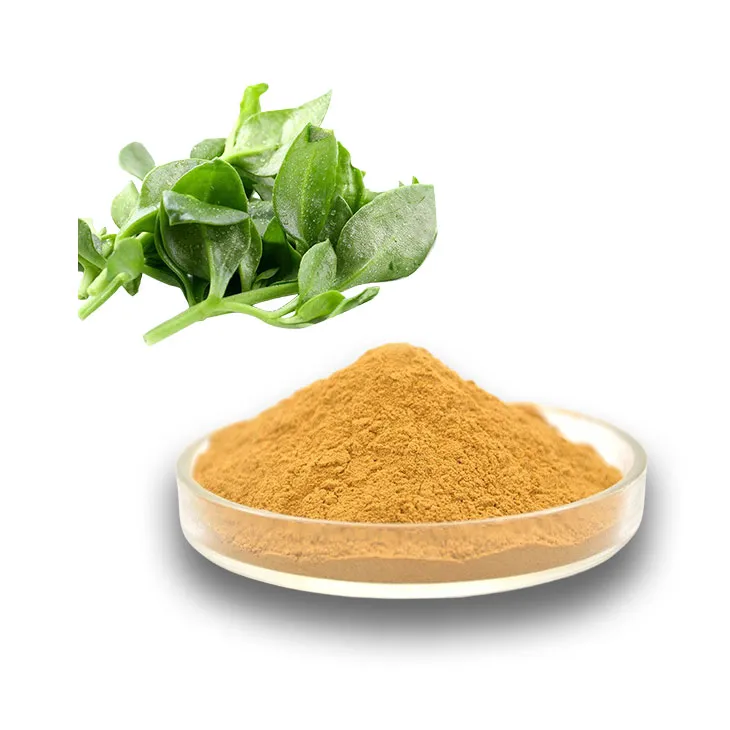
Andrographis Paniculata Extract Powder
2026-08-14
-
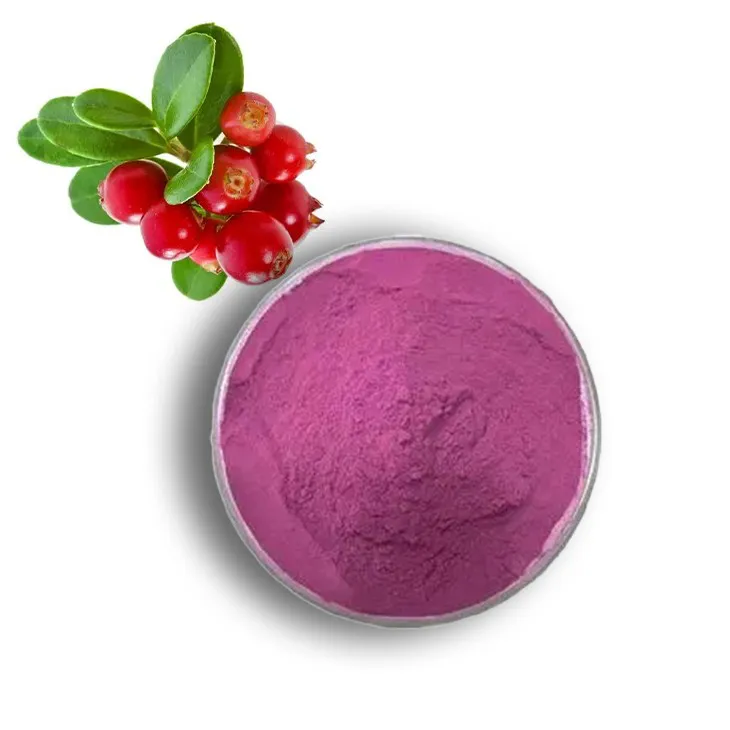
Europen Bilberry Extract
2026-08-14
-
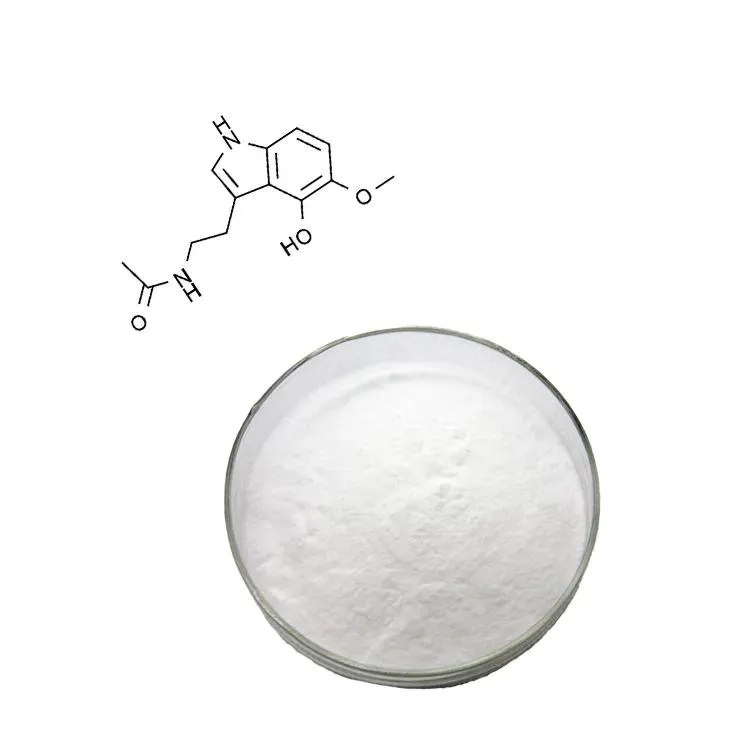
melatonin
2026-08-14
-
Reishi mushroom extract
2026-08-14
-
Fenugreek Extract Powder
2026-08-14
-
Troxerutin
2026-08-14
Get a Quote