- 0086-571-85302990
- [email protected]




How is centella asiatica extract standardized?
2026-08-13
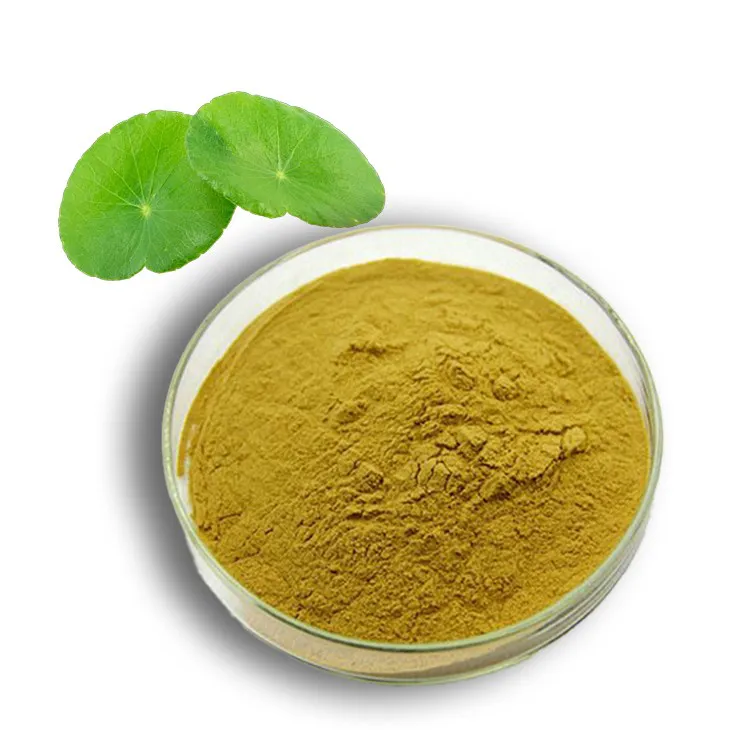
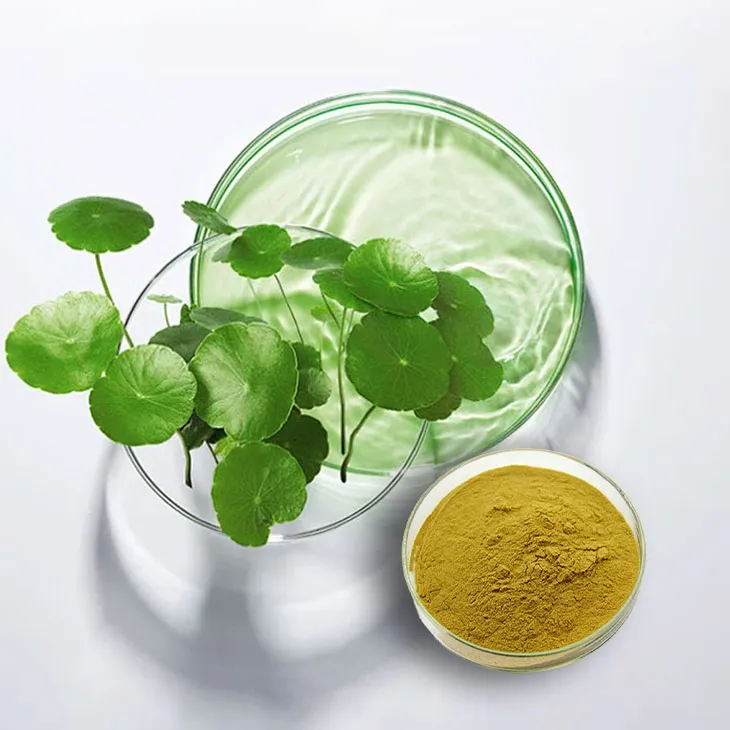
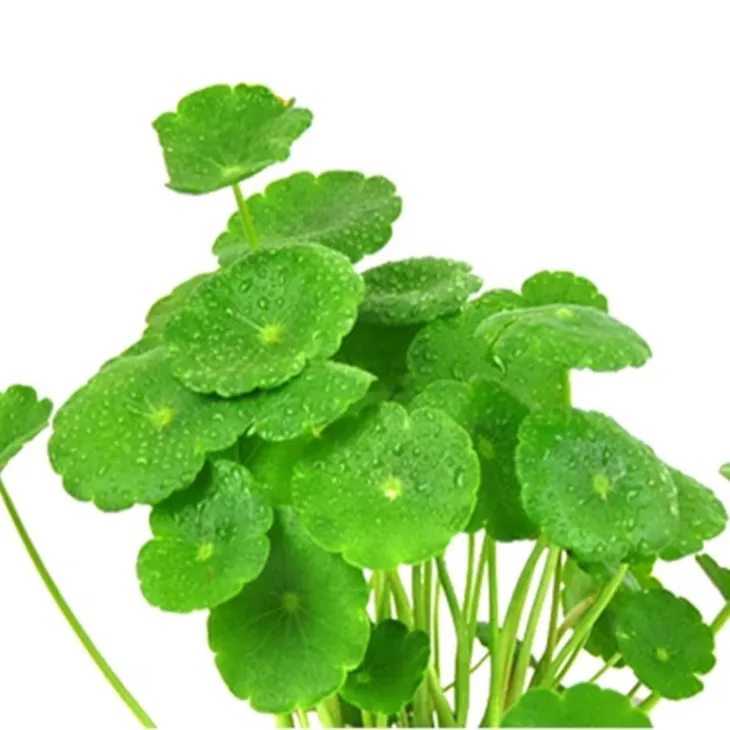
Centella asiatica, commonly known as gotu kola or Indian pennywort, has been used for centuries in traditional herbal medicine, particularly for wound healing, skin repair, and circulatory support. As demand for this botanical grows across the cosmetics, food, and pharmaceutical industries, one question regularly comes up among formulators and procurement teams: how is Centella Asiatica Extract standardized? The answer matters, because a consistent, well-characterized extract is what separates a reliable ingredient from an unpredictable one.
Standardization is the process of ensuring that every batch of an extract contains a defined, consistent level of its active marker compounds. For centella asiatica, those markers belong to a family of compounds known as triterpenoid saponins, divided into glycosides and their aglycones. The four compounds that formulators and quality teams watch most closely are madecassoside, asiaticoside, madecassic acid, and asiatic acid. A standardized extract is typically sold against a declared content of one or more of these markers, so buyers know exactly what they are receiving from batch to batch.
Why standardization matters for Centella Asiatica Extract
Raw centella asiatica is a hardy, widely grown herb, but its natural composition varies with the growing region, harvest season, plant age, and drying method. Left to natural variation alone, one batch of extract might carry a very different level of active compounds than the next. For a manufacturer formulating a cosmetic serum, a dietary supplement, or a pharmaceutical ingredient, that variation translates directly into inconsistent product performance. Standardization solves this by concentrating and fixing the content of the key markers, so each batch delivers a predictable, repeatable level of activity.
In practice, this is what underpins phrases like "madecassoside 1%", "asiaticoside 4%", or "total triterpenoids 10%", which you will see on product specifications from serious suppliers. The declared percentage is not a marketing claim; it is a measured, analytical value that a responsible manufacturer verifies before the material leaves the production facility.
The key marker compounds and what they indicate
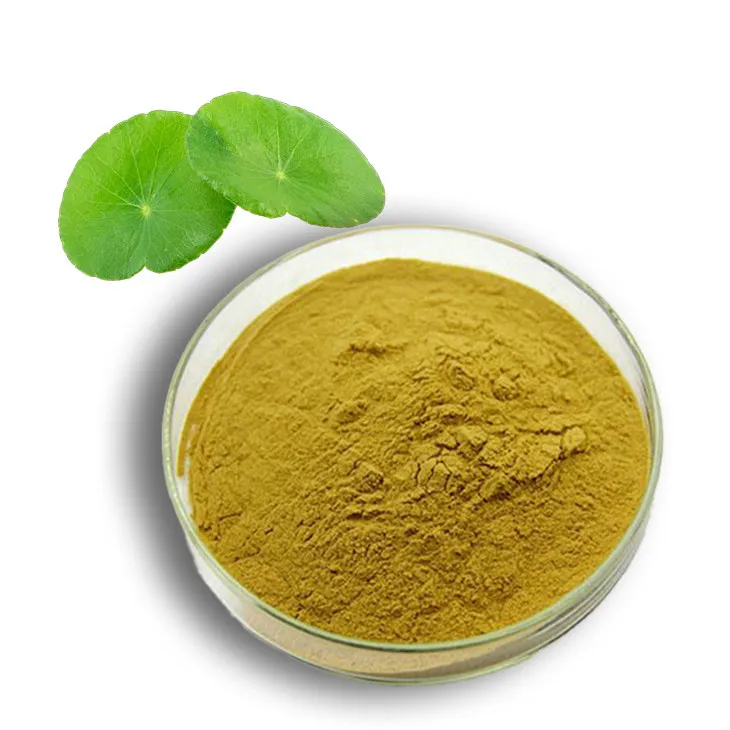
Understanding the markers makes it easier to read a specification sheet. Madecassoside and asiaticoside are the two main glycosides and are the most frequently used markers for Centella Asiatica Extract, because they are closely associated with the extract's collagen-stimulating and wound-healing properties. Madecassic acid and asiatic acid are the corresponding aglycones, often present in lower amounts but also relevant for formulators targeting specific applications. Different products call for different ratios; a skin-care grade may emphasize madecassoside, while a supplement or pharmaceutical grade might be defined by total triterpenoids.
Because the ratio of these compounds influences how the extract behaves in a formulation, a well-standardized product will state not only the total marker content but also the ratio between the main markers. This level of transparency gives formulators confidence that the ingredient will perform consistently in their finished product.
How standardization is achieved
Standardization is not a single step but a chain of controlled processes. It begins with raw material selection, where experienced manufacturers choose cultivated or wild-sourced material with a reliable level of marker compounds. The plant material is then extracted, typically with a food-grade solvent such as water or ethanol, under carefully controlled conditions of temperature, time, and solvent ratio. Modern extraction methods, including low-temperature concentration and spray-drying, help preserve the delicate active compounds that can be damaged by excessive heat.
After extraction, the concentrate may be refined and purified to raise or balance the marker content to the target specification. The final step is verification: the finished powder is analyzed, usually by high-performance liquid chromatography (HPLC), to confirm the content of each marker compound meets the declared specification. Only batches that pass this analytical check are released for sale.
Analytical methods used to verify standardization
HPLC is the most common and reliable technique for quantifying the individual markers in centella asiatica extract. It separates the different compounds in a sample and measures each one precisely, allowing the manufacturer to report madecassoside, asiaticoside, madecassic acid, and asiatic acid levels individually. Some laboratories also use gas chromatography (GC) or ultraviolet (UV) spectroscopy for supporting measurements, and many reputable suppliers run additional checks for heavy metals, pesticide residues, and microbial contamination to ensure the extract is safe and clean as well as consistent.
A strong quality control program will validate its analytical methods, run calibration standards, and document every result. When a specification states a marker level, the buyer should be able to request the corresponding certificate of analysis (COA) and see the actual measured value for that batch.
Common specifications and regulatory guidance
There is no single universal specification for centella asiatica extract, because different applications require different marker levels. However, a few reference points are widely used across the industry. Pharmacopoeia monographs and regulatory guidance, including those published by the World Health Organization and various national pharmacopoeias, set minimum content thresholds for the key triterpenoid markers, and the Thai Herbal Pharmacopoeia, for example, specifies minimum total triterpene content for different extract types. Commercial specifications commonly range from lower-potency extracts with a few percent of total triterpenoids to highly concentrated grades with substantially higher marker content. The right choice depends entirely on the intended use and the dosage form.
For this reason, buyers should look for a supplier that can clearly explain its specification, produce documentation for the marker levels, and offer grades tailored to different applications rather than a one-size-fits-all powder.
What to look for in a centella asiatica extract supplier
Standardization is only as trustworthy as the quality system behind it. When evaluating a supplier of centella asiatica extract, it is worth checking whether the manufacturer operates its own in-house laboratory equipped with HPLC, UV, and GC instruments, and whether its production facilities meet food-grade cleanroom standards. Robust certifications such as ISO22000, BRCGS, and organic standards add another layer of assurance, as does a vertically integrated operation that controls the process from raw material to finished powder.
A manufacturer that has been producing botanical extracts for many years and can provide batch-level documentation, export registration, and a clear certificate of analysis offers the reliability that formulators and purchasing teams need. Because consistency drives product performance, the effort a supplier invests in standardization is directly reflected in the quality of the finished goods it supports.
At Hangzhou Greensky Biological Tech. Co., Ltd., a manufacturer of natural plant extracts founded in 2004, centella asiatica is one of the many botanical ingredients produced under a strict quality control framework. The company operates an independent laboratory equipped with HPLC, GC, and UV instruments, works within a 100,000-class clean production area, and holds certifications including ISO22000, BRCGS, and Ecocert Organic Standard. If you are sourcing a dependable, standardized centella asiatica extract for cosmetics, food, or pharmaceutical applications, the Greensky team can discuss the specification, analytical documentation, and grades that fit your requirements.
- ▶ Hesperidin
- ▶ Citrus Bioflavonoids
- ▶ Plant Extract
- ▶ lycopene
- ▶ Diosmin
- ▶ Grape seed extract
- ▶ Sea buckthorn Juice Powder
- ▶ Fruit Juice Powder
- ▶ Hops Extract
- ▶ Artichoke Extract
- ▶ Mushroom extract
- ▶ Astaxanthin
- ▶ Green Tea Extract
- ▶ Curcumin
- ▶ Horse Chestnut Extract
- ▶ Other Product
- ▶ Boswellia Serrata Extract
- ▶ Resveratrol
- ▶ Marigold Extract
- ▶ Grape Leaf Extract
- ▶ New Product
- ▶ Aminolevulinic acid
- ▶ Cranberry Extract
- ▶ Red Yeast Rice
- ▶ Red Wine Extract
- ▶ blog
-
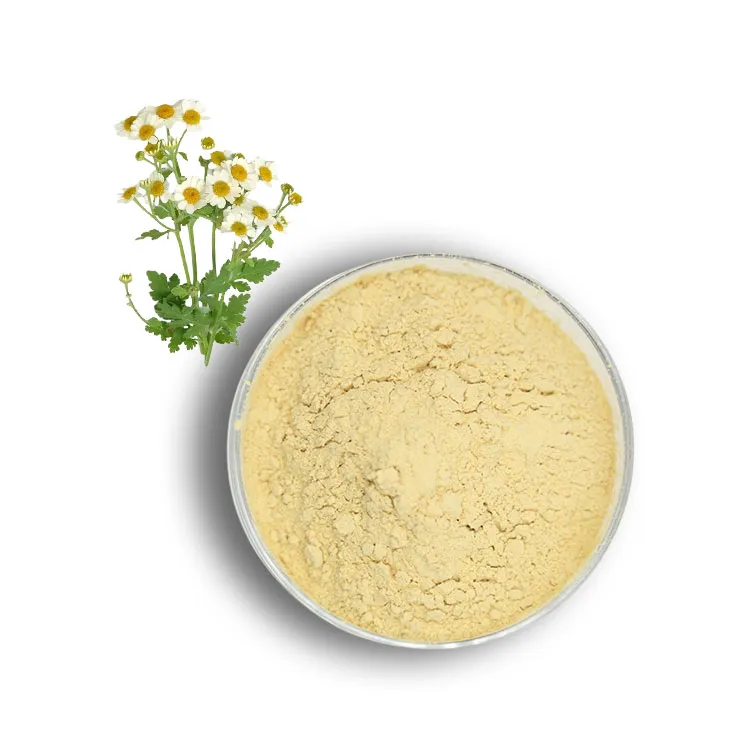
Feverfew Extract
2026-08-13
-
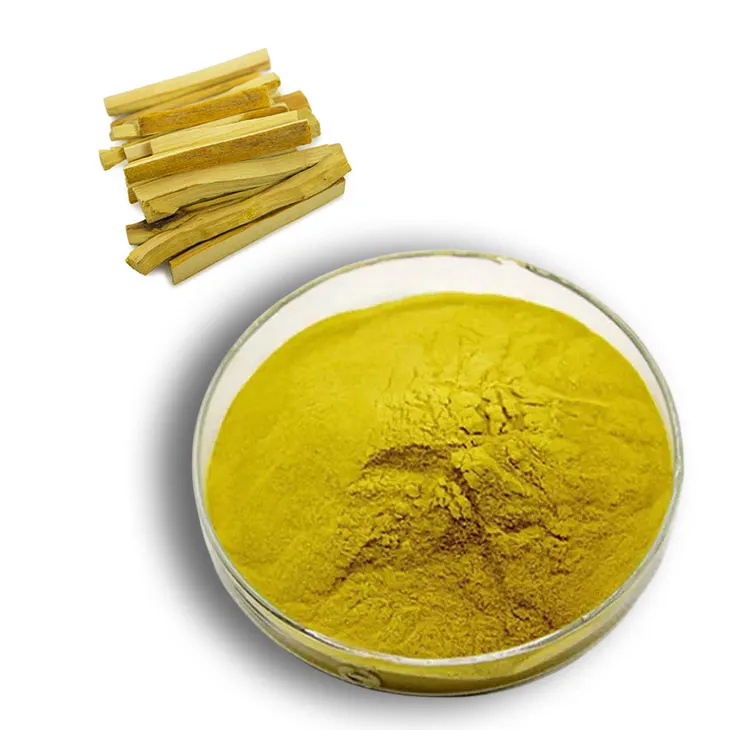
Berberis aristata Extract
2026-08-13
-
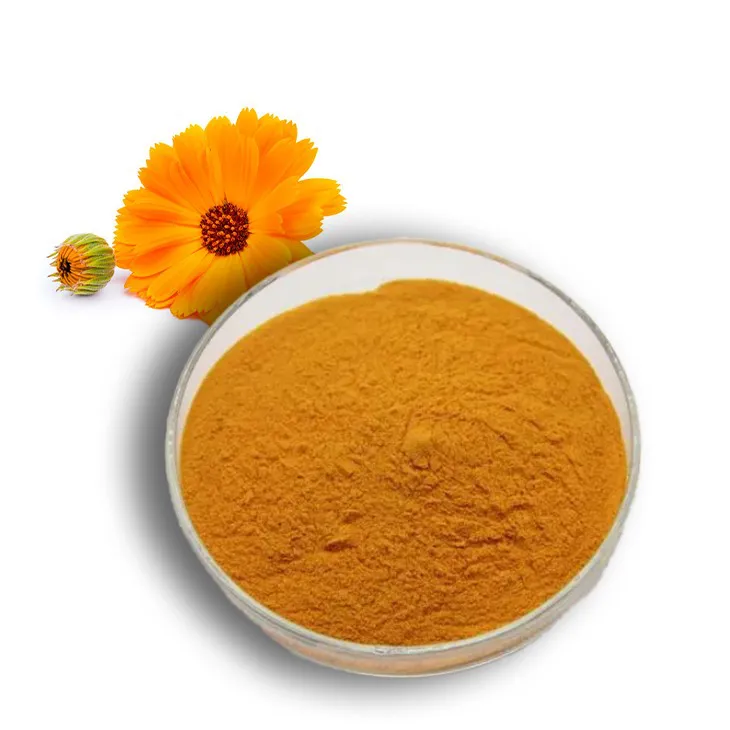
Calendula Extract
2026-08-13
-
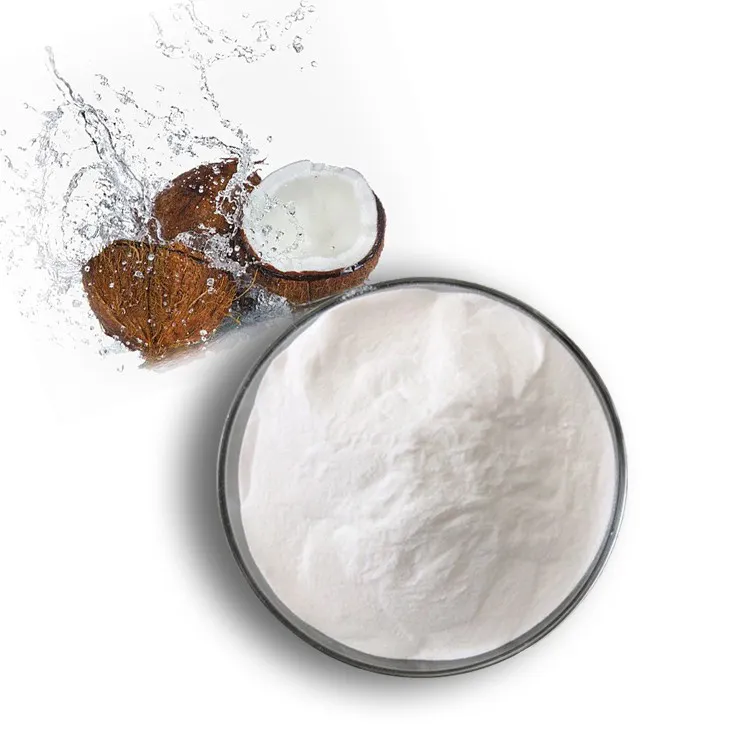
Coconut Water Powder
2026-08-13
-
Black Rice Extract
2026-08-13
-
Cranberry Extract
2026-08-13
-
Citrus Aurantium Extract
2026-08-13
-
Cactus Extract
2026-08-13
-
Angelica sinensis extract
2026-08-13
-
Clove Powder
2026-08-13