- 0086-571-85302990
- [email protected]






How is artichoke leaf extract powder used in supplements?
2026-08-18
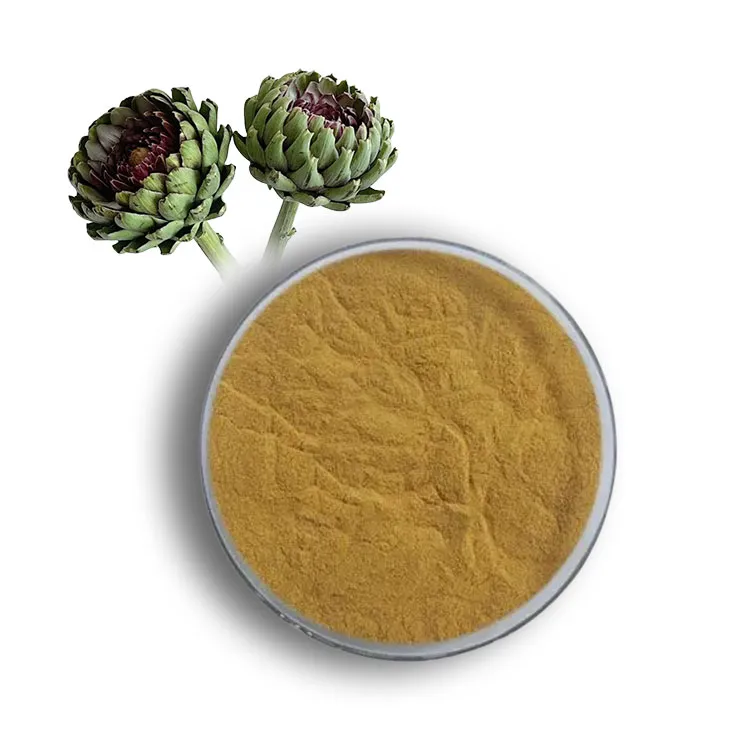
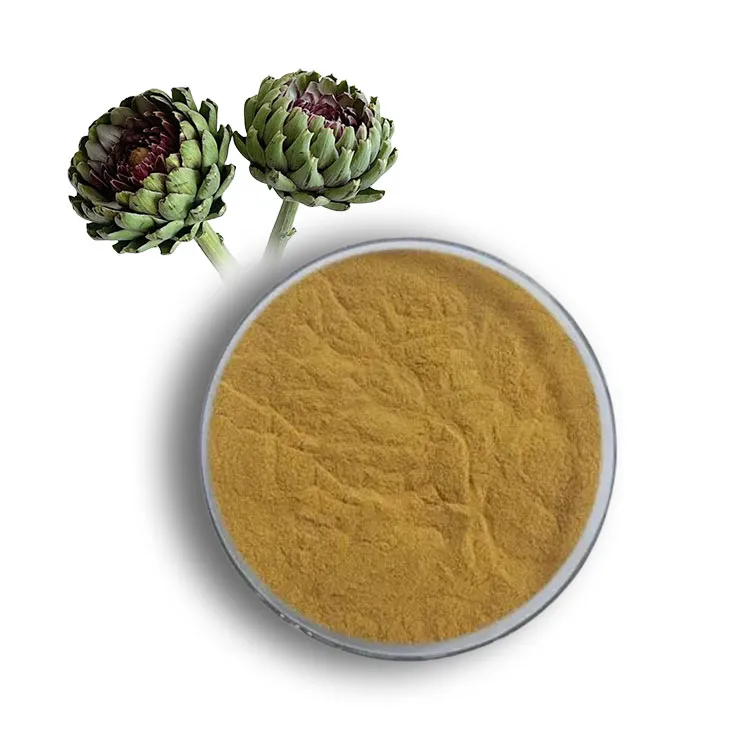
Artichoke leaf extract powder is one of the most versatile botanical ingredients in the supplement industry. Made from the leaves of the globe artichoke (Cynara scolymus), it shows up in digestive aids, liver support formulas, cholesterol management products, and antioxidant blends sold around the world. But how exactly is it used? In this article, we walk through the ways supplement manufacturers and formulators put artichoke leaf extract powder to work, the formats it appears in, and what to look for when sourcing it.
What is artichoke leaf extract powder?
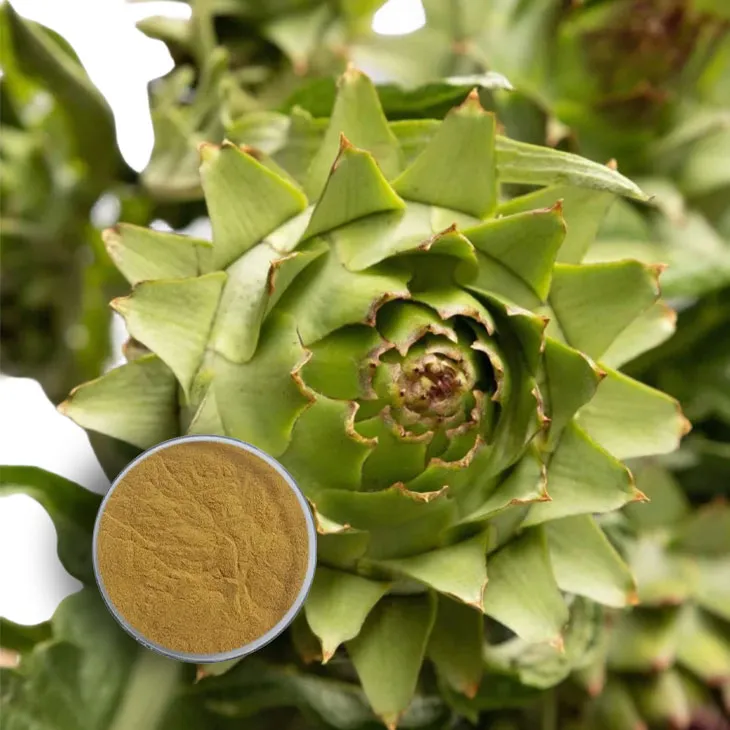
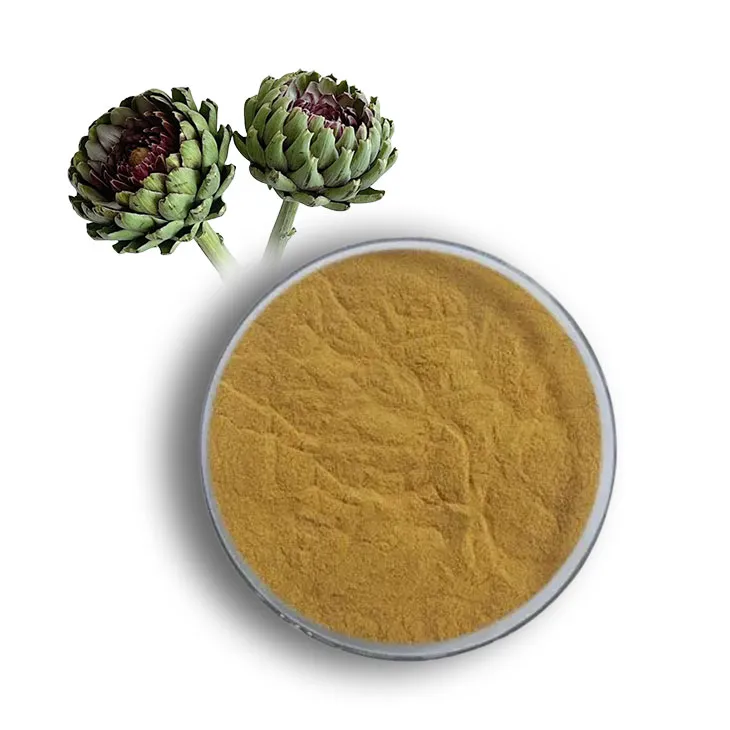
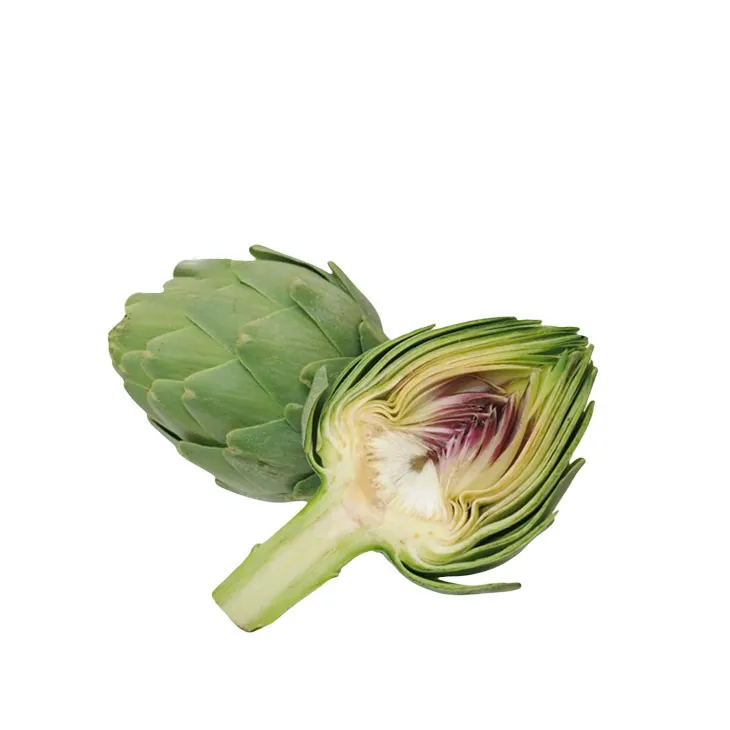
Artichoke leaf extract powder is produced by drying and extracting the leaves of the globe artichoke, then concentrating the liquid extract and spray-drying it into a fine, free-flowing powder. The leaves are the richest source of the plant's active compounds, including cynarin, chlorogenic acid, caffeic acid, and the flavonoids luteolin and apigenin. Together these are known as caffeoylquinic acids, and they are what give the extract its characteristic bitter taste and its reputation for supporting bile flow, digestion, and liver health.
Because the concentration of active compounds varies naturally from plant to plant and season to season, commercial artichoke leaf extract is usually standardized — adjusted to a guaranteed percentage of marker compounds, such as 13–18% caffeoylquinic acids. Standardization matters because it lets formulators dose the ingredient predictably and make consistent label claims batch after batch.
What are the main applications in supplements?
Artichoke leaf extract powder is used across several supplement categories, and the intended use largely determines how it is formulated and dosed:
- Digestive support and bile flow. The most traditional use. Artichoke leaf extract stimulates the production and flow of bile from the liver, which helps the body digest fats and can relieve feelings of fullness, bloating, and mild indigestion after meals. In this application it is commonly dosed at around 300–600 mg per day of standardized extract.
- Liver health. Because of its antioxidant activity and its effect on bile, artichoke leaf extract is a frequent ingredient in liver support and detox formulas, often paired with milk thistle, dandelion root, or turmeric.
- Cholesterol management. Several clinical trials have studied artichoke leaf extract for supporting healthy cholesterol levels already within the normal range. In these studies, higher doses of roughly 600–1,800 mg per day in divided doses have been used over periods of several weeks.
- Antioxidant support. The phenolic compounds in artichoke leaves, especially luteolin and chlorogenic acid, are strong antioxidants, which makes the extract a useful addition to general wellness and anti-aging formulas.
Which supplement formats use artichoke leaf extract powder?
Artichoke leaf extract powder is flexible enough to fit nearly every common supplement format:
- Capsules and tablets. The most common format. The powder is blended with excipients and filled into capsules or compressed into tablets, usually at 300–600 mg per serving.
- Softgels. For oil-based or combination formulas, the extract can be suspended in a carrier oil and filled into softgels.
- Powder blends and sachets. Mixed with other botanical powders, vitamins, or flavoring, Artichoke Extract powder can be sold as a drink mix or single-serving sachet.
- Liquid drops and tinctures. The extract can be dissolved or suspended in liquid for flexible dosing, which suits people who have trouble swallowing capsules.
- Functional foods and beverages. In lower doses, Artichoke Extract is added to teas, tonics, and functional drinks positioned for digestion or detox support.
The form chosen depends on the target consumer and the claim. Capsules and tablets dominate the supplement market, while powders and beverages appeal to consumers who prefer not to swallow pills.
How is artichoke leaf extract powder formulated and combined?
Formulators rarely use artichoke leaf extract powder on its own. It is most often combined with complementary botanicals to create a more complete formula:
- With milk thistle or dandelion root in liver support formulas
- With turmeric, ginger, or peppermint in digestive wellness blends
- With red yeast rice or other botanicals in cholesterol support products
- With Green Tea Extract or other antioxidants in general wellness formulas
When combining ingredients, the formulator must consider the total dose per serving, the particle size and flow properties of the powder (which affect tableting), and the taste. Artichoke Extract is bitter, so it is usually encapsulated or coated rather than used in a way that exposes the consumer to the raw flavor.
What should supplement brands look for when sourcing artichoke extract powder?
For brands and formulators, the quality of the artichoke extract powder determines whether the finished product can make its claims. Here are the key points to check with a supplier:
- Standardization. Confirm the marker compound and its percentage (for example, caffeoylquinic acids or cynarin), and ask for the analytical method, typically HPLC.
- Batch-to-batch consistency. Request a certificate of analysis for each batch and check that the active content stays within tolerance.
- Certifications. Depending on your target market, look for ISO 22000, BRCGS, HALAL, Kosher, or organic certification.
- Manufacturing capability. A supplier that controls extraction, concentration, and spray drying in-house can hold a specification far more reliably than a reseller.
- Documentation. Export registration and complete technical dossiers make regulatory submissions in the EU, US, and other markets much easier.
Greensky, a plant extract manufacturer founded in 2004 and based in Hangzhou, China, produces and supplies artichoke leaf extract as part of a catalog of more than 150 botanical extracts. With 100,000-class clean production areas, an independent laboratory equipped with GC, HPLC, and UV, and certifications including ISO22000, BRCGS, HALAL, and Kosher, Greensky provides standardized Artichoke Leaf Extract and Artichoke Extract to supplement brands worldwide. As an artichoke extract supplier, the company can provide samples, specifications, and export documentation on request.
Safety and considerations
Artichoke leaf extract is generally well tolerated, but a few points matter for both consumers and formulators:
- People allergic to plants in the daisy family (Asteraceae) may react to artichoke.
- Because it stimulates bile flow, it should be avoided or used with caution by people with a blocked bile duct or gallstones.
- Pregnant or breastfeeding women should consult a healthcare professional before use.
- Mild side effects such as flatulence or loose stools have been reported, especially at higher doses.
- As with any botanical, the finished product should be tested for purity and contaminants, and the label should carry appropriate cautions.
The bottom line
Artichoke leaf extract powder earns its place in supplements through a combination of traditional use and modern research. It supports digestion and bile flow at moderate doses, appears in liver and cholesterol formulas at higher doses, and contributes antioxidant value across a wide range of products. For consumers, the key is choosing a standardized product from a reputable manufacturer. For brands, the key is sourcing from a supplier that can hold the specification batch after batch — which is exactly what a dedicated plant extract manufacturer like Greensky is set up to do.
- ▶ Hesperidin
- ▶ Citrus Bioflavonoids
- ▶ Plant Extract
- ▶ lycopene
- ▶ Diosmin
- ▶ Grape seed extract
- ▶ Sea buckthorn Juice Powder
- ▶ Fruit Juice Powder
- ▶ Hops Extract
- ▶ Artichoke Extract
- ▶ Mushroom extract
- ▶ Astaxanthin
- ▶ Green Tea Extract
- ▶ Curcumin
- ▶ Horse Chestnut Extract
- ▶ Other Product
- ▶ Boswellia Serrata Extract
- ▶ Resveratrol
- ▶ Marigold Extract
- ▶ Grape Leaf Extract
- ▶ New Product
- ▶ Aminolevulinic acid
- ▶ Cranberry Extract
- ▶ Red Yeast Rice
- ▶ Red Wine Extract
- ▶ blog
-
Yellow Pine Extract
2026-08-18
-
White Willow Bark Extract
2026-08-18
-
Dan Shen Root Extract/Salvia Root Extract
2026-08-18
-
Green Tea Extract
2026-08-18
-
Curcumin
2026-08-18
-
Passionflower Extract
2026-08-18
-
Nettle leaf extract
2026-08-18
-
Resveratrol
2026-08-18
-
Bitter Melon Extract
2026-08-18
-
Europen Bilberry Extract
2026-08-18
