- 0086-571-85302990
- [email protected]





How is an organic coconut water powder exporter different from a manufacturer?
2026-08-15
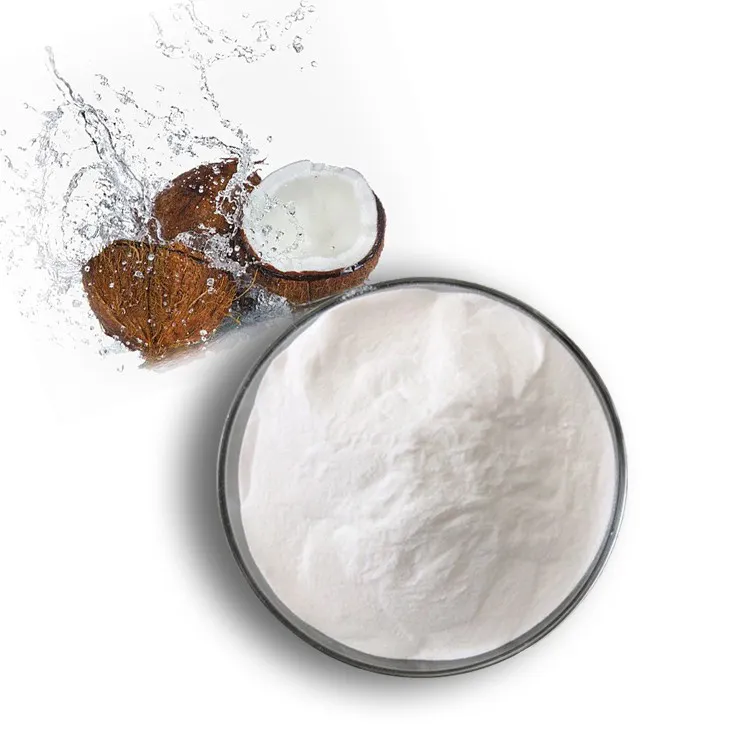
When sourcing organic coconut water powder for a beverage, supplement, or food brand, buyers often see the words "manufacturer" and "exporter" used almost interchangeably. In reality, the two roles sit at very different points in the supply chain, and the distinction has a direct impact on price, quality control, documentation, and how quickly problems get solved. This article explains what each term really means, where the two overlap, and how to tell which kind of partner you are actually dealing with.
What an organic Coconut Water Powder manufacturer actually does
A manufacturer is the company that physically turns fresh coconut water into powder. That means owning or controlling the production line, from receiving raw coconuts to running the extraction, concentration, and drying steps that preserve the natural electrolytes, minerals, and flavor of the fruit. The core responsibilities of a true manufacturer include:
- Raw material sourcing and handling. A manufacturer manages the supply of fresh coconuts, which is the single biggest variable in product quality. Consistent sourcing means consistent taste, color, and nutrient content from batch to batch.
- Production technology. Turning liquid coconut water into a stable powder requires spray drying or freeze drying, low-temperature concentration, and careful moisture control. The equipment a factory owns determines whether the powder dissolves cleanly, keeps its natural aroma, and meets the purity levels your formula needs.
- In-house quality control. A real manufacturer tests every batch. In a well-equipped plant, this means running HPLC, GC, and UV analysis in an independent laboratory, checking for microbial contamination, heavy metals, and residual solvents before anything is released for shipment.
- Certification and compliance. Because organic Coconut Water Powder is a food ingredient, the factory itself must hold food-safety and organic certifications. These are granted to the production site, not to a trading desk, which is why certification is one of the fastest ways to verify whether a company actually manufactures.
What an exporter does
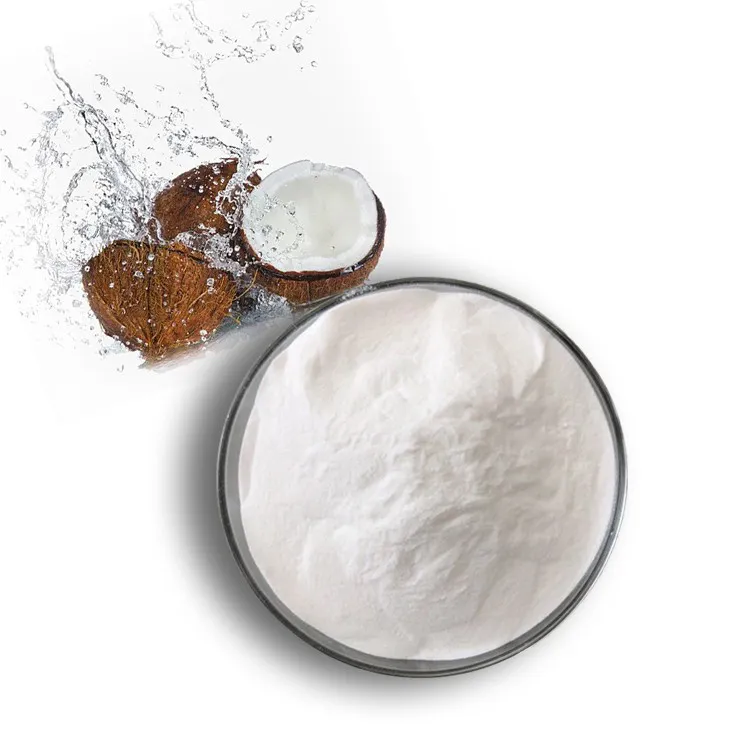
An exporter is the company that moves the product across borders. Its job begins where manufacturing ends: arranging international logistics, preparing export documentation, and making sure the goods clear customs and arrive in the buyer's country in good condition. A competent exporter handles:
- Documentation and customs clearance. Commercial invoices, packing lists, certificates of origin, phytosanitary certificates, and organic certificates all need to be prepared correctly and match the shipment exactly.
- Regulatory alignment. Different countries have different labeling, ingredient, and claim requirements. An exporter with experience in your target market can flag these issues before they become customs problems.
- Logistics and warehousing. This covers shipping arrangements, cold-chain or humidity-controlled storage where needed, and coordination with freight forwarders and agents.
- Market communication. Exporters often act as the buyer's main point of contact, translating between the factory floor and the customer, and managing samples, pricing, and order follow-up.
The key differences at a glance
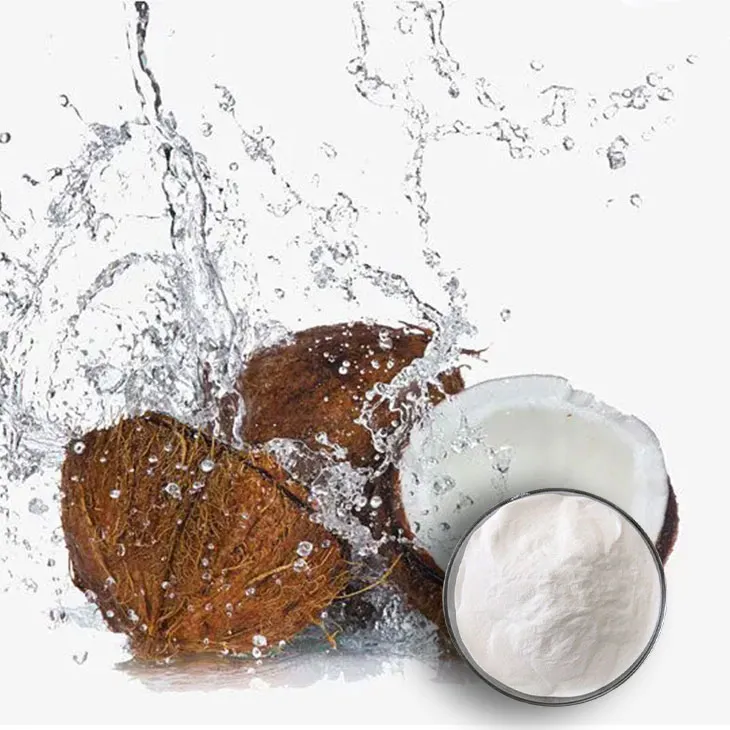
The most important difference is control. A manufacturer controls the product itself: the raw material, the process, the quality, and the cost structure. An exporter controls the trade: the paperwork, the logistics, and the route to market. A manufacturer can usually also export, but an exporter does not necessarily manufacture anything. In practice, this shows up in a few concrete ways:
- Quality control. A manufacturer tests and owns the quality of every batch. A pure exporter can only pass on the quality it receives from whichever factory it bought from.
- Traceability. When you buy from a manufacturer, you can trace a batch back to the exact production run, the raw material lot, and the lab results. With an exporter, that traceability depends on how closely it works with its upstream factory.
- Customization. A manufacturer can adjust particle size, solubility, packaging, and specifications to match your formula. An exporter typically sells what it has in stock.
- Price structure. A manufacturer prices from its own production cost, so there is no middleman margin. An exporter adds its own margin on top of the factory price, which is why the same product can differ noticeably in price between the two.
- Responsiveness. When a problem arises, a manufacturer can investigate and fix it at the source. An exporter must relay the issue to a third-party factory, which slows everything down.
Why the distinction matters for your business
For a brand that plans to launch a Coconut Water Powder product and scale it, the difference is not academic. If you need tight specifications, consistent quality across large volumes, and the ability to adjust the product as your formula evolves, a manufacturer is the stronger partner. If you are making a one-off purchase and simply need the product delivered reliably to your port, a capable exporter may be enough.
There is also a middle path that combines the best of both. A vertically integrated company manufactures the powder in its own certified factory and runs its own export team, so you get factory-direct pricing, full quality control, and complete export documentation from a single partner. This is the model that serious buyers in the food and supplement industry increasingly look for, because it removes the risk of a broken link between production and delivery.
How to verify you are dealing with a manufacturer
Before committing to a supplier, a few checks will tell you quickly whether you are talking to a genuine manufacturer or a trading intermediary:
- Ask for the factory address and visit or audit it. A manufacturer will welcome a factory audit. A trading company will be vague about the production site.
- Check the certifications. Look for food-safety and organic certifications issued to the production facility itself, such as ISO22000, BRCGS, Ecocert Organic, SGS-GMP, HALAL, and Kosher.
- Request batch test reports. A manufacturer can provide a COA (Certificate of Analysis) for every batch, with lab results from its own testing.
- Ask about production capacity and equipment. Real manufacturers can describe their extraction tanks, drying towers, and clean production areas in detail.
- Test customization. Ask whether particle size, packaging, or specifications can be adjusted. Manufacturers say yes; pure traders usually cannot.
Choosing a partner that does both well
For buyers of coconut water powder, the ideal partner is one that manufactures and exports under one roof. Greensky, a Hangzhou-based plant extract manufacturer founded in 2004, operates this way. It runs its own production subsidiaries, including a dedicated plant extract factory and a functional food ingredient facility, and manages exports directly to markets across Europe, the United States, South Korea, and Russia. Its 100,000-class clean production area, independent laboratory equipped with HPLC, GC, and UV instruments, and certifications including ISO22000, BRCGS, Ecocert Organic, SGS-GMP, ISO9001, HALAL, and Kosher, mean buyers get factory-direct quality with complete export documentation from a single point of contact.
If you are evaluating suppliers, the practical takeaway is simple: decide first whether you need a manufacturer, an exporter, or a partner that is both, then verify the company's claims with the checks above. The right choice will save you from quality surprises, documentation delays, and hidden costs further down the line. For more on the full range of botanical ingredients available from a certified plant extract supplier, you can browse the Greensky product catalog and contact the team directly with your specifications.
- ▶ Hesperidin
- ▶ Citrus Bioflavonoids
- ▶ Plant Extract
- ▶ lycopene
- ▶ Diosmin
- ▶ Grape seed extract
- ▶ Sea buckthorn Juice Powder
- ▶ Fruit Juice Powder
- ▶ Hops Extract
- ▶ Artichoke Extract
- ▶ Mushroom extract
- ▶ Astaxanthin
- ▶ Green Tea Extract
- ▶ Curcumin
- ▶ Horse Chestnut Extract
- ▶ Other Product
- ▶ Boswellia Serrata Extract
- ▶ Resveratrol
- ▶ Marigold Extract
- ▶ Grape Leaf Extract
- ▶ New Product
- ▶ Aminolevulinic acid
- ▶ Cranberry Extract
- ▶ Red Yeast Rice
- ▶ Red Wine Extract
- ▶ blog
-
Lemon Juice Powder
2026-08-15
-
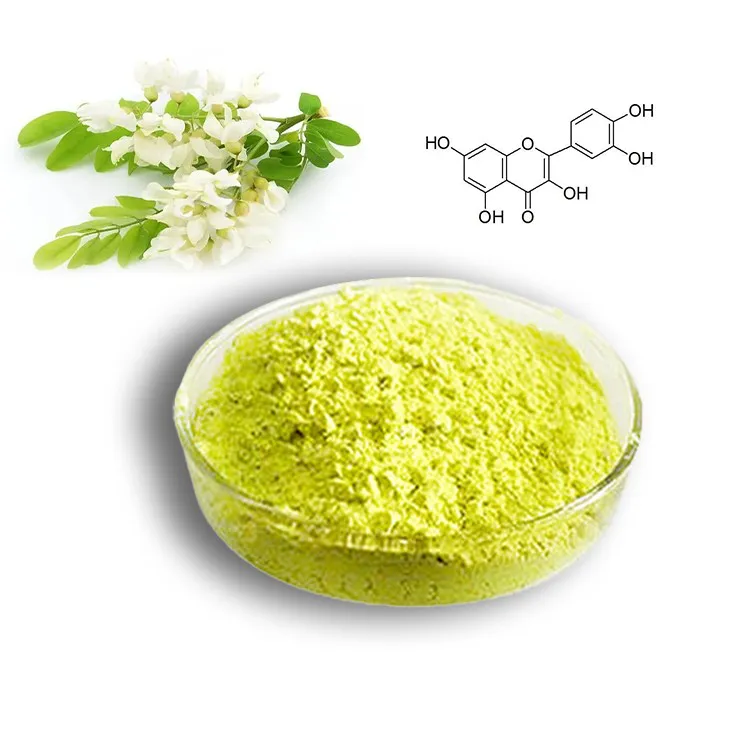
Quercetin
2026-08-15
-
Bamboo Leaf extract
2026-08-15
-
Panax Ginseng Leaf Extract
2026-08-15
-
Lemon Balm Extract
2026-08-15
-
Rose Hip Extract
2026-08-15
-
Purple Sweet Potato Extract
2026-08-15
-
Garcinia Cambogia Extract
2026-08-15
-
Kupilu Extract
2026-08-15
-
Berberis aristata Extract
2026-08-15