We have five factories and 23 years of experience in plant extracts
- 0086-571-85302990
- [email protected]





How does plant extract factory wholesale differ from distributor pricing?
2026-08-19
When you start sourcing botanical ingredients for a supplement, beverage, or skincare line, one of the first surprises is that the same extract can carry very different price tags depending on who you buy it from. A plant extract factory selling wholesale and a distributor reselling the same material rarely quote the same number for the same product. That gap is not random. It reflects two completely different cost structures, and understanding what you are actually paying for in each case can save your business thousands of dollars over a year of purchasing.
What factory wholesale pricing is built on
When you buy wholesale directly from a factory, you are paying for raw botanical materials, extraction, concentration, drying, testing, and a single production margin. There is no middleman between you and the people who actually made the product. Take Greensky as an example. The company has run its own extraction and production since 2004, and its five wholly-owned subsidiaries cover the whole chain, from sourcing raw plants to spray-drying and final quality control. Because the entire process happens under one roof, the wholesale price reflects production cost plus one margin, not a stack of markups added by each hand the goods pass through.
This is why plant extract manufacturers can offer lower per-kilogram pricing on large orders. The savings come from scale, direct control over the process, and the absence of reseller fees. It is also why factories can accommodate customization, such as adjusting potency, particle size, or extraction solvent, because the production line belongs to them, not to a third party.
What distributor pricing actually covers
A distributor buys from factories, holds inventory, and resells in smaller lots. Their price includes the factory price plus their own margin, warehousing, logistics, and often services such as local-language support, credit terms, and faster delivery. In other words, when you pay a distributor premium, you are buying convenience and risk absorption, not a better product. The extract itself usually comes from the same kind of factory you could have contacted directly.
That convenience is real and valuable. A distributor can ship a 5 kg trial batch tomorrow, issue a simple invoice, and answer questions in your own language without you dealing with international freight or customs paperwork. For a startup testing a new formula, that speed can be worth more than the markup.
Factory wholesale vs. distributor pricing at a glance
| Factor | Factory wholesale | Distributor pricing |
|---|---|---|
| Unit price | Lower, based on production cost plus one margin | Higher, factory price plus reseller markup |
| Minimum order quantity | Higher, often hundreds of kilograms | Lower, can start at a few kilograms |
| Customization | Possible, potency and specs can be adjusted | Limited to stocked products |
| Lead time | Follows the production cycle | Shorter, ships from local stock |
| Documentation and traceability | Direct from the source, batch records available | Passed through, may be less detailed |
| Logistics and import handling | Managed by the buyer | Often handled by the distributor |
When buying from a factory wholesale makes sense
Direct factory purchasing pays off most clearly in three situations. First, when your order volume is large and repeatable. Once you are ordering hundreds of kilograms on a regular schedule, the per-unit savings from cutting out the middleman become substantial. Second, when you need customized specifications, such as a specific active compound level, a finer particle size, or a particular extraction method, because only the factory can adjust the process. Third, when traceability matters for your regulatory filing. Buying directly means every certificate, batch record, and test report comes straight from the producer.
Factories that run vertically integrated operations are especially well suited to this. Greensky, for instance, maintains a 100,000-class clean production area, an independent laboratory equipped with GC, HPLC, and UV instruments, and certifications including ISO22000, BRCGS, Ecocert Organic, SGS-GMP, ISO9001, HALAL, and Kosher. When you source from a factory with this kind of setup, the price you pay includes quality assurance you can verify directly rather than trusting a reseller's summary.
When a distributor is the smarter choice
There are also clear cases where the distributor premium is money well spent. If you are still testing a product concept and only need a few kilograms to run trials, a distributor lets you avoid committing to a factory minimum order. If you need material urgently and cannot wait for a production run, local stock wins. If your team has no experience with international shipping, customs clearance, or import documentation, the distributor's bundled logistics can be cheaper than hiring that expertise yourself. And if you prefer paying in your local currency on credit terms, distributors often provide that flexibility.
The practical pattern many growing brands follow is to start with a distributor for small trial batches, validate the formula and the market, and then move to direct factory wholesale once volumes justify the switch. This lets you capture the lower factory price without taking on bulk risk too early.
The hidden costs that change the real price
Comparing only the unit price on a quote can be misleading. When you buy directly from a factory, you take on costs that the distributor previously absorbed: international freight, customs duties, your own team's time spent on logistics and vendor management, and the capital tied up in holding bulk inventory. Add these up and the direct route is not always cheaper, especially for smaller orders. The concept that matters here is total cost of ownership, not just the price per kilogram. A factory quote that looks 20 percent lower can disappear once freight, duties, and handling time are added, while a distributor quote that looks higher may already include delivery to your door.
This is why the smartest buyers ask for a full landed-cost comparison before choosing a route. Request the factory price, the freight quote, the duty estimate, and the expected lead time, then compare that against the distributor's delivered price. Only then is the decision based on real numbers.
Questions to ask before you buy
Whichever route you choose, the same vetting questions apply. Ask for a Certificate of Analysis for the specific batch you are buying, and confirm it covers potency, purity, and contaminants such as heavy metals and pesticide residues. Ask where the raw botanicals are sourced, because plant origin directly affects the active compound profile. Ask which extraction method is used, since solvent choice influences both quality and residue levels. Ask about the facility's certifications and whether it can provide export registration documents for your market. And ask about the sample policy, because you should always test an extract in your own formula before committing to a large order.
If you are ready to compare factory wholesale pricing directly, the full catalog of botanical ingredients is available on the Greensky products page, where you can buy plant extracts in bulk with batch-level documentation and direct factory support.
The bottom line
There is no single right answer to the factory-versus-distributor question. The right choice depends on your order size, your timeline, your logistics capability, and how much you value direct traceability. What is certain is that the price difference between the two routes is not a mystery once you understand the cost structures behind them. Factory wholesale rewards scale and long-term relationships with the lowest per-unit price. Distributor pricing rewards flexibility and speed with a premium that is often worth paying early on. Know your volumes, add up the full landed cost, and choose the route that fits where your business is today.
TAGS:
FAQ
- ▶ Hesperidin
- ▶ Citrus Bioflavonoids
- ▶ Plant Extract
- ▶ lycopene
- ▶ Diosmin
- ▶ Grape seed extract
- ▶ Sea buckthorn Juice Powder
- ▶ Fruit Juice Powder
- ▶ Hops Extract
- ▶ Artichoke Extract
- ▶ Mushroom extract
- ▶ Astaxanthin
- ▶ Green Tea Extract
- ▶ Curcumin
- ▶ Horse Chestnut Extract
- ▶ Other Product
- ▶ Boswellia Serrata Extract
- ▶ Resveratrol
- ▶ Marigold Extract
- ▶ Grape Leaf Extract
- ▶ New Product
- ▶ Aminolevulinic acid
- ▶ Cranberry Extract
- ▶ Red Yeast Rice
- ▶ Red Wine Extract
- ▶ blog
Recommended Products
-
Genistein
2026-08-19
-
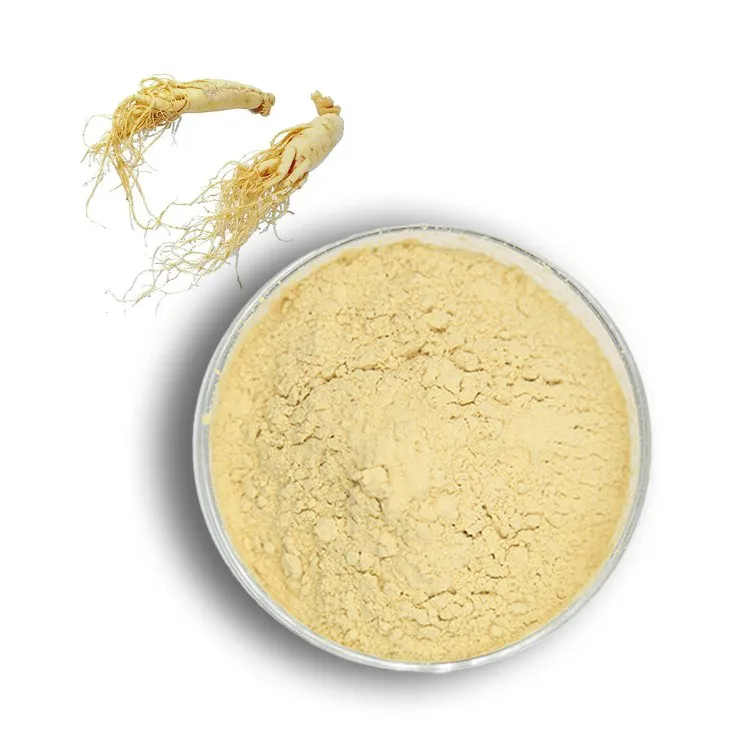
Ginseng Root Extract
2026-08-19
-
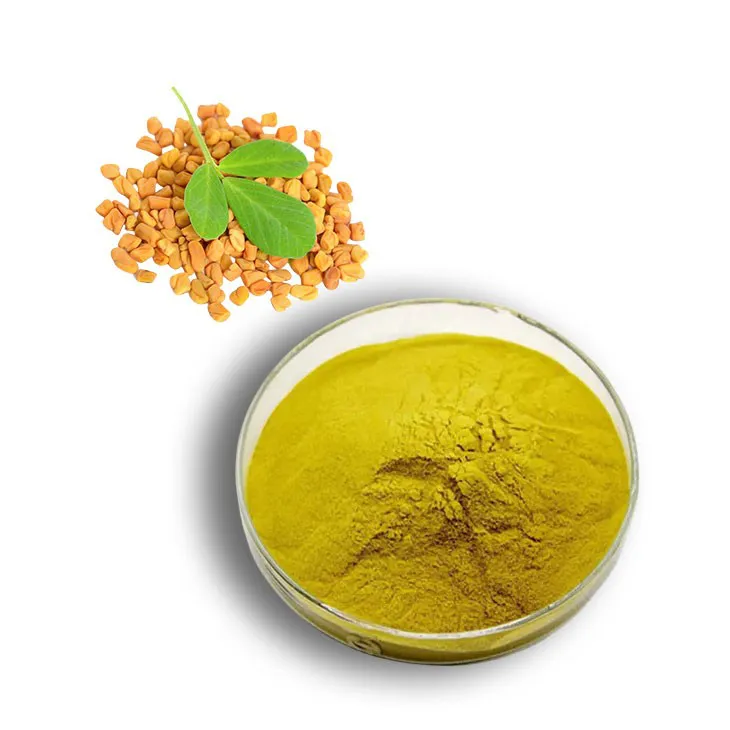
Fenugreek Extract Powder
2026-08-19
-
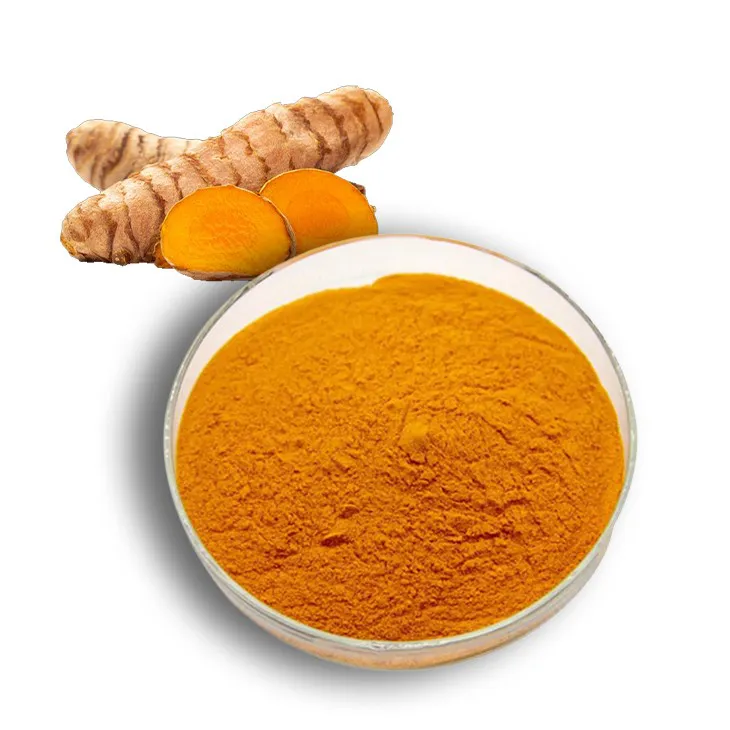
Curcumin
2026-08-19
-
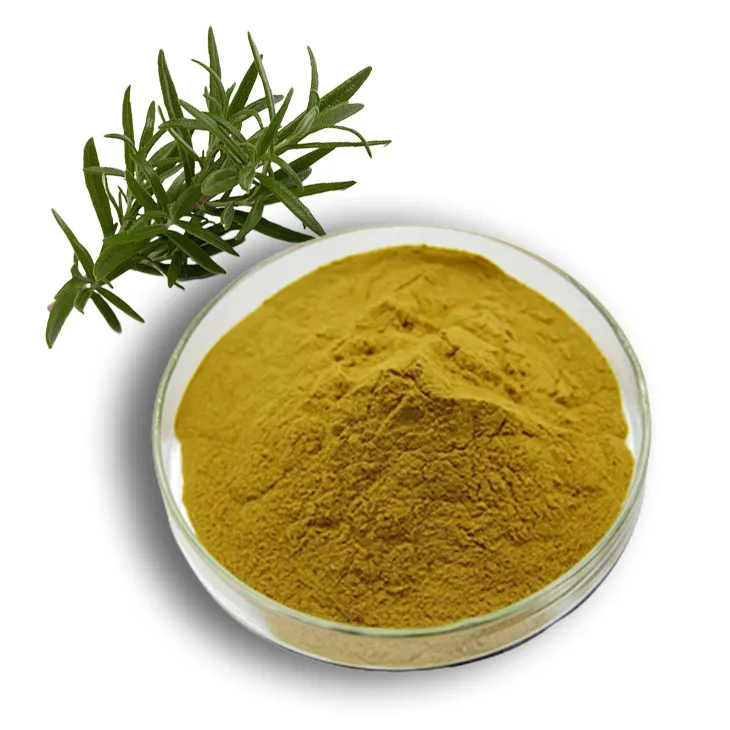
Rosemary extract
2026-08-19
-
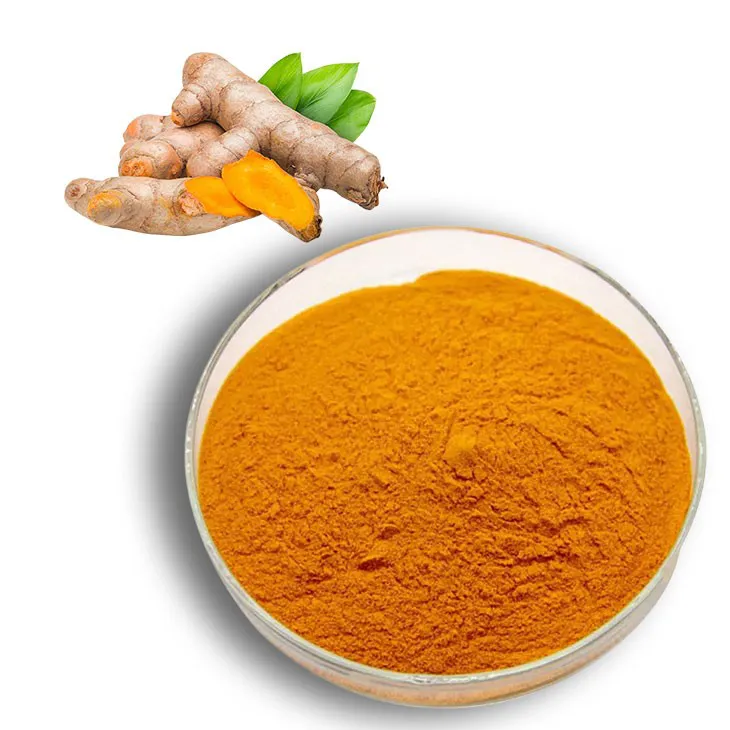
Curcuma Longa Extract/Turmeric extract
2026-08-19
-
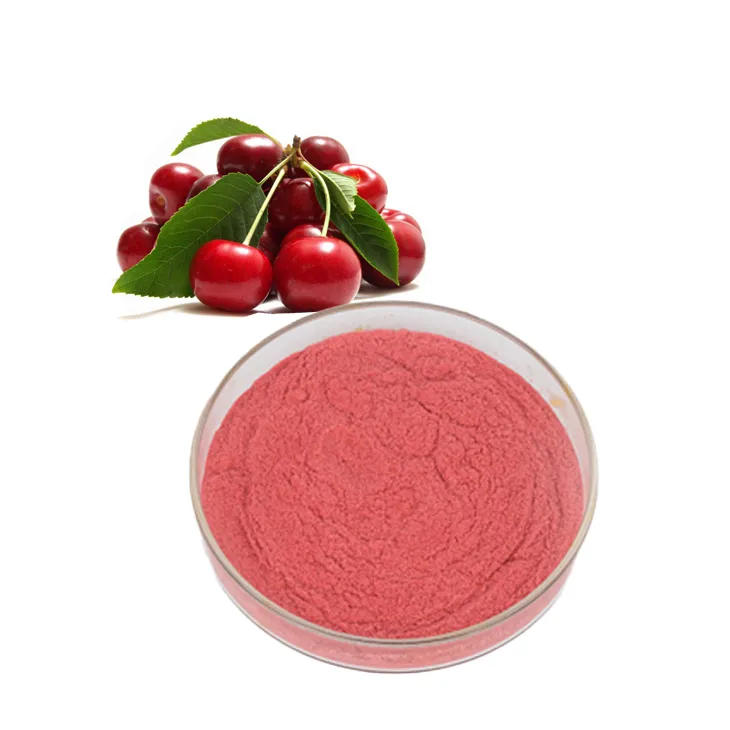
Acerola Extract
2026-08-19
-
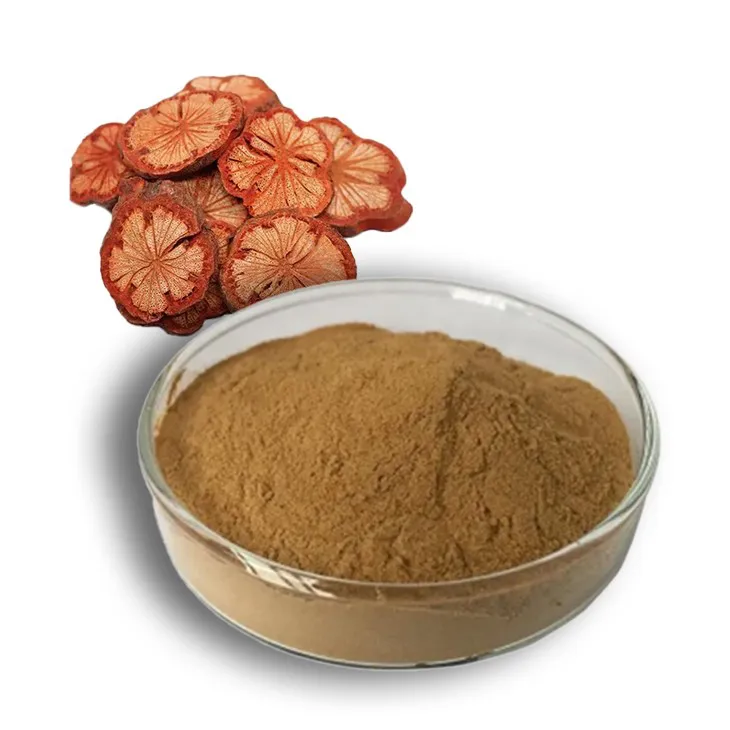
Red Vine Extract
2026-08-19
-
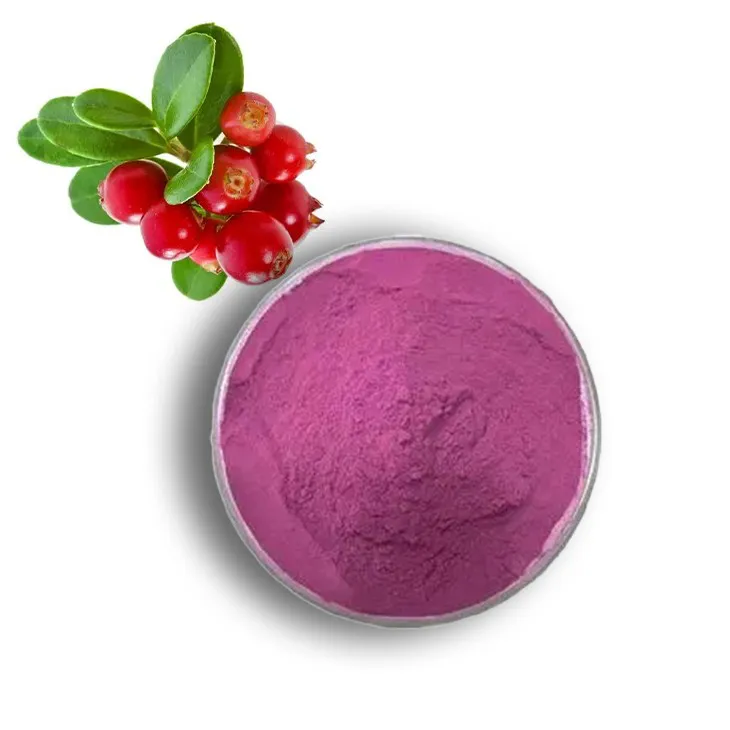
Europen Bilberry Extract
2026-08-19
-
Black Seed Extract
2026-08-19
Get a Quote