- 0086-571-85302990
- [email protected]






How do plant extracts for skin care compare with synthetic actives?
2026-08-14
The skincare industry has been quietly shifting its foundation. For decades, formulators reached for synthetic actives because they were cheap, stable, and easy to standardise. Today, however, a growing number of brands are asking a different question: can plant extracts for skin care deliver comparable benefits, and how do they really stack up against their synthetic counterparts? The answer is not a simple either-or. It is a matter of understanding what each brings to the formula, where each falls short, and how quality sourcing closes the gap.
Why the shift from synthetic to botanical actives
Consumer demand is the main driver. People increasingly read ingredient lists, question the long-term effects of synthetic chemicals, and prefer products they perceive as cleaner and more sustainable. Industry forecasts value the global natural cosmetics market at more than 27 billion dollars by the early 2030s. This is not a niche trend; it reflects a structural change in how beauty products are designed. Cosmetic chemists now find themselves balancing efficacy, safety, and a growing expectation that the ingredients themselves should be traceable and plant-derived.
What botanical actives actually bring to the skin
Plant extracts are far more than filler. Many are multifunctional, which is one of their strongest advantages over single-molecule synthetics. A well-known example is green tea extract for skin care, which is prized for its catechin polyphenols. These compounds help quench free radicals, reduce oxidative stress, and support the skin against premature ageing. Similarly, grape seed extract is rich in proanthocyanidins, a family of antioxidants that helps protect collagen and brighten uneven tone. Resveratrol, Curcumin, and Astaxanthin each offer their own antioxidant and soothing profiles, while centella asiatica extract is valued for wound healing and skin soothing.
Beyond antioxidants, botanicals contribute anti-inflammatory, antimicrobial, and gentle brightening effects. Chamomile and calendula calm irritation, tea tree oil supports acne-prone skin, and licorice root is used to soften the look of hyperpigmentation. Because these actives come from complex plant matrices, they often deliver several benefits at once, which can simplify formulations that would otherwise require a cocktail of synthetic ingredients.
Synthetic actives: the strengths that made them standard
It would be unfair to dismiss synthetic actives. They earned their place for clear reasons. Pure molecules such as retinol, niacinamide, and certain peptides are precisely defined, so their potency and shelf life are highly predictable. They tend to be stable across a wider range of pH and temperature, they are easier to dose consistently, and they are generally less expensive to obtain at scale. For brands that need a reproducible result batch after batch, this reliability is a genuine advantage.
The trade-off is that a single synthetic molecule often does one thing well, and consumer concerns about the long-term profile of some synthetic chemicals remain a real consideration. This is where plant extracts offer a compelling middle ground rather than a direct replacement.
A balanced comparison
When compared side by side, the differences are clear. The table below summarises the key points buyers and formulators should weigh.
| Factor | Plant extracts | Synthetic actives |
|---|---|---|
| Efficacy profile | Multifunctional from complex bioactives | Single, well-defined target |
| Stability | Varies; needs proper stabilisation | Generally high and predictable |
| Standardisation | Depends heavily on supplier quality | Inherently consistent |
| Consumer perception | Clean, natural, sustainable | Often viewed with caution |
| Sourcing effort | Higher; traceability matters | Straightforward |
The practical conclusion is that neither is inherently superior. The best formulations often combine them, using a well-standardised botanical extract for its broad, skin-friendly profile and a precise synthetic for a targeted need. The deciding factor is usually the quality and standardisation of the plant material itself.
Quality sourcing is the real difference maker
The most common criticism of botanical actives is not that they lack efficacy, but that they are inconsistent. That inconsistency is a sourcing problem, not a botanical problem. A poorly processed Green Tea Extract from one supplier can look completely different from a properly standardised batch from another. This is why the choice of manufacturer matters more than the choice between natural and synthetic.
Buyers should look for a supplier with full vertical integration, from cultivation and extraction through to finishing, because controlling the process end to end is what delivers reproducible markers. Independent laboratories equipped with instruments such as gas chromatography (GC), high-performance liquid chromatography (HPLC), and ultraviolet (UV) spectroscopy are essential for verifying active content and purity. Certifications matter too: ISO 22000, BRCGS, EU Organic, GMP, HALAL, and Kosher all signal that the supplier operates to a recognised standard. A manufacturer that supplies export documentation for regulatory submissions also saves brands significant time in market entry.
For skin-focused applications, actives such as lycopene for skin, green tea, grape seed, resveratrol, and Astaxanthin are popular because their antioxidant credentials are well supported. Choosing a supplier that can standardise these to consistent marker compounds, and that can document the batch results, removes the main objection to botanicals.
The bottom line
Plant extracts and synthetic actives are not rivals; they are complementary tools. Botanicals offer the multifunctional, gentle, and consumer-friendly profile that today's market rewards, while synthetics provide predictability and targeted potency. The brands that win are those that source botanical ingredients responsibly, insist on standardisation and testing, and combine the best of both worlds in their formulas. When plant extracts are procured from a manufacturer with rigorous quality control and full traceability, they compare very favourably indeed with synthetic actives.
- ▶ Hesperidin
- ▶ Citrus Bioflavonoids
- ▶ Plant Extract
- ▶ lycopene
- ▶ Diosmin
- ▶ Grape seed extract
- ▶ Sea buckthorn Juice Powder
- ▶ Fruit Juice Powder
- ▶ Hops Extract
- ▶ Artichoke Extract
- ▶ Mushroom extract
- ▶ Astaxanthin
- ▶ Green Tea Extract
- ▶ Curcumin
- ▶ Horse Chestnut Extract
- ▶ Other Product
- ▶ Boswellia Serrata Extract
- ▶ Resveratrol
- ▶ Marigold Extract
- ▶ Grape Leaf Extract
- ▶ New Product
- ▶ Aminolevulinic acid
- ▶ Cranberry Extract
- ▶ Red Yeast Rice
- ▶ Red Wine Extract
- ▶ blog
-
Citrus bioflavonoids
2026-08-14
-
Curcuma Longa Extract/Turmeric extract
2026-08-14
-
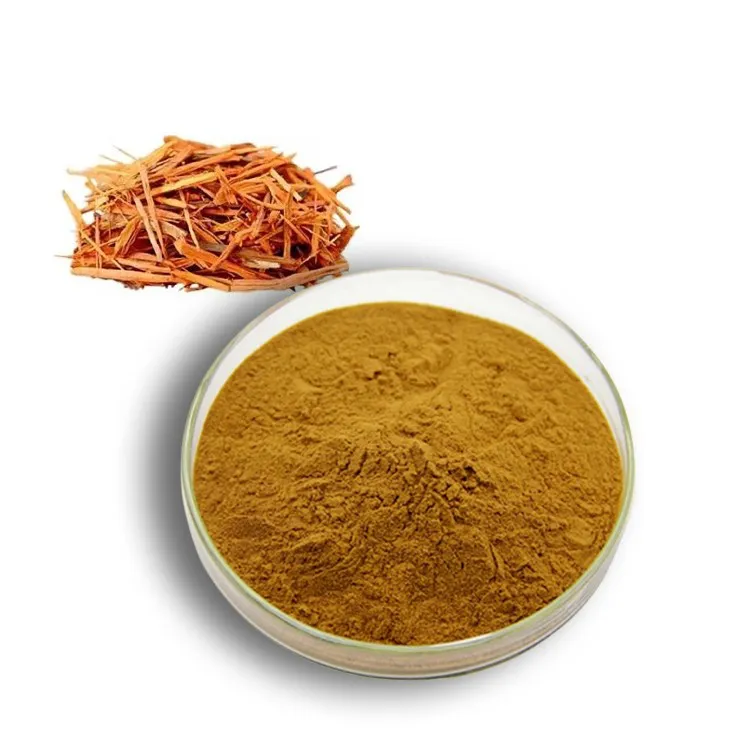
Yellow Pine Extract
2026-08-14
-
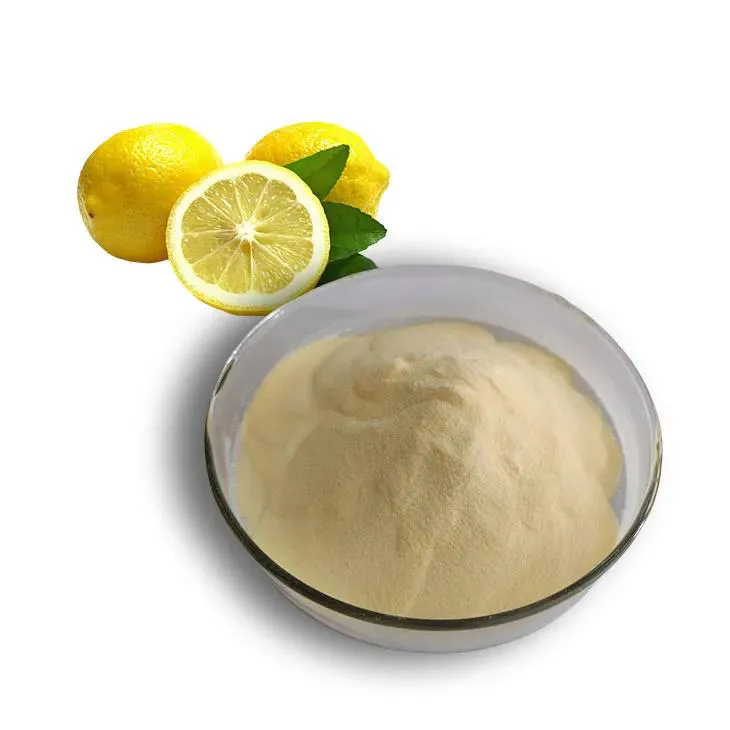
Lemon Juice Powder
2026-08-14
-
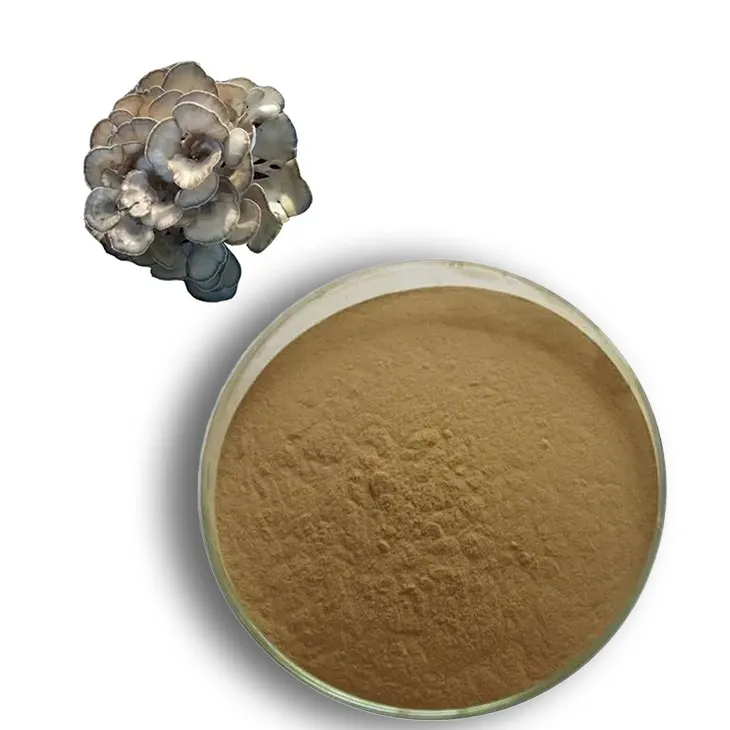
Maitake Mushroom Extract
2026-08-14
-
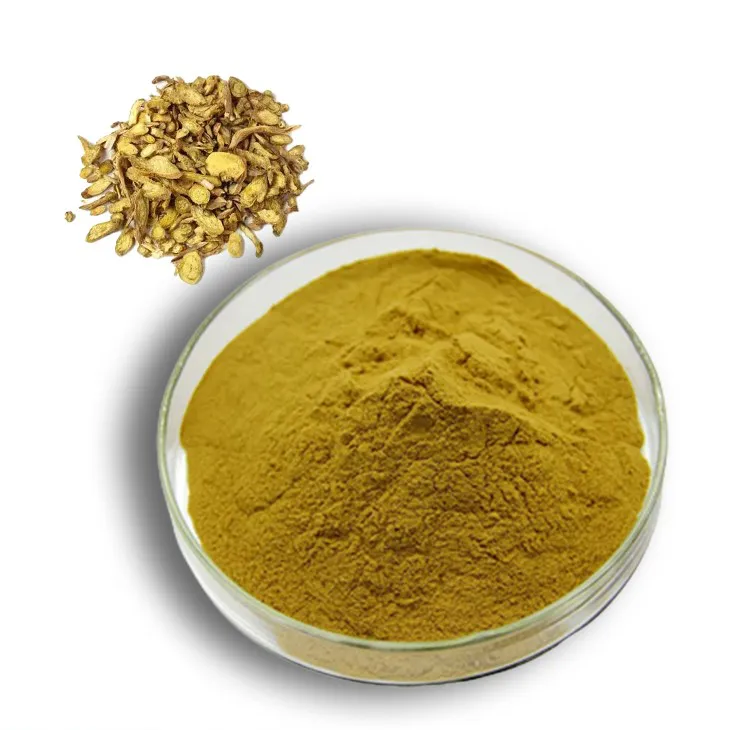
Scutellaria Extract
2026-08-14
-
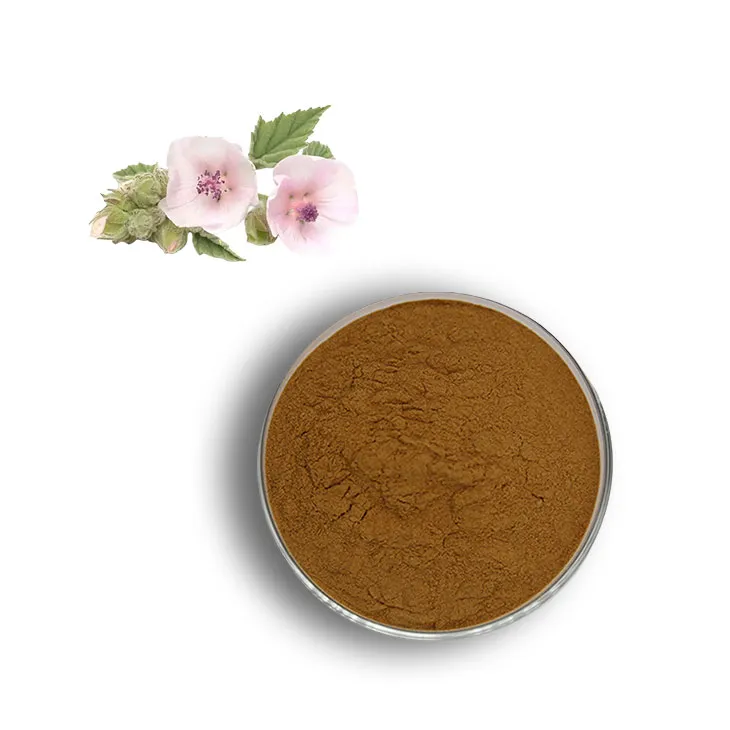
Medicinal Marshmallow Extract
2026-08-14
-
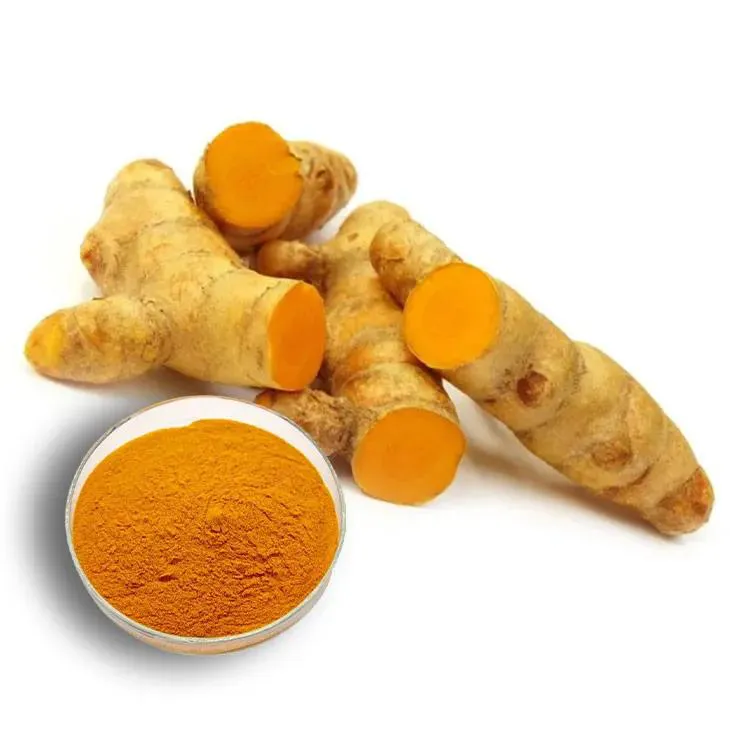
Curcumin
2026-08-14
-
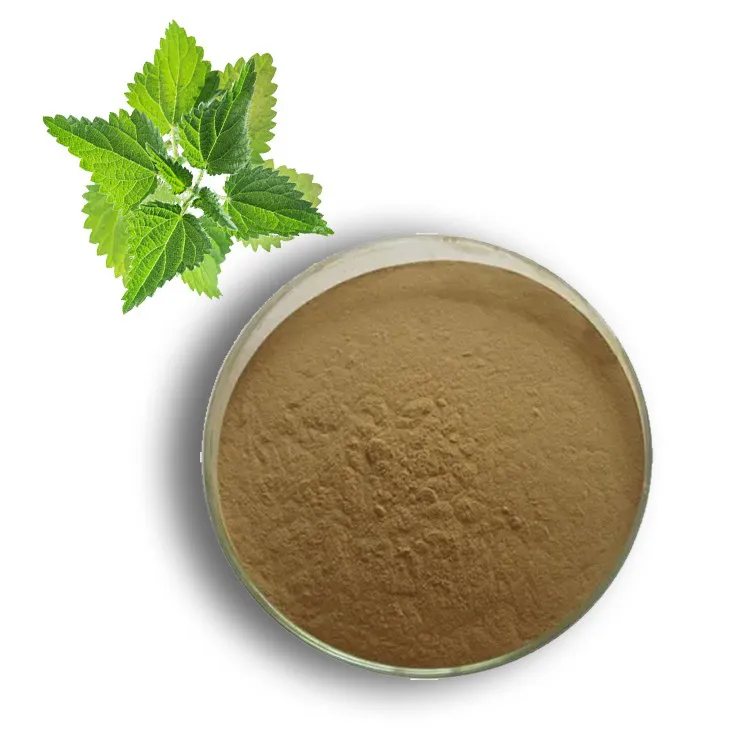
Nettle leaf extract
2026-08-14
-
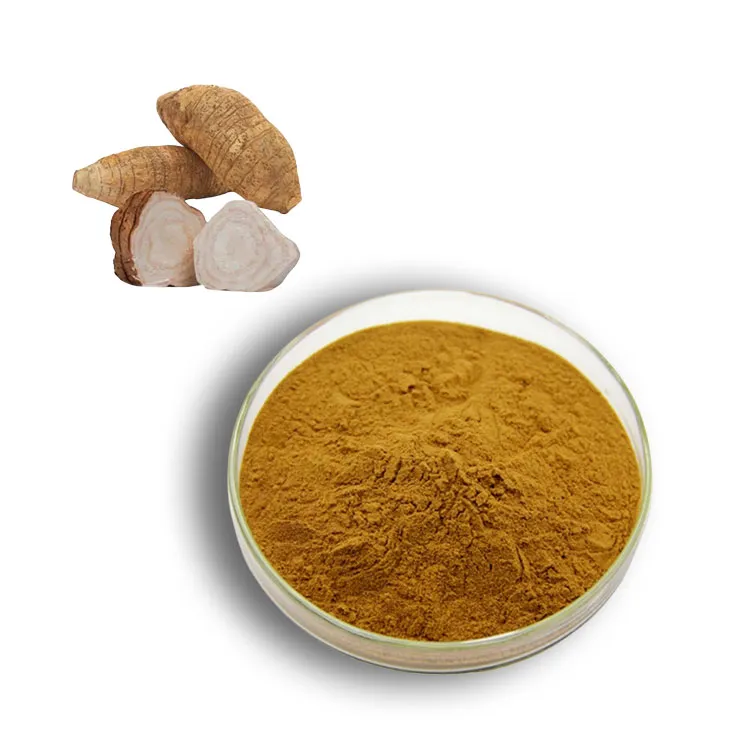
Pueraria Lobata Extract
2026-08-14
