We have five factories and 23 years of experience in plant extracts
- 0086-571-85302990
- [email protected]






How do lemon juice powder suppliers ensure batch consistency?
2026-08-13
Related Product
Lemon Juice Powder
We are a professional plant extract manufacturer in China, focusing on the R&D and production of Lemon Juice Powder extract,
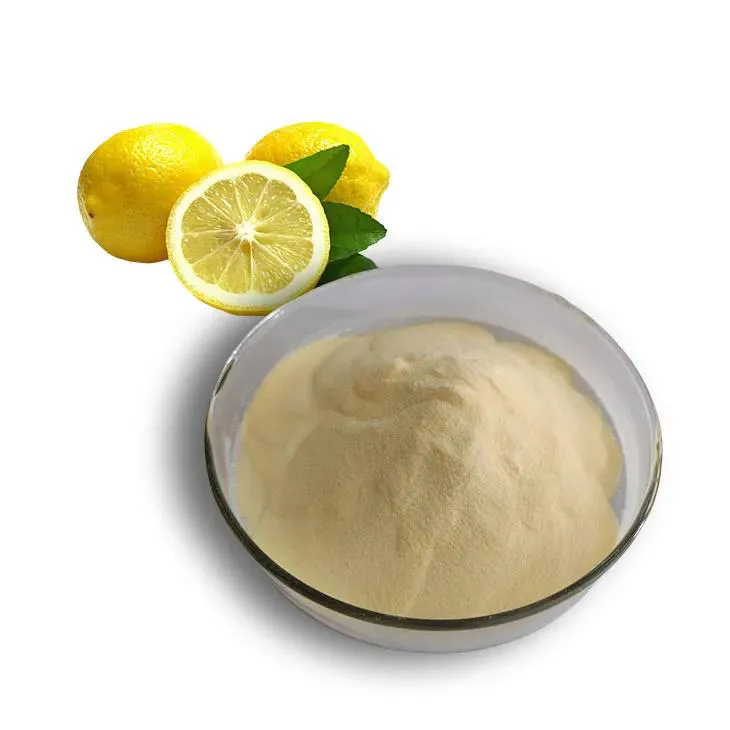
For beverage brands, bakery producers, and supplement manufacturers, a single inconsistent batch of Lemon Juice Powder can disrupt a production line, change the taste of a finished product, or trigger a costly quality complaint. That is why buyers increasingly ask one question before signing a contract: how do Lemon Juice Powder suppliers ensure batch consistency? The answer lies not in any single step, but in a disciplined system that runs from the orchard to the sealed bag.
Why batch consistency matters
Lemon Juice Powder is a concentrated, spray-dried form of lemon juice, valued for its acidity, citrus character, and vitamin C content. Because it is used as a raw material in everything from instant drink mixes to seasoning blends, even small differences in acidity, moisture, particle size, or solubility can change how a product performs. A powder that dissolves instantly in one batch but clumps in the next forces formulators to rework recipes and slows down packaging lines. Consistent quality is therefore not a luxury; it is the foundation of a dependable supply relationship.
Consistency starts with raw material control
Reliable suppliers understand that powder quality is decided before the fruit ever reaches the drying tower. They source lemons from growers who follow consistent cultivation practices, because soil, rainfall, and variety all influence acidity and flavor. At intake, fruit is inspected and sorted so that under-ripe or damaged lemons, which would introduce batch-to-batch swings in sourness, are removed. A reputable lemon juice powder supplier keeps this raw material stage tightly controlled and fully traceable back to the growing region.
Standardized processing for repeatable results
The drying process is where most consistency is won or lost. Spray drying converts concentrated lemon juice into a fine, free-flowing powder, but the outcome depends on precise control of inlet and outlet temperatures, feed rate, and oxygen levels. Too much heat can brown the powder, destroy vitamin C, and drive off the volatile citrus oils that give lemon its character; too little can leave the powder sticky and hard to handle. Suppliers who invest in modern equipment, such as high-efficiency low-temperature concentrators and spray drying towers, can hold these parameters within a narrow range so that every run behaves the same way.
A vertically integrated manufacturer has a clear advantage here. When a company controls its own extraction, concentration, and drying lines, it can standardize procedures across the entire process instead of relying on multiple subcontractors. This is one reason buyers often prefer working with an experienced lemon juice powder wholesale manufacturer that owns its production facilities.
Laboratory testing on every batch
No amount of careful processing matters if the finished powder is not tested. Serious suppliers run laboratory checks on every batch for acidity, moisture content, pH, particle size, solubility, and microbiology. An in-house laboratory equipped with instruments such as gas chromatography, high-performance liquid chromatography, and UV spectroscopy allows a manufacturer to verify both composition and purity before a batch is released. This testing is what turns a specification on paper into a guarantee that the powder you receive matches the sample you approved.
Beyond routine parameters, responsible suppliers screen for heavy metals, pesticide residues, and microbial contamination, and they document the results in a certificate of analysis for each lot. This documentation is essential for food and supplement brands that must satisfy their own regulatory obligations in export markets.
Certifications and clean production
A supplier's commitment to consistency is often reflected in the certifications it holds. Recognized food-safety and quality systems, such as ISO22000, ISO9001, BRCGS, HALAL, and Kosher, signal that the facility follows documented, audited procedures rather than ad hoc practices. Production in a clean, food-grade environment also reduces the risk of contamination that could vary from batch to batch. Many established manufacturers maintain a 100,000-class clean production area and keep export registration and documentation ready for global regulatory submissions, which gives buyers confidence that quality is managed systematically.
Packaging and storage that protect consistency
Consistency does not end when the powder leaves the drying tower. Lemon juice powder is hygroscopic, meaning it absorbs moisture from the air, which can cause clumping and shorten shelf life. Reliable suppliers pack the powder in moisture-proof, food-grade bags with inner liners and seal them in sturdy cartons or drums to protect against heat, humidity, and contamination during shipping. Clear labeling and proper storage guidance help ensure that the consistent quality achieved in production survives the journey to your facility.
How to verify a supplier's consistency
Buyers can take a few practical steps to confirm that a supplier will deliver consistent batches. First, request a certificate of analysis and compare it with the approved specification; the sample, specification, COA, and commercial shipment should all refer to the same grade. Second, run a simple bench test, mixing the powder at your intended dosage to check wet-out, haze, and sediment. Third, place a trial order and evaluate repeat lots rather than judging a supplier on a single optimized sample. Finally, ask about the supplier's quality system, laboratory equipment, and certifications, because these are the mechanisms that make batch consistency possible.
Choosing a supplier you can rely on
Batch consistency in lemon juice powder is achieved through disciplined raw material sourcing, standardized spray-drying, rigorous laboratory testing, recognized certifications, and careful packaging. A manufacturer that controls these steps under one roof is far more likely to deliver the same quality order after order. For brands that value dependable supply, working with an experienced lemon juice powder supplier with its own production facilities and documented quality systems is a sound way to protect both product quality and brand reputation.
TAGS:

FAQ
- ▶ Hesperidin
- ▶ Citrus Bioflavonoids
- ▶ Plant Extract
- ▶ lycopene
- ▶ Diosmin
- ▶ Grape seed extract
- ▶ Sea buckthorn Juice Powder
- ▶ Fruit Juice Powder
- ▶ Hops Extract
- ▶ Artichoke Extract
- ▶ Mushroom extract
- ▶ Astaxanthin
- ▶ Green Tea Extract
- ▶ Curcumin
- ▶ Horse Chestnut Extract
- ▶ Other Product
- ▶ Boswellia Serrata Extract
- ▶ Resveratrol
- ▶ Marigold Extract
- ▶ Grape Leaf Extract
- ▶ New Product
- ▶ Aminolevulinic acid
- ▶ Cranberry Extract
- ▶ Red Yeast Rice
- ▶ Red Wine Extract
- ▶ blog
Recommended Products
-
Tamarind extract powder
2026-08-13
-
Garcinia Cambogia Extract
2026-08-13
-
Nutmeg Extract
2026-08-13
-
Baicalin
2026-08-13
-
Curcuma Longa Extract/Turmeric extract
2026-08-13
-
Magnolia Bark Extract
2026-08-13
-
Saw Palmetto Extract
2026-08-13
-
Centella Asiatica Extract
2026-08-13
-
Mangosteen extract powder
2026-08-13
-
Echinacea Extract
2026-08-13
Get a Quote
