- 0086-571-85302990
- [email protected]




How do international regulations shape plant extract export standards?
2026-08-13
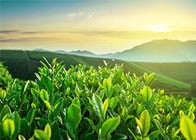
Walk into any health food store or pharmacy and you will see shelves lined with products built on plant extracts, from turmeric in supplements to green tea in skincare. These botanical ingredients have become the backbone of the cosmetics, pharmaceutical, and functional food industries. But for the manufacturers and suppliers shipping these ingredients across borders, the real challenge is no longer simply producing a good extract. It is proving that the extract meets the export standards set by each destination market. International regulations are reshaping how plant extracts are made, tested, documented, and sold, and understanding them is now essential for anyone buying or selling botanical ingredients.
Regulations are more than administrative red tape. When a country sets strict standards for plant extracts, it is telling consumers that the product is safe, pure, and does what it claims. For exporters, meeting these standards is the key that unlocks premium markets. Because each region writes its own rules, a single ingredient can face very different requirements depending on where it is headed. The companies that succeed are those that treat compliance as a core part of their manufacturing process rather than an afterthought.
The European union: Stringency Meets Sustainability
For exporters targeting the European union, two names dominate the conversation: REACH and EFSA. REACH, the Registration, Evaluation, Authorization, and Restriction of Chemicals framework, applies to botanical extracts as well as industrial chemicals. Any extract containing substances that could pose a risk to human health or the environment must be registered, a process that demands extensive toxicological data. Meanwhile, the European Food Safety Authority vets the health claims attached to supplements and food additives. If a manufacturer wants to say an extract "supports immune function," that claim must be backed by clinical evidence approved by EFSA.
The EU also rewards organic certification. To carry the EU Organic logo, extracts must come from plants grown without synthetic pesticides, and the entire supply chain from farm to finished product must be audited. For exporters, this certification is not just a marketing tool; it is a ticket to premium shelves. The catch is that maintaining it requires rigorous record-keeping, and a single contaminated batch can lead to fines or a ban. This is why a manufacturer's internal quality systems matter as much as the extract itself.
The United States: The "Show Me the Data" Approach
Across the Atlantic, the U.S. Food and Drug Administration takes a product-specific approach. Dietary supplement ingredients fall under 21 CFR Part 111, the current Good Manufacturing Practices for supplements. This means a facility must have systems to prevent contamination, track ingredients from source to shipment, and test every batch for identity, purity, and strength. For bulk ingredients sold to supplement brands, this translates into certificates of analysis, supplier qualification documents, and complete batch production records.
If an extract is a new dietary ingredient, one not marketed in the U.S. before 1994, the manufacturer must file an NDI notification with the FDA, including safety data from studies. Cosmetics face different rules again: the FDA does not approve cosmetics before sale but does regulate labeling and ban certain ingredients. The line between a cosmetic and a drug can be blurry, and exporters who overpromise on benefits risk warning letters or import detentions. Accurate labeling and honest claims are therefore non-negotiable.
Asia: Balancing Tradition and Science
Asia presents a more varied picture. In China, the world's largest producer of botanical extracts, the National Medical Products Administration oversees registration, and products must comply with the Chinese Pharmacopoeia. Japan's Pharmaceuticals and Medical Devices Agency requires safety testing for cosmetic ingredients, while the FOSHU program allows health claims for supplements only after rigorous scientific review. In each case, the underlying principle is the same: the extract must be traceable, tested, and documented to a standard the regulator can verify.
What International Standards Mean for Manufacturers
For a plant extract manufacturer, meeting these standards is a daily discipline rather than a one-time event. It starts with the production environment. A clean, food-grade facility with controlled air quality reduces the risk of contamination before it ever reaches a test tube. It continues with analytical equipment such as gas chromatography, high-performance liquid chromatography, and UV spectroscopy, which allow every batch to be checked for identity, purity, and active compound content. And it ends with documentation, because a certificate of analysis is only as trustworthy as the laboratory and the traceability behind it.
This is where a vertically integrated supplier has a clear advantage. When research, development, production, and sales sit within one group, quality control can be enforced consistently from raw material to finished powder. A dedicated plant extract supplier that operates its own factories and laboratories can respond faster to changing regulatory requirements, because it controls every step of the process instead of relying on multiple outside parties.
Certifications as a Compliance Roadmap
Certifications are the most visible proof that a manufacturer meets international standards. A well-equipped exporter typically holds a portfolio of credentials covering food safety, quality management, organic status, and religious dietary requirements. Common examples include ISO22000 for food safety management, ISO9001 for quality management, BRCGS for global food safety, and SGS-GMP for good manufacturing practice. For products destined for certain markets, HALAL and Kosher certifications are equally important, while an Ecocert organic standard demonstrates compliance with organic production rules.
A manufacturer that holds these certifications, and that maintains export registration for global regulatory submissions, gives importers confidence that documentation will be complete and accurate. This matters because customs delays are rarely caused by the extract itself; they are almost always caused by missing or inconsistent paperwork. A supplier that can produce the right certificate for the right market, on time, is worth more than one that simply offers a low price.
How Greensky Meets the Challenge
Hangzhou Greensky Biological Tech. Co., Ltd. is an example of how a plant extract supplier turns regulatory complexity into a competitive advantage. Founded in 2004 and headquartered in Hangzhou, the company has spent more than twenty years researching, developing, and producing active botanical ingredients. It operates five wholly-owned subsidiaries and is fully vertically integrated, covering research, development, production, and sales under one roof.
Greensky's production is built around a 100,000-class clean area that meets food-grade requirements, along with an independent laboratory equipped with GC, HPLC, and UV instruments. Its equipment includes multi-ton extraction tanks, high-efficiency low-temperature concentrators, a spray drying tower, and vacuum drying systems, allowing it to produce consistent, high-quality extracts at scale. The company holds ISO22000, BRCGS, Ecocert Organic, SGS-GMP, ISO9001, HALAL, and Kosher certifications, and maintains export registration for global regulatory submissions. In 2023 its export value reached nearly thirty million dollars, with main markets in Europe, the United States, South Korea, and Russia.
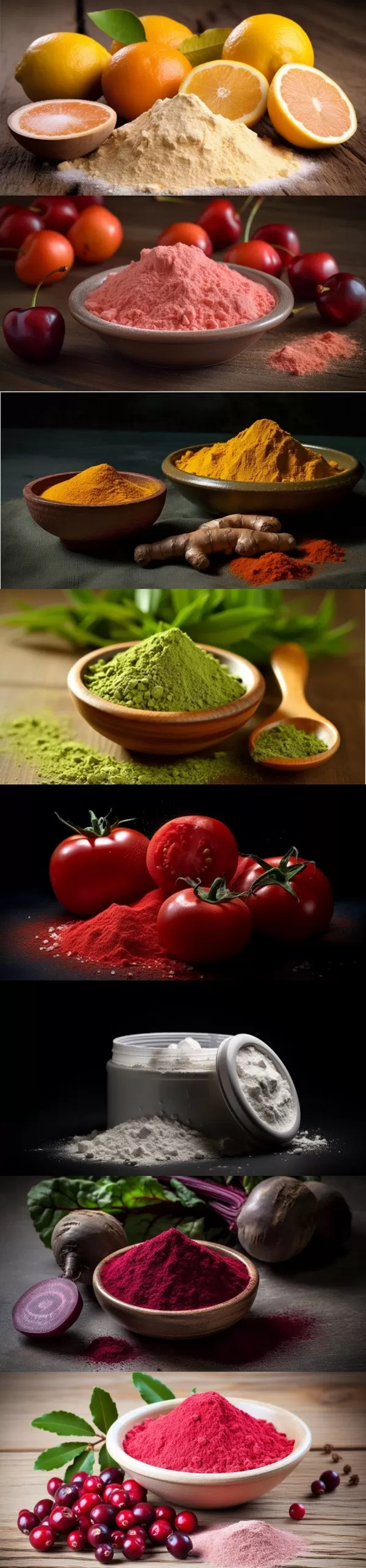
The product range reflects this commitment to quality across categories. Greensky supplies a large catalog of botanical extracts, functional red yeast rice standardized for Monacolin K content and free of citrinin, fruit juice powders, and functional food raw materials. Whether an importer needs a standardized china plant extract for a supplement or a certified organic ingredient for a premium brand, the same documentation and quality systems apply across the entire range.
Practical Advice for Buyers and Importers
For buyers, the lesson is straightforward: ask for the documentation before you commit. Request the certificate of analysis for every batch, verify that the manufacturer holds the certifications your market requires, and confirm that the facility can produce the specific tests your regulator expects, such as heavy metal analysis or microbiological testing. A reliable supplier will provide these documents readily, because they are already part of its routine.
It is also worth choosing a partner who keeps pace with regulatory change. Rules in the EU, the United States, and Asia are updated regularly, and a manufacturer that follows industry guidance and maintains its registrations will be better positioned to keep your supply chain running smoothly. When a supplier can say that its extracts meet EU organic standards, FDA cGMP expectations, and the requirements of Asian regulators, that is not just a list of certifications. It is a promise that the product is safe, pure, and ready for the market.
Conclusion
International regulations are shaping plant extract export standards in ways that benefit everyone in the long run. They raise the bar for safety and quality, and they reward manufacturers who invest in clean production, rigorous testing, and complete documentation. For exporters, compliance is not an obstacle but a differentiator. In a market where anyone can sell a botanical extract, the manufacturers who can prove their product is safe and consistent will win the trust of buyers and the access to premium markets that comes with it.
TAGS:
- ▶ Hesperidin
- ▶ Citrus Bioflavonoids
- ▶ Plant Extract
- ▶ lycopene
- ▶ Diosmin
- ▶ Grape seed extract
- ▶ Sea buckthorn Juice Powder
- ▶ Fruit Juice Powder
- ▶ Hops Extract
- ▶ Artichoke Extract
- ▶ Mushroom extract
- ▶ Astaxanthin
- ▶ Green Tea Extract
- ▶ Curcumin
- ▶ Horse Chestnut Extract
- ▶ Other Product
- ▶ Boswellia Serrata Extract
- ▶ Resveratrol
- ▶ Marigold Extract
- ▶ Grape Leaf Extract
- ▶ New Product
- ▶ Aminolevulinic acid
- ▶ Cranberry Extract
- ▶ Red Yeast Rice
- ▶ Red Wine Extract
- ▶ blog
-
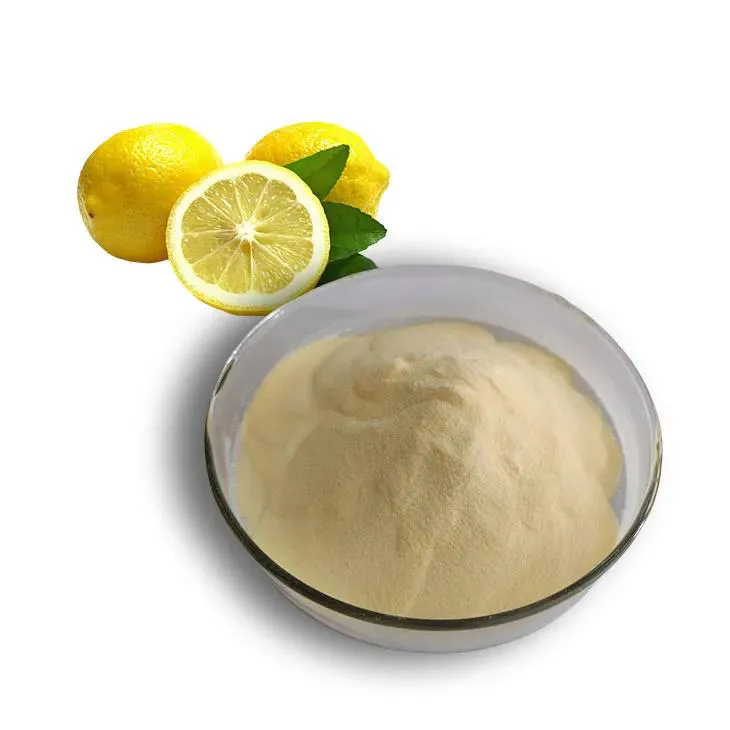
Lemon Juice Powder
2026-08-13
-
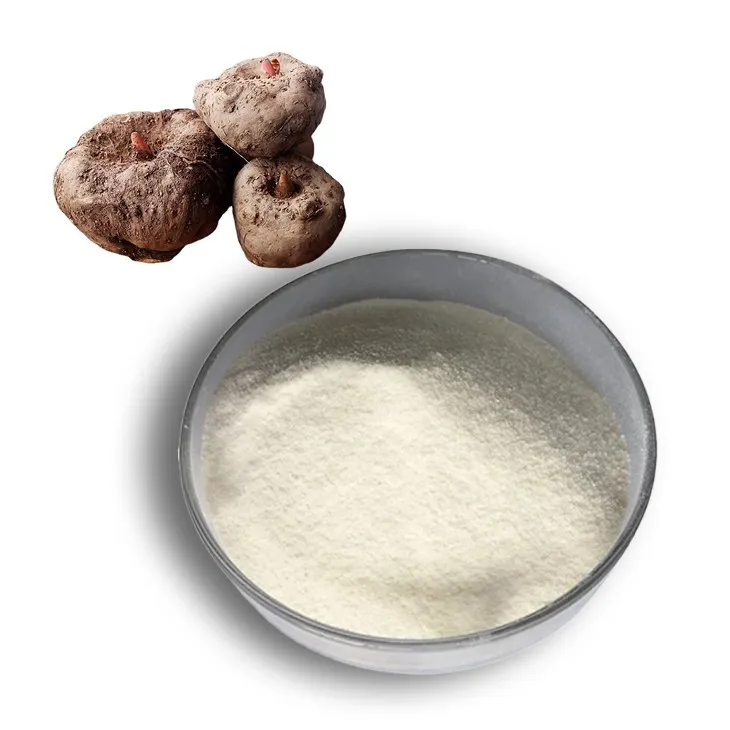
Konjac Powder
2026-08-13
-
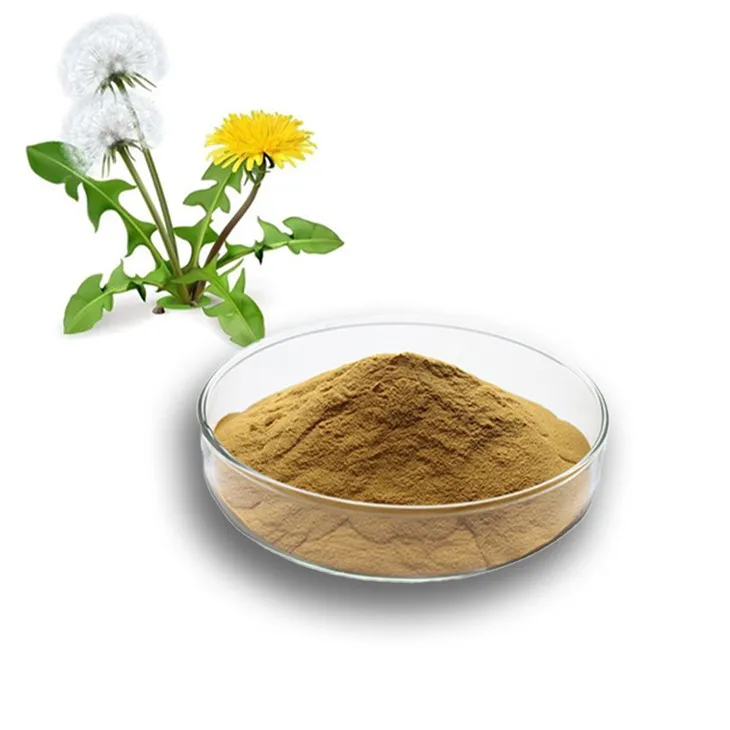
Dandelion Leaf Extract
2026-08-13
-
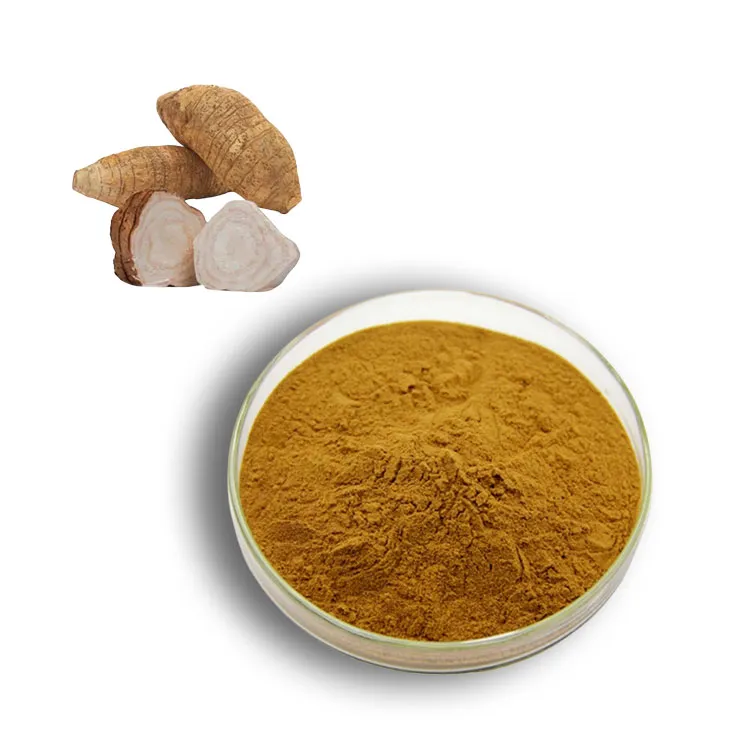
Pueraria Lobata Extract
2026-08-13
-
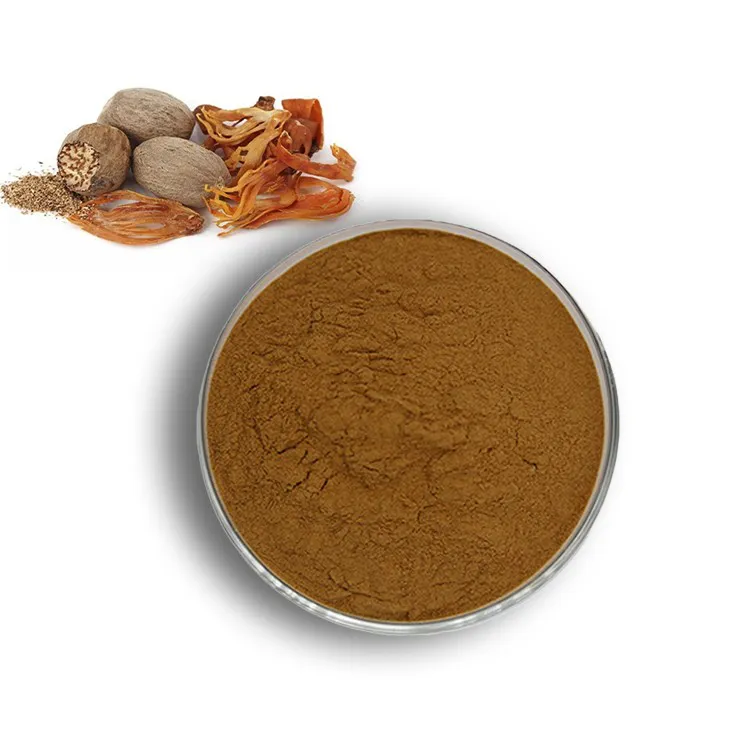
Nutmeg Extract
2026-08-13
-
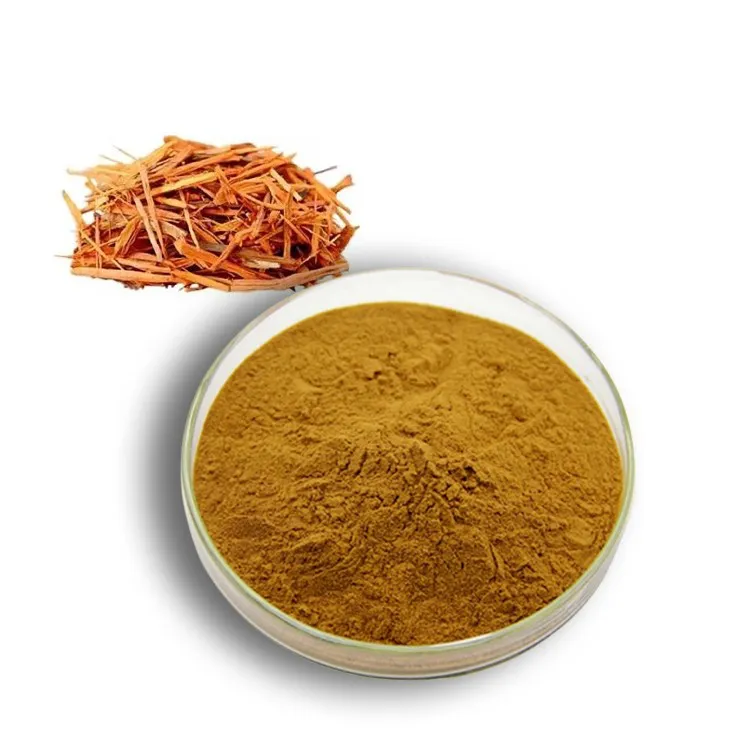
Yellow Pine Extract
2026-08-13
-
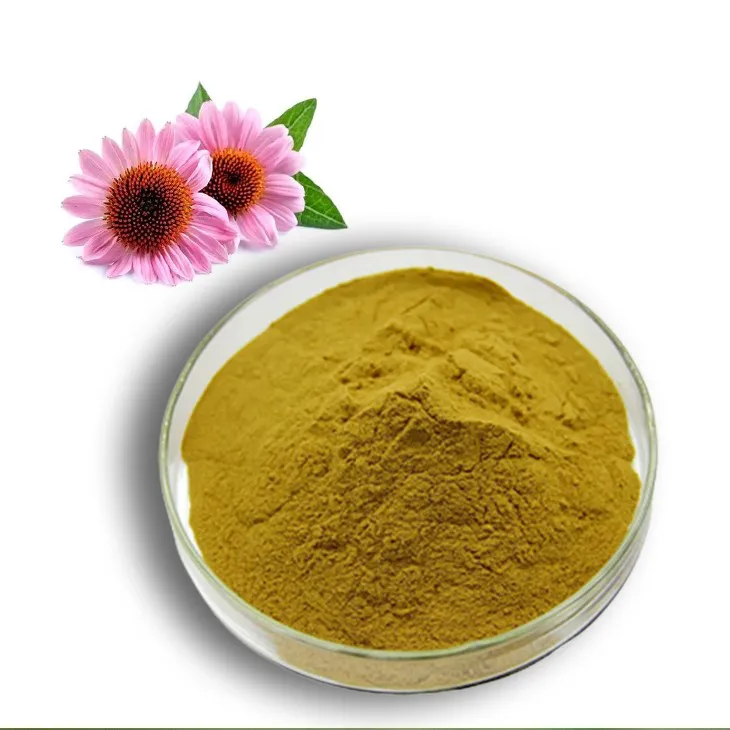
Echinacea Extract
2026-08-13
-
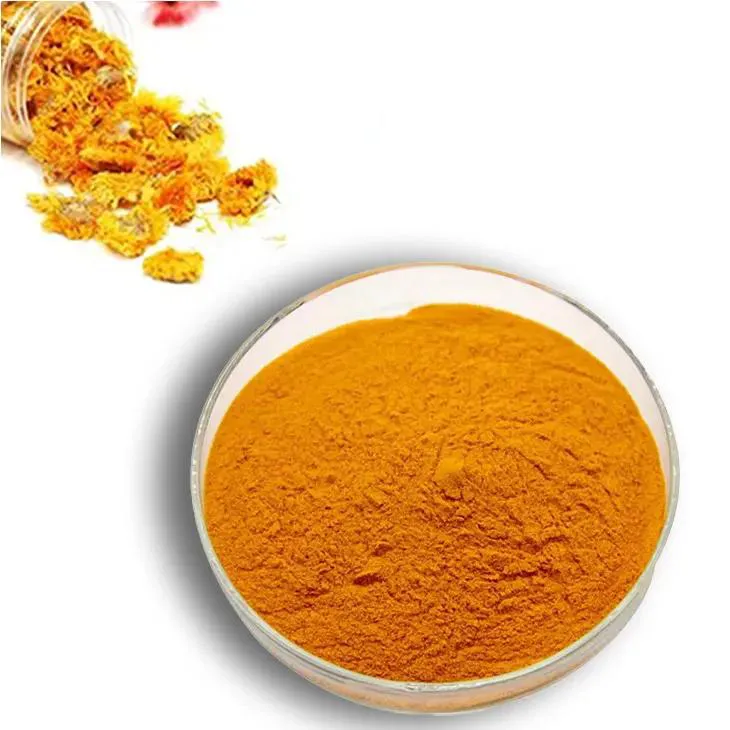
Marigold Extract
2026-08-13
-
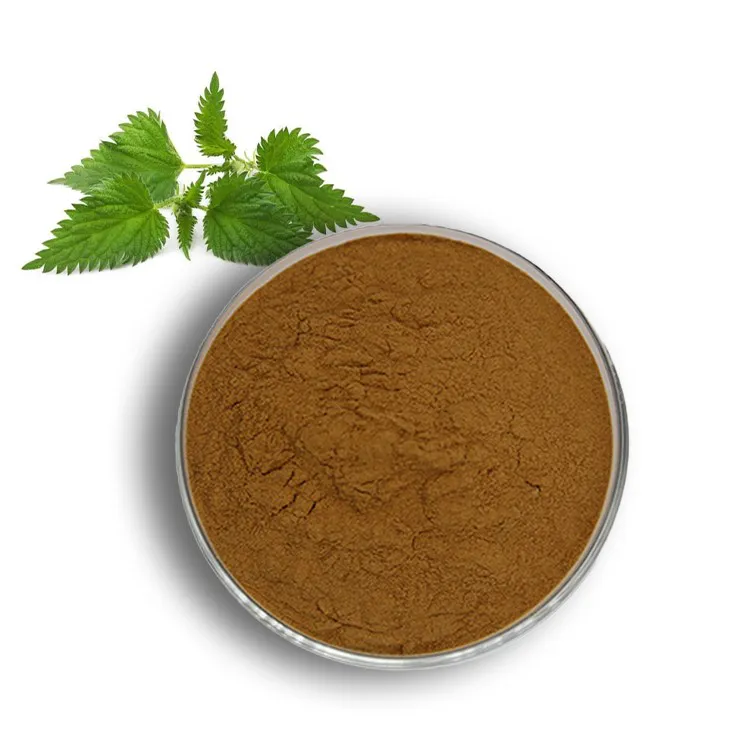
Nettle Root Extract
2026-08-13
-
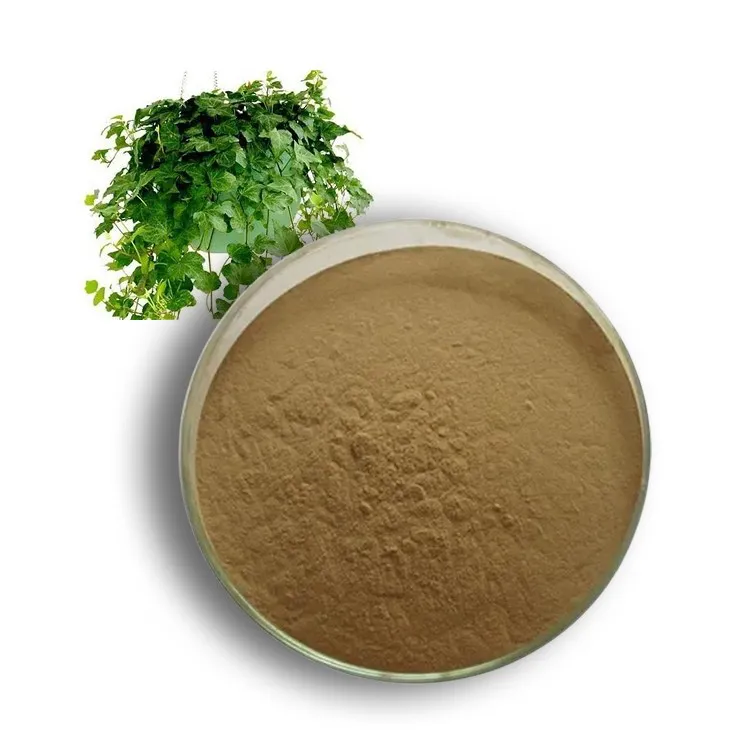
Ivy Extract
2026-08-13