- 0086-571-85302990
- [email protected]






How do I import green tea extract from China?
2026-08-15
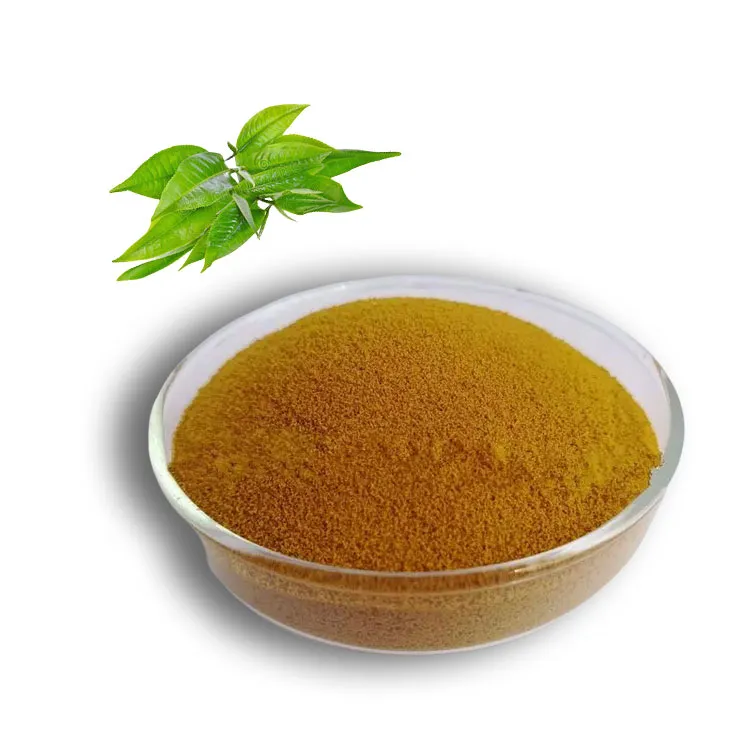
Green Tea Extract has become one of the most sought-after botanical ingredients on the market, prized for its concentrated polyphenols and versatile use in dietary supplements, functional foods, and skincare. If you are planning to buy it in volume, China is a natural starting point — but a successful import is about far more than finding the lowest price. This guide walks you through the practical steps, from defining your specification to clearing customs, so you can source Green Tea Extract with confidence.
Why source Green Tea Extract from China?
China has long been a major production base for plant extracts, and green tea is one of its most important crops. The country combines large-scale tea farming with mature extraction technology, which means manufacturers can supply consistent, food-grade material at a cost that is difficult to match elsewhere. For international buyers, this translates into better margins and a wider choice of specifications — from standardized polyphenol content to highly concentrated EGCG.
The key is choosing a reliable partner. A reputable green tea extract manufacturer with verifiable certifications and export experience will make the whole process smoother than working with an unverified middleman.
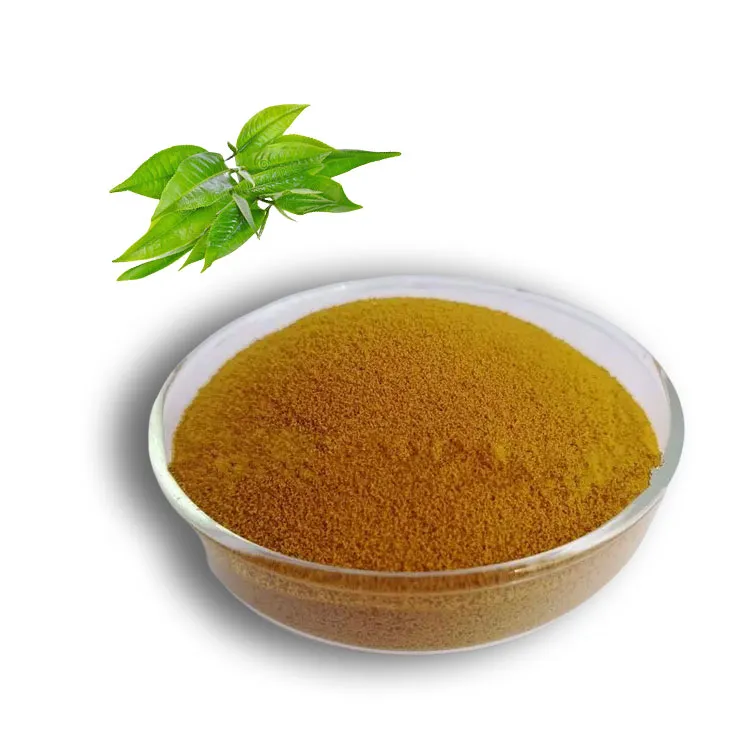
Step 1: Define your specification before you contact anyone
The single biggest mistake importers make is approaching suppliers without a clear specification. Take the time to write down exactly what you need, because every variable affects price and regulatory compliance.
- Active compounds: Green tea extract is usually standardized by polyphenols or EGCG content. Decide whether you need a general polyphenol extract or a high-EGCG grade for specific health applications.
- Purity and ratio: Common ratios range from 10:1 to 98% polyphenols. Higher purity commands a higher price, so match the grade to your end use rather than over-specifying.
- Particle size and format: Powder, fine powder, or extract standardized to a specific particle distribution can matter for formulation.
- Quantity and packaging: Volume affects pricing and shipping method. Confirm the packaging — drums, bags, or vacuum-sealed — that suits your warehousing.
- Compliance requirements: Note the certifications and documentation your destination market requires, such as organic, Halal, Kosher, or food-grade registration.
Having these details in writing not only gets you accurate quotes but also filters out suppliers who cannot meet your standards.
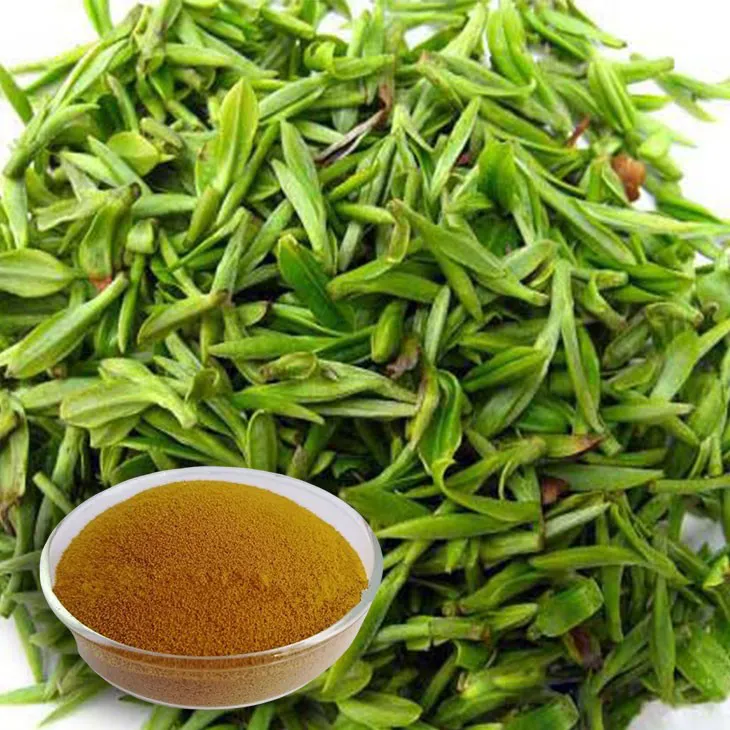
Step 2: Separate real manufacturers from middlemen
China has many plant extract suppliers, but not all of them actually produce the material. A manufacturer with its own factory and extraction line gives you better control over quality, traceability, and consistency across batches. When you evaluate a candidate, look for evidence of actual production:
- Check the company profile: A manufacturer should clearly describe its facilities, extraction equipment, and history. Companies founded as producers, rather than trading houses, are easier to verify.
- Review certifications: Look for internationally recognized systems such as ISO9001, ISO22000, BRCGS, HALAL, or Kosher. Ask for scanned copies and, where possible, cross-check them.
- Request samples: A legitimate supplier will happily send a sample for a small fee. Refusal to share samples is a clear warning sign.
- Ask about export documentation: Experienced exporters provide certificates of analysis, material safety data sheets, and customs-ready paperwork as standard.
A manufacturer that combines in-house production with a documented quality system, such as Greensky, can provide the traceability and consistency that middlemen often cannot.
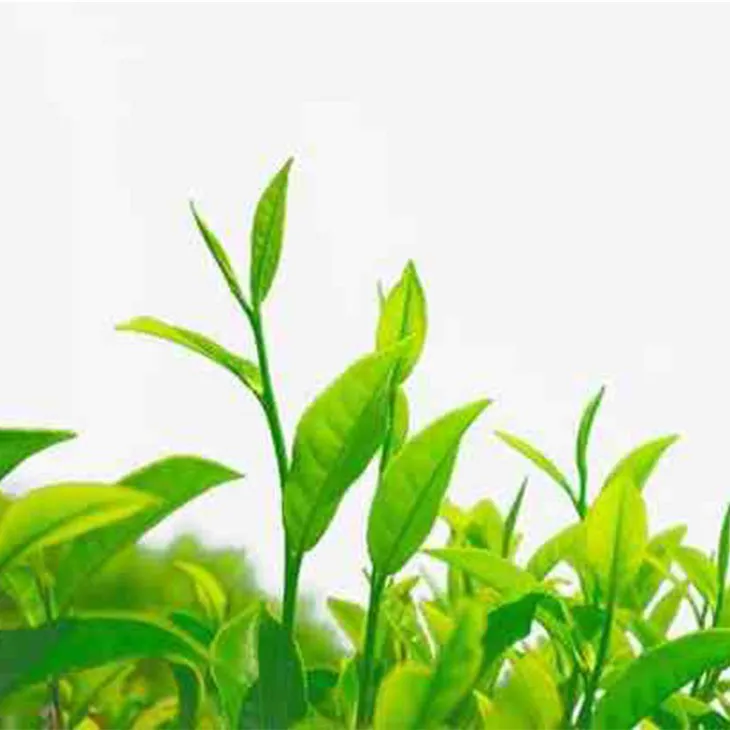
Step 3: Verify quality before you commit
Botanical extracts are only as good as the quality control behind them. Even with certifications on paper, you should verify that the material matches the specification. Request the following documents and review them carefully:
- Certificate of Analysis (COA): Confirms composition, active content, heavy metal levels, and microbiological counts. Compare the numbers against your own specification.
- Material Safety Data Sheet (MSDS): Needed for shipping, handling, and your own compliance records.
- Third-party test reports: Independent laboratory results add credibility and help confirm pesticide and contaminant levels.
When the sample arrives, test it yourself. Check appearance, smell, and flowability, and if the batch is critical, send it to a local lab for independent analysis. This small up-front cost is far cheaper than dealing with a non-compliant shipment later.
Step 4: Manage the import process from order to delivery
Once you have approved the sample, the logistics begin. Put the commercial terms in writing before production starts:
- Price and payment terms: Common arrangements include a deposit with the balance before shipment, or a letter of credit for large orders. Avoid wiring funds to personal accounts.
- Production timeline: Confirm lead times and build in buffer around Chinese holidays, which can pause factories for extended periods.
- Shipping method: Sea freight is economical for bulk but slower, while air freight and courier services are faster for smaller or urgent orders.
- Documentation: Your supplier should provide a commercial invoice, packing list, certificate of origin, and COA/MSDS. Verify the HS code for green tea extract for your destination country.
- Customs and duties: Estimate import duties using your government's customs website and confirm the food or supplement registration required in your market.
When the shipment arrives, inspect it immediately. Check packaging for damage, compare the quantity against the packing list, and report any discrepancy within the claim window specified in your contract.
Step 5: Avoid the common pitfalls
Even careful importers run into trouble. The most frequent issues are easy to avoid with a little discipline:
- Miscommunication: Confirm every specification in writing and use precise language, photos, or diagrams where needed.
- Payment scams: Use secure payment methods and never pay into personal accounts.
- Inconsistent quality: Require a COA for every batch and keep records so you can hold your supplier accountable.
- Over-specifying: Ordering a higher purity than you need raises costs without adding value to your product.
Choosing the right partner for green tea extract
The success of your import ultimately depends on the supplier you choose. A vertically integrated manufacturer that handles research, production, and export in-house offers a level of control that is hard to beat. Greensky, for example, is a Chinese manufacturer of natural plant extracts with more than two decades of experience, in-house quality systems, and a broad portfolio of china plant extract products. Its green tea extract is backed by laboratory testing and international certifications, making it a dependable option for buyers in Europe, the United States, and beyond.
If you are looking for a trusted green tea extract suppliers partner, start by defining your specification, requesting samples, and verifying documentation. With the right manufacturer and a clear process, importing green tea extract from China can be a reliable part of your supply chain for years to come.
TAGS:
- ▶ Hesperidin
- ▶ Citrus Bioflavonoids
- ▶ Plant Extract
- ▶ lycopene
- ▶ Diosmin
- ▶ Grape seed extract
- ▶ Sea buckthorn Juice Powder
- ▶ Fruit Juice Powder
- ▶ Hops Extract
- ▶ Artichoke Extract
- ▶ Mushroom extract
- ▶ Astaxanthin
- ▶ Green Tea Extract
- ▶ Curcumin
- ▶ Horse Chestnut Extract
- ▶ Other Product
- ▶ Boswellia Serrata Extract
- ▶ Resveratrol
- ▶ Marigold Extract
- ▶ Grape Leaf Extract
- ▶ New Product
- ▶ Aminolevulinic acid
- ▶ Cranberry Extract
- ▶ Red Yeast Rice
- ▶ Red Wine Extract
- ▶ blog
-
Maca Extract
2026-08-15
-
Tinospora cordifolia extract
2026-08-15
-
Clove Powder
2026-08-15
-
Black Pepper Extract
2026-08-15
-
5-HTP (5-Hydroxytryptophan)
2026-08-15
-
Feverfew Extract
2026-08-15
-
Sea buckthorn oil
2026-08-15
-
Black Seed Extract
2026-08-15
-
Phyllanthus Emblica Extract
2026-08-15
-
Aguaje Extract
2026-08-15
