- 0086-571-85302990
- [email protected]




How do I evaluate the quality of herbal extracts wholesale?
2026-08-19
Buying herbal extracts in wholesale quantities is a different exercise from picking up a finished supplement at a store. When you order by the ton, the decisions you make about a supplier affect every batch of product you sell, and the cost of a quality mistake multiplies quickly. A batch that arrives with lower active compound content than declared can force you to reformulate, delay production, or absorb returns. This article walks through the practical checks that buyers can use to evaluate the quality of herbal extracts before committing to a wholesale order.
Start with a batch-specific Certificate of Analysis
The single most useful document is the Certificate of Analysis, or COA. A genuine COA is tied to a specific production lot: it carries the batch number, the production and testing dates, and the results for that exact material. It should report the active compound content, microbial counts, heavy metal levels, and moisture and ash values, each against a defined specification. A generic certificate that could apply to any batch, or one that is several months old, is not a substitute. When you ask a supplier for a COA, pay attention to how quickly and completely they respond. A manufacturer with a functioning quality system will have the document ready without being chased.
Check the active compound and the method behind the number
Most herbal extracts are standardized to a declared percentage of an active marker. A Curcumin extract may be standardized to 95% Curcuminoids, a Green Tea Extract to a specific EGCG level, and a Grape Seed Extract to total polyphenols or proanthocyanidins. The number matters, but so does the method used to measure it. HPLC is the method of choice for quantifying specific compounds because it separates the sample before detection. UV spectrophotometry is faster and cheaper but measures the total response of the sample, so two materials carrying the same label percentage can differ in what they actually contain. When you compare quotations, always ask which analyte is measured, which method is used, and what the reporting basis is.
Verify purity and safety screening
A high assay result means little if the material carries contaminants. A complete quality program screens for heavy metals such as lead, arsenic, cadmium, and mercury; microbiological contamination including total plate count, yeast and mold, E. coli, and Salmonella; pesticide residues; and residual solvents when organic solvents are used in extraction. Each result should be reported against an acceptance limit, not simply marked as conforming. These reports also matter at customs: shipments can be blocked when residue screening fails at the destination, which is a risk no wholesale buyer wants to carry.
Review the facility's certifications
Certifications tell you how the facility operates, not just what it claims to sell. GMP is the baseline for consistent production. ISO22000 covers food safety management, ISO9001 covers the quality system, and HALAL and Kosher certifications support specific market requirements. Organic certification, such as the Ecocert Organic Standard, is relevant when you need certified organic raw material. Certificates should be current, and it is entirely reasonable to ask to see them before you place an order.
Assess production and testing capability
A supplier's equipment and laboratory tell you a great deal about its ability to deliver consistent quality. A manufacturer that operates its own laboratory with GC, HPLC, and UV instruments can verify every batch rather than relying on occasional third-party reports. Production equipment such as multi-functional extraction tanks, low-temperature concentrators, and spray drying towers affects how well the active compounds survive processing. A clean production area that meets food-grade requirements reduces the risk of contamination. Vertical integration, where the same group handles research, production, and quality control, also makes it easier to trace a problem back to its source if one ever appears.
A practical checklist for wholesale buyers
The checks above can be condensed into a short list you can run through with any candidate supplier:
Request a batch-specific COA and review the method behind each number. Confirm the standardization percentage and the test method, with HPLC as the preferred option. Check heavy metal, microbial, pesticide, and residual solvent results against defined limits. Ask for current facility certifications, including GMP, ISO22000, HALAL, Kosher, and organic where applicable. Ask whether the manufacturer runs an in-house laboratory and whether every batch is tested. Order a sample and have it independently tested before you scale up. Finally, track results across batches over time, because gradual drift in moisture, assay, or density can warn you about a process problem before it becomes a real failure.
What a reliable supplier looks like
Hangzhou Greensky Biological Tech. Co., Ltd. is an example of the kind of setup that answers these questions well. Founded in 2004, Greensky has more than two decades of experience in plant extracts and operates five wholly-owned subsidiaries covering research, production, and sales. The company runs an independent laboratory equipped with GC, HPLC, and UV instruments and produces in a 100,000-class clean production area that meets food-grade requirements. Its credentials include ISO22000, BRCGS, Ecocert Organic Standard, SGS-GMP, ISO9001, HALAL, and Kosher, and it provides export registration and documentation for global regulatory submissions. With export markets across Europe, the United States, South Korea, and Russia, Greensky is a plant extract supplier that is used to answering documentation requests from buyers who take quality seriously.
The bottom line
Evaluating the quality of herbal extracts wholesale comes down to a handful of documents and questions: a batch-specific COA, a clear standardization method, complete safety screening, current certifications, and visible testing capability. A supplier that answers these quickly and completely is usually a supplier worth working with. If you are comparing plant extract manufacturers for your formulations, choose one with a clean production environment, an in-house laboratory, and a COA for every batch. That is the surest way to protect your product quality and your brand.
TAGS:
- ▶ Hesperidin
- ▶ Citrus Bioflavonoids
- ▶ Plant Extract
- ▶ lycopene
- ▶ Diosmin
- ▶ Grape seed extract
- ▶ Sea buckthorn Juice Powder
- ▶ Fruit Juice Powder
- ▶ Hops Extract
- ▶ Artichoke Extract
- ▶ Mushroom extract
- ▶ Astaxanthin
- ▶ Green Tea Extract
- ▶ Curcumin
- ▶ Horse Chestnut Extract
- ▶ Other Product
- ▶ Boswellia Serrata Extract
- ▶ Resveratrol
- ▶ Marigold Extract
- ▶ Grape Leaf Extract
- ▶ New Product
- ▶ Aminolevulinic acid
- ▶ Cranberry Extract
- ▶ Red Yeast Rice
- ▶ Red Wine Extract
- ▶ blog
-
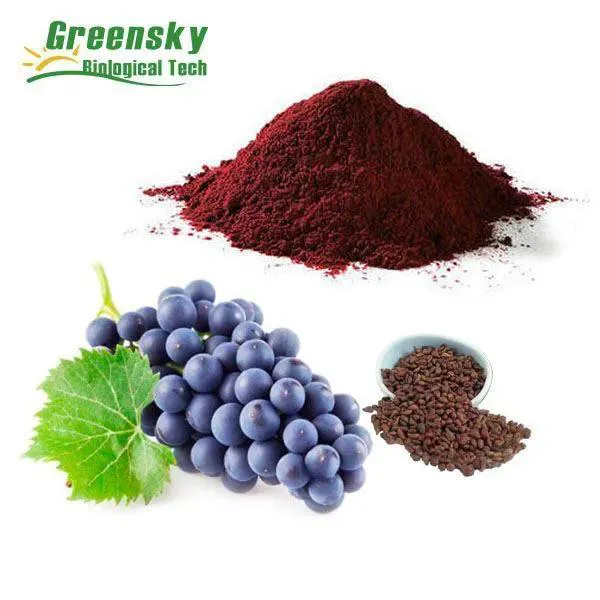
Grape Seed Extract
2026-08-19
-
Carrageenan Extract Powder
2026-08-19
-
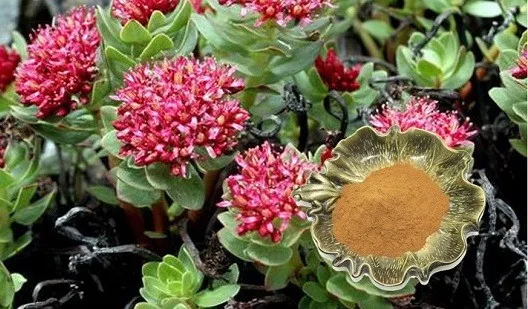
Rhodiola Rosea Extract
2026-08-19
-
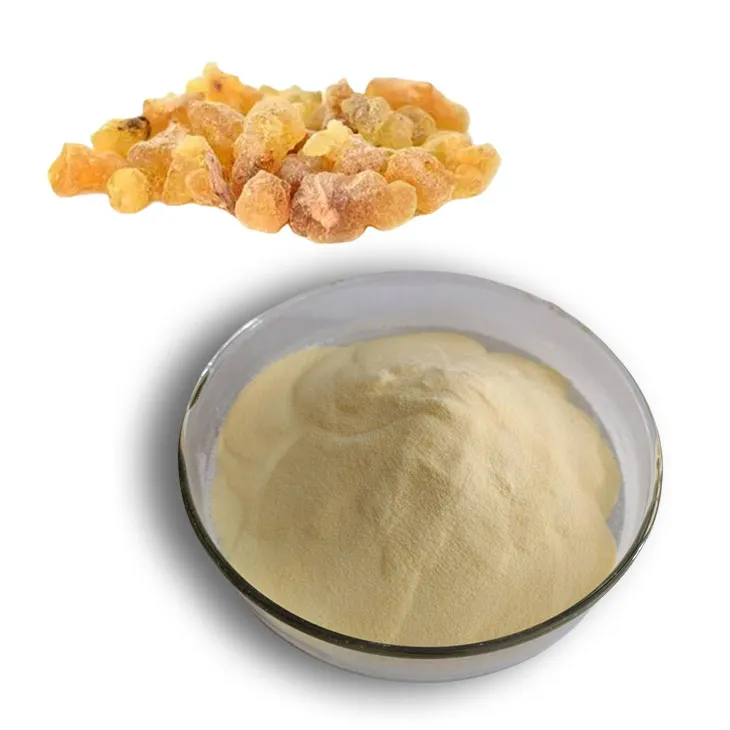
Boswellia Serrata Extract
2026-08-19
-
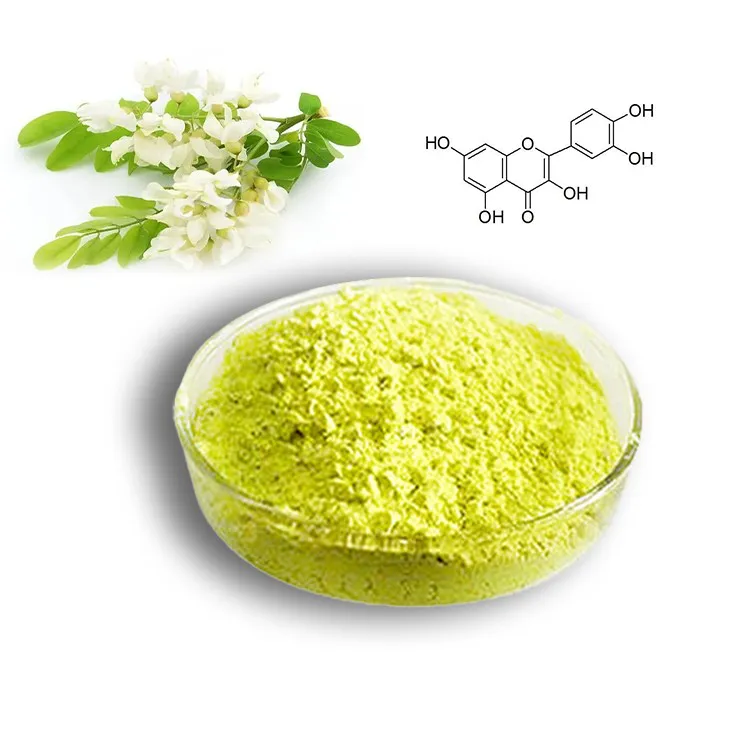
Quercetin
2026-08-19
-
White mustard seed extract
2026-08-19
-
Konjac Powder
2026-08-19
-
Avocado Extract Powder
2026-08-19
-
Mulberry leaf Extract
2026-08-19
-
Lion's Mane Mushroom Extract
2026-08-19