- 0086-571-85302990
- [email protected]






How do I ensure quality when buying wholesale astaxanthin?
2026-08-13
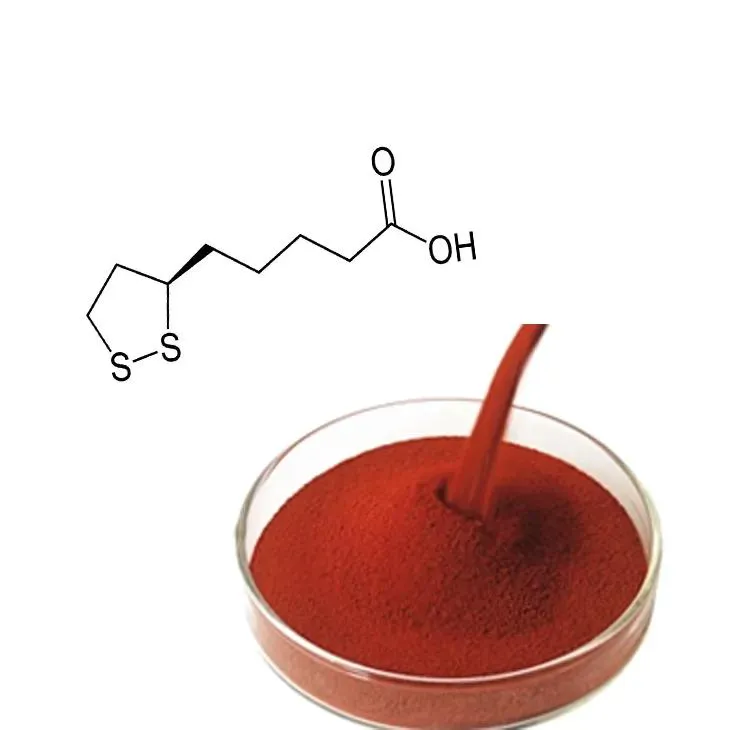
Buying Astaxanthin wholesale is different from buying a finished supplement off a shelf. You are not choosing a brand; you are choosing a raw material that will carry your product's reputation, pass regulatory review, and stay stable through months of storage and long-distance shipping. When an order is measured in kilograms rather than capsules, a small quality gap becomes a large commercial risk. Knowing exactly what to check before you commit saves you from costly rework, rejected batches, and disappointed end customers.
This guide walks through the checks that matter most, so you can source with confidence rather than guesswork.
Start with the source: natural versus synthetic
Astaxanthin is a carotenoid produced naturally by microalgae. For human nutrition, the material you want is the natural form, which is widely recognized in supplements and clean-label products. Synthetic Astaxanthin, made from petrochemical starting materials, is used mainly in aquaculture feed and is not a substitute for premium, human-grade material. When you talk to a supplier, ask them to state the origin of their astaxanthin plainly and to support that claim with documentation. A credible manufacturer will answer without hesitation.
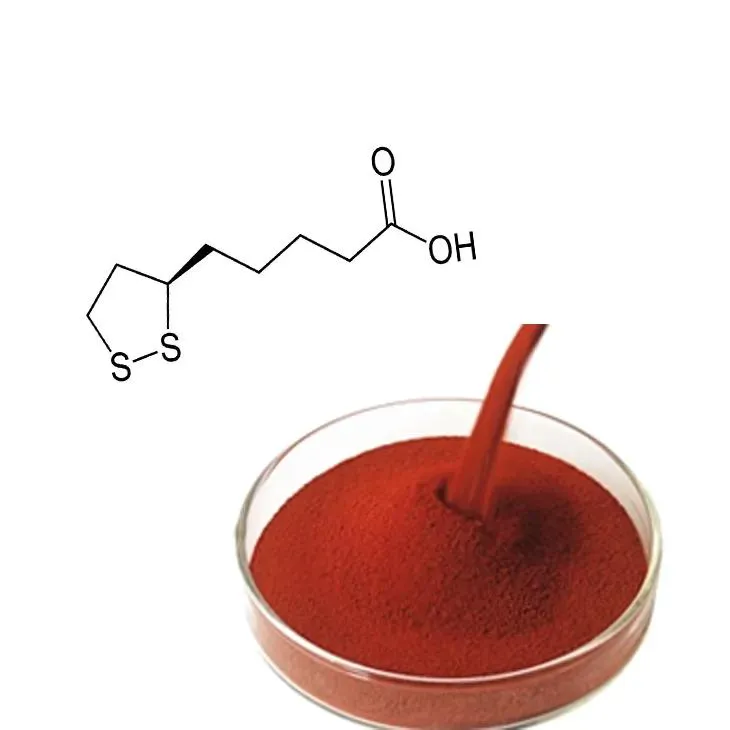
Match the form to your application
Astaxanthin is a delicate molecule, sensitive to heat, light, and oxygen, so it is supplied in several physical forms designed for different final products:
- Oleoresin for softgels and oil-based products, where the fat-soluble nature of astaxanthin is an advantage.
- Powder or beadlets for capsules, tablets, and dry premixes, where the material is protected against oxidation for a longer shelf life.
- Water-soluble powder for functional beverages and water-based formulations.
Confirm that the supplier's specification matches your delivery format and that the labelled potency is backed by a certificate of analysis. The right form is a quality factor in itself, because using the wrong form can hurt stability and bioavailability no matter how pure the batch is.
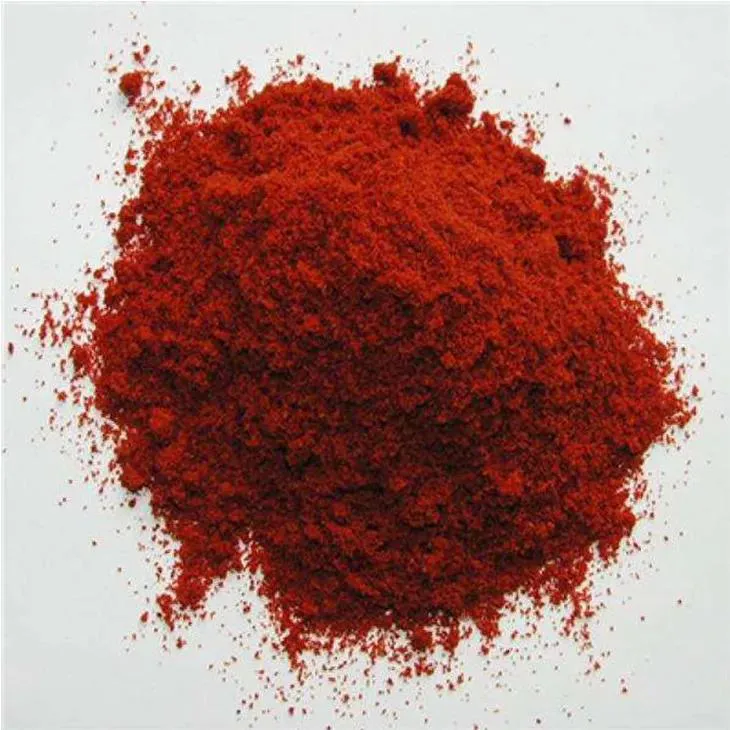
Verify the manufacturer's credentials and facilities
Quality in wholesale starts with the factory behind the powder. Three quick checks give you a reliable picture of any potential partner:
- Recognized certifications. Look for food-safety and quality management systems such as ISO22000, ISO9001, and GMP. For a manufacturer targeting global markets, additional credentials such as HALAL, Kosher, and organic certification are strong signals that production is controlled and audited.
- A clean production environment. A food-grade clean production area reduces the risk of contamination during processing. Ask about the standard of the production zone and whether it meets food-grade requirements.
- Independent testing capability. A manufacturer with its own laboratory equipped with instruments such as HPLC and GC can verify potency and purity in-house, which means faster, more reliable quality control than relying on third parties alone.
These factors are not decoration. They are the difference between consistent batches and unpredictable ones.
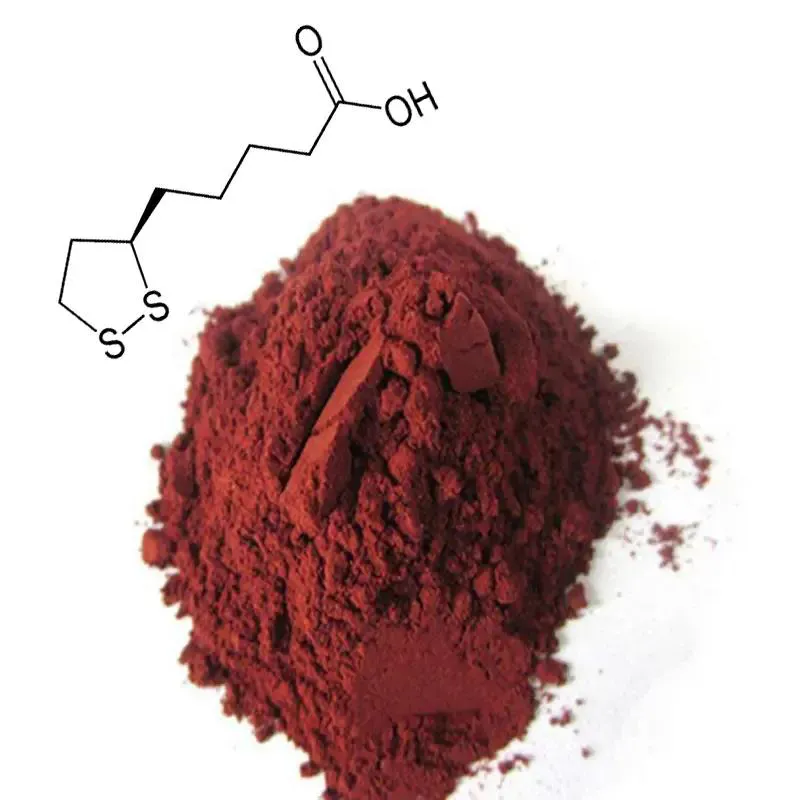
Demand the right documentation
A serious wholesale supplier should provide a certificate of analysis (CoA) for every batch, covering potency, heavy metals, microbiological safety, and solvent residues. For regulatory submissions in the US or Europe, you may also need a method of analysis, a material safety data sheet, stability data, and clear statements on GMO and irradiation status. A supplier who hesitates to share this documentation is a warning sign. Ask for it up front, and treat a complete document package as table stakes rather than a courtesy.
Check supply stability and scale
A single good batch is not a supply chain. Ask about annual production capacity, typical lead times, and whether the factory can scale with your growth. Vertical integration, where research, development, production, and sales sit within one group, makes it easier to keep quality consistent and to respond quickly when your needs change. A manufacturer with a track record of serving international markets is usually better equipped to handle the documentation and logistics that cross-border sourcing involves.
A practical checklist for first-time buyers
Before you place your first wholesale order, run through this short list:
- Confirm the astaxanthin is from a natural source and suitable for human nutrition.
- Choose the physical form that fits your final product and delivery format.
- Check the manufacturer's certifications and clean production standards.
- Request a CoA for every batch, including heavy metals and microbiology.
- Ask for stability data and recommended storage conditions.
- Clarify production capacity, lead times, and minimum order quantities.
- Request a sample for independent testing before committing to volume.
Why buy from an experienced astaxanthin manufacturer
Experience shows up in the details. A manufacturer like Greensky, founded in 2004 in Hangzhou, has spent more than twenty years identifying, researching, and producing active botanical ingredients. Its five subsidiaries span the full chain from research and development to production and sales, and in 2023 its export value reached nearly 30 million US dollars, with main markets in Europe, the United States, South Korea, and Russia. The company holds certifications including ISO22000, BRCGS, SGS-GMP, ISO9001, HALAL, and Kosher, and operates its own laboratory equipped with GC, HPLC, and UV instruments alongside a 100,000-class clean production area. That combination of scale, certification, and in-house testing is exactly what a buyer wants to see when sourcing astaxanthin wholesale.
Throughout this article, the guidance is the same whether you are a procurement manager, a formulation specialist, or a brand owner: verify the source, match the form, check the credentials, demand the documents, and test before you trust. Working with a reputable astaxanthin supplier that can document its quality gives you a foundation you can build a product on, instead of a risk you have to manage.
Frequently asked questions
What is the minimum order quantity for wholesale astaxanthin?
Minimum order quantities vary by specification and form. Contact the supplier directly to discuss the volume that fits your production scale, and request a sample for independent testing before you commit to a larger order.
How should bulk astaxanthin be stored?
Astaxanthin is sensitive to heat, light, and oxygen. Store bulk material in its original sealed packaging in a cool, dry place away from direct sunlight, following the storage conditions stated on the certificate of analysis. Ask the supplier for specific recommendations for the form you purchase.
Can a manufacturer provide documentation for US or EU regulatory submissions?
A reputable supplier should provide a certificate of analysis, method of analysis, material safety data sheet, and stability data to support regulatory filings. Confirm the full document package before you finalize your order.
TAGS:
- ▶ Hesperidin
- ▶ Citrus Bioflavonoids
- ▶ Plant Extract
- ▶ lycopene
- ▶ Diosmin
- ▶ Grape seed extract
- ▶ Sea buckthorn Juice Powder
- ▶ Fruit Juice Powder
- ▶ Hops Extract
- ▶ Artichoke Extract
- ▶ Mushroom extract
- ▶ Astaxanthin
- ▶ Green Tea Extract
- ▶ Curcumin
- ▶ Horse Chestnut Extract
- ▶ Other Product
- ▶ Boswellia Serrata Extract
- ▶ Resveratrol
- ▶ Marigold Extract
- ▶ Grape Leaf Extract
- ▶ New Product
- ▶ Aminolevulinic acid
- ▶ Cranberry Extract
- ▶ Red Yeast Rice
- ▶ Red Wine Extract
- ▶ blog
-
Artichoke Leaf Extract
2026-08-13
-
Camu Camu Extract
2026-08-13
-
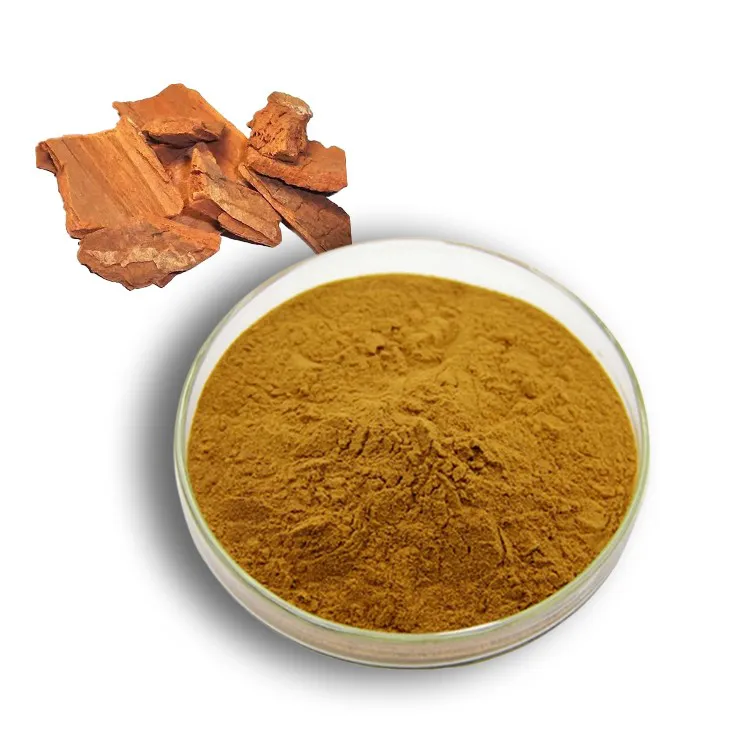
Yohimbine Bark Extract
2026-08-13
-
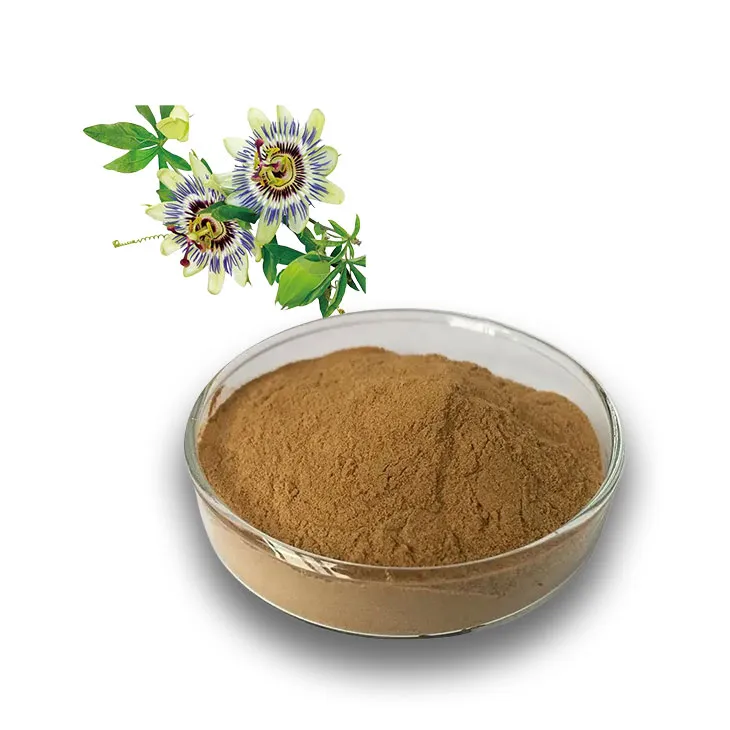
Passionflower Extract
2026-08-13
-
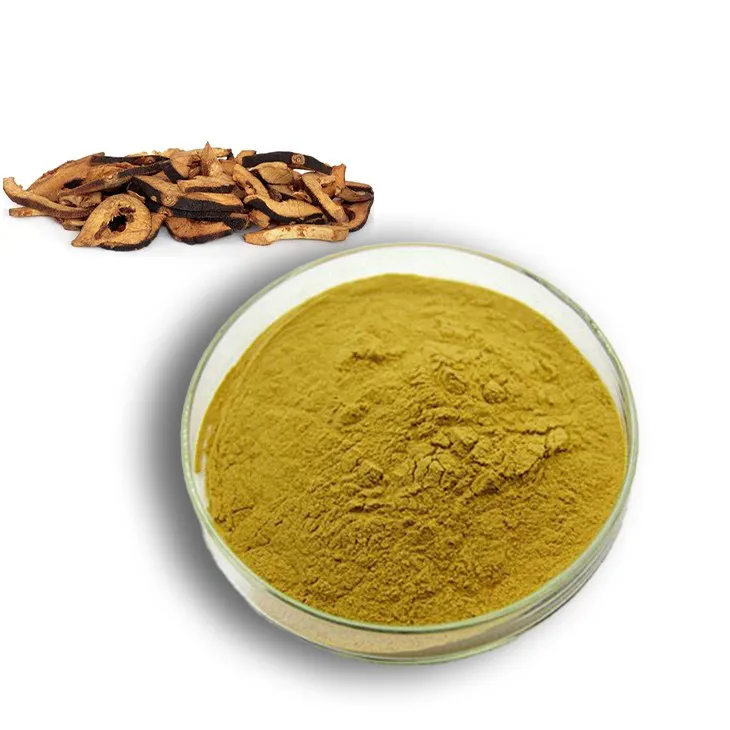
Citrus Aurantium Extract
2026-08-13
-
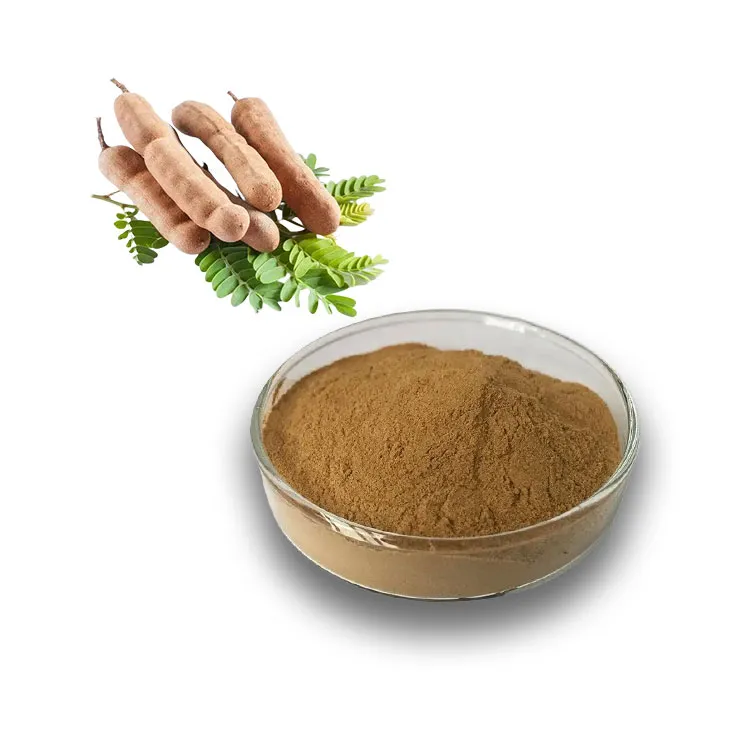
Tamarind extract powder
2026-08-13
-
Acerola Extract
2026-08-13
-
Astaxanthin
2026-08-13
-
Lemon Extract
2026-08-13
-
Avocado Extract Powder
2026-08-13
