- 0086-571-85302990
- [email protected]






How do I choose the best grape seed extract supplement?
2026-08-15
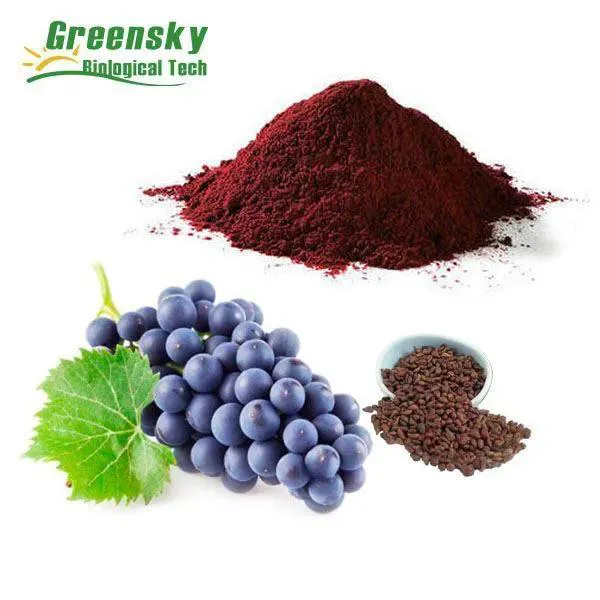
Grape Seed Extract is one of the most studied botanical ingredients on the market, valued for its concentrated antioxidants and its support for cardiovascular, skin, and vein health. But because the category is crowded with products of very different quality, asking "how do I choose the best Grape Seed Extract supplement?" is a fair question. The answer comes down to a few concrete, verifiable factors: standardization, raw material sourcing, manufacturing quality, and transparent testing. Whether you are a consumer building a daily routine or a business sourcing grape seed extract supplements in bulk, the same principles apply.
Understand what makes Grape Seed Extract effective
The active compounds in grape seed extract are a group of polyphenols called oligomeric proanthocyanidins (OPCs). These are the molecules responsible for most of the ingredient's antioxidant activity and its support for collagen, circulation, and healthy veins. A quality extract is processed to hold a consistent, meaningful level of these compounds, which is why standardization matters more than bottle size or marketing language.
Look for an extract standardized to a clearly stated percentage of proanthocyanidins or polyphenols, typically around 95%. When a manufacturer discloses this number on the certificate of analysis, you know each batch delivers a reliable dose. Products that rely on vague phrases such as "high potency" or "concentrated" without a number should be treated with caution, because batch-to-batch variation can be significant.
Check the source and the processing chain
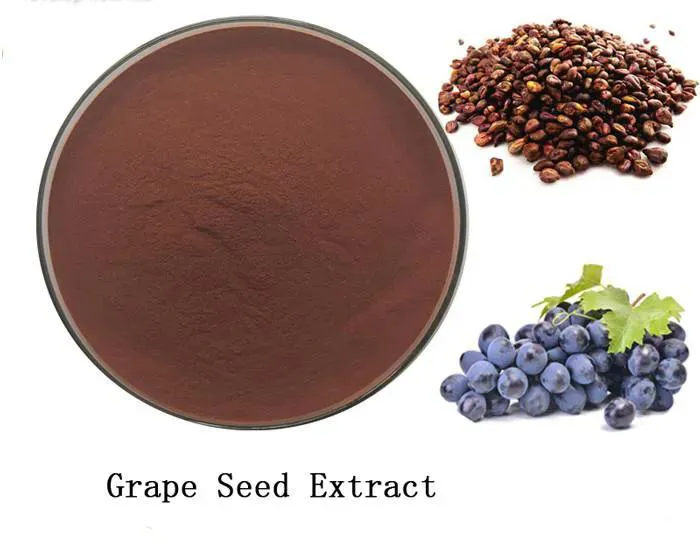
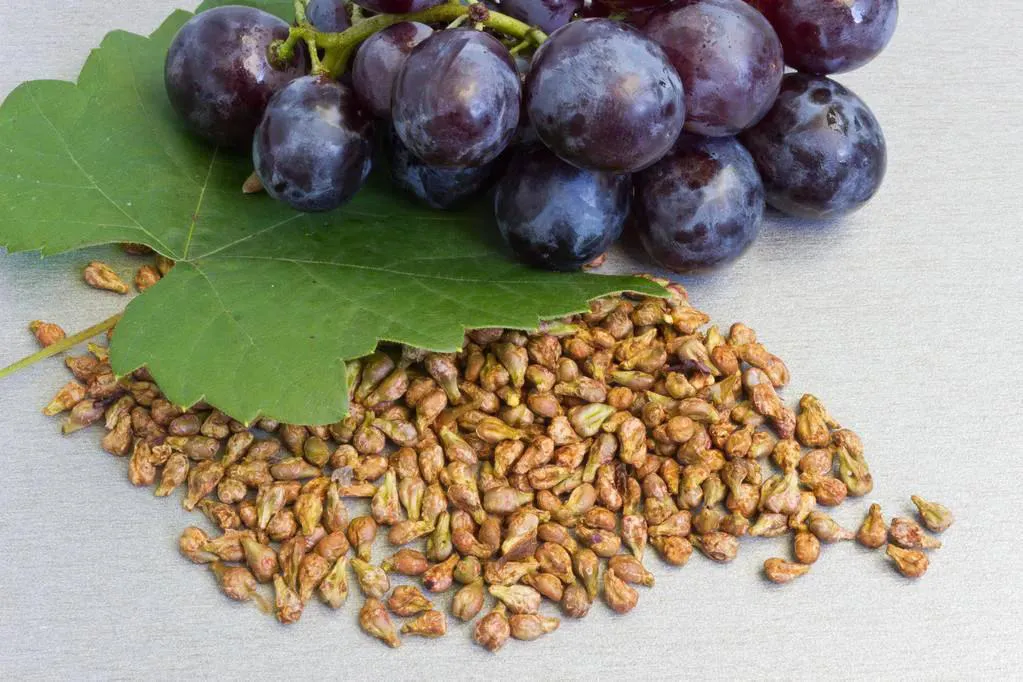
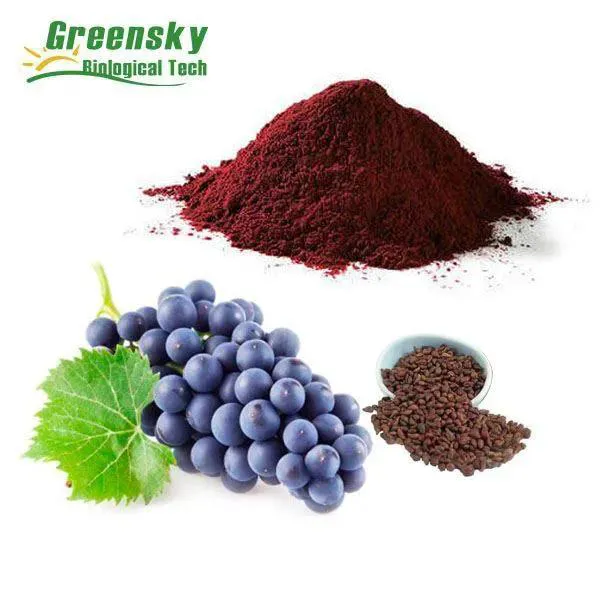
Not all grape seeds are equal. The quality of the final extract depends heavily on where the seeds come from and how carefully they are processed. A responsible supplier should be able to trace the raw material and explain the extraction, concentration, and drying steps used. This is especially important if you are sourcing grape seed extract powder, because the handling of the raw seeds and the extraction conditions directly affect the final OPC content and purity.
Reputable manufacturers operate with full vertical integration—research, development, production, and quality control under one roof—so that sourcing and processing are tightly controlled. Clean production environments, independent laboratories, and documented procedures all reduce the risk of contamination and inconsistency.
Verify manufacturing quality and certifications
Behind every reliable supplement is a facility that follows strict quality standards. When choosing a supplier of grape seed extract, confirm that production takes place in a clean, food-grade environment and that the company holds recognized certifications. Credentials such as ISO22000, GMP, HALAL, Kosher, and organic certification give concrete evidence that the operation is audited and compliant. Independent laboratory equipment such as GC, HPLC, and UV analysis is a strong sign that the manufacturer verifies identity, purity, and potency rather than assuming them.
Ask for a certificate of analysis for each batch. Transparent documentation covering the standardization percentage, heavy metals, and microbial limits tells you far more than any label claim. A manufacturer that readily shares this data is usually a manufacturer with nothing to hide.
Choose the right form for your application
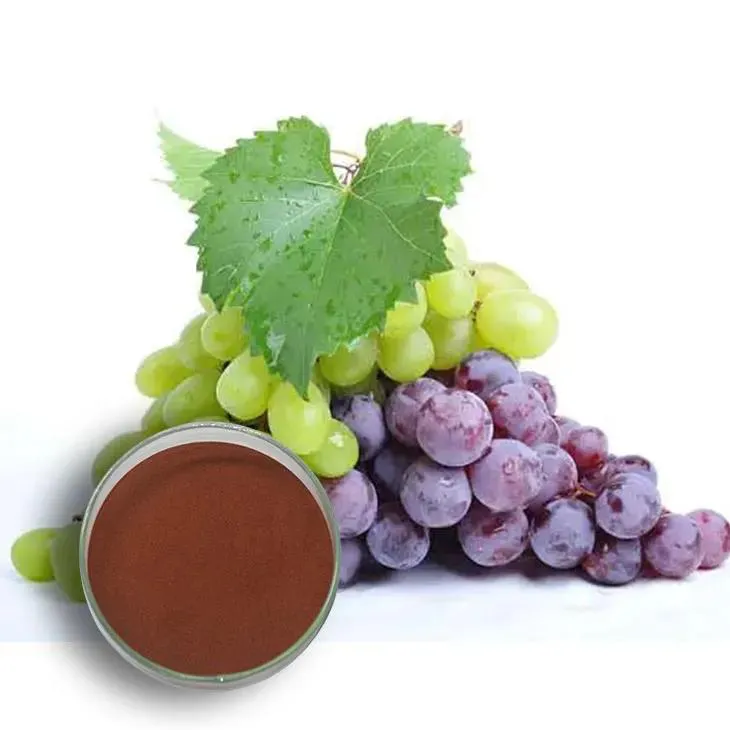
Grape seed extract is available in capsules and as a loose powder, and each form serves a different purpose. Capsules suit consumers who want convenience and a pre-measured daily dose, while powder offers flexibility for blending into beverages or for use as a raw material in formulations and contract manufacturing. If you are a formulator or a brand owner, bulk powder is the starting point for building your own finished product, so the form you choose should match your end use.
- Standardization: choose an extract with a stated OPC or polyphenol percentage, ideally around 95%.
- Sourcing: prefer suppliers that can trace the raw grape seeds and explain their extraction process.
- Certifications: look for ISO, GMP, HALAL, Kosher, and organic credentials backed by audits.
- Testing: request a certificate of analysis covering potency, heavy metals, and microbials.
- Form: match capsules or powder to your target user and application.
Work with a manufacturer you can trust
For businesses, choosing the best grape seed extract often means choosing the right supplier rather than a single bottle on a shelf. Experienced grape seed extract manufacturers combine clean production, laboratory verification, and global export documentation so that buyers can move from inquiry to a compliant, consistent supply. With over two decades in the botanical extracts industry and export markets across Europe, the United States, South Korea, and Russia, companies that take an integrated, documented approach to production make it far easier to select a high-quality grape seed extract with confidence.
Frequently asked questions
What is a good daily dose of grape seed extract?
Most formulations and studies fall in the range of 100–400 mg of standardized extract per day. Start at the lower end and follow the manufacturer's instructions, and check with a healthcare professional if you take blood-thinning medication or have upcoming surgery.
Can grape seed extract be combined with other antioxidants?
It pairs well with vitamin C and E. Because it may influence blood clotting, anyone on anticoagulants should consult a doctor before adding it to a routine.
Is powder or capsules better?
Neither is inherently better. Capsules are convenient for daily use; powder offers dosing flexibility and serves as a raw ingredient for formulations. Choose the form that fits your goal.
Final thoughts
Choosing the best grape seed extract supplement does not have to be guesswork. Focus on a clearly standardized extract, a traceable source, documented manufacturing quality, and transparent testing. When you weigh those factors honestly, you can confidently select a product that delivers meaningful antioxidant support—whether you are filling your own supplement routine or sourcing quality raw material for yours.
TAGS: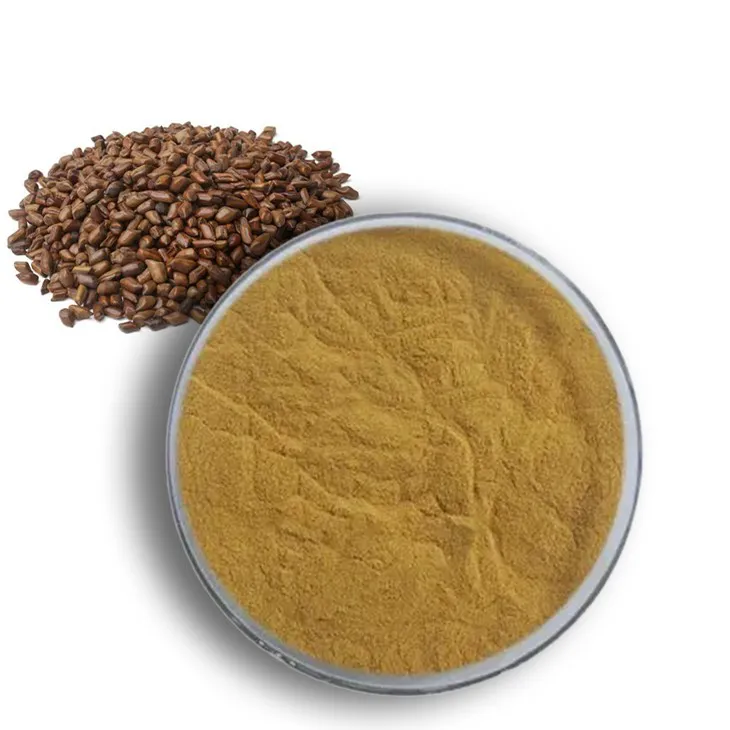
- ▶ Hesperidin
- ▶ Citrus Bioflavonoids
- ▶ Plant Extract
- ▶ lycopene
- ▶ Diosmin
- ▶ Grape seed extract
- ▶ Sea buckthorn Juice Powder
- ▶ Fruit Juice Powder
- ▶ Hops Extract
- ▶ Artichoke Extract
- ▶ Mushroom extract
- ▶ Astaxanthin
- ▶ Green Tea Extract
- ▶ Curcumin
- ▶ Horse Chestnut Extract
- ▶ Other Product
- ▶ Boswellia Serrata Extract
- ▶ Resveratrol
- ▶ Marigold Extract
- ▶ Grape Leaf Extract
- ▶ New Product
- ▶ Aminolevulinic acid
- ▶ Cranberry Extract
- ▶ Red Yeast Rice
- ▶ Red Wine Extract
- ▶ blog
-
Liposomal NMN
2026-08-15
-
Konjac Powder
2026-08-15
-
Selenium yeast
2026-08-15
-
Citrus bioflavonoids
2026-08-15
-
Garcinia Cambogia Extract
2026-08-15
-
Sea buckthorn Juice Powder
2026-08-15
-
Magnolia Bark Extract
2026-08-15
-
Saw Palmetto Extract
2026-08-15
-
Mulberry leaf Extract
2026-08-15
-
Marigold Extract
2026-08-15
