We have five factories and 23 years of experience in plant extracts
- 0086-571-85302990
- [email protected]




How do I choose the best astaxanthin for my health needs?
2026-08-16
Related Product
Astaxanthin
We are a professional plant extract manufacturer in China, focusing on the R&D and production of Astaxanthin extract, providi
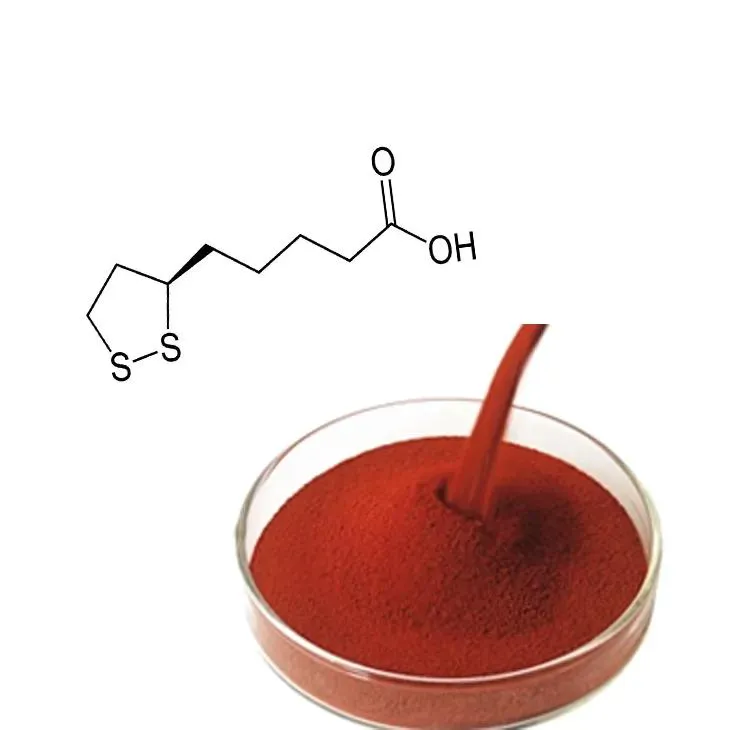
Astaxanthin has earned a loyal following among people who care about skin, eyes, energy, and healthy aging — and for good reason. It is a natural carotenoid that gives salmon, trout, and flamingos their pink color, and it packs a much stronger antioxidant punch than most of the vitamins people are used to. But here is the catch: not all Astaxanthin is the same. The market is full of products that differ widely in source, purity, form, and quality. So how do you choose the best Astaxanthin for your health needs? This guide breaks down the factors that actually matter, whether you are picking a daily supplement for yourself or sourcing raw material for a product line.
What is astaxanthin and why does it matter?
Astaxanthin is a fat-soluble antioxidant produced naturally by the microalga Haematococcus pluvialis. When the alga is placed under stress, it produces astaxanthin as a protective shield — and that same protective power is what makes it useful to humans. Because it is fat-soluble, it can move through cell membranes and support tissues throughout the body, including the skin, eyes, and cardiovascular system.
Over the years, astaxanthin has been widely studied for its role in protecting skin from everyday damage, supporting visual comfort, promoting cardiovascular health, and helping the immune system respond normally. The benefits you can realistically expect depend heavily on the quality of the astaxanthin you choose — which is exactly why the selection process deserves close attention.
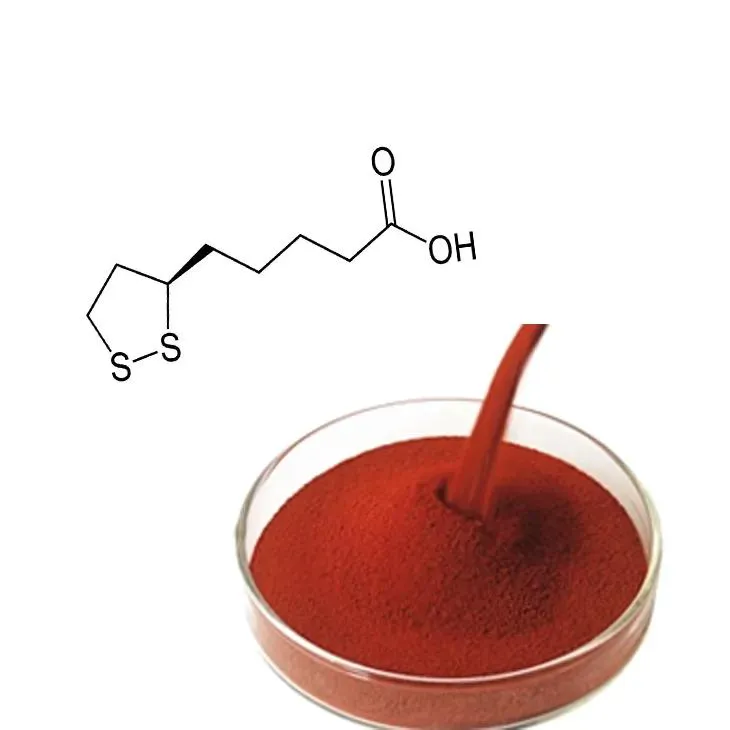
Key factors to consider when choosing astaxanthin
A few clear criteria separate a well-made astaxanthin product from a poor one. Keep these in mind whether you are buying a finished supplement or a raw ingredient.
- Natural source over synthetic. Natural astaxanthin derived from microalgae is the form used in most human research and is generally preferred for dietary use. Synthetic astaxanthin, made in a laboratory, is not the same as the natural form and is typically used differently. Always confirm the source before you commit.
- Purity and concentration. A high-quality astaxanthin product states its active content clearly. If you are sourcing raw material for manufacturing, the purity profile and assay documentation matter even more, because they determine how the ingredient can be used and labeled.
- The right form for your goal. Astaxanthin is fat-soluble, so a supplement usually needs a carrier oil to be absorbed well. For manufacturers, astaxanthin is more commonly supplied as a standardized bulk powder or beadlet that can be formulated into capsules, tablets, or liquids. Think about what you actually need before you buy.
- Testing and certification. Reliable astaxanthin should be backed by certificates of analysis and, for food or supplement use, by recognized quality certifications. This is not a nice-to-have — it is the difference between a trustworthy ingredient and a gamble.
- Consistent supply and documentation. Especially for businesses, a supplier who can provide stable quality, traceability, and export documentation is far more valuable than one who only offers a low price.
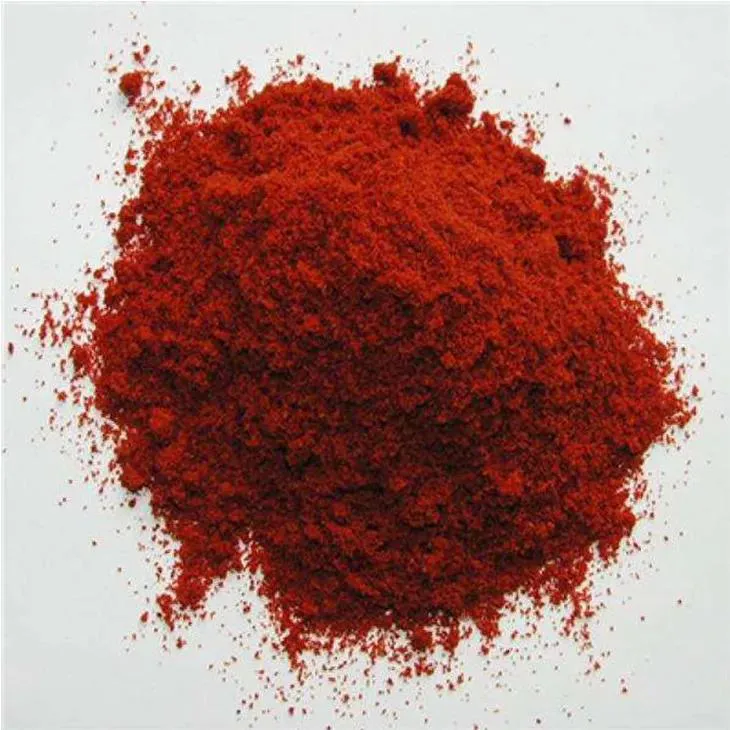
Common mistakes buyers make
Most problems with astaxanthin come down to a few avoidable mistakes. Sourcing purely on price often leads to low-purity material or unclear provenance. Assuming every "astaxanthin" is natural can lead you to a synthetic product. Ignoring a supplier's documentation means you have no way to verify what you are actually receiving. And for first-time users, starting with a reasonable dose and checking how your body responds is wiser than jumping to a maximum amount immediately.
For most people, the sensible approach is to start within the commonly studied daily range, pair the dose with food containing fat to improve absorption, and stay consistent for several weeks before judging results. Astaxanthin builds up gradually in the body, so consistency matters more than a one-time large dose.
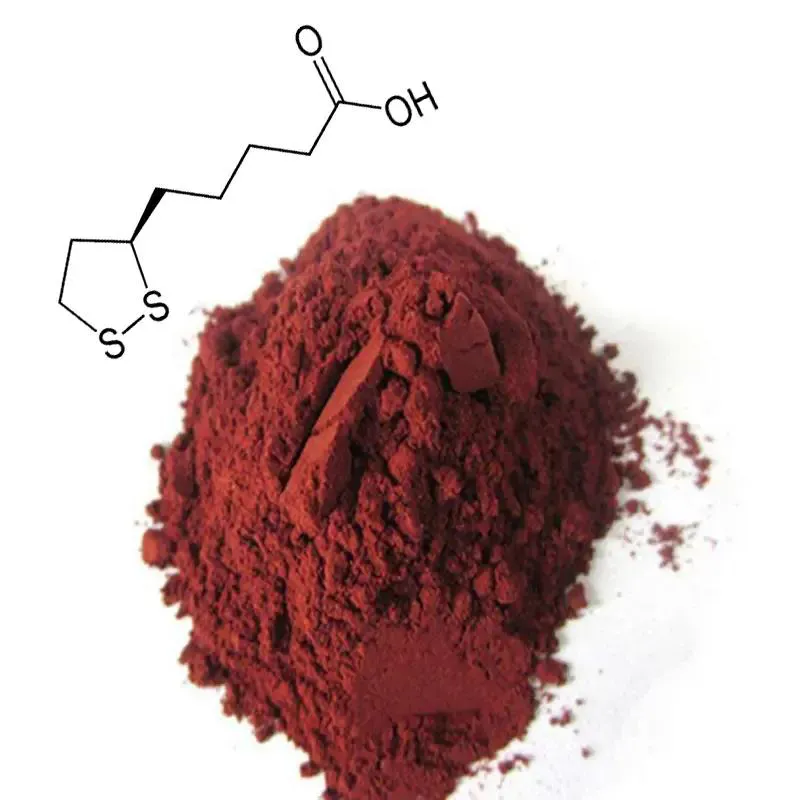
Why the supplier behind your astaxanthin matters
Behind every good astaxanthin product is an ingredient that was grown, extracted, and tested properly. That is why choosing a reliable astaxanthin manufacturer and supplier is part of choosing the best astaxanthin for your needs. A trusted manufacturer gives you confidence in purity, consistency, and safety — and it gives product developers a stable foundation to build on.
Greensky, a natural plant extract manufacturer founded in 2004 and headquartered in Hangzhou, China, is one example of a producer built around this kind of quality. With five wholly-owned subsidiaries and full vertical integration, the group handles research, development, production, and sales under one roof. Its independent laboratory is equipped with GC, HPLC, and UV instruments for testing, and its food-grade production area meets clean-room requirements. The company holds certifications including ISO22000, BRCGS, SGS-GMP, ISO9001, HALAL, and Kosher, and it provides export registration and documentation to support regulatory submissions worldwide. For buyers who need dependable, documented astaxanthin — whether in bulk or in finished formulations — working directly with a manufacturer who controls the whole process removes a lot of the guesswork.
Frequently asked questions
How much astaxanthin should I take?
The amount that fits you best depends on your goal, your body, and the product's concentration. Most clinical studies have used doses in the range of 4 to 12 mg per day, with 12 mg being a common target for general wellness. It is always wise to follow the label on your chosen product and to talk with a healthcare professional, especially if you have an existing condition or take medication.
Should I take astaxanthin with food?
Yes. Because astaxanthin is fat-soluble, taking it with a meal that contains some fat helps your body absorb it more effectively. A consistent daily routine is the best way to see steady results over time.
Is natural astaxanthin better than synthetic?
For dietary and supplement use, natural astaxanthin from microalgae is the form used in most human research and is generally regarded as the better choice. If you are sourcing for a product line, ask your astaxanthin supplier to confirm the source and provide the relevant documentation.
How quickly will I notice a difference?
Astaxanthin works gradually rather than overnight. Many people who take it daily report noticeable changes over a matter of weeks, but the timeline varies from person to person and depends on the health area in question. Consistency and patience are key.
The bottom line
The best astaxanthin for your health needs is the one that matches your goal, comes from a natural and well-tested source, and is built on quality raw material. Pay attention to the source, the purity, the form, and the testing behind the product. And whether you are buying a supplement for yourself or sourcing ingredients for a product, choose a manufacturer and supplier you can trust. With the right foundation, astaxanthin can be a valuable addition to a healthy lifestyle.
TAGS:
FAQ
- ▶ Hesperidin
- ▶ Citrus Bioflavonoids
- ▶ Plant Extract
- ▶ lycopene
- ▶ Diosmin
- ▶ Grape seed extract
- ▶ Sea buckthorn Juice Powder
- ▶ Fruit Juice Powder
- ▶ Hops Extract
- ▶ Artichoke Extract
- ▶ Mushroom extract
- ▶ Astaxanthin
- ▶ Green Tea Extract
- ▶ Curcumin
- ▶ Horse Chestnut Extract
- ▶ Other Product
- ▶ Boswellia Serrata Extract
- ▶ Resveratrol
- ▶ Marigold Extract
- ▶ Grape Leaf Extract
- ▶ New Product
- ▶ Aminolevulinic acid
- ▶ Cranberry Extract
- ▶ Red Yeast Rice
- ▶ Red Wine Extract
- ▶ blog
Recommended Products
-
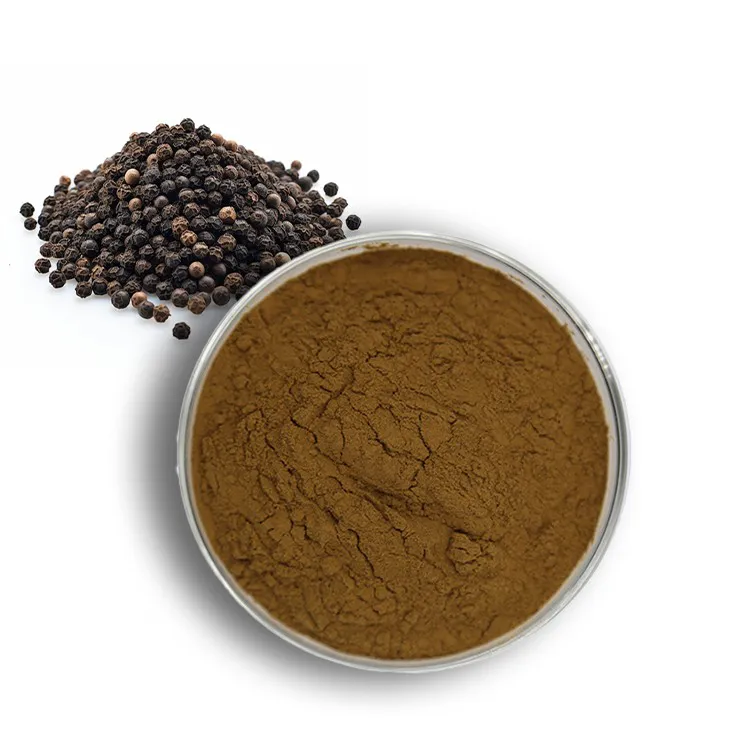
Black Pepper Extract
2026-08-16
-
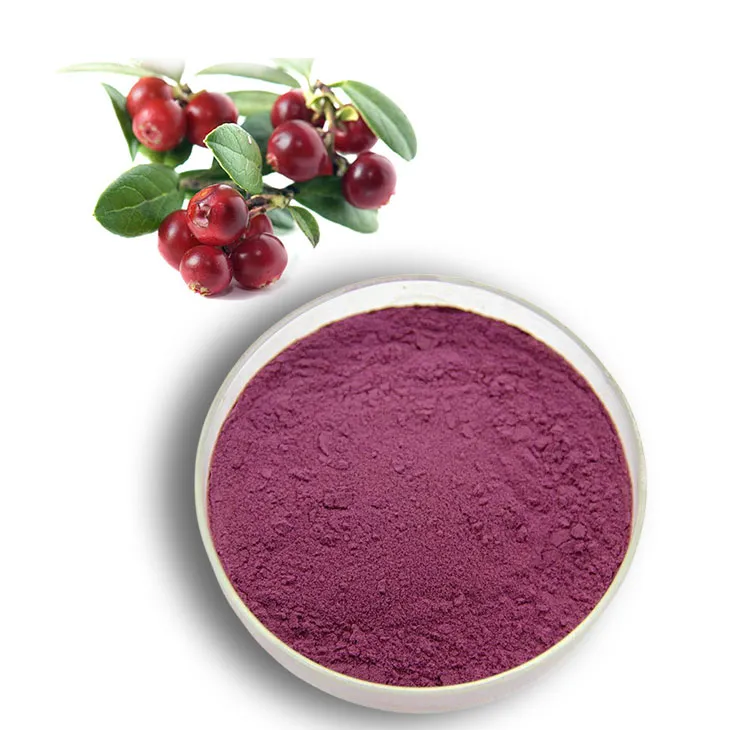
Bilberry Extract
2026-08-16
-
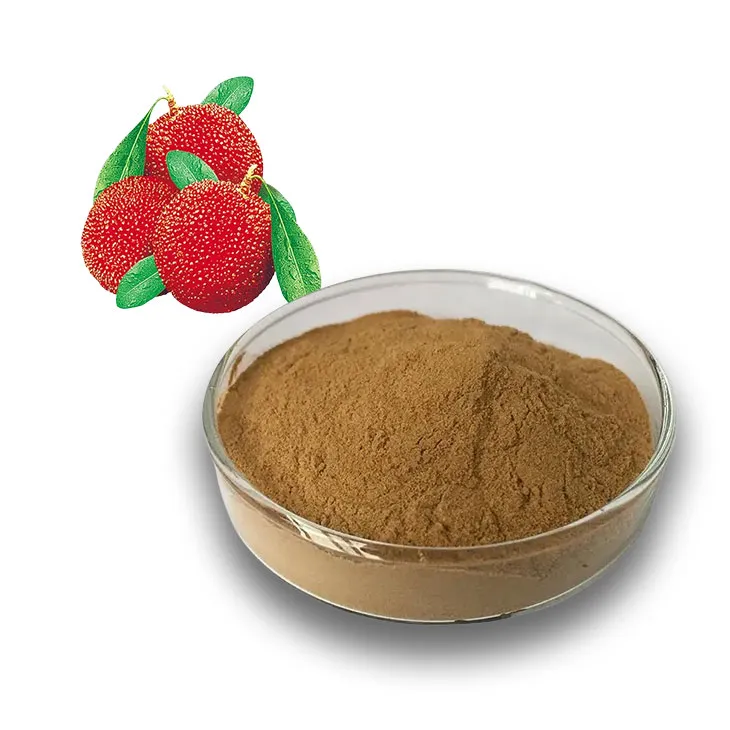
Bayberry Extract
2026-08-16
-
Astaxanthin
2026-08-16
-
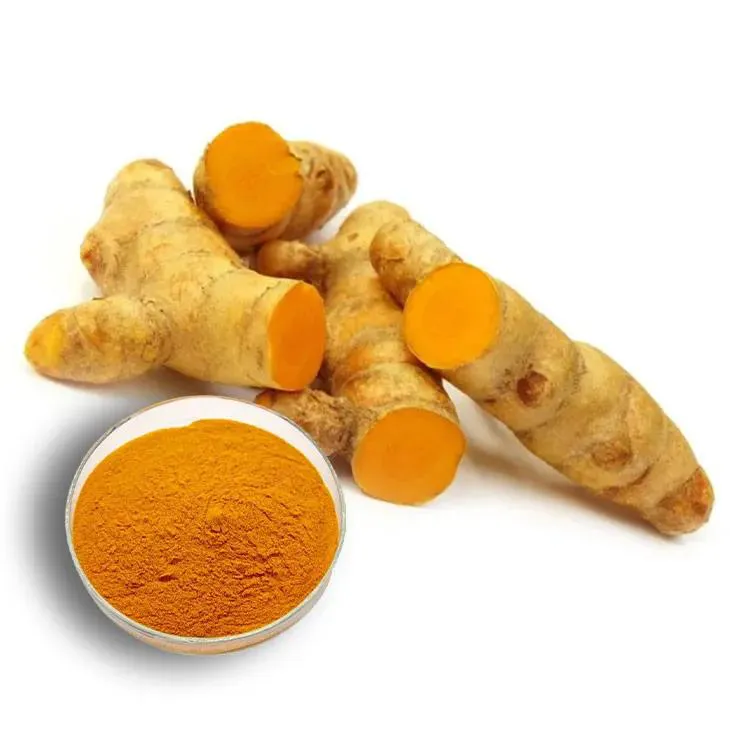
Curcumin
2026-08-16
-
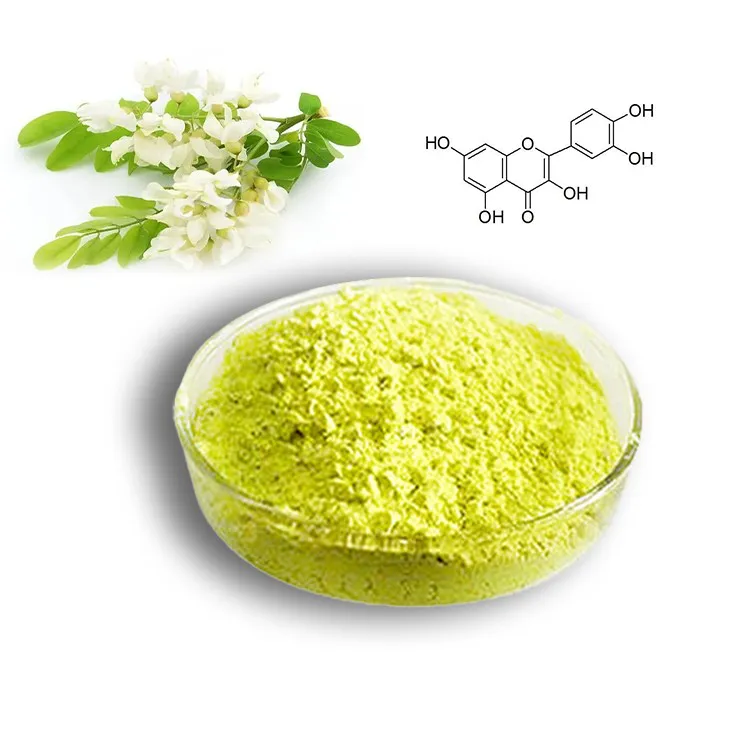
Quercetin
2026-08-16
-
Acai Berry Extract
2026-08-16
-
Medicinal Marshmallow Extract
2026-08-16
-
Epimedium extract powder
2026-08-16
-
Diosmin
2026-08-16
Get a Quote