- 0086-571-85302990
- [email protected]




How do I choose a plant extract for weight loss for my formulation?
2026-08-15
Choosing the right plant extract for a weight-loss formulation is one of the most important decisions a product developer makes. The market is crowded, the evidence base varies widely from one ingredient to the next, and the extract you pick will influence everything from the claim you can put on the label to the taste, texture, and stability of the finished product. This guide walks through the practical steps for selecting a plant extract for weight management, from defining your mechanism of action to checking standardization, solubility, and supplier credentials.
Start with the mechanism you want to support
Weight-management ingredients work through different pathways, and no single extract does everything. Before you start comparing suppliers, decide which mechanism best fits your product concept:
- Thermogenesis and metabolism support — Green Tea Extract (catechins, especially EGCG) and green coffee bean extract (chlorogenic acid and caffeine) are the most widely used options in this category.
- Appetite and satiety support — Konjac Powder (glucomannan, a soluble fiber that expands in the stomach) and garcinia cambogia extract (hydroxycitric acid, or HCA) are commonly positioned here.
- Carbohydrate and starch management — kidney bean extract contains alpha-amylase inhibitors that can slow the breakdown of dietary starch.
- Blood sugar balance — bitter melon extract and cassia seed extract are often included in weight-management blends for their traditional use in supporting healthy glucose metabolism.
- Calorie reduction — Stevia Extract delivers sweetness with virtually no calories, making it a natural fit for sugar-reduced formulations.
Many successful weight-management formulas combine two or three complementary mechanisms rather than relying on a single ingredient. A common example is pairing Green Tea Extract for thermogenesis with kidney bean extract for starch management, so the formula supports energy expenditure and carbohydrate handling at the same time.
Know the key weight-management extracts
Once you have defined the mechanism, it helps to understand the active compounds and the evidence behind the most common botanicals used in weight-loss products:
Green tea extract is standardized for catechins, most notably epigallocatechin gallate (EGCG). It is among the most studied botanicals for supporting thermogenesis and fat oxidation, and it is a staple of metabolism-focused formulas.
Green coffee bean extract is valued for its chlorogenic acid content, which has been investigated for its role in supporting metabolism and glucose handling. Because it is unroasted, it retains more of these polyphenols than regular roasted coffee.
Garcinia cambogia extract is derived from the peel of the tropical garcinia fruit and is rich in hydroxycitric acid (HCA). It is widely used in weight-loss supplements for its potential to support appetite control and inhibit the conversion of carbohydrates into fat.
Kidney bean extract comes from Phaseolus vulgaris seeds and contains alpha-amylase inhibitors, which may help reduce the digestion and absorption of starch from meals.
Lotus leaf extract is a traditional botanical with a long history of use in weight management, and it remains a popular ingredient in modern herbal blends.
Konjac Powder is rich in glucomannan, a highly viscous soluble fiber that promotes a feeling of fullness, making it a practical choice for satiety-focused products.
Stevia extract contains steviol glycosides that are many times sweeter than sugar while contributing almost no calories, which makes it an ideal tool for reducing sugar content in weight-management foods and beverages.
Check standardization and quality markers
The single most important quality question is standardization. A good supplier guarantees a specific percentage of the active compound in every batch, so your formula performs consistently from one production run to the next. For example, if you are sourcing Green Tea Extract for its EGCG, you want a clearly stated catechin or EGCG specification rather than a generic extract with an unknown profile.
Every batch should be backed by a certificate of analysis covering heavy metals, microbial contamination, residual solvents, and pesticide residues. Ask for this documentation before you commit to a supplier, and confirm that the same standard is applied to every lot you receive.
Match the extract to your dosage form
An extract that works beautifully in one format can be difficult to handle in another, so consider the solubility and physical properties of the ingredient against your target dosage form:
- Capsules and tablets — dry, free-flowing powders with consistent particle size are easiest to encapsulate and compress.
- Beverages and liquid tonics — water-soluble extracts are essential, and you will also need to plan for taste masking, since many botanicals have a bitter or earthy flavor.
- Powders and sachets — pay attention to hygroscopicity and particle size, which affect how the powder dissolves and how stable it stays on the shelf.
If you are unsure which form suits your base, ask the supplier for guidance and request samples of each specification so you can run small test batches before scaling up.
Plan for regulatory and labeling reality
Weight-loss products sit in a carefully regulated space. Keep your label claims as structure-function statements rather than disease claims, and make sure the serving size delivers a meaningful dose of the active compound. A reliable supplier will provide the documentation you need for global regulatory submissions, including export registration and technical files, which saves considerable time when you register the finished product in different markets.
Choose a supplier you can verify
The quality of your finished product depends heavily on the reliability of your raw material partner. Look for a manufacturer with verifiable credentials rather than a trading company with no production of its own. Key things to check:
- Relevant certifications such as ISO22000, BRCGS, HALAL, Kosher, and GMP.
- An in-house laboratory equipped with GC, HPLC, and UV instruments for routine quality control.
- Vertical integration from raw material sourcing through extraction and production, which gives you better traceability and more control over quality.
- Willingness to provide samples, custom specifications, and batch documentation before you place a large order.
A plant extract supplier with its own production facilities and a documented quality system will be able to answer these questions quickly and back them up with paperwork.
Final thoughts
Selecting a plant extract for a weight-loss formulation comes down to three questions: which mechanism does your product concept need, which extract delivers that mechanism with a standardized active compound, and which supplier can prove the quality of what they sell. Answer those three questions, and you will have a solid foundation for a formula that is effective, stable, and ready for the market.
- ▶ Hesperidin
- ▶ Citrus Bioflavonoids
- ▶ Plant Extract
- ▶ lycopene
- ▶ Diosmin
- ▶ Grape seed extract
- ▶ Sea buckthorn Juice Powder
- ▶ Fruit Juice Powder
- ▶ Hops Extract
- ▶ Artichoke Extract
- ▶ Mushroom extract
- ▶ Astaxanthin
- ▶ Green Tea Extract
- ▶ Curcumin
- ▶ Horse Chestnut Extract
- ▶ Other Product
- ▶ Boswellia Serrata Extract
- ▶ Resveratrol
- ▶ Marigold Extract
- ▶ Grape Leaf Extract
- ▶ New Product
- ▶ Aminolevulinic acid
- ▶ Cranberry Extract
- ▶ Red Yeast Rice
- ▶ Red Wine Extract
- ▶ blog
-
Ivy Extract
2026-08-15
-
Andrographis Paniculata Extract Powder
2026-08-15
-
Feverfew Extract
2026-08-15
-
Polygonum Cuspidatum Extract
2026-08-15
-
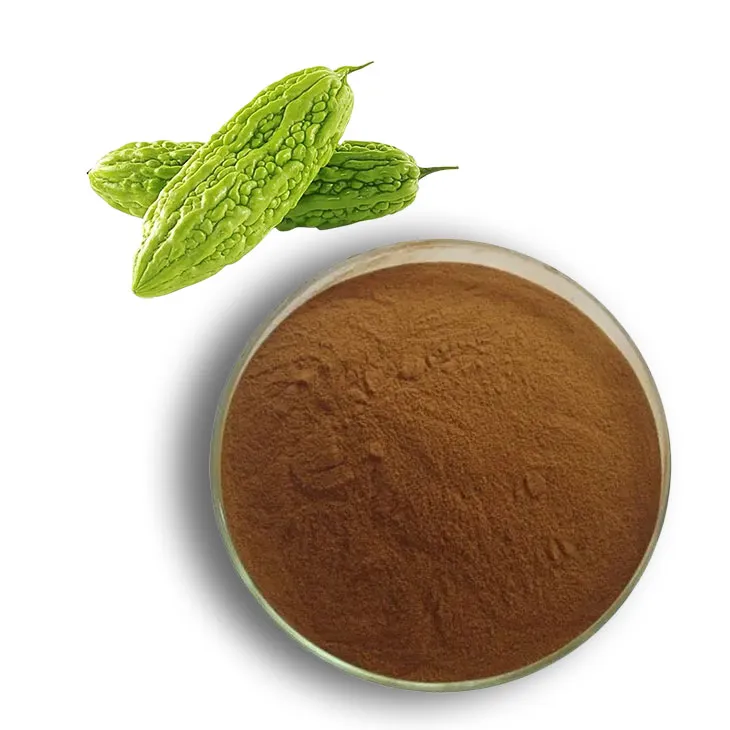
Bitter Melon Extract
2026-08-15
-
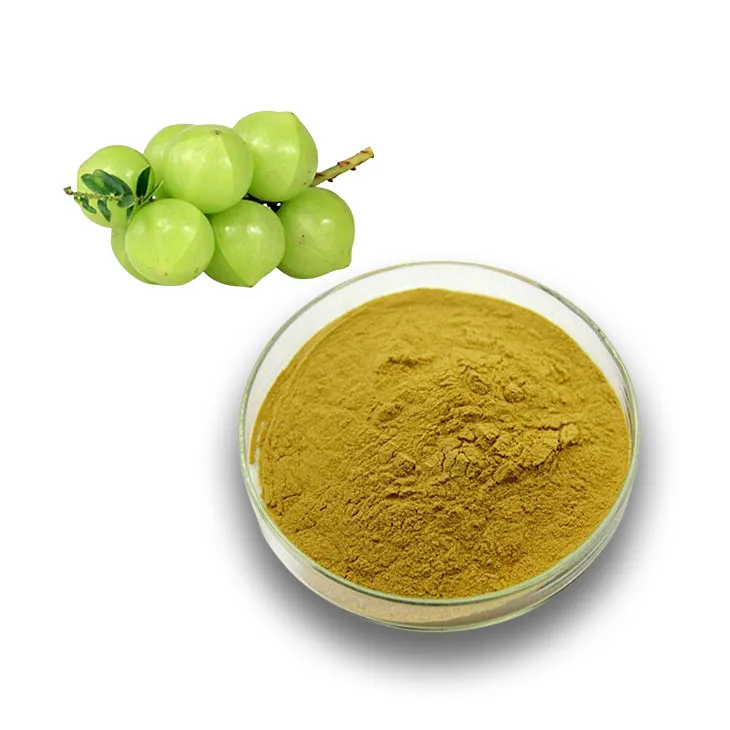
Phyllanthus Emblica Extract
2026-08-15
-
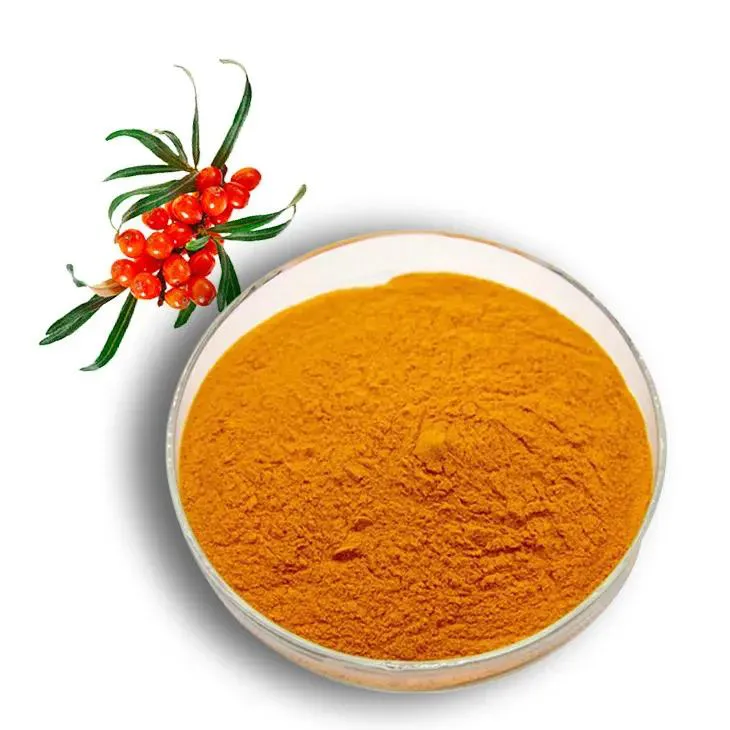
Sea buckthorn Juice Powder
2026-08-15
-
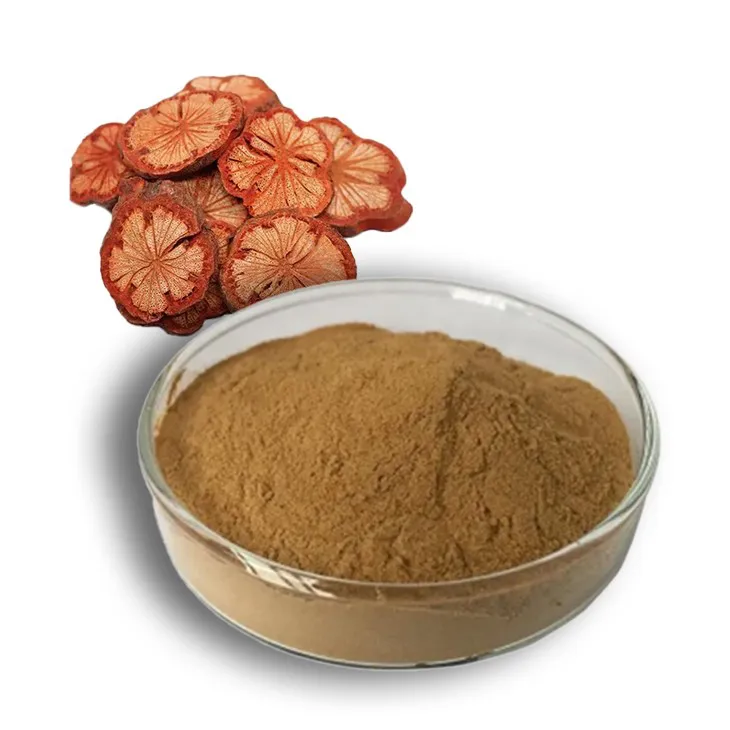
Red Vine Extract
2026-08-15
-
5-HTP (5-Hydroxytryptophan)
2026-08-15
-
Red Date Extract
2026-08-15