- 0086-571-85302990
- [email protected]





How do I build a long-term relationship with a plant extract supplier?
2026-08-14
Few decisions shape a food, supplement, or cosmetic brand more quietly than the choice of a raw-material partner. The extracts you buy become the backbone of every finished product, and the supplier behind them can either lift your brand or quietly undermine it. Yet in the plant extract industry, where buyers and manufacturers work across time zones and regulatory systems, the difference between a one-off transaction and a durable partnership often comes down to deliberate choices. A long-term relationship with a plant extract supplier gives you consistent quality, stable supply, and a team that understands your specifications — none of which can be bought with a single purchase order.
This article is written from a practical, buyer-side perspective. It walks through the stages of building such a relationship: clarifying what you need, verifying a manufacturer's real capabilities, testing with a small order, communicating openly, collaborating on quality and innovation, and handling the inevitable hiccups. The goal is to turn a vendor into a partner who grows alongside your business.
Start by defining what a long-term partner must deliver
Before you approach any manufacturer, be honest about your own requirements. Plant extracts are not interchangeable goods, and the right supplier for one brand may be wrong for another. Ask yourself what matters most: Is batch-to-batch consistency the priority for a supplement line, or is cost the deciding factor for a nutrition powder? Do your products need food-grade certification, or do you also need GMP documentation for a pharmaceutical project? Do you anticipate rapid volume growth, or steady specialty orders?
Write these priorities down as a checklist before you start conversations. Note the non-negotiables — say, a specific certification or a guaranteed assay range — and separate them from the nice-to-haves. This clarity does more than filter candidates; it shows a manufacturer that you are serious and organized, which is exactly the kind of customer most suppliers want to keep. It also prevents you from selecting a partner on a single criterion like price and regretting the choice six months later.
Verify capabilities, not just promises
A polished website tells you little about production capacity or quality control. When you evaluate a candidate, dig into the factors that actually determine whether they can support you over years of orders. The strongest signals include a manufacturer's production depth, laboratory equipment, certifications, and regulatory documentation.
Certifications are a useful starting point but should be checked, not assumed. A dependable manufacturer will share its certification numbers and audit reports on request. For food and health ingredients, look for food-safety and quality systems such as ISO22000, BRCGS, and GMP; for international markets, Halal and Kosher certificates are often expected. For example, a manufacturer with a 100,000-class clean production area that meets food-grade requirements, running its own laboratory equipped with GC, HPLC, and UV instruments, is far better positioned to deliver consistent extracts than one that outsources every test. Export registration and the documentation needed for global regulatory submissions are another practical signal — they indicate a company that already serves demanding international buyers.
Production scale matters too. A supplier that controls its own extraction tanks, concentrators, and drying equipment, rather than buying and reselling finished extracts, can respond to your quality and volume needs more nimbly. Vertical integration — research, development, production, and sales within one group — is a strong indicator of a stable, long-term capable partner. A company that has operated for two decades and owns multiple subsidiaries across production and R&D is generally a safer long-term bet than a young trader.
Test with a trial order before committing
No amount of paperwork predicts real performance like a small first order. Place a modest trial order and evaluate it against concrete criteria: Did the extract arrive on time? Was the packaging secure and correctly labeled? Did the Certificate of Analysis match the assay and the active-compound content you requested? How quickly and clearly did the manufacturer respond to questions? This trial run tells you how the supplier behaves under real conditions — and how they handle a problem, should one arise.
A trial order also lets you verify the product works in your own formulation. The same extract can behave differently in a tablet, a powder, or a beverage, so confirming performance in your process is the only meaningful test. If the trial meets your standards, you have a basis for a larger, longer commitment. If it does not, you have learned the same lesson far more cheaply than through a full-scale contract.
Communicate like a partner, not a customer
Once a relationship begins, the habits you set early determine how far it lasts. Establish clear expectations from the start — lead times, delivery windows, packaging standards, and how quality issues will be reported. Put these in writing, but also discuss them. A manufacturer cannot read your mind, but it can adapt if you keep it informed.
Make communication routine rather than reactive. Schedule regular check-ins to review upcoming orders, forecast changes, and share your business direction. If you plan to grow a product line, tell them early so they can secure raw material and production capacity. If your volume will shrink for a season, say so rather than letting them assume. The suppliers who can support a brand's growth are the ones who hear about that growth before it becomes urgent.
Price is part of the conversation, but it should not be the whole story. Long-term relationships are built on fair, realistic terms for both sides. Pushing for a rock-bottom price on every order may sound smart, but it can pressure a manufacturer into cutting corners on raw material or testing. A better approach is to negotiate stable pricing in exchange for volume commitments, and to be transparent when your own cash flow or demand changes. Suppliers are far more willing to be flexible for a buyer who has been fair with them.
Collaborate on quality and innovation
Quality in plant extracts is a daily discipline, not a one-time check. Work with your supplier to define assay ranges, impurity limits, and the analytic methods used to verify each batch. Ask for the Certificate of Analysis with every shipment and compare it against agreed specifications. If a batch is out of spec, treat it as a joint problem to solve — review the testing data together, identify the root cause, and decide on corrective action — rather than a blame game. A manufacturer who takes responsibility and implements fixes is a keeper; one who dismisses concerns or repeats the same mistake is not.
Collaboration can also unlock innovation. Established manufacturers often know more about new ingredients, extraction techniques, and formulation behavior than a buyer ever will. Share the trends you see in your market — a shift toward cleaner labels, a demand for higher potency, an interest in a specific botanical — and ask whether they can develop or adjust a product to meet it. A manufacturer with in-house R&D can co-develop a custom extract or a tailored specification, which gives your brand something competitors cannot easily copy. For example, a supplier that produces functional ingredients such as red yeast rice with a controlled Monacolin K range, or that offers fruit juice powders for beverage developers, can bring unexpected value to your product roadmaps.
Handle problems as opportunities to build trust
Every long-term relationship will be tested. A storm delays a shipment, a batch fails a purity test, or a sudden surge in demand strains production. How you and the supplier respond in these moments defines the relationship far more than any smooth quarter.
When something goes wrong, start with the root cause rather than the blame. Ask what happened and what the plan is to get back on track, then work together on a solution — adjusting your schedule, prioritizing the order, or revisiting the specification. Suppliers remember the buyers who stayed constructive during a crisis, and they tend to reward them with priority service and better terms later. At the same time, be clear about your standards. Chronic unreliability is a red flag no partnership can survive, and ending a failing relationship respectfully protects your reputation and leaves the door open if circumstances change.
Treat the relationship as a long-term investment
Finally, remember that a supply partnership is made of people. The account manager, the quality team, and the production staff you deal with are the ones who will go the extra mile for a valued customer. Small gestures — a clear thank-you after a smooth season, honest feedback on a great batch, an update on how your product performed in the market — build goodwill that no contract can guarantee.
Beyond spreadsheets, measure the relationship by softer but telling signs. Do you feel confident raising concerns? Does the supplier proactively share risks and opportunities? Would you recommend them to a colleague? A plant extract manufacturer that answers these well is worth growing with.
Final thoughts
Building a long-term relationship with a plant extract company is not about finding a perfect supplier on paper. It is about building something together — clarity about your needs, verification of real capabilities, a trial that proves performance, honest communication, shared quality standards, fair terms, and the patience to handle problems well. When these elements come together, the partnership becomes more than a supply chain. It becomes a competitive advantage: reliable quality, stable supply, and a team that understands your business and helps it grow. Choose a partner with the right foundation, invest in the relationship consistently, and your brand will benefit from that decision for years.
TAGS:
- ▶ Hesperidin
- ▶ Citrus Bioflavonoids
- ▶ Plant Extract
- ▶ lycopene
- ▶ Diosmin
- ▶ Grape seed extract
- ▶ Sea buckthorn Juice Powder
- ▶ Fruit Juice Powder
- ▶ Hops Extract
- ▶ Artichoke Extract
- ▶ Mushroom extract
- ▶ Astaxanthin
- ▶ Green Tea Extract
- ▶ Curcumin
- ▶ Horse Chestnut Extract
- ▶ Other Product
- ▶ Boswellia Serrata Extract
- ▶ Resveratrol
- ▶ Marigold Extract
- ▶ Grape Leaf Extract
- ▶ New Product
- ▶ Aminolevulinic acid
- ▶ Cranberry Extract
- ▶ Red Yeast Rice
- ▶ Red Wine Extract
- ▶ blog
-
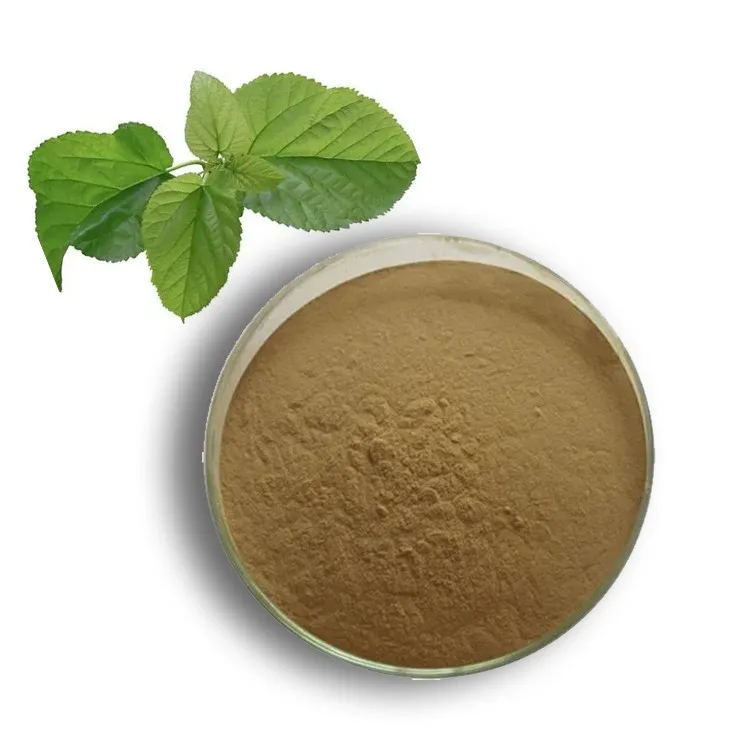
Mulberry leaf Extract
2026-08-14
-
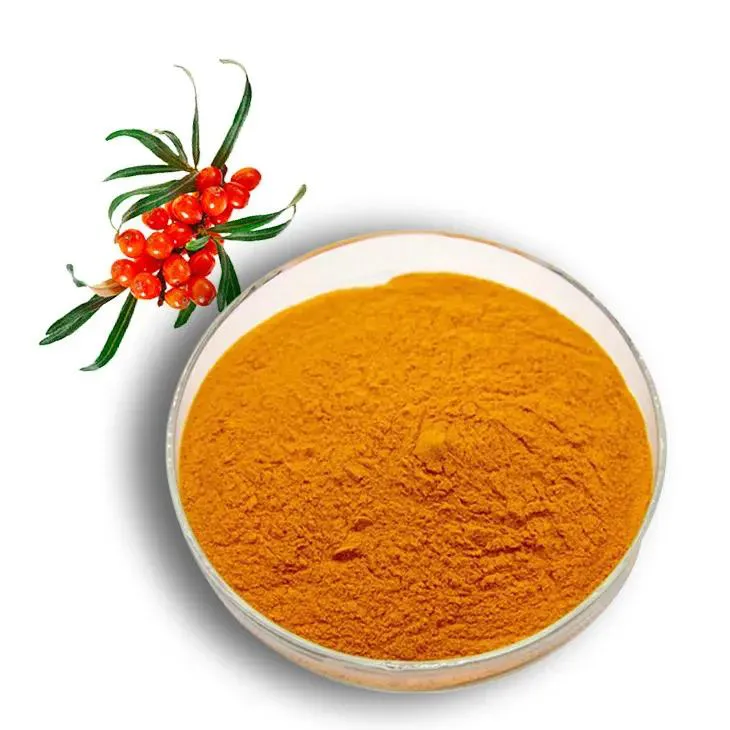
Sea buckthorn Juice Powder
2026-08-14
-
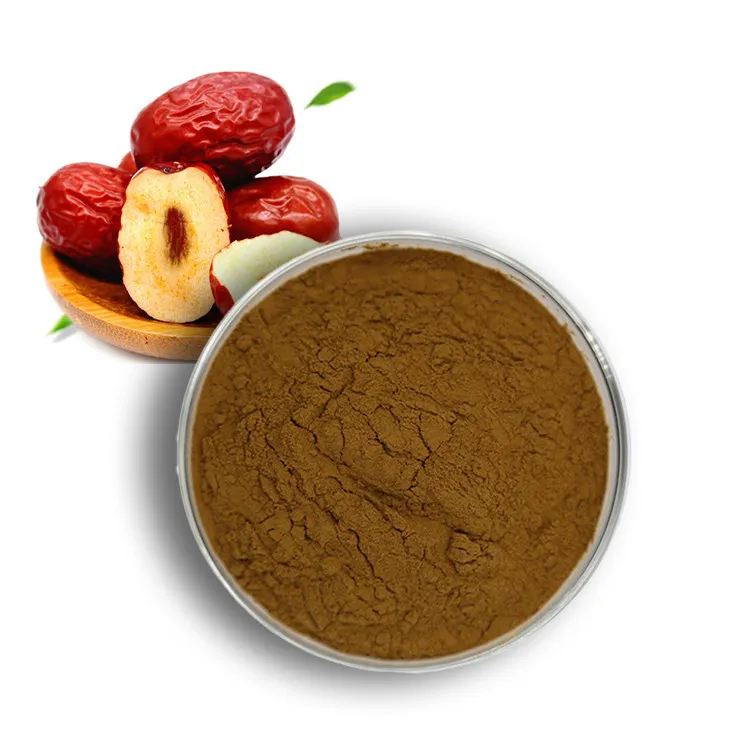
Jujube Extract
2026-08-14
-
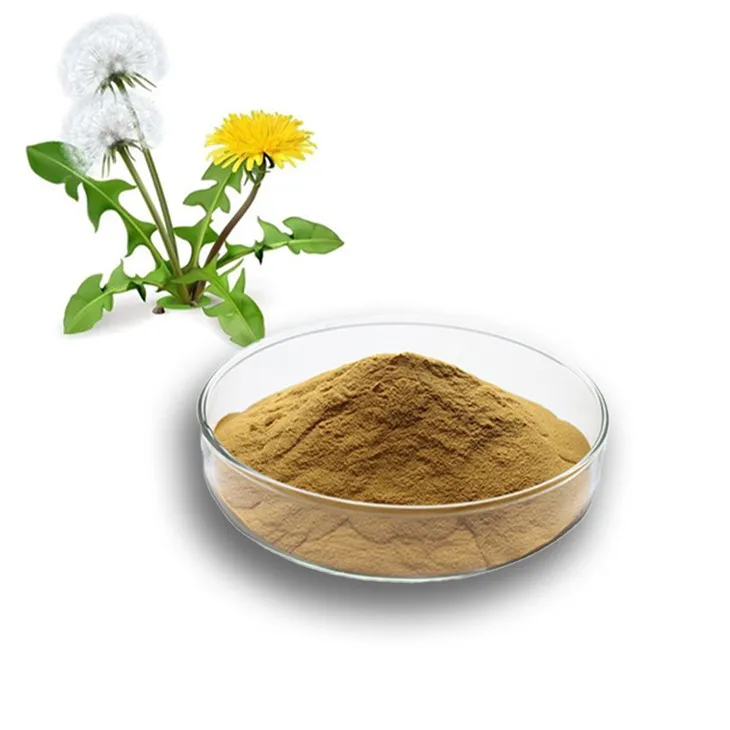
Dandelion Leaf Extract
2026-08-14
-
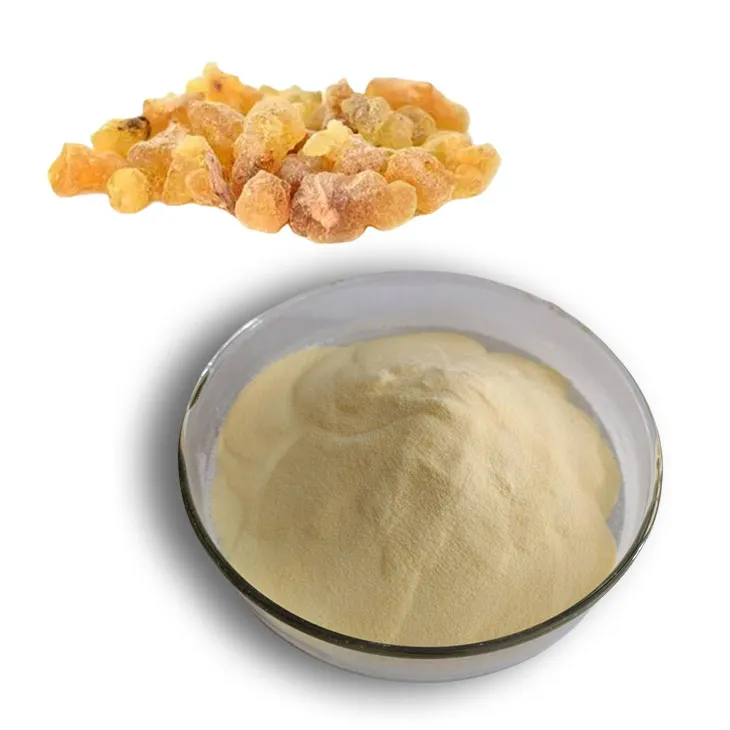
Boswellia Serrata Extract
2026-08-14
-
Fig Extract
2026-08-14
-
Konjac Powder
2026-08-14
-
Chaga Mushroom Extract
2026-08-14
-
Berberis aristata Extract
2026-08-14
-
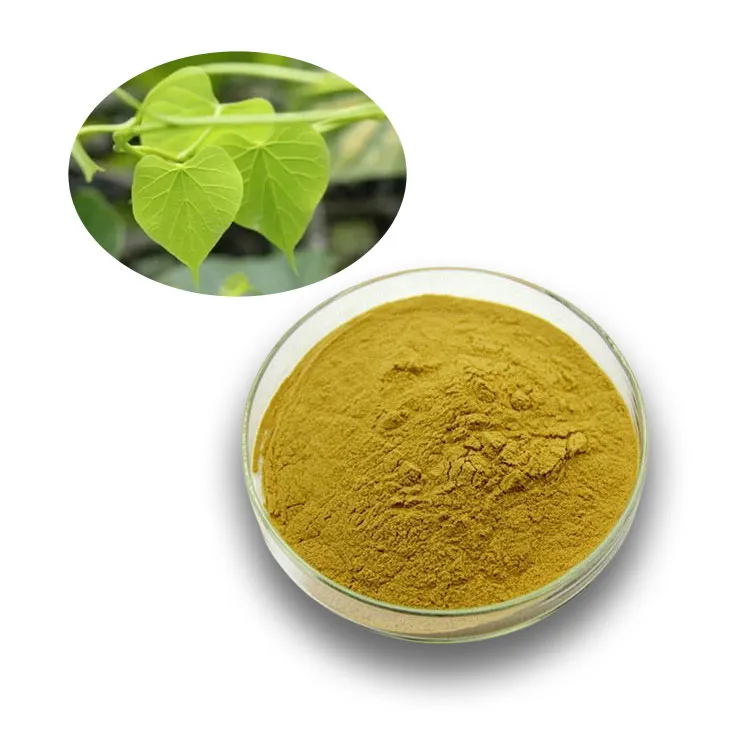
Tinospora cordifolia extract
2026-08-14