- 0086-571-85302990
- [email protected]






How can I shortlist reliable plant extracts manufacturers from overseas?
2026-08-14
Sourcing plant extracts from overseas manufacturers is a common strategy for supplement brands, cosmetic formulators, and food companies. Overseas suppliers, particularly those in China, often offer a wider range of botanical ingredients, stronger production capacity, and more competitive pricing than domestic options. But buying from a factory you may never visit comes with real risk: inconsistent quality, delayed shipments, or even ingredients that fail to meet your target market's regulations.
The good news is that a disciplined shortlisting process can remove most of that risk before you commit a single order. Instead of relying on the first quote you receive, you can narrow a long list of candidates down to a handful of trustworthy partners by checking a few key areas. This guide walks through the practical steps for shortlisting reliable plant extract manufacturers from overseas.
1. Build a broad candidate pool first
Shortlisting starts with a wide list. A good candidate pool usually comes from several sources at once: B2B sourcing platforms, international trade shows such as CPHI, Vitafoods, and SupplySide West, industry directories, and referrals from colleagues who already buy botanical ingredients. Casting a wide net matters because it gives you a baseline for comparing prices, lead times, and product ranges.
As you collect names, separate manufacturers from trading companies. A manufacturer owns its production lines and controls quality directly, while a trading company resells goods produced elsewhere, which adds a layer of uncertainty. You can usually tell the difference by checking whether the company has its own factory photos, production equipment, and laboratory facilities on its website. If a company claims to be a factory but cannot show its production floor, treat it as a trader until proven otherwise.
2. Verify certifications and batch documentation
Certifications are the fastest way to filter out weak candidates. Look for internationally recognized credentials such as ISO 22000 for food safety, ISO 9001 for quality management, GMP certification, organic certification from bodies like Ecocert, and religious certifications such as HALAL and Kosher if your market needs them. A manufacturer that holds these has passed third-party audits, which is far more reliable than a self-declared quality claim.
Do not stop at the certificate itself. Ask for a Certificate of Analysis (COA) for the specific batch you are considering, and check that the certification scope actually covers the product you want to source. A well-run manufacturer will provide COAs that list active compound concentration, heavy metal levels, microbial counts, and pesticide residues without hesitation. If a supplier is vague about its documentation, that is a clear reason to move it down your list.
3. Assess manufacturing capability and quality control
A reliable manufacturer should be able to produce your ingredient consistently at the scale you need. Ask about extraction methods, production capacity, and whether the facility can handle both small trial batches and large bulk orders. Clean production areas are a strong signal: a factory with a 100,000-class clean production area that meets food-grade requirements is built for consistent, contamination-free output.
In-house testing is equally important. Manufacturers that operate their own laboratories equipped with HPLC, GC, and UV instruments can verify every batch before it ships, rather than relying only on occasional third-party checks. Vertically integrated producers, who control everything from raw material sourcing to extraction and final testing, tend to deliver the most consistent results because fewer steps are outsourced.
4. Confirm regulatory and export support
When you buy from overseas, your supplier's regulatory knowledge becomes your regulatory knowledge. A capable manufacturer should be able to provide the export registration and documentation needed for global submissions, including COAs, MSDS sheets, and certificates of free sale. If you sell in the United States, the supplier should understand FDA expectations; if you sell in the European union, it should be familiar with EFSA requirements.
Ask specifically about documentation for customs clearance and product registration. A supplier that regularly exports to markets such as Europe, the United States, South Korea, and Russia will have established procedures for the paperwork your importers and regulators will request. This saves you from costly delays at customs and from reformulating a product that cannot be registered in your target market.
5. Verify the factory from a distance
You may not be able to fly to every factory, but you can still verify it. Video factory audits are a practical first step: ask the supplier to walk you through the production floor, the extraction equipment, the laboratory, and the warehouse in real time. For higher-value orders, commission a third-party inspection from firms such as SGS, Intertek, QIMA, or Bureau Veritas, which operate widely in China and can audit production capacity, quality systems, and working conditions on your behalf.
Independent sample testing is another powerful check. Send the supplier's sample to a reputable laboratory in your own country and compare the results with the COA. If the active compound levels match the claimed specification, the manufacturer is likely testing honestly. If they do not match, remove that candidate from your shortlist immediately.
6. Test communication and reliability
Distance makes communication quality a decisive factor. Send a detailed inquiry with specific questions about lead times, MOQs, testing, and documentation, then measure how long it takes the supplier to respond and how thorough the answer is. A slow or vague response during the sales stage is a preview of how the supplier will handle problems after you have paid.
Look for a dedicated account manager who knows your business and can explain technical details in plain language. A manufacturer that assigns one point of contact and keeps you informed about production progress and shipping is far easier to work with across time zones than one that disappears between emails.
7. Protect your payment terms
Payment safety is part of supplier reliability. Be cautious of any supplier that demands 100% payment upfront by wire transfer before you have seen a single batch. Established manufacturers typically accept more balanced terms, such as a reasonable deposit with the balance against shipping documents, or a letter of credit at sight for larger orders. Escrow services can also protect both sides during a first transaction.
Ask for an all-inclusive quote that states exactly what is covered: product price, packaging, testing, and shipping. Hidden charges that appear after the order is placed are a warning sign. A transparent quote from the start is the mark of a supplier that wants a long-term relationship rather than a one-time sale.
8. Compare, score, and start with a trial order
Once you have gathered information on all candidates, score them against the same criteria: certifications, manufacturing capability, testing protocols, regulatory support, communication, and price. A simple scoring matrix makes the comparison objective and prevents you from choosing on price alone. The cheapest quote is rarely the cheapest outcome once recalls, delays, and rejected shipments are factored in.
Finally, place a small trial order with your top candidate before committing to bulk volumes. A trial order lets you verify actual quality, packaging, lead time, and communication under real conditions. If the trial goes smoothly, you have found a partner; if it does not, you have lost only a small amount instead of a large one.
A practical example of what a reliable manufacturer looks like
To see what these criteria look like in practice, consider a vertically integrated plant extract supplier such as Hangzhou Greensky Biological Tech. Co., Ltd. Founded in 2004 and headquartered in Hangzhou, China, Greensky has more than 20 years of experience in developing and producing active botanical ingredients. The group operates five wholly-owned subsidiaries covering research, production, and sales, and its production facilities include a 100,000-class clean area, multi-ton extraction tanks, spray drying towers, and an independent laboratory equipped with GC, HPLC, and UV instruments.
Greensky holds ISO 22000, BRCGS, Ecocert Organic, SGS-GMP, ISO 9001, HALAL, and Kosher certifications, and maintains export registration and documentation for global regulatory submissions. Its catalog spans roughly 172 products, from functional red yeast rice and fruit juice powders to a wide range of botanical extracts, and its main export markets include Europe, the United States, South Korea, and Russia. These are exactly the kinds of signals a buyer should look for when shortlisting overseas china plant extract manufacturers.
Final thoughts
Shortlisting reliable plant extracts manufacturers from overseas does not require a perfect system, only a consistent one. Build a wide candidate pool, verify certifications and batch documentation, assess manufacturing capability, confirm regulatory support, verify the factory from a distance, test communication, protect your payment terms, and start with a trial order. Apply these steps to every candidate and you will consistently end up with suppliers you can build a business on.
- ▶ Hesperidin
- ▶ Citrus Bioflavonoids
- ▶ Plant Extract
- ▶ lycopene
- ▶ Diosmin
- ▶ Grape seed extract
- ▶ Sea buckthorn Juice Powder
- ▶ Fruit Juice Powder
- ▶ Hops Extract
- ▶ Artichoke Extract
- ▶ Mushroom extract
- ▶ Astaxanthin
- ▶ Green Tea Extract
- ▶ Curcumin
- ▶ Horse Chestnut Extract
- ▶ Other Product
- ▶ Boswellia Serrata Extract
- ▶ Resveratrol
- ▶ Marigold Extract
- ▶ Grape Leaf Extract
- ▶ New Product
- ▶ Aminolevulinic acid
- ▶ Cranberry Extract
- ▶ Red Yeast Rice
- ▶ Red Wine Extract
- ▶ blog
-
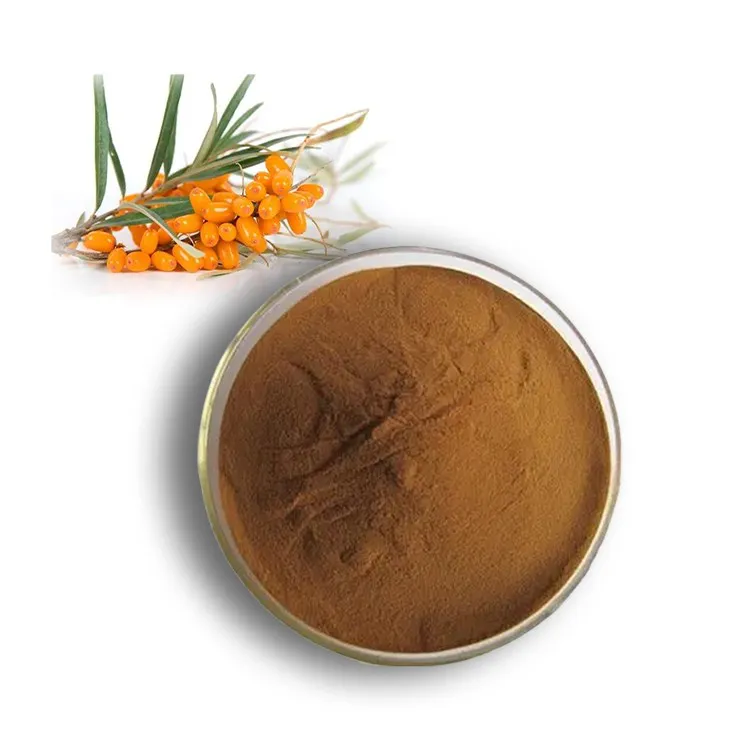
Buckthorn bark extract
2026-08-14
-
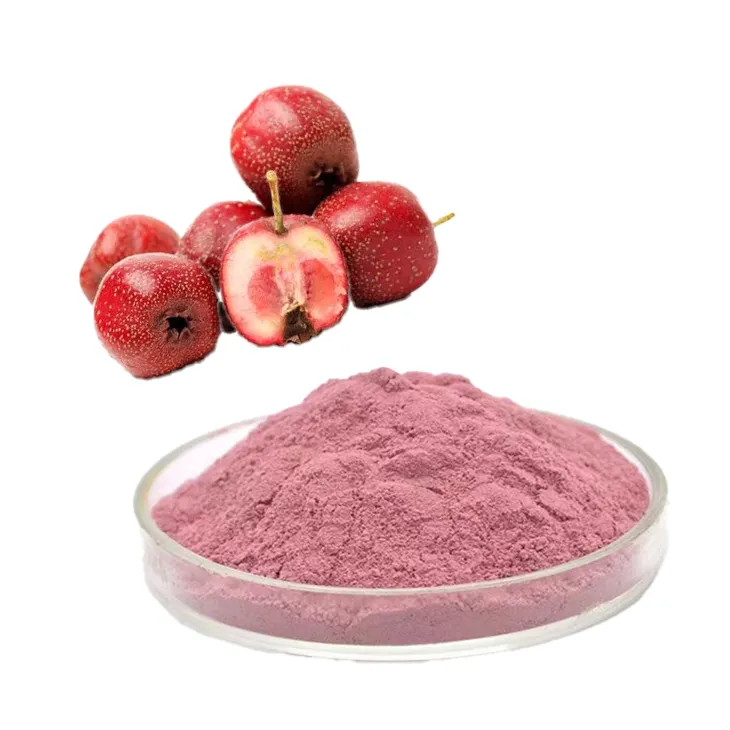
Hawthorn powder
2026-08-14
-
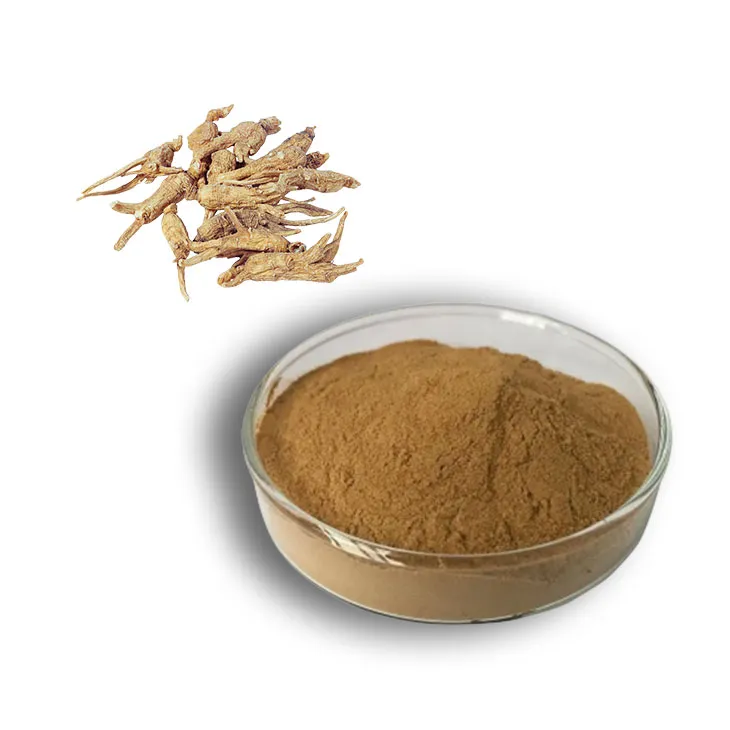
Angelica sinensis extract
2026-08-14
-
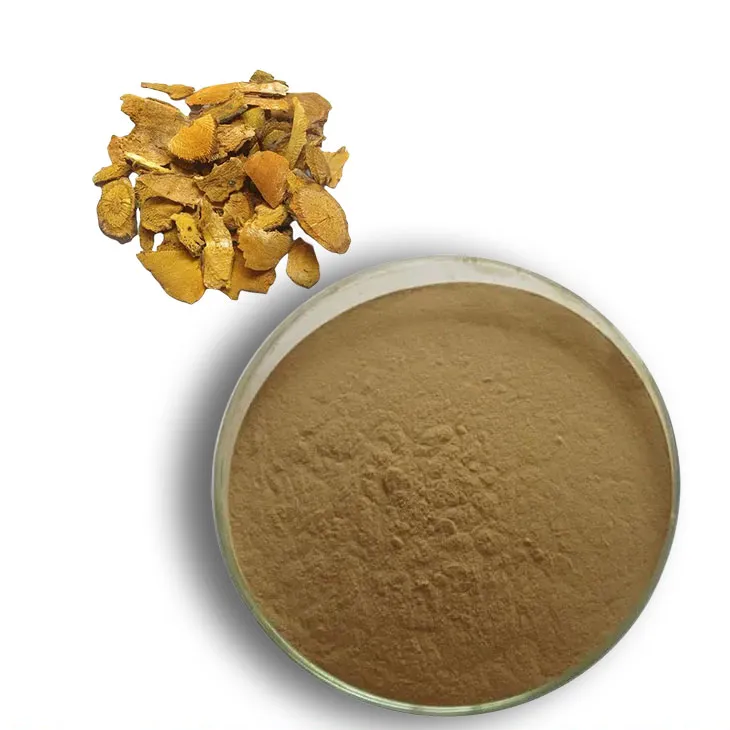
Polygonum Cuspidatum Extract
2026-08-14
-
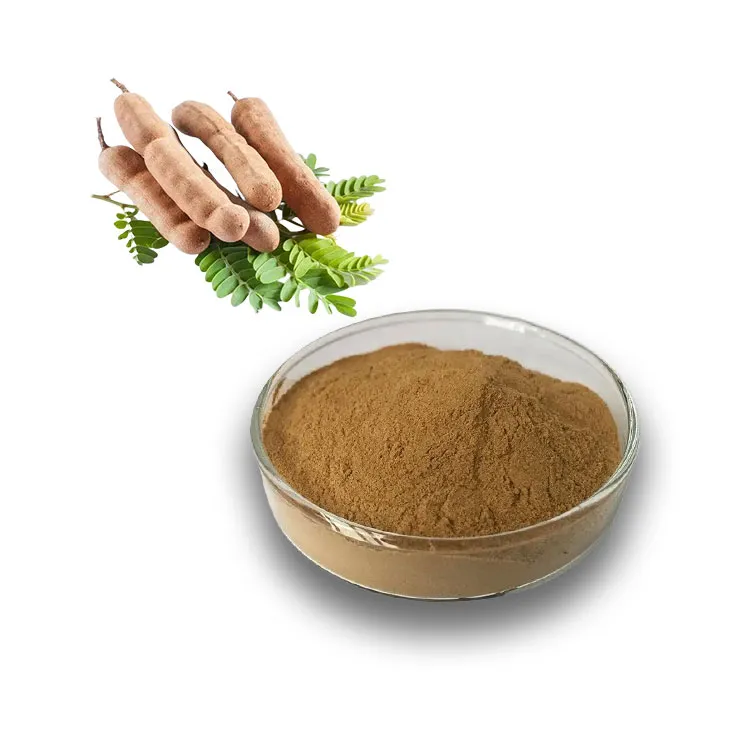
Tamarind extract powder
2026-08-14
-
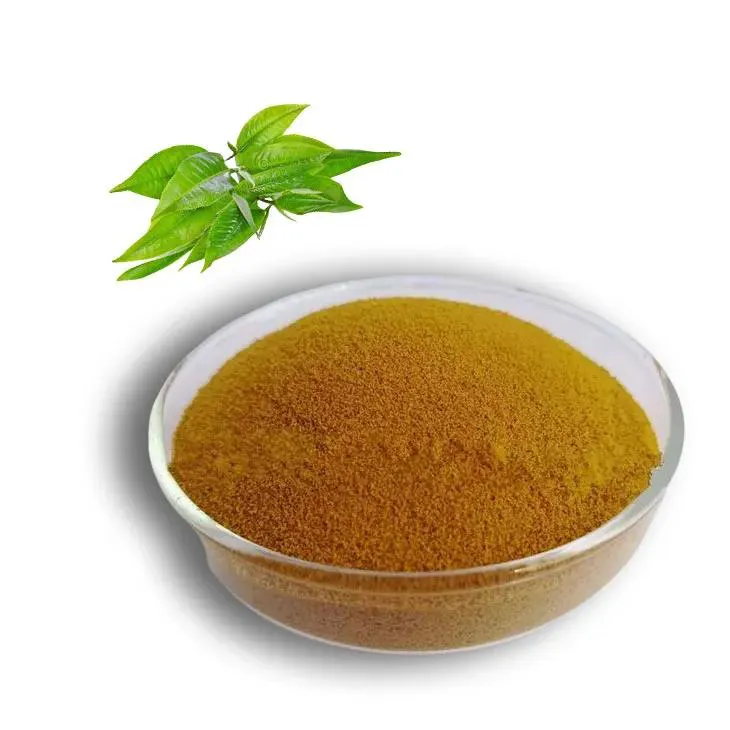
Green Tea Extract
2026-08-14
-
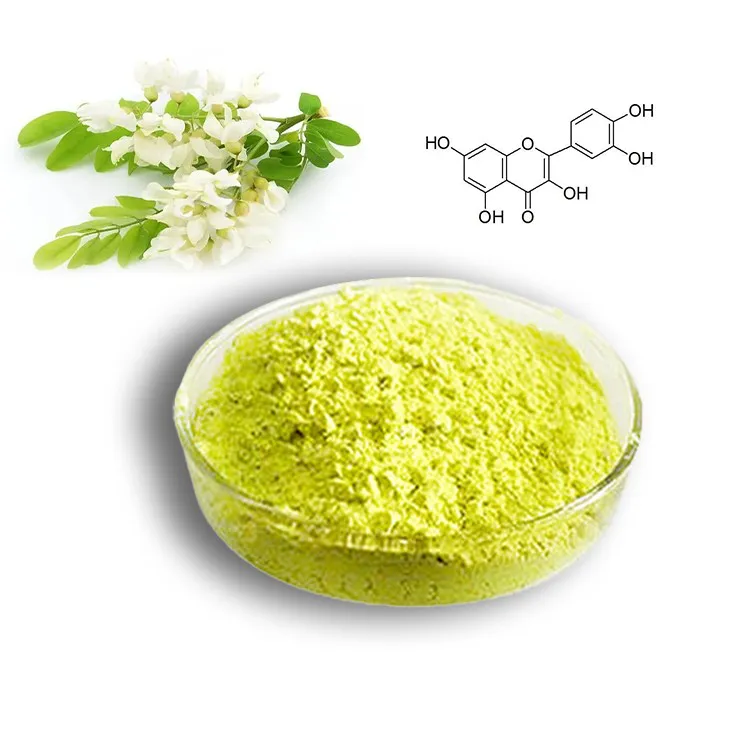
Quercetin
2026-08-14
-
Baobab Fruit Extract
2026-08-14
-
Tongkat Ali Extract
2026-08-14
-
Chaga Mushroom Extract
2026-08-14
