- 0086-571-85302990
- [email protected]






Does which brand of moringa powder is best depend on organic status?
2026-08-14
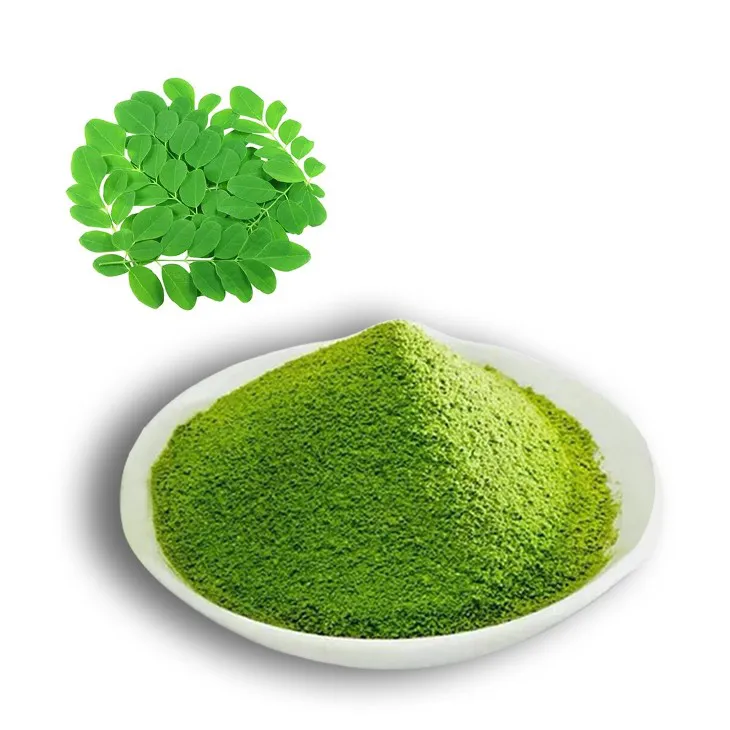
What "organic" actually means for moringa leaves
Organic certification is about how the plant is grown, not only about the final powder. For moringa, it means the leaves were cultivated without synthetic pesticides, chemical fertilizers, or genetically modified seed, and that the soil and nearby water were managed to a standard someone audited. In practice, this is meaningful because moringa leaves are a concentrated source of nutrients. Whatever is in the soil, water, or spray drift near the tree can end up in the leaf, and from there in the powder.
That is why many health-conscious consumers and formulators look for moringa leaf powder organic sources first. It is a reasonable starting point, especially if you plan to use the powder daily or add it to a product you sell to others. Organic status lowers the risk of leaving unintended residues in something you consume repeatedly.
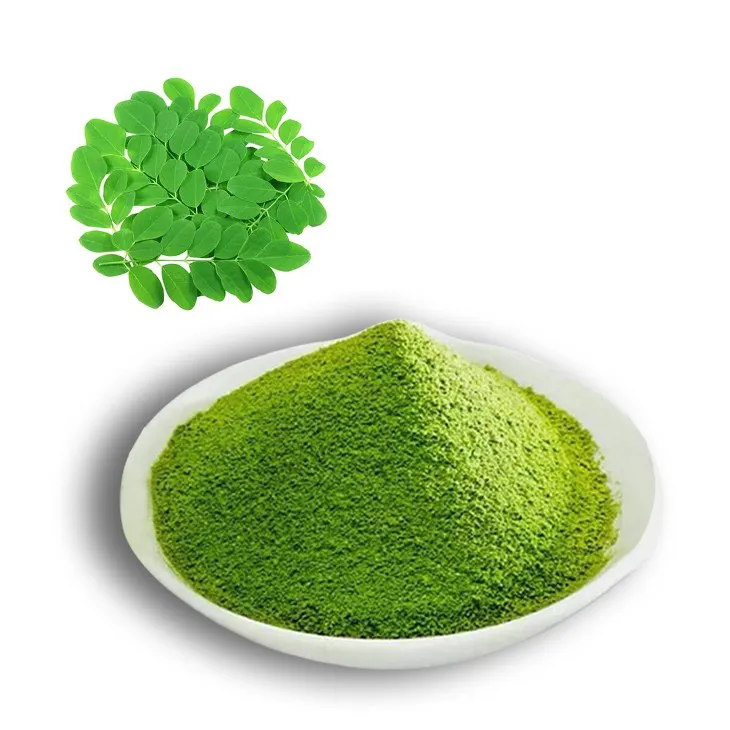
Why organic alone does not answer "which brand is best"
Here is where the marketing message gets ahead of the science. Two powders can both carry an organic label and still be very different in quality. The reason is that the word "best" depends on criteria that no certification sticker can guarantee on its own.
Consider what happens after the leaf leaves the field. The leaves need to be dried, milled, and sifted, and each step influences color, aroma, fineness, and microbial load. Low-temperature drying helps preserve heat-sensitive vitamins and antioxidants, while harsh or slow drying can degrade them. Milling determines whether you get a fine powder that blends cleanly into a smoothie or a gritty one that clumps. Testing determines whether the batch is free from heavy metals and microbes. None of these quality signals show up on an organic label, yet all of them matter far more to the end result than the sticker alone.
So the honest picture is this: organic status is a strong but incomplete proxy for quality. It tells you the farming was clean. It does not tell you whether the drying preserved the nutrients, whether the powder is fine and consistent, or whether the batch has been tested. For anyone serious about quality, the better question to ask is not simply "is it organic" but "who dried it, how, and what did they test for."
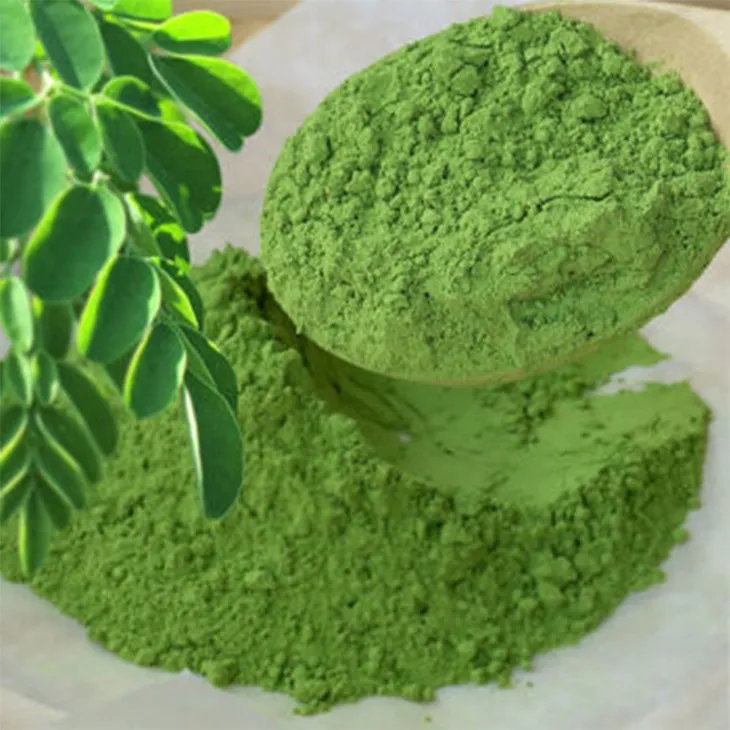
What to look for beyond the organic label
If you are choosing between brands, add these checks alongside the organic claim. First, look at the source of the leaves and whether the supplier can trace them to a specific farm or region. Second, ask about the drying and milling process, ideally low-temperature drying that preserves the plant's natural color and nutrient content. Third, ask for certificates of analysis that cover pesticide residues, heavy metals, and microbial counts. A brand that can share this paperwork is showing its work, and that transparency is a better sign of quality than any single label.
For businesses, the bar is higher still. A brand buying Moringa powder for a supplement line, a beverage, or a beauty product cannot rely on a sticker alone, because regulators downstream will ask for the same documentation. Reliable sourcing matters just as much as the farming method, which is why serious manufacturers work with a Moringa powder manufacturer that can provide batch consistency, export documentation, and a track record of producing powder that meets food-grade standards.
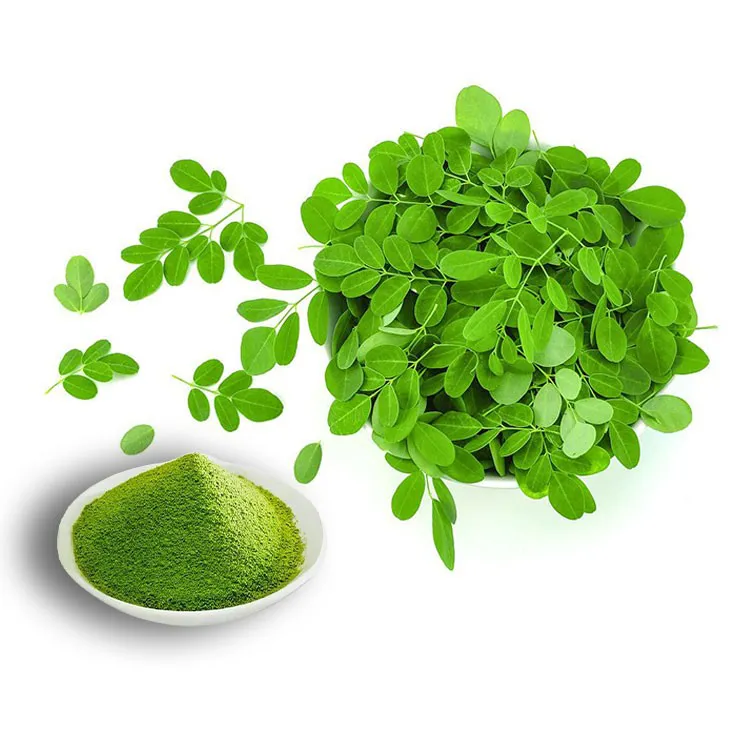
GreenSky's approach to consistent, traceable moringa powder
At Hangzhou Greensky Biological Tech. Co., Ltd., founded in 2004, we treat which brand of moringa powder is best as a question that should be answered with evidence, not adjectives. Our plant extract line includes moringa powder produced through controlled drying and milling, and we back every batch with certification and export documentation. Our 100,000-class clean production area was built to food-grade requirements, and our independent laboratory uses instruments such as GC, HPLC, and UV to verify what is actually in each lot.
Because we manufacture rather than resell, we can trace each batch from raw leaf to final powder and share the paperwork that organic-label-only resellers often cannot. That is the difference we see between a label and a responsibility. For buyers who want both clean farming and verifiable production, we aim to be the answer behind the answer.
Final verdict
Does which brand of moringa powder is best depend on organic status? Partly. Organic certification is a meaningful first filter that reduces the chance of pesticide residues, and for daily use it is a sensible preference. But it is not the whole answer. The truly best moringa powder comes from a source that combines clean farming with careful low-temperature processing, consistent milling, and documented testing. Look past the sticker, ask how the powder was made, and pick the brand that can show you the proof.
- ▶ Hesperidin
- ▶ Citrus Bioflavonoids
- ▶ Plant Extract
- ▶ lycopene
- ▶ Diosmin
- ▶ Grape seed extract
- ▶ Sea buckthorn Juice Powder
- ▶ Fruit Juice Powder
- ▶ Hops Extract
- ▶ Artichoke Extract
- ▶ Mushroom extract
- ▶ Astaxanthin
- ▶ Green Tea Extract
- ▶ Curcumin
- ▶ Horse Chestnut Extract
- ▶ Other Product
- ▶ Boswellia Serrata Extract
- ▶ Resveratrol
- ▶ Marigold Extract
- ▶ Grape Leaf Extract
- ▶ New Product
- ▶ Aminolevulinic acid
- ▶ Cranberry Extract
- ▶ Red Yeast Rice
- ▶ Red Wine Extract
- ▶ blog
-
White Peony Extract
2026-08-14
-
Mango flavored powder
2026-08-14
-
Lycopene
2026-08-14
-
Withania Somnifera Extract
2026-08-14
-
Hedyotis Diffusa Extract
2026-08-14
-
Angelica sinensis extract
2026-08-14
-
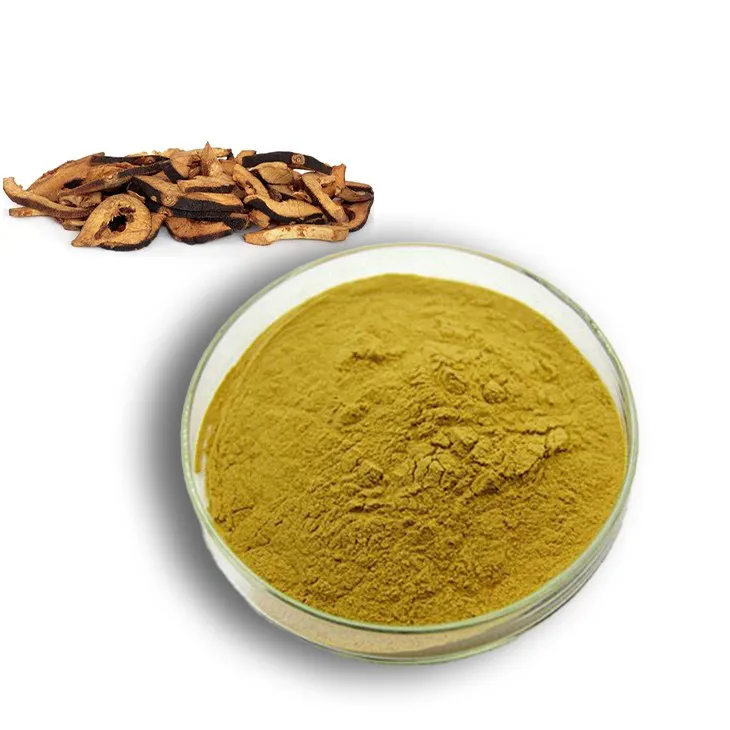
Citrus Aurantium Extract
2026-08-14
-
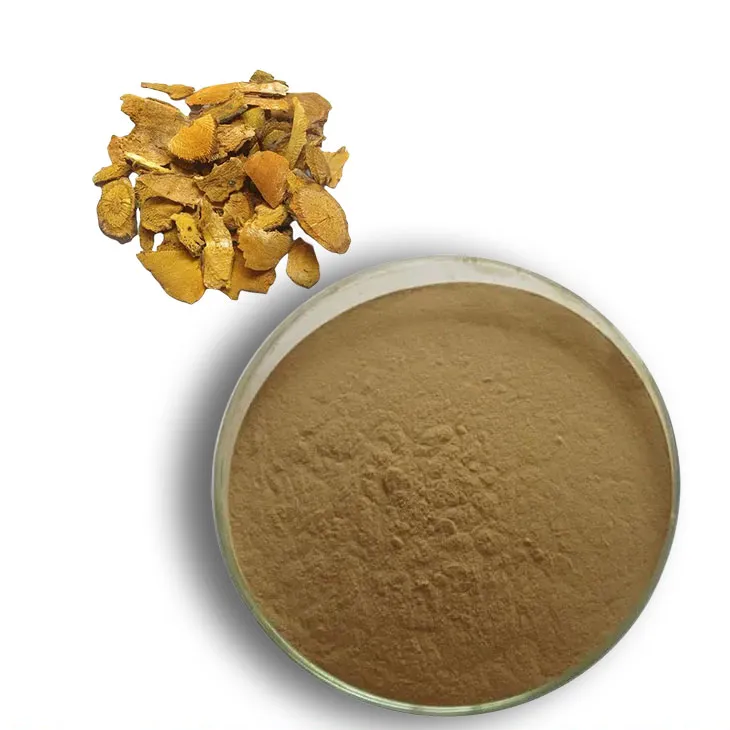
Polygonum Cuspidatum Extract
2026-08-14
-
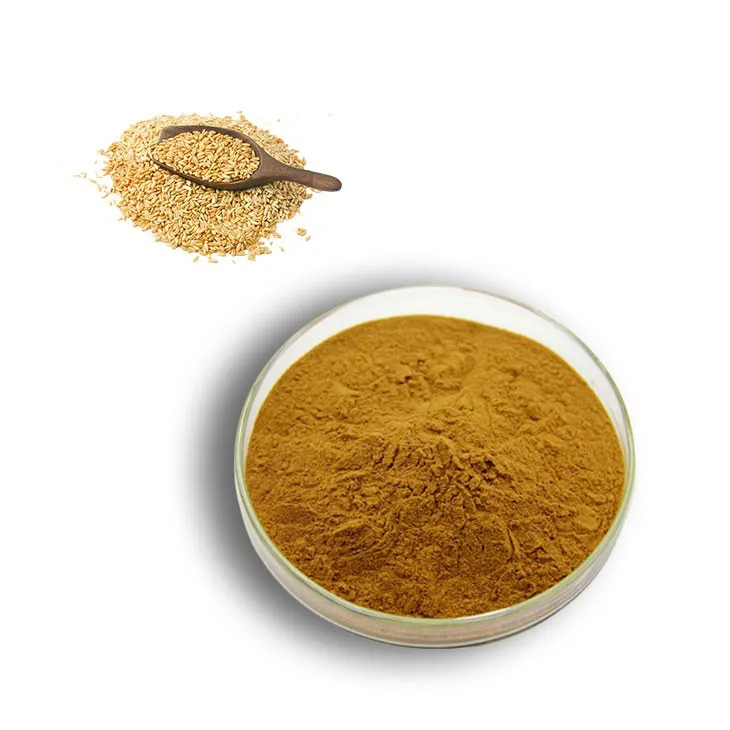
Oat Straw Extract Powder
2026-08-14
-
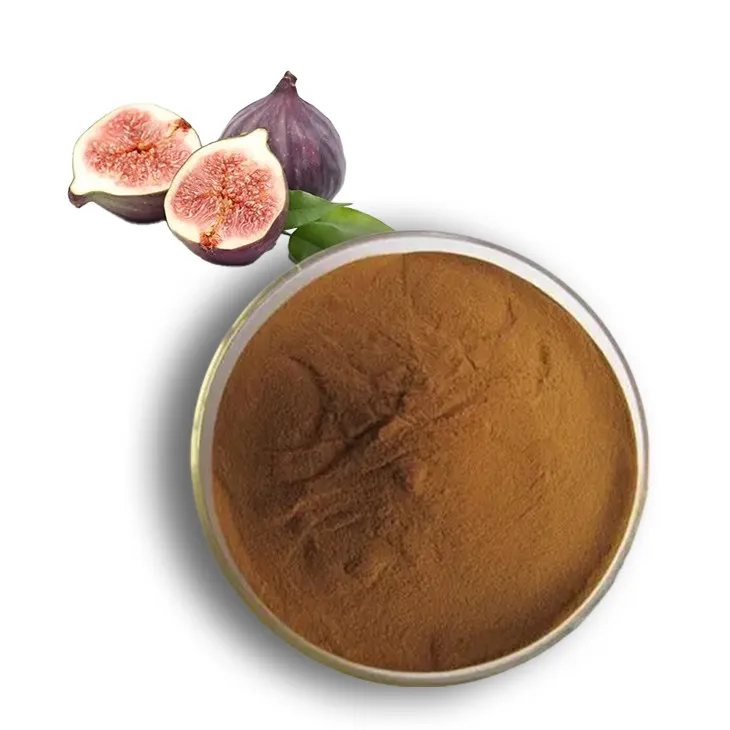
Fig Extract
2026-08-14
