- 0086-571-85302990
- [email protected]




Do manufacturers offer wholesale stevia extract with food-grade certification?
2026-08-19
Do manufacturers offer wholesale Stevia Extract with food-grade certification?
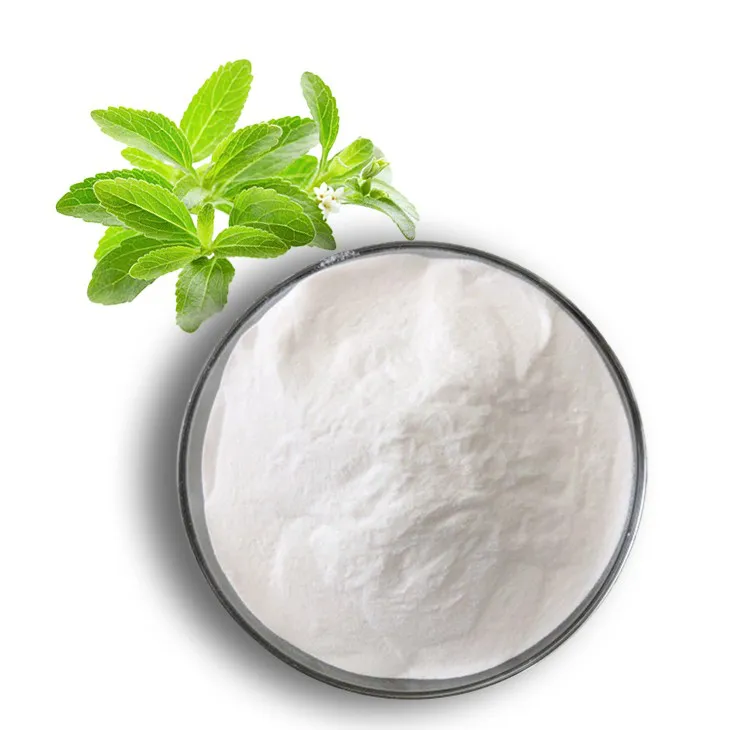
When a food, beverage, or supplement brand decides to switch from sugar to a plant-based sweetener, the first question that comes up is usually about sourcing: do manufacturers actually offer wholesale Stevia Extract that comes with food-grade certification? The short answer is yes, but the quality, documentation, and regulatory suitability of what you receive can differ a great deal between suppliers. The key is knowing exactly what food-grade certification means, what documents to request, and how to tell a serious manufacturer from a middleman. This article walks through all three.
What wholesale Stevia Extract actually is
Stevia extract is a natural sweetener produced from the leaves of Stevia rebaudiana. The leaves contain steviol glycosides, which are hundreds of times sweeter than ordinary sugar yet deliver almost no calories. In industrial trade, however, “stevia powder” is not a single standardized ingredient. It can mean ground leaf powder, purified steviol glycosides, a rebaudioside A-rich grade, a stevioside-rich grade, or a carrier-based premix. Each form differs in assay, sweetness profile, solubility, aftertaste, regulatory identity, and cost-in-use. That is why a reliable buying decision has to begin with an exact product identity and glycoside composition, not a vague promise of “pure stevia.”
Yes, food-grade certified wholesale stevia extract is widely available
Established manufacturers do supply wholesale stevia extract with recognizable food-safety credentials. A food-grade certification tells a buyer that the production environment and process meet standards for edible use. The most meaningful ones for stevia include ISO22000, a GMP certification verified by an independent body such as SGS, and registration as an export food production enterprise. When all of these are in place, you are dealing with a factory that treats stevia as a food ingredient rather than a commodity fill.
Hangzhou Greensky Biological Tech. Co., Ltd. is one example of a manufacturer that operates this way. The company has produced plant extracts since 2004 and holds ISO22000, BRCGS, Ecocert Organic Standard, SGS-GMP, ISO9001, HALAL, and Kosher certifications. Its production includes a 100,000-class clean area designed to meet food-grade requirements, an independent laboratory equipped with GC, HPLC, and UV instruments, and export documentation that supports regulatory submissions in Europe, the United States, South Korea, and Russia. In-house testing with HPLC matters here because the purity of high purity stevia extract is normally reported as total steviol glycosides, and that number only has meaning when it is confirmed by a defined analytical method on every batch.
What to verify before you order bulk stevia extract
Food-grade certification is a necessary starting point, but it is not the whole story. A reputable stevia extract manufacturer should be ready to share a full purchasing package. Look for these items in sequence:
- Product specification: the agreed limits for future batches, including total steviol glycosides, the named glycoside (stevioside, Reb A, Reb D, or Reb M), assay basis, moisture, particle size, and contaminant limits.
- Batch certificate of analysis (COA): the actual test results for each released lot, including batch number, manufacturing date, test methods, and numerical results rather than a vague “conforms.”
- Production documentation: evidence of the 100,000-class clean area, in-house HPLC testing, and the GMP or food-safety system behind it.
- Regulatory paperwork: certificates and export registration that help your quality team confirm suitability for your destination market.
Three red flags are worth watching for. First, a quotation that mentions one purity level while the COA reports only a different total. Second, an analytical method that is missing from the documentation. Third, a filter or carrier in the formulation that is not disclosed. Any of these means the commercial and technical descriptions do not match, and that mismatch will eventually surface in your finished product.
Choosing the right stevia grade for your application
A higher percentage does not automatically mean a better product. A grade described as “95% total steviol glycosides” is not the same as a grade containing 95% rebaudioside A, because total glycosides and a single named glycoside are measured differently. For clear beverages and lightly flavored products, a rebaudioside A-rich or Reb M-rich grade often gives a cleaner, more sucrose-like sweetness. For strongly flavored systems, a stevioside-rich grade can be more cost-effective. Because purified stevia is used at very low dosage, it is normally blended through geometric dilution or a standardized premix to avoid sweetness “hot spots” in powder mixes and tablets.
Before finalizing a wholesale stevia extract order, ask the supplier to evaluate a representative sample together with its specification, batch COA, packaging details, and quotation. Confirming that every document refers to the same grade and the same production source is the most practical way to separate a genuine food-grade supplier from a trader.
Why a dedicated manufacturer makes the difference
Working directly with a Stevia Extract Supplier that handles research, development, and production in one group gives buyers several practical advantages. You can request documentation tied to the exact batch you are buying, ask for a sample from the same line you will receive in bulk, and receive support packages for regulatory submissions instead of a single invoice. Vertical integration also means the extraction, purification, concentration, and drying steps are controlled under one quality system, which makes it easier to keep quality consistent across repeat orders. For brands that need reliable volume at predictable quality, that consistency matters more than any single purity claim.
If you are sourcing food-grade stevia for a new product, start by sharing your target application and the glycoside profile you have in mind. A manufacturer with an independent laboratory can help you confirm the specification, provide batch-level COAs, and guide you on the documentation your market requires. That is how a reliable wholesale supplier relationship is built, and it is the surest route to a sweetener that is safe, consistent, and exactly suited to your formulation.
TAGS:
- ▶ Hesperidin
- ▶ Citrus Bioflavonoids
- ▶ Plant Extract
- ▶ lycopene
- ▶ Diosmin
- ▶ Grape seed extract
- ▶ Sea buckthorn Juice Powder
- ▶ Fruit Juice Powder
- ▶ Hops Extract
- ▶ Artichoke Extract
- ▶ Mushroom extract
- ▶ Astaxanthin
- ▶ Green Tea Extract
- ▶ Curcumin
- ▶ Horse Chestnut Extract
- ▶ Other Product
- ▶ Boswellia Serrata Extract
- ▶ Resveratrol
- ▶ Marigold Extract
- ▶ Grape Leaf Extract
- ▶ New Product
- ▶ Aminolevulinic acid
- ▶ Cranberry Extract
- ▶ Red Yeast Rice
- ▶ Red Wine Extract
- ▶ blog
-
Artichoke Extract
2026-08-19
-
Wheat Germ Extract
2026-08-19
-
Shikonin
2026-08-19
-
Lemon Balm Extract
2026-08-19
-
Red Wine Extract
2026-08-19
-
Artichoke Leaf Extract
2026-08-19
-
Grape Seed Extract
2026-08-19
-
Liposomal Berberine HCl
2026-08-19
-
Curcuma Longa Extract/Turmeric extract
2026-08-19
-
Yam Extract
2026-08-19