- 0086-571-85302990
- [email protected]






Can I get samples of bulk rosemary extract before ordering?
2026-08-18
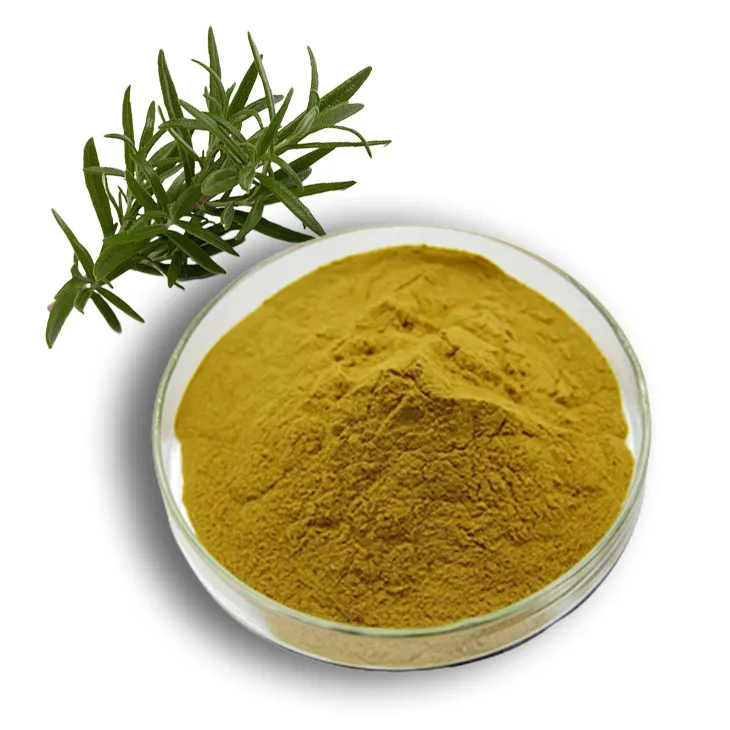
If you are sourcing bulk Rosemary extract for dietary supplements, cosmetics, or food manufacturing, the first question on your list is usually whether you can test the product before committing to a full container or tonne order. In short, yes. A dependable manufacturer will let you evaluate a sample before you order in bulk, and doing so is the smartest way to protect your formulation, your brand, and your budget.
Why sample first when buying bulk Rosemary extract?
Rosemary extract earns its place in nutraceutical and skincare lines largely because of its antioxidant profile, which comes mainly from carnosic acid and rosmarinic acid. But two batches can look equally fine on paper and behave differently in your product. That is why sampling matters. A sample lets your quality team check the powder's colour, odour and solubility, verify the assay results with your own lab, confirm that the marker compound content matches the specification sheet, and make sure the extract blends cleanly with your existing ingredients.
In practical terms, sampling also guards against the risk that the extract you receive in bulk is not the same as the one that was quoted. Testing before you invest gives you documented proof of what you are buying and builds a clear record you can refer back to if anything changes later.
What should a rosemary extract sample include?
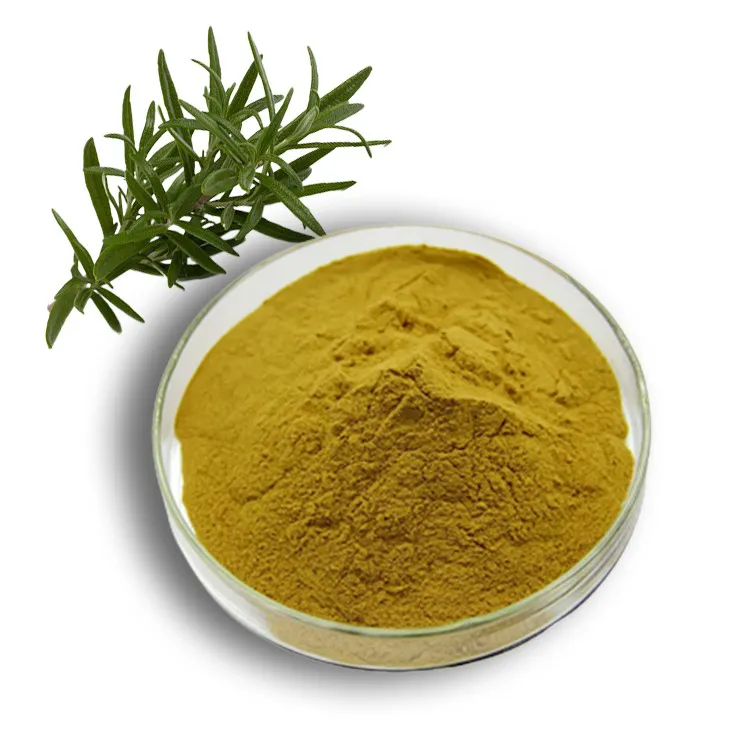
A reputable sample is more than just a pouch of powder. When you request a sample of bulk rosemary extract, look for the details that tell you exactly what you are evaluating: the batch number, the manufacturing date, the expiry date, the extract ratio or marker compound content, and the test method used to measure it. These details let your technical team judge the sample against an exact specification rather than guessing.
Equally important is the supporting paperwork that travels with the sample. A certificate of analysis confirming the active ingredient content and microbiological results, a material safety data sheet, and a specification sheet should all be available on request. Buyers who insist on these documents from the very first sample tend to run into far fewer surprises later.
How much sample do you need, and how are samples shipped?
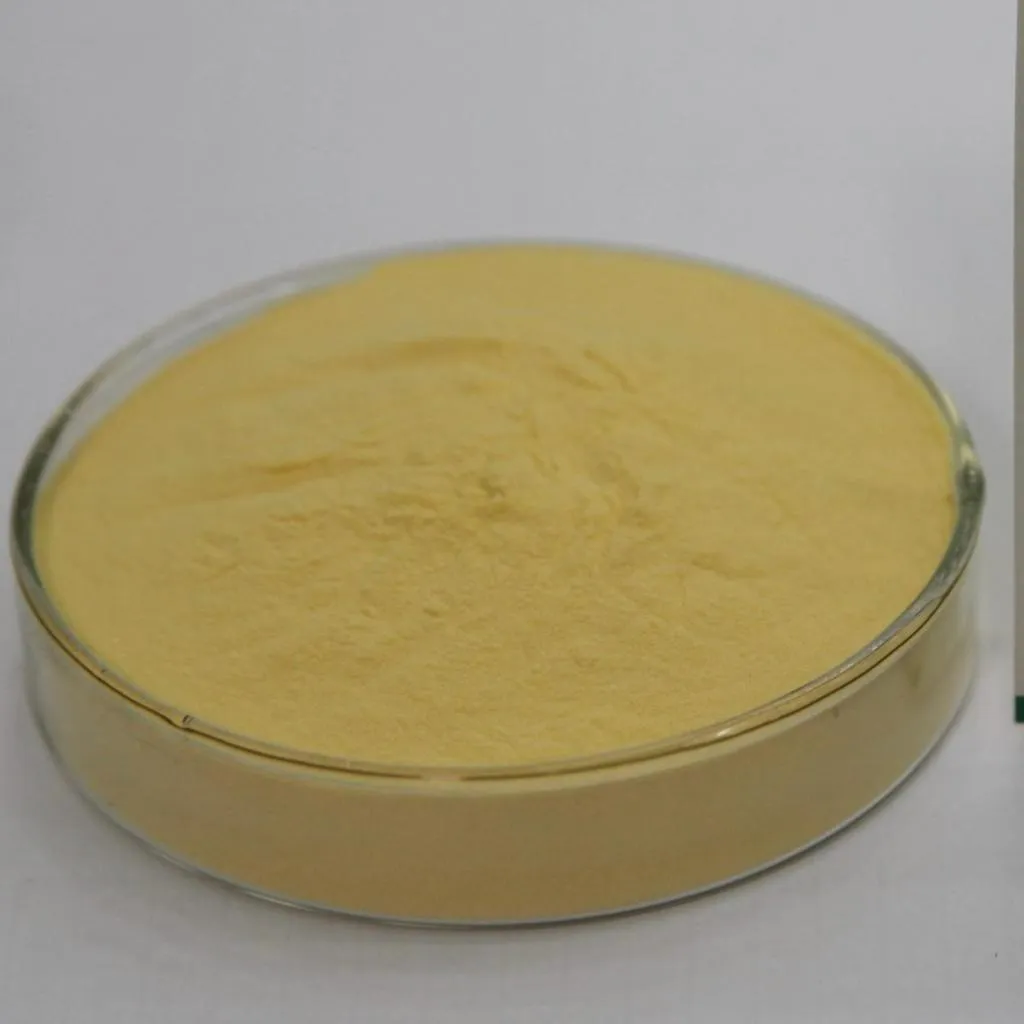
For a plant extract like rosemary, a typical sample runs between 10 and 100 grams, which is more than enough for an in-house assay, a small pilot batch, and a technical review. Some suppliers ask the buyer to cover the express freight, and that cost is often credited back once a bulk order is placed. Either way, the point of a sample is to keep the risk on the table small while you verify quality.
Samples are usually sent by express courier such as DHL, UPS or FedEx and typically arrive within a few business days. From the moment you request the sample to the point you place a bulk order, you should plan for roughly two weeks once you include your own testing time. It is a short wait for the confidence it gives you.
How the sample-to-bulk process works
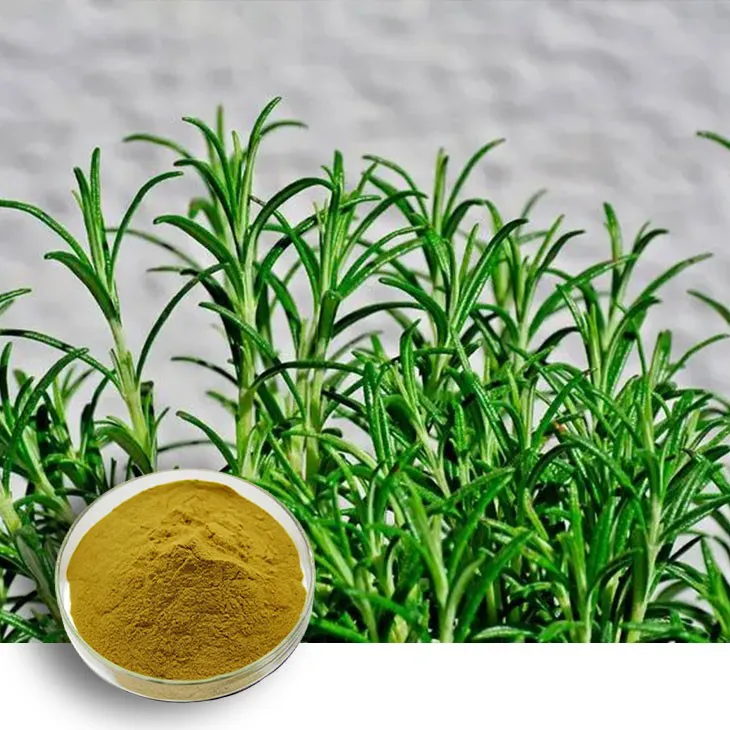
A straightforward sample-to-order flow looks like this. You send a sample request with your target specification, the supplier confirms stock and prepares the sample together with its certificate of analysis, and once the shipment arrives you test and evaluate it against your own requirements. After you approve the sample, you place the bulk order, and the supplier confirms the price, payment terms and delivery schedule. Keeping this sequence simple is itself a sign of a well-run factory, because it means the supplier has the batch records and documentation in order from the start.
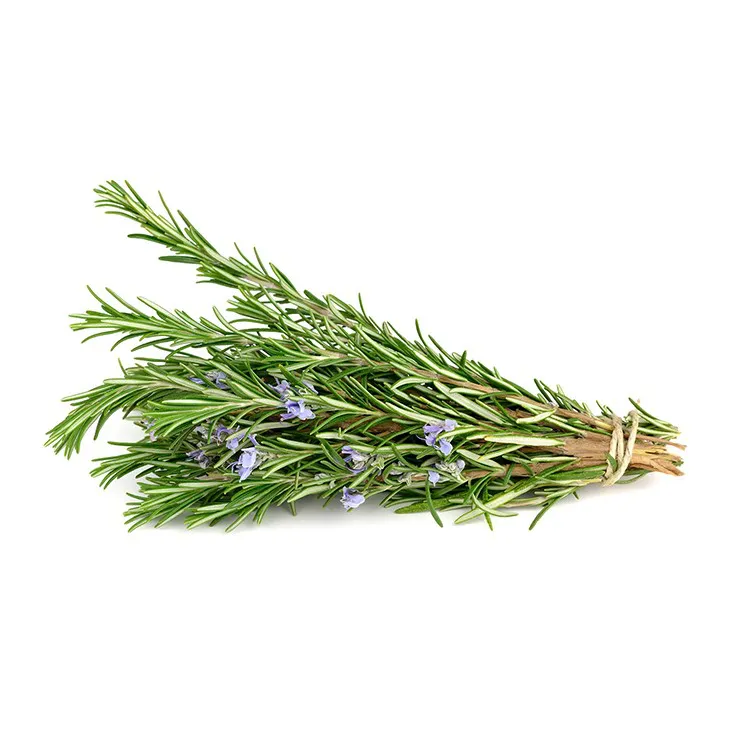
What to look for in a bulk rosemary extract supplier
An existing rosemary extract factory with in-house production control makes sampling simpler and more reliable, because the same plant that processes, extracts and tests the material is the one you will order from at scale. Greensky, a manufacturer founded in 2004 and based in Hangzhou, produces bulk rosemary extract from quality rosemary leaves and supplies it for the food, beverage, health product and cosmetics industries to help extend shelf life, improve taste and add nutritional value.
Because Greensky runs its own extraction facility with a 100,000-class clean production area, an independent laboratory equipped with GC, HPLC and UV instruments, and export documentation for global regulatory submissions, batches are produced and verified under one roof. The company also holds certifications such as ISO22000, BRCGS, SGS-GMP and ISO9001, alongside HALAL and Kosher, which matter when you are validating a source for regulated markets. When you request a sample of bulk rosemary extract, ask for the certificate of analysis and the assay data so you can confirm the carnosic acid and rosmarinic acid content yourself.
Questions worth asking before you sample
Before you send a sample request, it helps to ask a few direct questions: What is the minimum order quantity for bulk? Which shipping options are available for both the sample and the full order? Is the sample taken from the same batch, or representative of the batch, that a bulk order would ship? And can you provide the certificate of analysis, specification sheet and safety data for the specific specification you are evaluating? Clear answers to these questions tell you a lot about how the supplier is run.
Get a sample of bulk rosemary extract
Testing a sample before you commit is standard practice for anyone buying bulk plant extracts, and rosemary is no exception. If you want to evaluate the quality, assay and handling of a bulk rosemary extract sample before ordering, contact the rosemary extract factory at Greensky to discuss your specification and an appropriate sample quantity.
TAGS:
- ▶ Hesperidin
- ▶ Citrus Bioflavonoids
- ▶ Plant Extract
- ▶ lycopene
- ▶ Diosmin
- ▶ Grape seed extract
- ▶ Sea buckthorn Juice Powder
- ▶ Fruit Juice Powder
- ▶ Hops Extract
- ▶ Artichoke Extract
- ▶ Mushroom extract
- ▶ Astaxanthin
- ▶ Green Tea Extract
- ▶ Curcumin
- ▶ Horse Chestnut Extract
- ▶ Other Product
- ▶ Boswellia Serrata Extract
- ▶ Resveratrol
- ▶ Marigold Extract
- ▶ Grape Leaf Extract
- ▶ New Product
- ▶ Aminolevulinic acid
- ▶ Cranberry Extract
- ▶ Red Yeast Rice
- ▶ Red Wine Extract
- ▶ blog
-
Green coffee bean Extract
2026-08-18
-
Acerola Juice Powder
2026-08-18
-
White Peony Extract
2026-08-18
-
Phellodendron Extract
2026-08-18
-
White Willow Bark Extract
2026-08-18
-
Kupilu Extract
2026-08-18
-
Selenium yeast
2026-08-18
-
Magnolia Bark Extract
2026-08-18
-
Baicalin
2026-08-18
-
Almond Extract Powder
2026-08-18
