- 0086-571-85302990
- [email protected]




Astaxanthin: The King of Carotenoids — Science-Backed Benefits and Sourcing Guide (2026)
2026-11-28
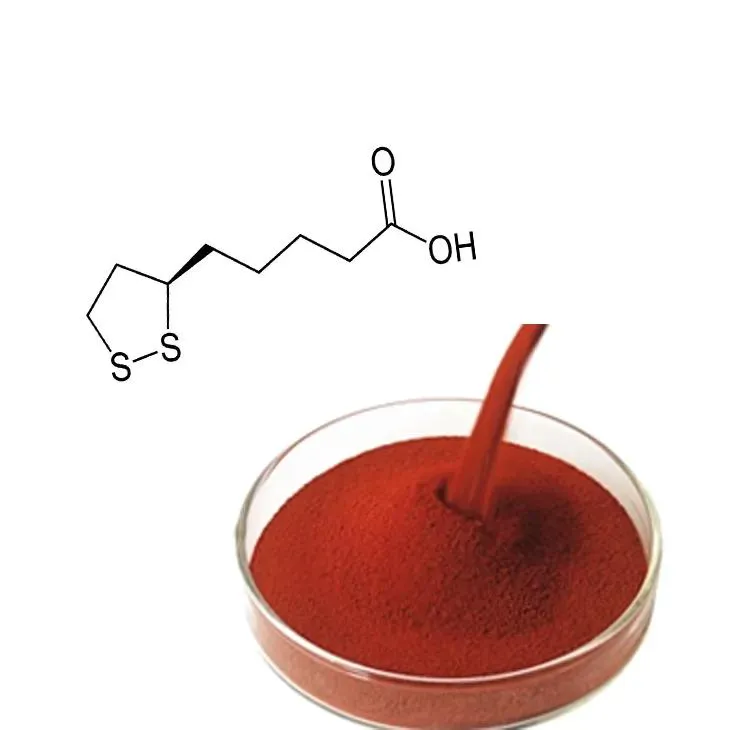
Table of Contents
What Is Astaxanthin?
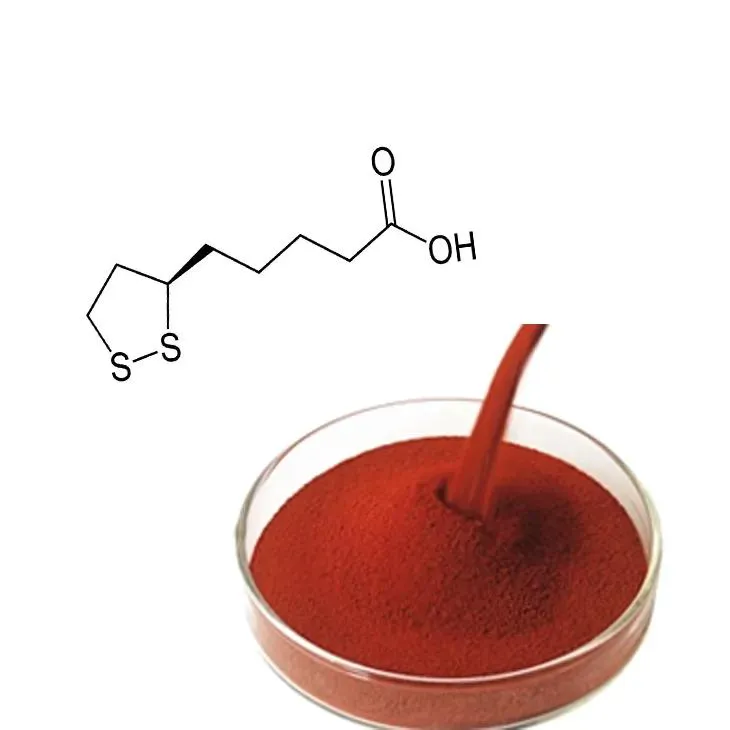
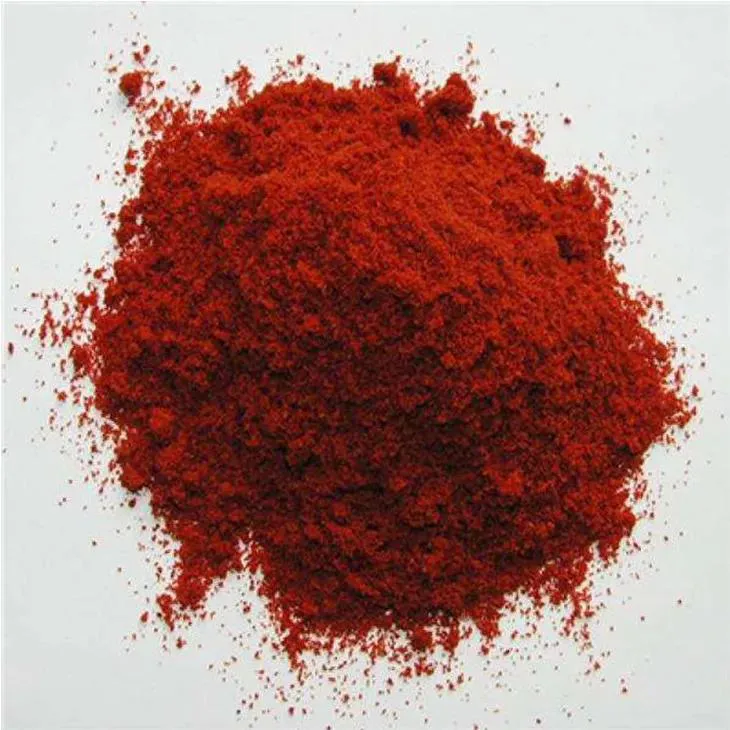
Astaxanthin is a naturally occurring red-orange pigment belonging to the xanthophyll carotenoid family. It is primarily produced by the microalga Haematococcus pluvialis as a protective mechanism against environmental stress, including UV radiation, nutrient deprivation, and extreme temperatures.
When H. pluvialis cells encounter stress conditions, they accumulate Astaxanthin to concentrations as high as 4–5% of their dry weight, transforming from green to a deep red color. This biological defense mechanism produces the most potent naturally occurring antioxidant known to science.
Astaxanthin is responsible for the characteristic pink-red coloration of salmon, shrimp, crab, lobster, and flamingos—all of which accumulate the pigment through their diet of astaxanthin-rich algae.
At Greensky Bio, we produce premium astaxanthin extract through carefully controlled cultivation and extraction processes, ensuring the highest potency and purity for supplement manufacturers and health product formulators worldwide.
Why Astaxanthin Is Called the "King of Carotenoids"
Astaxanthin's antioxidant capacity far exceeds that of other well-known carotenoids and vitamins:
Antioxidant Power Comparison
Antioxidant Relative Singlet Oxygen Quenching Power Astaxanthin 1× (baseline: most powerful) Vitamin E (alpha-tocopherol) ~550× weaker Beta-carotene ~40× weaker Lutein ~20× weaker Vitamin C ~6,000× weaker Coenzyme Q10 ~800× weaker
These comparisons, based on singlet oxygen quenching studies published in peer-reviewed journals, demonstrate why astaxanthin stands apart from other antioxidants.
Unique Molecular Structure
Astaxanthin's exceptional antioxidant activity stems from its unique molecular structure:
Polar ionone rings at both ends of the molecule allow it to span cell membranes
Conjugated double-bond chain (13 bonds) efficiently absorbs and neutralizes free radicals
Hydroxyl and keto groups enable both fat-soluble and water-soluble antioxidant activity
Unlike many antioxidants that become pro-oxidant under certain conditions, astaxanthin never exhibits pro-oxidant activity, making it exceptionally safe even at high doses.
Membrane-Spanning Protection
Most antioxidants protect either the inside or outside of cell membranes. Astaxanthin's unique structure allows it to span the entire cell membrane, providing comprehensive protection:
Protects the lipid bilayer from oxidative damage
Neutralizes free radicals on both the inner and outer membrane surfaces
Maintains membrane fluidity and cellular function under oxidative stress
Science-Backed Health Benefits
Eye Health and Vision Protection
Astaxanthin's ability to cross the blood-retinal barrier makes it uniquely effective for eye health:
Reduces eye fatigue – Clinical studies show significant improvement in accommodative function and reduced eye strain, particularly relevant for screen users
Supports macular health – Protects retinal cells from oxidative damage and blue light exposure
Improves blood flow to ocular tissues, supporting overall eye function
Reduces inflammation in the eyes associated with age-related conditions
A clinical trial published in Clinical Ophthalmology found that 6 mg of astaxanthin daily for 4 weeks significantly improved accommodative amplitude and reduced symptoms of visual fatigue in healthy subjects.
Skin Health and Anti-Aging
Astaxanthin's skin health benefits are supported by both oral supplementation and topical application research:
Reduces wrinkle depth – A study in Acta Biochimica Polonica showed that oral astaxanthin (6 mg/day) combined with topical application significantly improved wrinkle appearance after 6 weeks
Improves skin elasticity and moisture content
Protects against UV damage – Acts as an "internal sunscreen," reducing UV-induced skin damage
Reduces age spot size – Clinical evidence shows visible improvement in hyperpigmentation
Anti-inflammatory effects on skin tissue, supporting repair and regeneration
Sports Performance and Recovery
Athletes and fitness enthusiasts increasingly use astaxanthin for:
Reduced muscle damage – Lower creatine kinase levels post-exercise indicate reduced muscle tissue damage
Improved endurance – Enhanced fat utilization during exercise, sparing glycogen stores
Faster recovery – Reduced inflammation and oxidative stress accelerate recovery between training sessions
Joint health support – Anti-inflammatory properties may reduce joint pain and stiffness
A study in the Journal of the International Society of Sports Nutrition found that 4 mg/day of astaxanthin for 90 days significantly improved endurance cycling performance and reduced markers of muscle damage.
Cardiovascular Health
Emerging research supports astaxanthin's role in cardiovascular wellness:
Improves lipid profiles – Reduces triglycerides and increases HDL cholesterol
Reduces oxidative stress on blood vessels
Improves arterial elasticity – Supporting healthy blood pressure
Anti-inflammatory effects on cardiovascular tissue
Cognitive Function and Brain Health
Astaxanthin crosses the blood-brain barrier, offering neuroprotective benefits:
Protects neurons from oxidative damage
Reduces neuroinflammation associated with cognitive decline
Supports memory and focus – Preliminary studies suggest improved cognitive performance
May support mood regulation through anti-inflammatory mechanisms in the brain
Natural vs. Synthetic Astaxanthin: Critical Differences
Understanding the difference between natural and synthetic astaxanthin is essential for B2B buyers:
Source Comparison
Factor Natural (H. pluvialis) Synthetic Source Microalgae cultivation Petrochemical synthesis Stereoisomer 100% 3S,3'S (bioactive form) Mixture of isomers (less bioactive) Antioxidant Capacity Significantly higher Lower Bioavailability Superior Inferior Consumer Perception "Natural," "clean label" "Artificial," "synthetic" Cost Higher Lower Primary Use Human supplements, premium foods Aquaculture feed coloring
The Stereoisomer Advantage
Natural astaxanthin from H. pluvialis exists exclusively as the 3S,3'S stereoisomer, which is the most bioactive and bioavailable form. Synthetic astaxanthin contains a mixture of three stereoisomers, only one-third of which matches the natural form.
For human dietary supplements and premium health products, natural astaxanthin is the only appropriate choice. Synthetic astaxanthin is primarily used in aquaculture feed for coloring farmed salmon and should not be used in human supplements.
Quality Standards and Potency Metrics
Key Quality Parameters
Parameter Premium Standard Astaxanthin Content (oleoresin) 5–10% Astaxanthin Content (powder) 1–5% (microencapsulated) Source Haematococcus pluvialis Extraction Method Supercritical CO₂ Isomer Profile >95% 3S,3'S Heavy Metals Below USP/EP limits Microbial Limits Meets pharmacopeia standards Solvent Residues None (CO₂ extraction)
Form Types
Astaxanthin is available in several forms depending on the application:
Oleoresin (oil) – Highest potency, ideal for softgel manufacturing
Water-dispersible powder – For beverages and water-based formulations
Microencapsulated powder – Improved stability for tablet and capsule applications
Beadlets – For dry blend formulations
Astaxanthin Applications Across Industries
Dietary Supplements
Astaxanthin is the flagship ingredient in the eye health, skin beauty, and sports nutrition supplement categories. The global astaxanthin supplement market continues to grow at 15%+ annually.
Functional Foods and Beverages
Astaxanthin-enriched products are emerging in the premium functional food segment, including:
Fortified beverages
Functional snacks
Beauty-from-within food products
Cosmetics and Personal Care
Topical astaxanthin is used in:
Anti-aging serums and creams
UV protection products
Post-sun care formulations
Eye care products
Aquaculture
While this uses primarily synthetic astaxanthin, the growing demand for natural astaxanthin in premium aquaculture (organic salmon farming) represents an emerging market opportunity.
How to Source Premium Astaxanthin
Key Evaluation Criteria for B2B Buyers
Source Verification – Confirm the astaxanthin is derived from Haematococcus pluvialis, not synthetic sources
Extraction Method – Supercritical CO₂ extraction ensures the highest quality without solvent residues
Potency Verification – Request HPLC analysis confirming astaxanthin content and isomer profile
Stability Data – Astaxanthin is sensitive to light, heat, and oxygen. Request stability data for the specific form you're purchasing
Certifications – ISO 22000, BRCGS, GMP, HALAL, and Kosher certifications ensure quality and market access
Supply Reliability – Algae cultivation is complex. Choose manufacturers with established, scaled production capacity
Pricing Considerations
Natural astaxanthin pricing varies based on:
Potency level (higher concentration = higher price per kg but better value per mg of active ingredient)
Form type (oleoresin vs. powder vs. beadlets)
Order volume
Certification requirements (organic-certified astaxanthin commands a premium)
Frequently Asked Questions
What is the recommended daily dose of astaxanthin?
General antioxidant support: 4 mg/day
Eye health: 6–12 mg/day
Skin health: 4–6 mg/day (oral) + topical application
Sports performance: 4–12 mg/day
Cardiovascular support: 6–12 mg/day
How long does it take for astaxanthin to show benefits?
Most clinical studies show measurable benefits after 2–4 weeks of consistent supplementation, with optimal results typically observed at 4–12 weeks.
Can astaxanthin be taken with other supplements?
Yes. Astaxanthin is commonly combined with:
Omega-3 fatty acids (enhanced absorption, as astaxanthin is fat-soluble)
Lutein and zeaxanthin (complementary eye health support)
Co-Q10 (synergistic antioxidant effects)
Collagen peptides (enhanced skin health benefits)
Is astaxanthin safe?
Astaxanthin from Haematococcus pluvialis has an excellent safety profile. Clinical studies using doses up to 40 mg/day have shown no significant adverse effects. It has been granted GRAS (Generally Recognized As Safe) status by regulatory authorities.
How should astaxanthin be stored?
Astaxanthin should be stored in airtight, light-proof containers at temperatures below 25°C. Exposure to light, heat, and oxygen accelerates degradation. Properly stored astaxanthin products typically maintain potency for 18–24 months.
*Greensky Bio produces premium natural astaxanthin from Haematococcus pluvialis using supercritical CO₂ extraction. Our products are ISO 22000, BRCGS, Ecocert Organic, and GMP certified, serving global markets across Europe, the United States, South Korea, and Russia.
- ▶ Hesperidin
- ▶ Citrus Bioflavonoids
- ▶ Plant Extract
- ▶ lycopene
- ▶ Diosmin
- ▶ Grape seed extract
- ▶ Sea buckthorn Juice Powder
- ▶ Fruit Juice Powder
- ▶ Hops Extract
- ▶ Artichoke Extract
- ▶ Mushroom extract
- ▶ Astaxanthin
- ▶ Green Tea Extract
- ▶ Curcumin
- ▶ Horse Chestnut Extract
- ▶ Other Product
- ▶ Boswellia Serrata Extract
- ▶ Resveratrol
- ▶ Marigold Extract
- ▶ Grape Leaf Extract
- ▶ New Product
- ▶ Aminolevulinic acid
- ▶ Cranberry Extract
- ▶ Red Yeast Rice
- ▶ Red Wine Extract
- ▶ blog
-
Magnolia Bark Extract
2026-11-28
-
Purple Sweet Potato Extract
2026-11-28
-
Phyllanthus Emblica Extract
2026-11-28
-
Senna Leaf Extract
2026-11-28
-
Sea buckthorn oil
2026-11-28
-
Black Garlic Extract
2026-11-28
-
Tongkat Ali Extract
2026-11-28
-
Mango flavored powder
2026-11-28
-
Cranberry Extract
2026-11-28
-
Horse Chestnut Extract
2026-11-28