- 0086-571-85302990
- [email protected]




Astaxanthin: Complete Guide to Antioxidant Power, Skin & Eye Health Benefits & B2B Sourcing (2026)
2026-10-31
Table of Contents
What Is Astaxanthin and Why Is It Called the "King of Carotenoids"?
How Does Astaxanthin Work as a Super-Antioxidant?
Clinical Evidence for Skin Health and Anti-Aging Benefits
Astaxanthin for Eye Health and Visual Fatigue Relief
Athletic Performance and Recovery: What the Research Shows
Natural vs. Synthetic Astaxanthin: Critical Differences
Recommended Dosage for Different Applications
How to Source Premium Astaxanthin from Reliable Manufacturers
Stability, Bioavailability and Formulation Considerations
Why Greensky Is Your Trusted Astaxanthin Supply Partner
1. What Is Astaxanthin and Why Is It Called the "King of Carotenoids"?
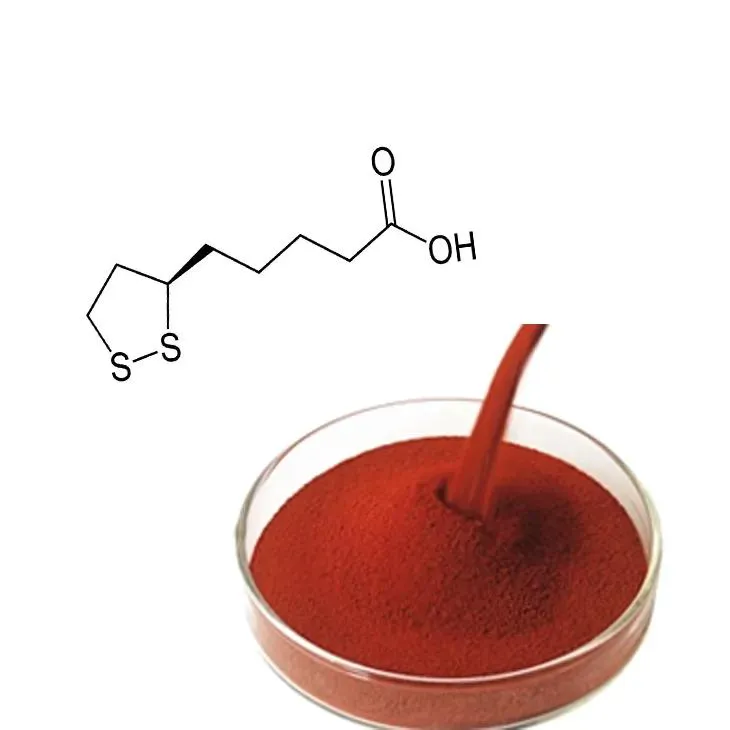
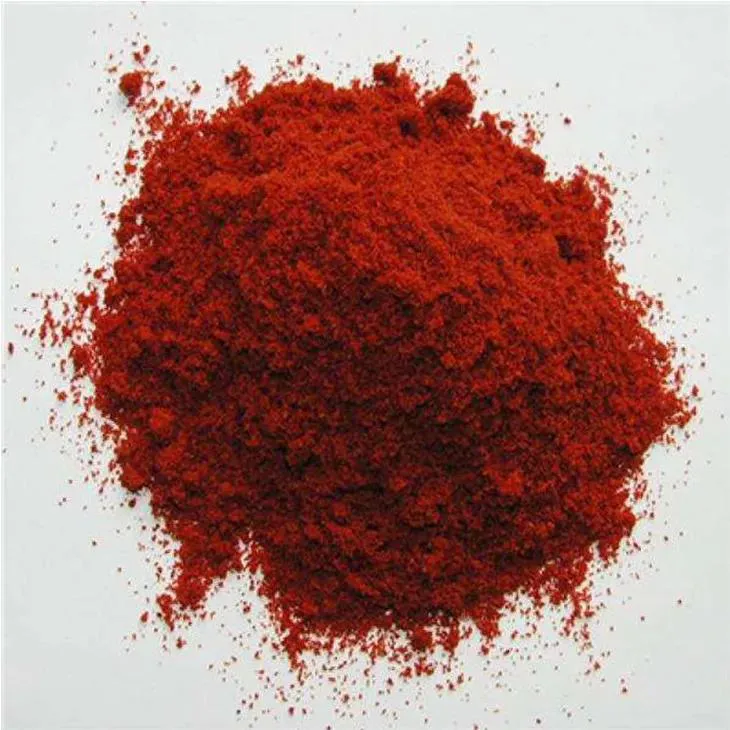
Astaxanthin (虾青素) is a naturally occurring red pigment belonging to the xanthophyll family of carotenoids. It is primarily produced by the microalgae Haematococcus pluvialis as a protective mechanism against environmental stress. Astaxanthin is responsible for the pink-red color of salmon, shrimp, krill, and flamingos — all of which obtain it through their diet.
What makes astaxanthin truly unique is its exceptional antioxidant capacity. Research has shown that astaxanthin is:
6,000 times stronger than Vitamin C
800 times stronger than Coenzyme Q10
550 times stronger than Vitamin E (green tea catechins)
54 times stronger than beta-carotene
This extraordinary antioxidant power has earned astaxanthin the title "King of Carotenoids" in the nutraceutical industry.
2. How Does Astaxanthin Work as a Super-Antioxidant?
Astaxanthin's molecular structure is uniquely suited for neutralizing free radicals:
Key Mechanisms:
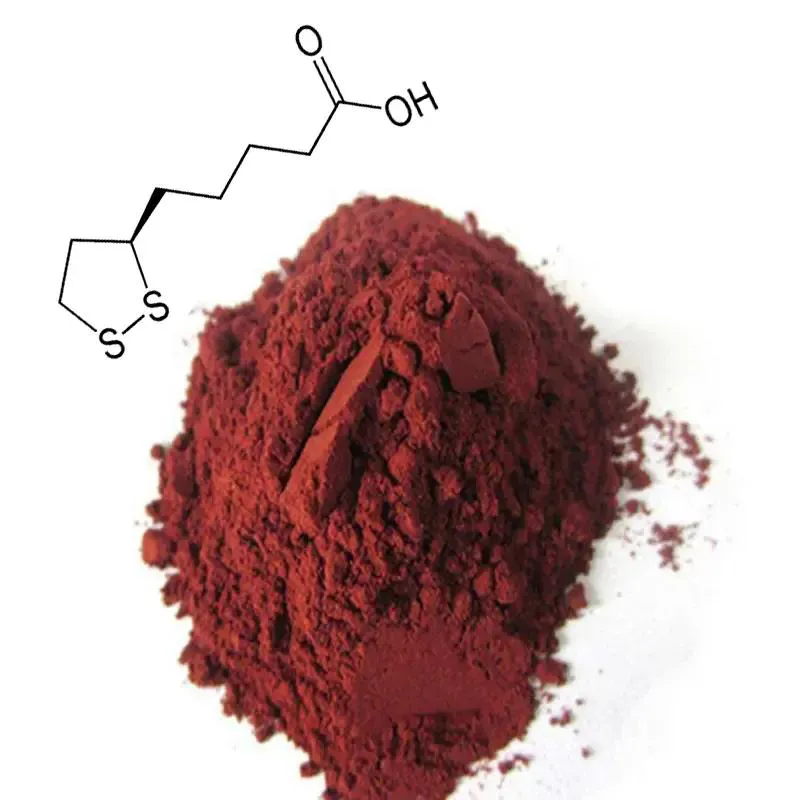
Spanning Cell Membranes: Unlike other antioxidants, astaxanthin spans the entire cell membrane, protecting both the inner and outer lipid bilayers
No Pro-Oxidant Activity: Unlike beta-carotene and vitamin E, astaxanthin does not become a pro-oxidant even at high concentrations
Singlet Oxygen Quenching: Exceptional ability to neutralize singlet oxygen, one of the most damaging reactive oxygen species
Multi-Target Protection: Simultaneously protects skin, eyes, brain, heart, and joints from oxidative damage
Anti-Inflammatory Action: Downregulates NF-κB and reduces inflammatory cytokine production
3. Clinical Evidence for Skin Health and Anti-Aging Benefits
Astaxanthin has demonstrated remarkable benefits for skin health in multiple clinical studies:
Key Findings:
A 2012 study in Acta Nutrition found that 6 mg/day of astaxanthin for 6 weeks significantly improved skin elasticity, reduced fine wrinkles, and increased moisture content
Research published in the Journal of Clinical Biochemistry and Nutrition showed that combined oral (6 mg) and topical application of astaxanthin improved age-spot size, skin texture, and corneocyte layer conditions
A Japanese study demonstrated that astaxanthin supplementation reduced UV-induced skin damage and improved the skin's natural photoprotective capacity
Clinical trials show significant improvement in skin moisture retention, elasticity, and smoothness within 4-8 weeks of daily supplementation
Anti-Aging Mechanisms:
Protects collagen fibers from oxidative degradation
Reduces matrix metalloproteinase (MMP) activity that breaks down collagen
Enhances skin moisture retention through improved barrier function
Provides internal photoprotection against UV damage
4. Astaxanthin for Eye Health and Visual Fatigue Relief
Astaxanthin is one of the few carotenoids that can cross the blood-retinal barrier, making it uniquely effective for eye health:
Clinical Evidence:
A study published in Biotherapy found that astaxanthin supplementation significantly reduced eye fatigue, blurred vision, and eye strain in computer users
Research demonstrated improved accommodation (focusing ability) and reduced ciliary muscle fatigue
Studies show protective effects against age-related macular degeneration (AMD)
Improves blood flow to retinal tissue, supporting overall eye health
Recommended for:
Digital screen users experiencing eye fatigue
Age-related eye health support
Visual acuity maintenance
Post-surgical eye recovery support
5. Athletic Performance and Recovery: What the Research Shows
Astaxanthin has gained popularity in the sports nutrition market due to its ability to support exercise performance and recovery:
Research Highlights:
A study in the Journal of the International Society of Sports Nutrition found that 4 mg/day of astaxanthin for 3 weeks improved cycling time trial performance
Research shows reduced exercise-induced muscle damage and faster recovery
Studies demonstrate enhanced fat utilization during exercise, supporting endurance
Anti-inflammatory effects help reduce post-exercise muscle soreness
6. Natural vs. Synthetic Astaxanthin: Critical Differences
Feature Natural (H. pluvialis) Synthetic Source Microalgae fermentation Petrochemical synthesis Stereoisomer Profile 3S, 3'S (bioactive form) Mixed isomers (less bioactive) Antioxidant Activity Superior Significantly lower Bioavailability Higher Lower Consumer Preference "Natural" label "Artificial" label Regulatory Status Generally preferred for supplements Restricted in some markets Cost Higher Lower
Important Note: For dietary supplements and functional foods, natural astaxanthin from Haematococcus pluvialis is strongly preferred and commands a premium price in the market.
7. Recommended Dosage for Different Applications
Application Daily Dosage Best Format Skin Health & Anti-Aging 4-12 mg Softgel or oil Eye Health 4-6 mg Softgel or capsule Athletic Performance 4-12 mg Softgel General Antioxidant Support 2-4 mg Capsule, gummy, beverage Cardiovascular Support 6-12 mg Softgel
Note: Astaxanthin is fat-soluble and should be taken with meals containing dietary fat for optimal absorption.
8. How to Source Premium Astaxanthin from Reliable Manufacturers
Key Selection Criteria:
Algae Strain: High-yield Haematococcus pluvialis strains ensure consistent astaxanthin content
Extraction Method: Supercritical CO₂ extraction preserves the full spectrum of carotenoids
Oleoresin vs. Powder: Oleoresin (10% astaxanthin) for further processing; water-dispersible powder for beverages
Heavy Metal Testing: Essential due to algal cultivation requirements
Microalgae Purity: Ensure no contamination from other algal species
Stability Testing: Astaxanthin is sensitive to light, heat, and oxygen — proper packaging is critical
Certifications: Organic, GMP, ISO22000, BRCGS
9. Stability, Bioavailability and Formulation Considerations
Stability Challenges:
Astaxanthin is highly sensitive to oxygen, light, and heat
Proper nitrogen-flushed packaging is essential
Recommended storage: Cool, dark, dry conditions (below 25°C)
Shelf life: 24 months with proper packaging
Bioavailability Enhancement:
Oil-based delivery: Softgels with carrier oils (MCT, olive oil) significantly improve absorption
Microencapsulation: Water-dispersible forms enable beverage applications
Liposomal delivery: Emerging technology for enhanced bioavailability
Esterified vs. Free Form: Esterified astaxanthin (natural form in algae) may have different absorption kinetics
Formulation Tips:
Combine with dietary fats or oils for oral supplements
Avoid high-temperature processing where possible
Use oxygen-barrier packaging materials
Consider combination formulas with complementary antioxidants (Vitamin E, CoQ10, Lutein)
10. Why Greensky Is Your Trusted Astaxanthin Supply Partner
Greensky Bio offers comprehensive astaxanthin sourcing solutions:
Our Capabilities:
Premium Natural Astaxanthin: Sourced from cultivated Haematococcus pluvialis
Multiple Specifications: Oleoresin (5%, 10%), water-dispersible powder (2%, 5%)
Advanced Testing: HPLC, UV analysis for astaxanthin content verification
Quality Certifications: ISO22000, BRCGS, GMP, Ecocert Organic
Stable Supply Chain: Reliable year-round production capacity
Export Experience: Serving European, American, Korean, and Russian markets
Technical Support: Formulation guidance and application consulting
Available Products:
Astaxanthin Oleoresin 5% / 10% (Supercritical CO₂ Extract)
Astaxanthin Water-Dispersible Powder 2% / 5%
Custom specification upon request
Contact Greensky Bio today for samples, COA, and competitive B2B pricing.
Greensky Bio — Natural Plant Extract Manufacturer Since 2004
- ▶ Hesperidin
- ▶ Citrus Bioflavonoids
- ▶ Plant Extract
- ▶ lycopene
- ▶ Diosmin
- ▶ Grape seed extract
- ▶ Sea buckthorn Juice Powder
- ▶ Fruit Juice Powder
- ▶ Hops Extract
- ▶ Artichoke Extract
- ▶ Mushroom extract
- ▶ Astaxanthin
- ▶ Green Tea Extract
- ▶ Curcumin
- ▶ Horse Chestnut Extract
- ▶ Other Product
- ▶ Boswellia Serrata Extract
- ▶ Resveratrol
- ▶ Marigold Extract
- ▶ Grape Leaf Extract
- ▶ New Product
- ▶ Aminolevulinic acid
- ▶ Cranberry Extract
- ▶ Red Yeast Rice
- ▶ Red Wine Extract
- ▶ blog
-
Sea buckthorn oil
2026-10-31
-
Baicalin
2026-10-31
-
Nettle Root Extract
2026-10-31
-
Medicinal Marshmallow Extract
2026-10-31
-
Honeysuckle Pollen
2026-10-31
-
Kelp Extract Powder
2026-10-31
-
Kupilu Extract
2026-10-31
-
Carrageenan Extract Powder
2026-10-31
-
Ginger Extract
2026-10-31
-
Hesperidin
2026-10-31