- 0086-571-85302990
- [email protected]




The Rising Demand for Natural Astaxanthin in Global Health Markets
2026-09-21
The Rising Demand for Natural Astaxanthin in Global Health Markets
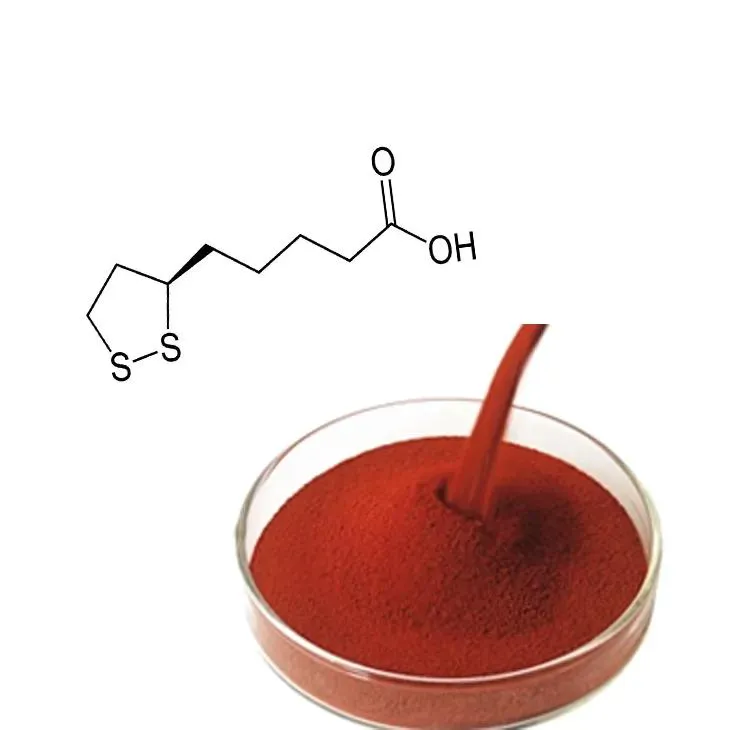
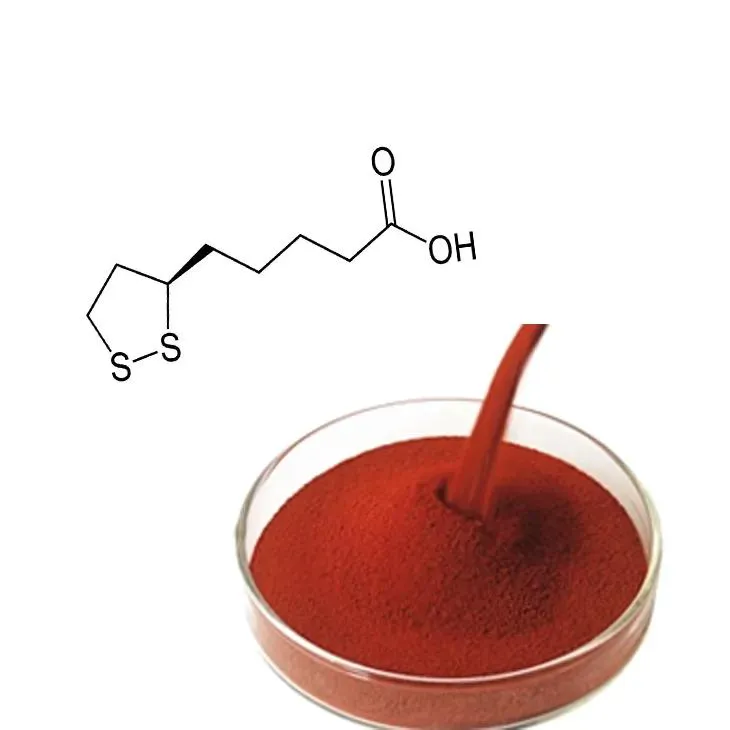
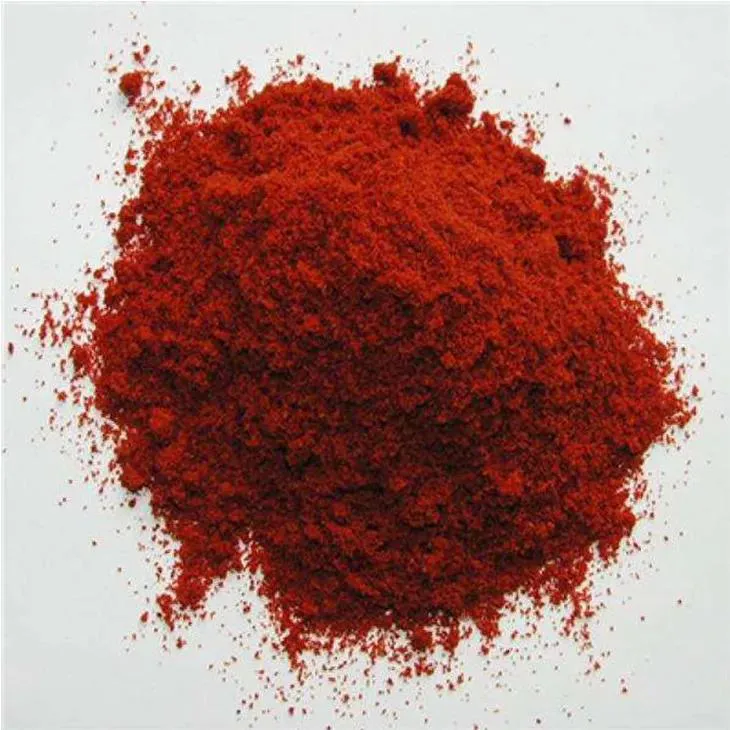
Natural Astaxanthin — the powerful red pigment derived from microalgae — has emerged as one of the fastest-growing ingredients in the global health and wellness industry. With antioxidant potency up to 6,000 times stronger than vitamin C, this marine-derived carotenoid is capturing the attention of consumers, formulators, and investors alike. The global Astaxanthin market, valued at approximately USD 1.2 billion in 2024, is projected to grow at a compound annual growth rate (CAGR) of over 15% through 2030, driven by rising consumer awareness of preventive health, clean-label preferences, and expanding applications across multiple industries.
As a leading plant extract manufacturer and natural ingredients supplier, GreenSky Bio has been closely tracking these shifts. In this article, we explore the forces reshaping the astaxanthin market and what they mean for businesses operating in the botanical extract space.
Market Growth: Why Natural Astaxanthin Is Outpacing Its Synthetic Counterpart
Historically, synthetic astaxanthin — primarily produced from petrochemical sources — dominated the market due to lower production costs. However, the dynamics have shifted dramatically. The natural astaxanthin segment is now the fastest-growing subcategory, with consumers and regulators increasingly favoring bio-sourced, sustainable ingredients over petroleum-derived alternatives.
Several factors are fueling this transition:
Regulatory tightening: The European Food Safety Authority (EFSA) and the U.S. FDA have imposed stricter standards on synthetic carotenoid use in food and dietary supplements, prompting formulators to switch to natural sources.
Premiumization in supplements: Consumers are willing to pay 30–50% more for products labeled "natural," "clean," or "sustainably sourced." This pricing premium has made natural astaxanthin economically attractive for brand owners.
Sustainability credentials: Astaxanthin sourced from Haematococcus pluvialis microalgae grown in closed photobioreactor systems carries a significantly lower environmental footprint than petrochemical synthesis — a key selling point in ESG-conscious markets.
For botanical extract China producers and global sourcing partners alike, this trend represents a major opportunity. Companies that can demonstrate traceable, high-purity natural astaxanthin supply are well-positioned to capture a growing share of the premium segment.
Application Trends: From Dietary Supplements to Functional Foods and Cosmetics
Astaxanthin's versatility is one of its greatest commercial strengths. The ingredient is currently deployed across three major end-use sectors, each experiencing distinct growth patterns.
Dietary Supplements
The supplement industry remains the largest application area, accounting for roughly 45% of total astaxanthin demand. Products positioning astaxanthin for joint health, cardiovascular support, and skin beauty from within are driving volume growth. In Asia-Pacific — particularly China and Japan — astaxanthin-infused capsules and softgels are staple offerings in pharmacies and e-commerce channels. In North America and Europe, the ingredient is increasingly featured in multi-carotenoid formulas and sports nutrition products.
Cosmetics and Personal Care
The cosmetics sector is the fastest-growing application channel for astaxanthin. Its proven ability to neutralize free radicals, protect against UV-induced skin damage, and reduce visible signs of aging has made it a star ingredient in anti-aging creams, serums, and sunscreens. The global natural cosmetics market, projected to exceed USD 54 billion by 2028, is a significant tailwind. Formulators are pairing astaxanthin with other botanical actives to create multi-functional skincare products that appeal to clean-beauty consumers.
Food and Beverages
Functional foods and beverages represent an emerging opportunity. Astaxanthin is being incorporated into energy drinks, sports recovery beverages, and fortified snacks as a natural colorant and health ingredient simultaneously. Its vivid red-orange hue makes it an attractive alternative to synthetic colorants such as Red 40, which face growing consumer skepticism and regulatory scrutiny.
Consumer Preferences: The Clean-Label Revolution
Today's health-conscious consumers read ingredient labels. The clean-label movement — now a mainstream expectation rather than a niche preference — is reshaping product development across the health, beauty, and food sectors. Key consumer demand drivers include:
Transparency: Shoppers want to know the origin, extraction method, and purity of every ingredient. Certifications such as organic, non-GMO, and sustainably sourced carry significant weight at the point of purchase.
Science-backed claims: Consumers are more educated than ever. They expect clinical evidence behind ingredient claims, which benefits astaxanthin given its extensive research base with over 700 peer-reviewed studies.
Plant-based and vegan positioning: As the global shift toward plant-based products accelerates, microalgae-derived ingredients like natural astaxanthin align perfectly with vegan and vegetarian consumer values.
For a natural ingredients supplier operating in today's market, the ability to provide comprehensive documentation — from cultivation certificates to third-party lab analysis — is no longer optional. It is a competitive necessity.
Supply Chain Dynamics: Opportunities and Challenges
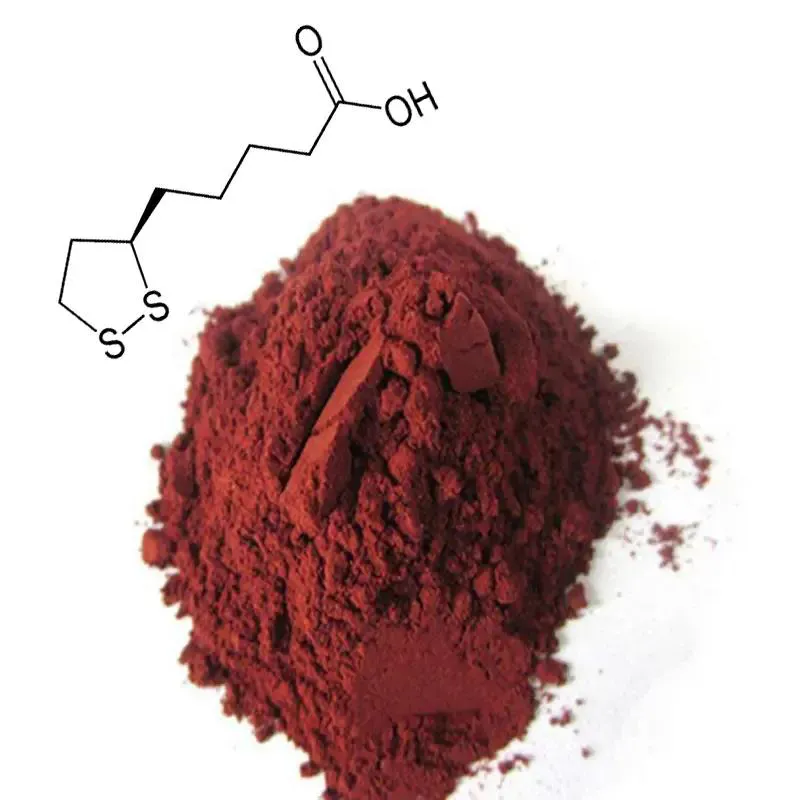
The astaxanthin supply chain involves cultivation of Haematococcus pluvialis, extraction (typically via supercritical CO₂ or solvent-based methods), purification, and distribution. While demand surges, the supply side faces its own set of challenges and opportunities.
Cultivation scale-up is the primary bottleneck. High-quality natural astaxanthin requires controlled growing conditions — precise temperature, light intensity, and nutrient management — to maximize astaxanthin accumulation in algal cells. Producers investing in advanced photobioreactor and open-pond hybrid systems are seeing improved yields and more consistent product quality.
China's role in the supply chain continues to strengthen. As one of the world's largest producers of microalgae and botanical extract China outputs, the country benefits from established manufacturing infrastructure, competitive production costs, and a growing pool of R&D talent in phycology and natural product chemistry. International buyers increasingly partner with Chinese manufacturers who can deliver consistent quality at scale, provided they maintain rigorous quality management systems and international certifications.
Price volatility remains a consideration. Natural astaxanthin prices have fluctuated between USD 2,000 and USD 5,000 per kilogram of pure extract depending on purity grade, source, and market conditions. However, as cultivation technology matures and production capacity expands, prices are expected to gradually stabilize — making astaxanthin accessible to a broader range of product categories.
Conclusion
The global demand for natural astaxanthin is being propelled by a powerful convergence of factors: regulatory pressure against synthetic alternatives, growing scientific validation of health benefits, the clean-label consumer movement, and expanding applications across supplements, cosmetics, and functional foods. For businesses in the natural ingredients space, astaxanthin represents both a growth opportunity and a strategic imperative.
At GreenSky Bio, we specialize in delivering premium natural astaxanthin and a broad portfolio of plant extract solutions backed by rigorous quality control, transparent sourcing, and competitive pricing. Whether you are formulating the next breakthrough supplement or developing a clean-label cosmetic line, our team is ready to support your ingredient needs with reliable supply and expert technical guidance.
- ▶ Hesperidin
- ▶ Citrus Bioflavonoids
- ▶ Plant Extract
- ▶ lycopene
- ▶ Diosmin
- ▶ Grape seed extract
- ▶ Sea buckthorn Juice Powder
- ▶ Fruit Juice Powder
- ▶ Hops Extract
- ▶ Artichoke Extract
- ▶ Mushroom extract
- ▶ Astaxanthin
- ▶ Green Tea Extract
- ▶ Curcumin
- ▶ Horse Chestnut Extract
- ▶ Other Product
- ▶ Boswellia Serrata Extract
- ▶ Resveratrol
- ▶ Marigold Extract
- ▶ Grape Leaf Extract
- ▶ New Product
- ▶ Aminolevulinic acid
- ▶ Cranberry Extract
- ▶ Red Yeast Rice
- ▶ Red Wine Extract
- ▶ blog
-
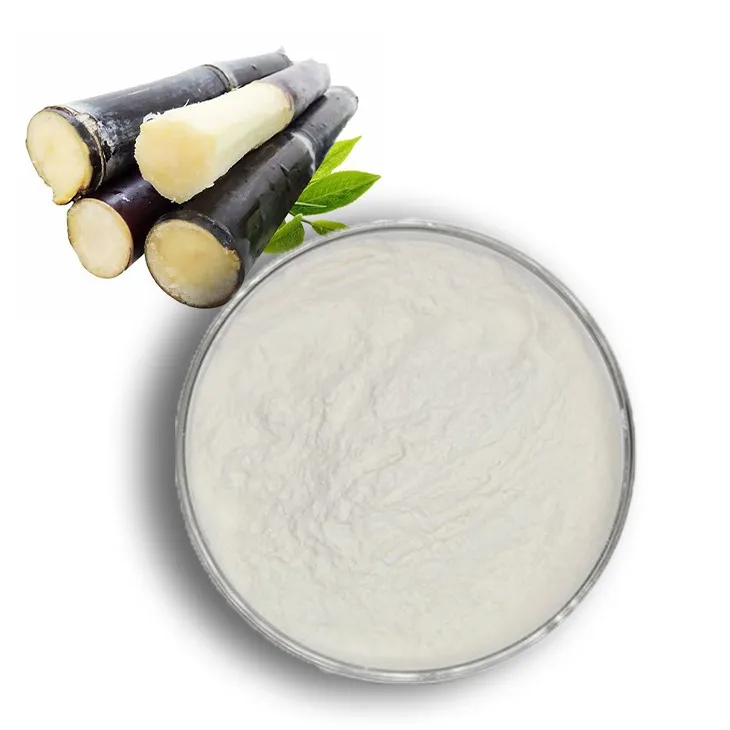
Sugarcane Extract
2026-09-21
-
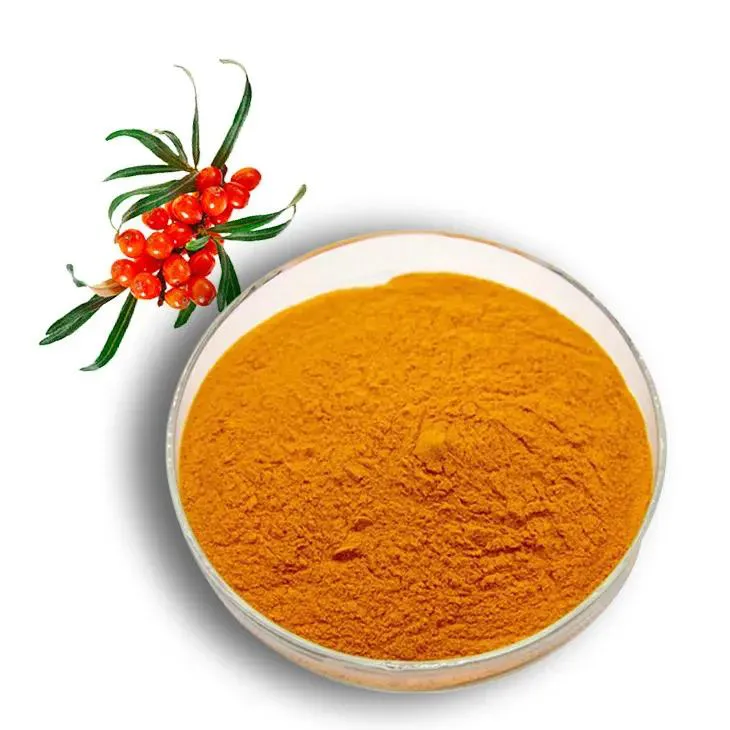
Sea buckthorn Juice Powder
2026-09-21
-
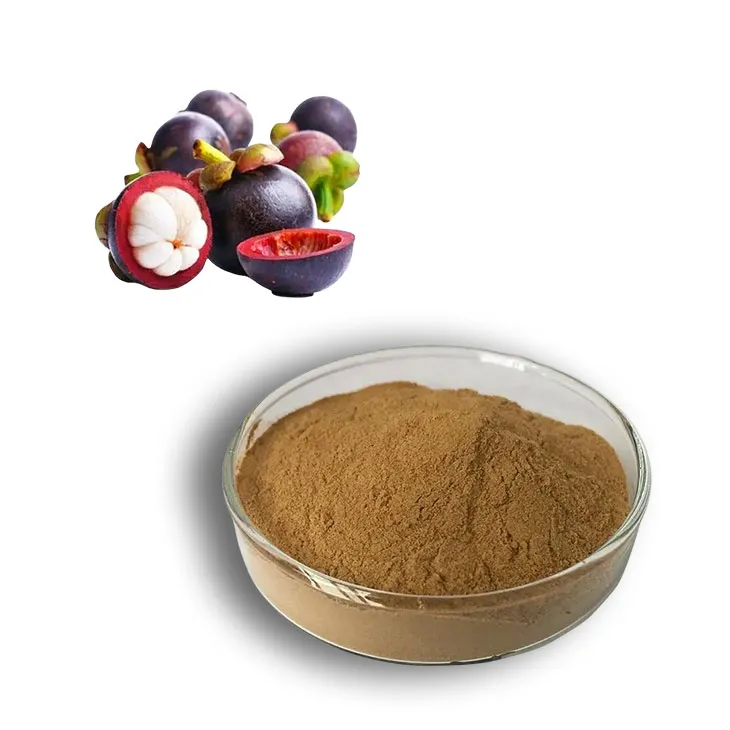
Mangosteen extract powder
2026-09-21
-
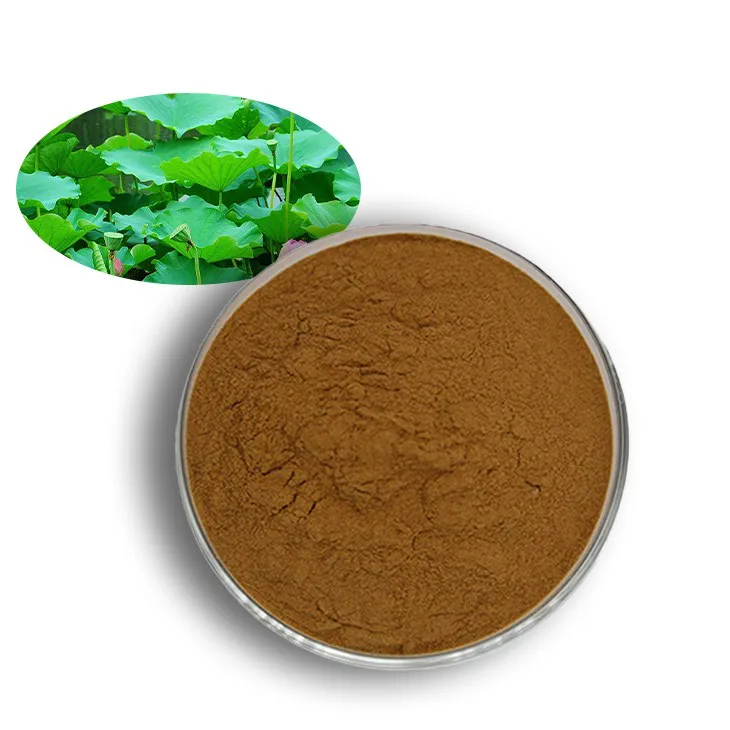
Lotus leaf extract
2026-09-21
-
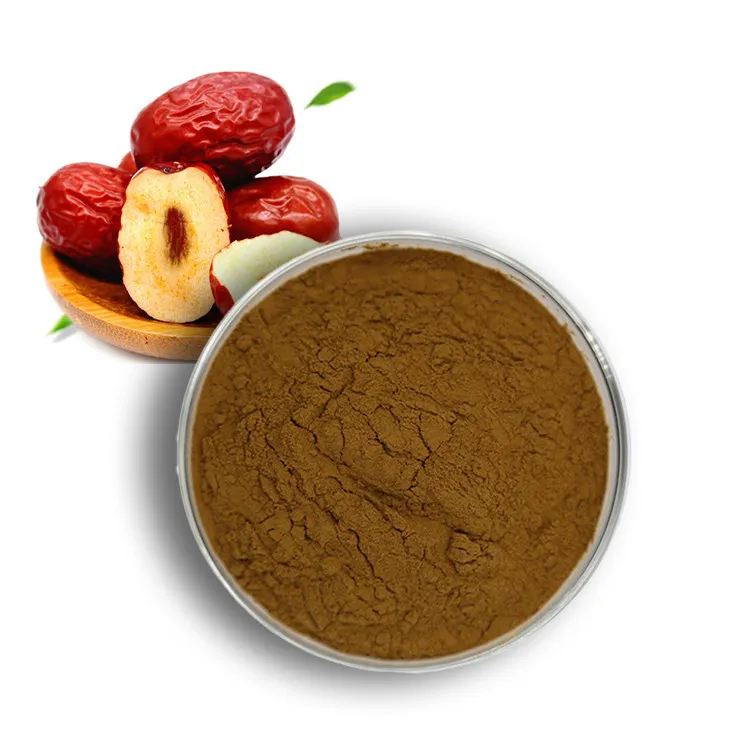
Jujube Extract
2026-09-21
-
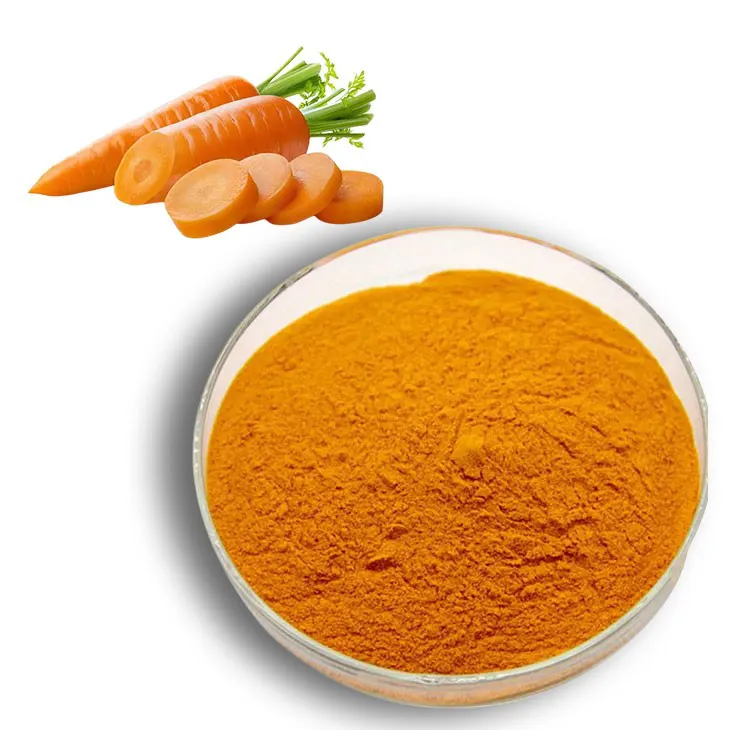
Beta Carotene
2026-09-21
-
Hawthorn Extract
2026-09-21
-
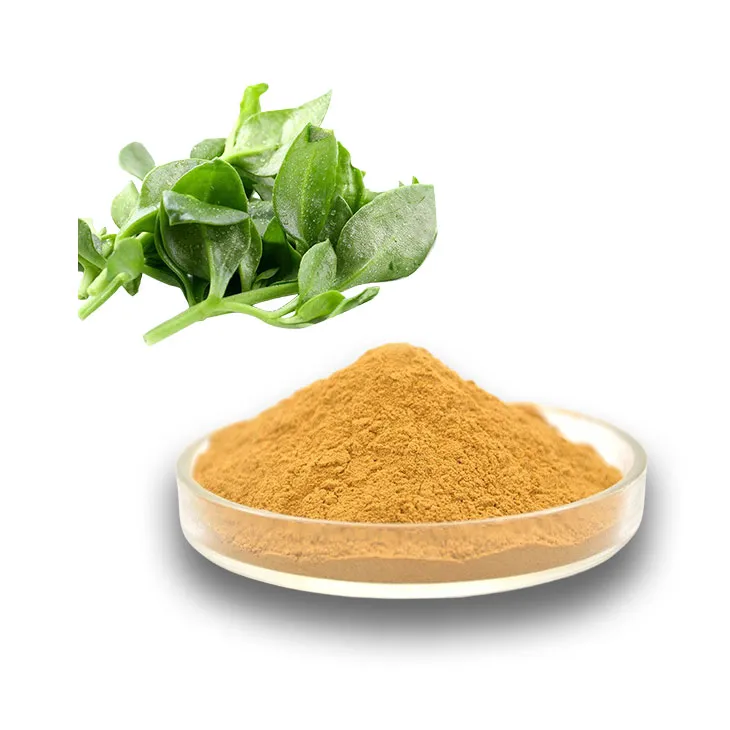
Andrographis Paniculata Extract Powder
2026-09-21
-
White Peony Extract
2026-09-21
-
Liposomal Berberine HCl
2026-09-21