- 0086-571-85302990
- [email protected]




The Complete Guide to Phyllanthus Emblica (Amla) Extract: Antioxidant Superfruit, Applications & Sup
2026-09-02
Introduction
For millennia, Phyllanthus emblica — known in Sanskrit as "Amalaki" and celebrated as one of the three fruits in Ayurveda's legendary Triphala formula — has held a revered place in South Asian medicine as a rasayana, or rejuvenating tonic. Modern science has confirmed its exceptional status: Amla contains one of the highest natural concentrations of vitamin C (ascorbic acid) of any fruit on Earth, along with a unique complex of hydrolyzable tannins called emblicanins that exhibit extraordinary antioxidant, hepatoprotective, and anti-aging properties. In this guide, we explore everything formulators and buyers need to know about Phyllanthus Emblica Extract — its extraordinary phytochemistry, evidence-based benefits, diverse commercial applications, and the quality standards that separate premium extracts from commodity-grade material.
Part 1: What Is Phyllanthus Emblica (Amla) Extract?
Botanical Profile
| Parameter | Detail |
|---|---|
| Botanical Name | Phyllanthus emblica L. (syn. Emblica officinalis Gaertn.) |
| Family | Phyllanthaceae (formerly Euphorbiaceae) |
| Common Names | Amla, Indian Gooseberry, Amalaki, 余甘子 |
| Part Used | Fruit (whole or dried) |
| Primary Growing Regions | India, Nepal, Southeast Asia, Southern China |
Phyllanthus emblica is a small to medium-sized deciduous tree cultivated extensively across the Indian subcontinent. The fruit — a pale green, sour-tasting berry approximately 2–3 cm in diameter — is one of the most widely used botanicals in Ayurvedic medicine, appearing in over 1,000 documented formulations.
Key Active Constituents
Amla's phytochemical profile is remarkably complex, featuring several unique compound classes:
1. Vitamin C (Ascorbic Acid)
Amla fruit contains 600–700 mg of vitamin C per 100 g of fresh fruit — approximately 10–20× the content of oranges. Unlike synthetic ascorbic acid, Amla's vitamin C exists in a natural matrix with polyphenols that enhance its stability and bioavailability.
2. Hydrolyzable Tannins — Emblicanins
Amla contains a unique class of galloyl glucose esters that distinguish it from all other botanical sources:
| Compound | Significance |
|---|---|
| Emblicanin A | Potent antioxidant, hepatoprotective |
| Emblicanin B | Anti-inflammatory, metal-chelating |
| Punigluconin | Antioxidant and antimicrobial |
| Pedunculagin | Free-radical scavenging activity |
| Ellagic acid derivatives | Anti-carcinogenic, anti-inflammatory |
3. Other Bioactive Compounds
Flavonoids — Quercetin, kaempferol, and rutin derivatives
Gallic acid — A phenolic acid with demonstrated antioxidant and antimicrobial properties
Chebulic acid — Unique tannin metabolite with antioxidant activity
Minerals — Rich in iron, calcium, phosphorus, and chromium
Amino acids — Including all essential amino acids
Available Specifications
We supply Phyllanthus Emblica Extract in multiple formats to match diverse application needs:
| Specification | Marker Compound | Typical Value |
|---|---|---|
| Vitamin C Standardized | Ascorbic Acid | 25–50% |
| Tannin Standardized | Total Tannins | 30–60% |
| Ellagic Acid Standardized | Ellagic Acid | 10–40% |
| Gallic Acid Standardized | Gallic Acid | 15–30% |
| Full-Spectrum (4:1 to 10:1) | Multiple markers | Per COA |
| Triphala Blend (Amla-based) | Combined markers | Per COA |
Each batch is supplied with a comprehensive Certificate of Analysis including HPLC/UPLC profiles and full microbiological and contaminant testing.
Quality Documentation
Every shipment includes:
Certificate of Analysis (COA) — Full chromatographic profiles, vitamin C quantification, tannin content, heavy metals, pesticide residues, microbial limits
Third-party test reports — Independent laboratory verification available upon request
Organic certification — USDA Organic, EU Organic, and India Organic (NPOP) certified batches available
Part 2: Core Benefits & Mechanisms of Action
1. Extraordinary Antioxidant & Anti-Aging Activity
Mechanism: The combination of vitamin C, emblicanins, gallic acid, and ellagic acid creates a synergistic antioxidant network that neutralizes free radicals through multiple mechanisms: direct radical scavenging, metal ion chelation (iron and copper), and upregulation of endogenous antioxidant enzymes (SOD, catalase, glutathione peroxidase). Emblicanin A has been shown to have a higher oxygen radical absorbance capacity (ORAC) than many individual antioxidants.
Evidence: A study in the Journal of Medicinal Food (2005) demonstrated that Amla extract exhibited significantly higher antioxidant activity than vitamin C alone, confirming the synergistic effect of its phytochemical complex. Research published in Food Chemistry (2010) confirmed that Amla's ORAC value exceeds that of most commonly consumed fruits by a factor of 5–10×.
2. Hepatoprotective & Detoxification Support
Mechanism: Emblicanins and gallic acid protect hepatocytes by reducing lipid peroxidation, enhancing glutathione (GSH) levels, and modulating cytochrome P450 enzyme activity. Amla extract also demonstrates chelating activity against heavy metals, supporting the body's natural detoxification pathways.
Evidence: A study in the Indian Journal of Pharmacology (2009) showed that Amla extract significantly reduced markers of liver damage (ALT, AST, ALP) in paracetamol-induced hepatotoxicity models. Research in Pharmaceutical Biology (2013) confirmed hepatoprotective effects in alcohol-induced liver injury models, with effects comparable to silymarin.
3. Cardiovascular Health Support
Mechanism: Amla's chromium content contributes to improved insulin sensitivity, while its tannins inhibit HMG-CoA reductase (the same enzyme targeted by statin drugs), supporting healthy cholesterol levels. The vitamin C and flavonoid complex strengthens capillary walls and reduces arterial oxidative damage.
Evidence: A clinical trial published in the Indian Journal of Physiology and Pharmacology (1989, with follow-up studies) demonstrated that daily Amla supplementation significantly reduced total cholesterol, LDL cholesterol, and triglyceride levels in hyperlipidemic subjects. More recent research in the Journal of Ethnopharmacology (2011) confirmed these lipid-lowering effects and identified the specific tannin fractions responsible.
4. Immune System Enhancement
Mechanism: The high vitamin C content stimulates neutrophil and lymphocyte function, enhances interferon production, and supports thymic activity. Additionally, Amla's polysaccharides have been shown to activate macrophage phagocytosis and modulate cytokine production (IL-2, IFN-γ).
Evidence: Research in the International Immunopharmacology journal (2011) demonstrated that Amla fruit extract significantly enhanced both innate and adaptive immune responses in animal models, with dose-dependent increases in antibody production and T-cell proliferation.
5. Gastrointestinal & Digestive Health
Mechanism: Amla's tannin content exerts astringent and anti-inflammatory effects on the gastrointestinal mucosa. It also promotes beneficial gut microbiota composition by acting as a prebiotic substrate. The mild laxative effect of certain tannin fractions supports regular bowel function.
Evidence: A study in BMC Complementary and Alternative Medicine (2015) found that Amla extract improved gastric ulcer healing in rat models by enhancing mucosal defense mechanisms and reducing gastric acid secretion.
6. Skin Health & Topical Applications
Mechanism: Topical Amla extract delivers vitamin C directly to the skin, where it serves as an essential cofactor for collagen synthesis (prolyl and lysyl hydroxylase enzymes). The tannin and flavonoid complex provides UV-protective antioxidant activity and inhibits tyrosinase, supporting even skin tone.
Evidence: Research published in Phytotherapy Research (2005) demonstrated that Amla extract significantly increased collagen production in human fibroblast cultures and reduced MMP-1 expression, a key enzyme in collagen degradation. A cosmetic formulation study in the Journal of Cosmetic Dermatology (2013) confirmed improved skin elasticity and reduced wrinkle depth with topical Amla application.
Part 3: Wide-Ranging Application Areas
Nutraceuticals & Dietary Supplements
Phyllanthus emblica is a rapidly growing ingredient in the global superfruit supplement market:
Immune Support Capsules — Standalone or combined with elderberry, echinacea, and zinc
Antioxidant Complexes — Premium formulations targeting cellular health and longevity
Liver Support Formulations — Combined with milk thistle, turmeric, and dandelion for comprehensive hepatoprotection
Triphala Products — Amla as the primary component (60–70%) of this iconic Ayurvedic blend
Vitamin C Supplements — Natural, food-state vitamin C as an alternative to synthetic ascorbic acid
Functional Foods & Beverages
Superfruit Juices & Blends — Amla juice and nectar in the expanding functional beverage category
Energy & Wellness Shots — Natural vitamin C and antioxidant source in concentrated formats
Gummies & Chewables — Consumer-friendly formats driving growth in the vitamin C supplement segment
Tea & Herbal Infusions — Dried Amla pieces and extracts in wellness tea blends
Protein & Meal Replacement Powders — Added as a natural antioxidant and vitamin C source
Cosmetics & Personal Care
Anti-Aging Serums & Creams — Vitamin C-driven collagen synthesis and antioxidant protection
Brightening & Even-Tone Products — Tyrosinase-inhibiting properties for hyperpigmentation management
Hair Care Formulations — Traditional Amla oil and modern extract-based shampoos, conditioners, and hair masks for strength, shine, and scalp health
Natural Sunscreen Adjuncts — Antioxidant boosters that complement UV filters
Body Care & Spa Products — Exfoliating scrubs, body butters, and massage oils
Animal Health & Feed Additives
Poultry Production — Amla powder as a natural growth promoter and stress reducer in organic poultry farming
Aquaculture — Immune booster in fish and shrimp feed formulations
Pet Supplements — Antioxidant and coat-health ingredients in premium pet nutrition
Food Preservation
Natural Antioxidant — Amla extract as a clean-label alternative to synthetic antioxidants (BHA, BHT) in food processing
Shelf-Life Extension — Lipid oxidation inhibitor in meat, oil, and snack food applications
Part 4: Key Factors in Choosing a Premium Phyllanthus Emblica Extract
Standardization & Marker Selection
Amla's complex phytochemical profile means that standardization choice should be application-driven:
Vitamin C standardization — Best for immune support and natural vitamin C supplement positioning
Tannin standardization — Optimal for antioxidant and hepatoprotective formulations
Ellagic acid standardization — Preferred for premium anti-aging and oncology-research applications
Full-spectrum extracts — Ideal when the complete phytochemical matrix (synergistic effects) is desired
Extraction Method Matters
Water extraction — Preserves the natural vitamin C-tannin complex, ideal for food-grade applications
Ethanol/water extraction — Broader phytochemical recovery, suitable for nutraceutical and cosmetic use
Spray-dried powders — Most common commercial format; check for carrier agents (maltodextrin, silica) and their percentages
Freeze-dried powders — Premium format preserving maximum vitamin C and heat-sensitive compounds
Vitamin C Stability Considerations
Vitamin C is susceptible to degradation from heat, light, and oxygen. Quality suppliers should:
Use low-temperature extraction and drying processes
Package in moisture-proof, light-resistant materials
Provide stability data and recommended shelf-life specifications
Offer nitrogen-flushed packaging for high-vitamin-C products
Authenticity & Adulteration Risk
Amla's popularity has led to adulteration with cheaper vitamin C sources (citrus extracts, synthetic ascorbic acid). Reliable suppliers provide:
HPLC fingerprinting — Unique emblicanin/ellagic acid profile verification
Vitamin C source analysis — Confirming natural vs. synthetic origin
Stable isotope ratio analysis — Advanced testing for geographic and botanical origin verification
Quality Testing Standards
Reputable suppliers should provide comprehensive testing:
Vitamin C quantification — Titrimetric (USP) and HPLC methods
Tannin content — Folin-Ciocalteu or HPLC method
Heavy metals — Pb, Cd, As, Hg within pharmacopoeial limits
Pesticide residues — EU MRL and USDA panels
Microbial testing — Standard pharmacopoeial panel plus aflatoxin screening
Moisture content — Critical for powder stability
Part 5: Why Partner With Us
As an experienced botanical extract manufacturer with deep expertise in Ayurvedic and functional botanicals, we offer Phyllanthus Emblica Extract with these advantages:
Sustainably Sourced Raw Material — Direct relationships with certified organic Amla growers across India's Madhya Pradesh, Rajasthan, and Tamil Nadu regions
Multiple Standardization Options — From full-spectrum 4:1 extracts to highly concentrated vitamin C (50%) and ellagic acid (40%) specifications
Advanced Processing — Low-temperature extraction and spray-drying technology that preserves vitamin C potency and tannin integrity
Flexible Packaging — From 1 kg R&D samples in nitrogen-flushed bags to 25 kg drums for commercial production
Complete Documentation — COAs, third-party lab reports, organic certificates, Kosher/Halal certifications, and regulatory support packages
Competitive Pricing & Reliable Supply — Direct-from-source pricing with consistent quality and lead times you can plan around
Custom Blending — Pre-formulated Triphala blends or custom Amla-based combinations with complementary botanicals
Certifications — GMP, ISO 9001, ISO 22000, HACCP, USDA Organic, EU Organic, and FSSAI compliant
Conclusion & Call to Action
Phyllanthus emblica (Amla) represents one of nature's most compelling examples of phytochemical synergy — where vitamin C, unique tannins, and a broad spectrum of polyphenols work together to deliver antioxidant, hepatoprotective, immune-supporting, and skin-enhancing benefits that exceed what any single compound could achieve alone. As consumer demand for natural, scientifically validated superfruit ingredients continues to accelerate across nutraceutical, cosmetic, and functional food markets, securing a reliable, premium-quality Amla extract partner is essential for staying competitive.
Ready to explore Phyllanthus Emblica Extract for your next product?
Contact us for pricing — Competitive quotes for all standardization specifications
Request free samples — Test material for your R&D and quality assurance teams
Technical consultation available — Our experts will help you select the right extract format and specification for your target application
Complete regulatory documentation — Full COA packages, organic certificates, and market-specific compliance support included
Our botanical specialists are standing by to help you formulate with confidence. Whether you need a standard specification or a custom solution, we'll deliver the quality, consistency, and service your brand deserves. Get in touch today.
- ▶ Hesperidin
- ▶ Citrus Bioflavonoids
- ▶ Plant Extract
- ▶ lycopene
- ▶ Diosmin
- ▶ Grape seed extract
- ▶ Sea buckthorn Juice Powder
- ▶ Fruit Juice Powder
- ▶ Hops Extract
- ▶ Artichoke Extract
- ▶ Mushroom extract
- ▶ Astaxanthin
- ▶ Green Tea Extract
- ▶ Curcumin
- ▶ Horse Chestnut Extract
- ▶ Other Product
- ▶ Boswellia Serrata Extract
- ▶ Resveratrol
- ▶ Marigold Extract
- ▶ Grape Leaf Extract
- ▶ New Product
- ▶ Aminolevulinic acid
- ▶ Cranberry Extract
- ▶ Red Yeast Rice
- ▶ Red Wine Extract
- ▶ blog
-
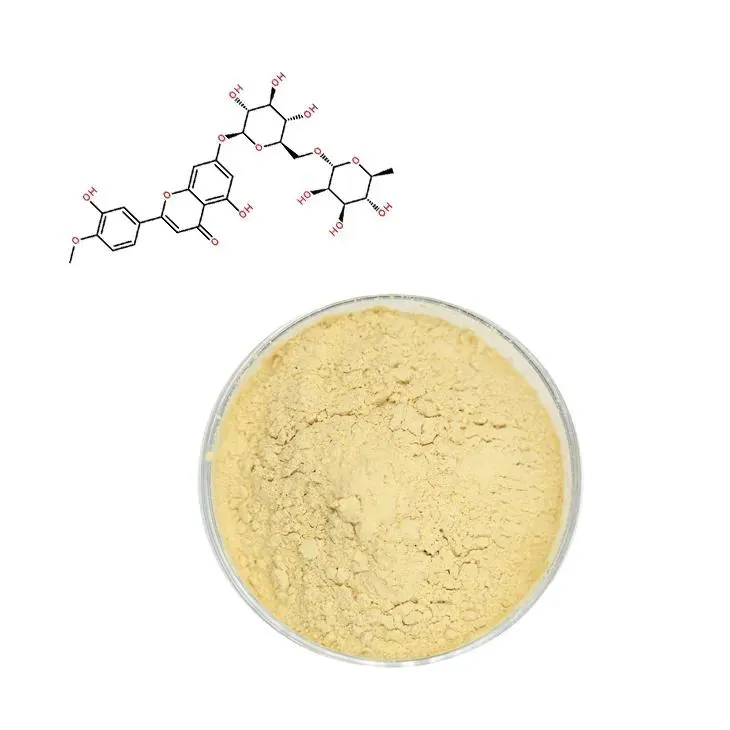
Diosmin
2026-09-02
-
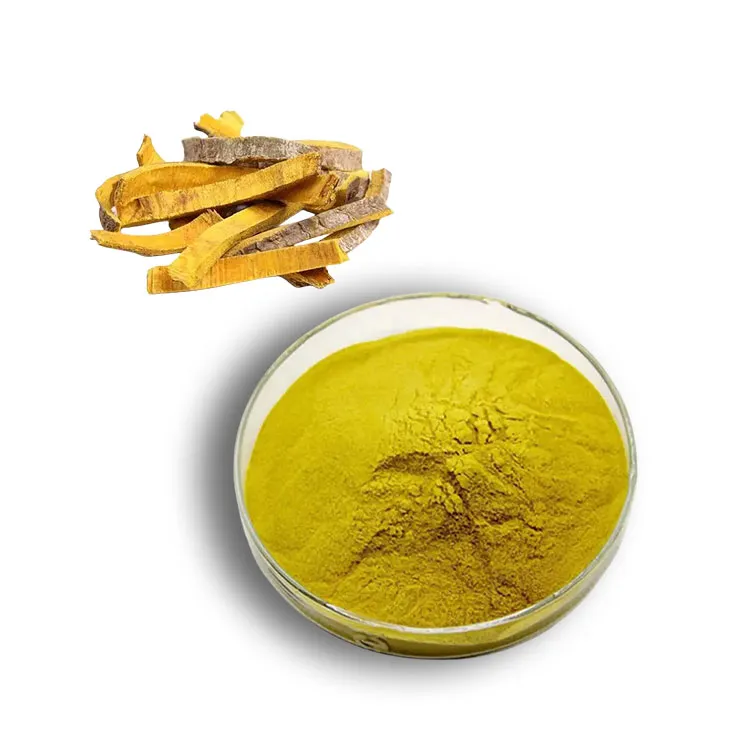
Phellodendron Extract
2026-09-02
-
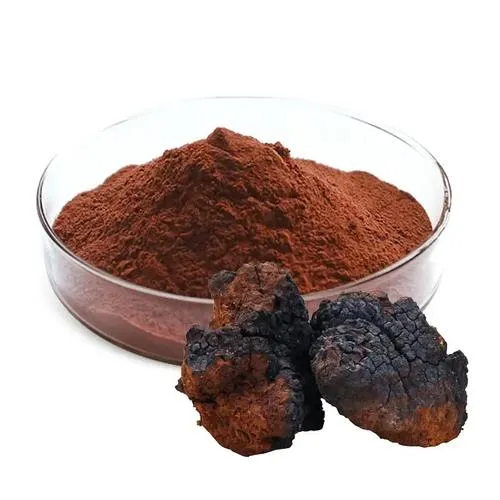
Chaga Mushroom Extract
2026-09-02
-
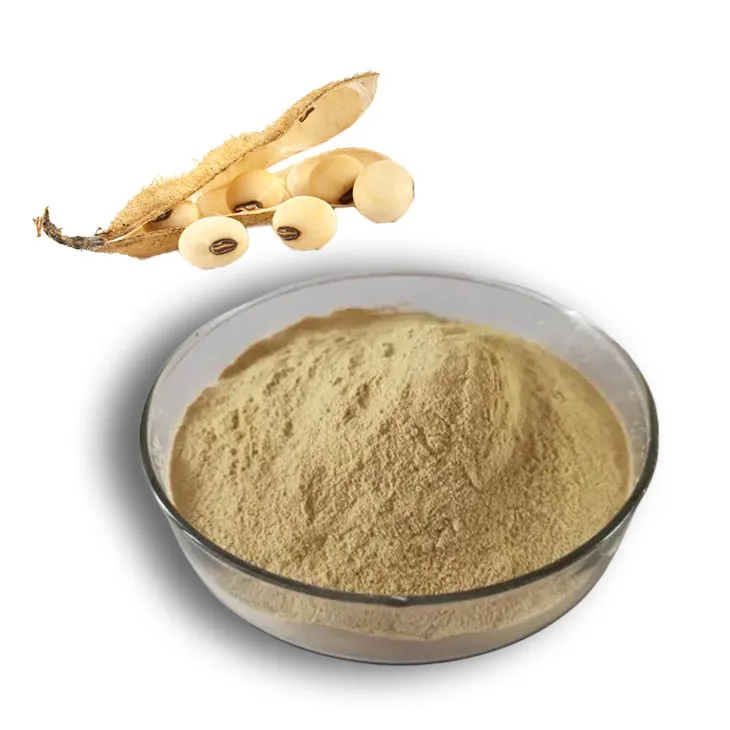
Soy Extract
2026-09-02
-
Calendula Extract
2026-09-02
-
Bilberry Extract
2026-09-02
-
Red Wine Extract
2026-09-02
-
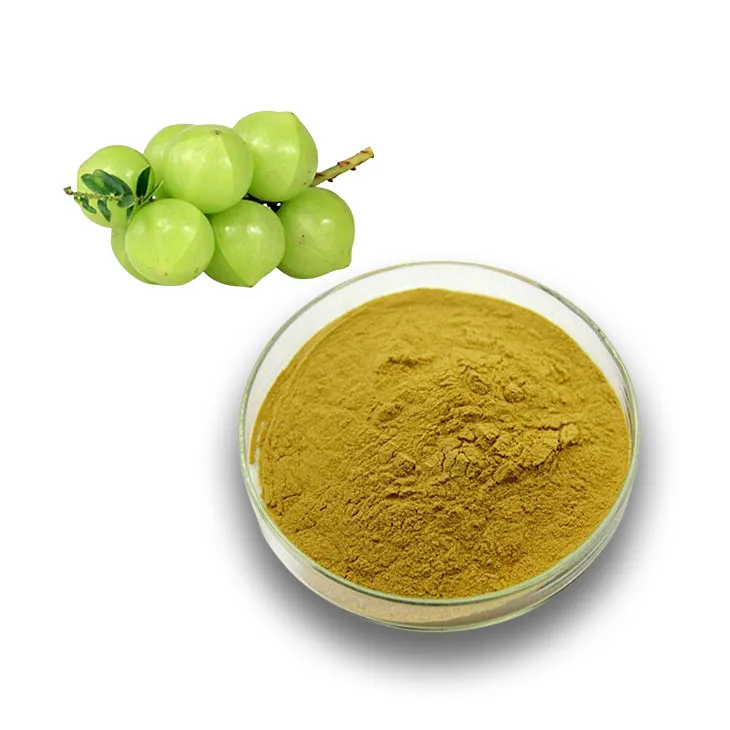
Phyllanthus Emblica Extract
2026-09-02
-
Cocoa Extract
2026-09-02
-
Apricot Powder
2026-09-02