- 0086-571-85302990
- [email protected]






β-Sitosterol Extract Complete Guide: Heart Health Powerhouse, Applications & Supplier Guid
2026-08-04
Meta Description: Discover everything about β-Sitosterol Extract (90% from Pinus pinaster) — from its clinically-proven cholesterol-lowering mechanisms to applications in cardiovascular supplements, functional foods, and animal nutrition. Greensky Bio, your trusted plant sterol partner.
Meta Keywords: beta-sitosterol extract, β-sitosterol 90%, phytosterol supplement, cholesterol support, Pinus pinaster, French maritime pine extract, plant sterols, cardiovascular health, natural cholesterol support, China beta-sitosterol supplier
URL Slug: /plant_extract/beta-sitosterol-extract-heart-health-complete-guide.html
Target Keywords:
Primary: "beta-sitosterol extract", "β-sitosterol 90%", "phytosterol supplement"
Secondary: "beta-sitosterol cholesterol", "plant sterols cardiovascular", "Pinus pinaster extract"
Long-tail: "beta-sitosterol 90% Pinus pinaster supplier", "phytosterol extract for cholesterol management", "plant sterol granulate for capsule production"
1. Introduction
Plant sterols have been a cornerstone of cardiovascular health research for over half a century. Among them, β-sitosterol stands out as the most abundant and most clinically studied phytosterol — naturally present in nuts, seeds, fruits, and vegetables. Today, β-sitosterol extract (standardized to 90% purity) is one of the most evidence-backed natural ingredients for supporting healthy cholesterol levels, with over 2,000 peer-reviewed publications validating its efficacy. The European Food Safety Authority (EFSA) and the U.S. FDA both recognize that plant sterols and stanols, including β-sitosterol, can reduce LDL cholesterol by 7-10.5% when consumed at 1.5-2.4 g/day as part of a healthy diet.
Hangzhou Greensky Biological Tech Co., Ltd — a professional natural plant extract manufacturer established in 2004 — offers premium β-sitosterol 90% sourced from Pinus pinaster (French Maritime Pine), with verified phytosterol profile, backed by ISO22000, BRCGS, Ecocert Organic, and SGS-GMP certifications.
2. What Is β-Sitosterol Extract?
β-Sitosterol is a phytosterol (plant sterol) whose molecular structure closely resembles cholesterol. This structural similarity is the key to its mechanism of action — it competes with dietary cholesterol for absorption in the intestines, effectively reducing the amount of cholesterol that enters the bloodstream.
2.1 Botanical Information
Item Details Latin Name Pinus pinaster Aiton Family Pinaceae (Pine family) Source Plant French Maritime Pine Main Growing Regions France (Landes region), Spain, Morocco Extraction Part Pine resin (oleoresin) Appearance White to off-white crystalline powder Odor Slight, characteristic pine odor
2.2 Key Active Compounds
β-Sitosterol is the dominant phytosterol in the extract, accompanied by complementary plant sterols:
Compound Typical Proportion Significance β-Sitosterol ≥ 90% Primary active; cholesterol-lowering efficacy Campesterol ≤ 5% Supporting phytosterol with synergistic activity Stigmasterol ≤ 2% Anti-inflammatory properties Other Phytosterols ≤ 3% Complementary sterol profile
2.3 Standard Specifications
Specification Standard β-Sitosterol (GC) ≥ 90% Total Phytosterols (GC) ≥ 95% Campesterol ≤ 5% Stigmasterol ≤ 2% Moisture ≤ 3.0% Ash ≤ 1.0% Residual Solvents Compliant with USP <467> Heavy Metals ≤ 10 ppm Arsenic ≤ 1.0 ppm Lead ≤ 2.0 ppm
2.4 Production Process
Raw Material Sourcing: Sustainable pine resin harvested from certified Pinus pinaster forests in the Landes region of France.
Resin Collection: Natural oleoresin is collected through sustainable tapping methods that do not harm the trees.
Solvent Extraction: Food-grade solvents extract the sterol fraction from the crude pine resin under controlled conditions.
Fractionation: Multi-stage crystallization separates β-sitosterol from other resin components (terpenes, acids).
Purification: Repeated recrystallization achieves 90%+ β-sitosterol purity.
Drying & Milling: Vacuum drying followed by controlled milling to target particle size.
Quality Testing: GC analysis for sterol profile, heavy metals, solvents, and microbiological safety.
2.5 Certificate of Analysis (Typical)
Test Item Result Specification Appearance White to off-white powder Complies β-Sitosterol (GC) 91.3% ≥ 90% Total Phytosterols (GC) 96.8% ≥ 95% Campesterol 3.2% ≤ 5% Moisture 1.8% ≤ 3.0% Heavy Metals < 5 ppm ≤ 10 ppm
3. Core Health Benefits & Mechanisms
3.1 Cholesterol Management — The Primary Mechanism
β-Sitosterol's most well-documented benefit is its ability to support healthy cholesterol levels through competitive inhibition of cholesterol absorption in the small intestine.
How it works: Because β-sitosterol's molecular structure closely mirrors that of cholesterol, it competes for the same micellar transport pathways in the intestinal lumen. When β-sitosterol occupies these pathways, less dietary cholesterol can be absorbed. The unabsorbed cholesterol and β-sitosterol are then excreted in feces. This triggers the liver to upregulate LDL receptor expression, increasing the clearance of LDL cholesterol from the bloodstream.
Clinical Evidence: A landmark meta-analysis published in the American Journal of Clinical Nutrition (AbuMweis et al., 2010) analyzed 41 randomized controlled trials and found that plant sterols — with β-sitosterol as the predominant compound — reduced LDL cholesterol by an average of 9.5% at doses of 1.5-2.4 g/day. The European Food Safety Authority (EFSA) has issued a positive health claim for plant sterols and cholesterol reduction (EFSA Journal 2009; 781).
3.2 Prostate Health Support
β-sitosterol has been extensively studied for its role in supporting prostate health and urinary function in men.
How it works: β-sitosterol modulates inflammatory pathways in the prostate gland by inhibiting the production of pro-inflammatory prostaglandins (PGE2) and suppressing 5-lipoxygenase activity. It also appears to influence growth factor signaling in prostate tissue.
Clinical Evidence: A systematic review published in BJU International (Wilt et al., 1999) evaluated four randomized, double-blind, placebo-controlled trials involving 519 men with benign prostatic hyperplasia (BPH). β-sitosterol significantly improved urinary symptom scores, peak urine flow rates, and residual urine volume compared to placebo.
3.3 Anti-Inflammatory Activity
How it works: β-Sitosterol inhibits the expression of cyclooxygenase-2 (COX-2) and reduces the production of pro-inflammatory cytokines including TNF-α, IL-6, and IL-1β. It also modulates NF-κB signaling, a master regulator of inflammatory responses.
Clinical Evidence: Research published in Biological and Pharmaceutical Bulletin (Bouic & Lamprecht, 1999) demonstrated that β-sitosterol and its glucoside significantly suppressed inflammatory responses in human immune cell models, supporting its role as a natural anti-inflammatory agent.
3.4 Immune System Modulation
β-Sitosterol has been shown to enhance natural killer (NK) cell activity and modulate T-helper cell balance, supporting overall immune function. Research published in Nutrition Research demonstrated that β-sitosterol supplementation enhanced NK cell activity and increased the production of interleukin-2 and interferon-gamma.
4. Wide-Ranging Applications
4.1 Dietary Supplements & Nutraceuticals
β-Sitosterol is one of the top-selling ingredients in the cardiovascular health supplement category:
Capsules & Tablets: Standardized at 90% purity, typically dosed at 500-1000 mg per serving, often combined with other heart-health ingredients like CoQ10, omega-3s, or garlic extract.
Softgels: Combined with carrier oils for enhanced bioavailability.
Gummies & Chewables: Growing category, especially for consumers who prefer non-pill formats.
Market Insight: The global plant sterols market is projected to reach USD 783 million by 2028 (Grand View Research, 2021), driven by increasing cardiovascular disease prevalence and consumer awareness of natural health solutions.
4.2 Functional Foods & Beverages
Fortified Dairy Products: Plant sterol-enriched milk, yogurt drinks (popular in Europe under brands like Benecol).
Spread Products: Margarine and butter spreads fortified with β-sitosterol for cholesterol management.
Functional Beverages: Juice drinks, protein shakes with added plant sterols.
Snack Bars: Health-oriented granola bars and meal replacement bars.
4.3 Animal Nutrition
β-Sitosterol is increasingly used as a feed additive in livestock and poultry:
Poultry: Supports growth performance and feed conversion ratios.
Swine: Enhances immune function and stress resistance.
Aquaculture: Supports fish health and growth, with studies showing improved feed efficiency.
4.4 Cosmetics & Personal Care
Anti-Aging Creams: β-Sitosterol supports skin barrier function and has anti-inflammatory properties beneficial for sensitive skin formulations.
Hair Care Products: Used in hair loss prevention formulations due to its potential role in modulating DHT (dihydrotestosterone).
5. Keys to Choosing a High-Quality β-Sitosterol Extract
5.1 Source Matters: Pinus pinaster vs. Alternatives
Not all β-sitosterol sources are equal. The three primary commercial sources have significant differences:
Characteristic Pinus pinaster Saw Palmetto Pumpkin Seed Purity Achievable 90-95% 60-80% 60-80% Residual Fatty Acids < 2% 5-10% 3-8% Oxidation Stability Excellent Poor Poor Flow Properties Good Poor Poor Color White to off-white Yellow Yellow Odor Neutral Characteristic Characteristic
Pinus pinaster is the superior source for supplement-grade β-sitosterol because it naturally yields higher purity with lower residual oils, better oxidation stability, and more neutral sensory properties.
5.2 Purity & Testing
High-quality β-sitosterol should be verified by Gas Chromatography (GC) — the gold-standard analytical method for sterol profiling. Ensure your supplier provides:
Full GC sterol profile (not just "total sterols")
Heavy metals testing (Pb, As, Hg, Cd)
Residual solvent analysis per USP <467>
Microbiological safety data
5.3 Production Form: Powder vs. Granulate
For capsule and tablet manufacturing, granulated β-sitosterol is strongly recommended over pure powder:
Property Pure Powder Granulate Flowability (Carr Index) > 30 (Poor) < 20 (Good) Filling Uniformity Uneven Consistent Dust Generation High Low Capsule Filling Speed Slow Fast Dose Accuracy Medium High
The granulated form, though 20-30% higher in cost, significantly improves production efficiency and reduces waste during encapsulation.
5.4 Certifications & Compliance
Reputable suppliers should offer:
ISO 22000 / HACCP manufacturing certification
Non-GMO verification
Kosher and Halal certification
Organic certification (optional)
Third-party testing reports (SGS, Eurofins)
6. About Greensky Biochem
As a professional natural plant extract manufacturer established in 2004, Hangzhou Greensky Biological Tech Co., Ltd has built a strong reputation for quality, innovation, and customer service in the plant extract industry.
Why partner with Greensky for β-Sitosterol?
Sustainable Sourcing: Our β-sitosterol is derived from sustainably harvested Pinus pinaster resin from France, ensuring consistent quality and supply stability.
Superior Purity: We offer β-sitosterol standardized to ≥ 90% (GC), with full phytosterol profile verification.
Multiple Formats Available: Pure powder and granulated forms, tailored to your production needs.
Full Quality Documentation: Complete COA, third-party testing reports, and regulatory support for your product registration.
Certifications: ISO 22000, BRCGS, Ecocert Organic, SGS-GMP certified facilities.
Custom Solutions: We provide customized particle sizes, blends, and formulations to meet your specific requirements.
Technical Support: Our R&D team offers formulation guidance and production troubleshooting support.
7. Conclusion & Call to Action
β-Sitosterol from Pinus pinaster represents one of the most scientifically validated natural ingredients for cardiovascular health support. With its well-documented cholesterol-lowering effects, prostate health benefits, and broad applicability across supplements, functional foods, and animal nutrition, it continues to be a high-demand ingredient in the global nutraceutical market.
Ready to source premium β-Sitosterol extract for your products?
Contact our team today to:
Get a competitive quotation — We offer factory-direct pricing with no intermediaries.
Request free samples — Evaluate our quality before placing any order.
Access technical support — Our R&D team can help with formulation optimization and production guidance.
Explore custom solutions — Tailored specifications, blends, and packaging to meet your exact needs.
Hangzhou Greensky Biological Tech Co., Ltd
- ▶ Hesperidin
- ▶ Citrus Bioflavonoids
- ▶ Plant Extract
- ▶ lycopene
- ▶ Diosmin
- ▶ Grape seed extract
- ▶ Sea buckthorn Juice Powder
- ▶ Fruit Juice Powder
- ▶ Hops Extract
- ▶ Artichoke Extract
- ▶ Mushroom extract
- ▶ Astaxanthin
- ▶ Green Tea Extract
- ▶ Curcumin
- ▶ Horse Chestnut Extract
- ▶ Other Product
- ▶ Boswellia Serrata Extract
- ▶ Resveratrol
- ▶ Marigold Extract
- ▶ Grape Leaf Extract
- ▶ New Product
- ▶ Aminolevulinic acid
- ▶ Cranberry Extract
- ▶ Red Yeast Rice
- ▶ Red Wine Extract
- ▶ blog
-
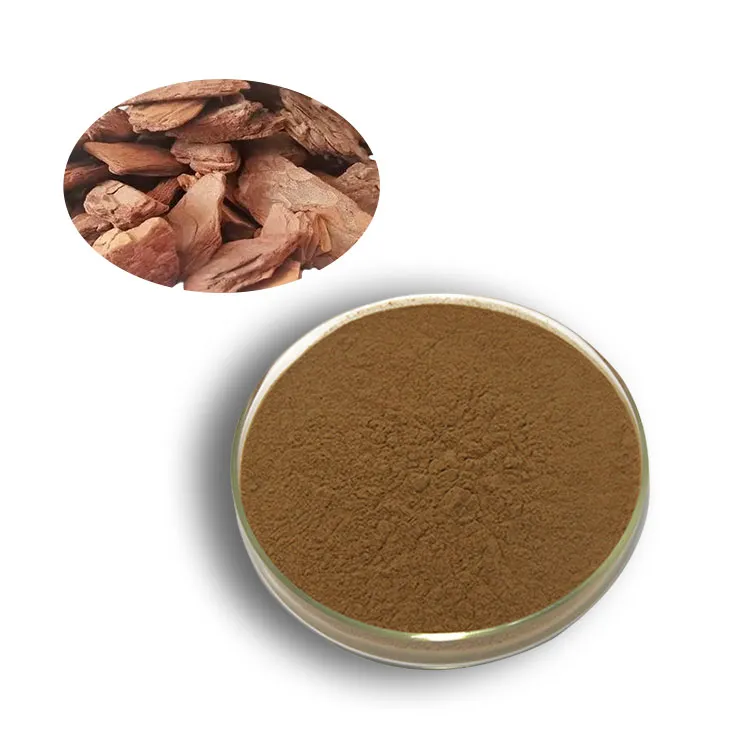
Pine bark Extract Powder
2026-08-04
-
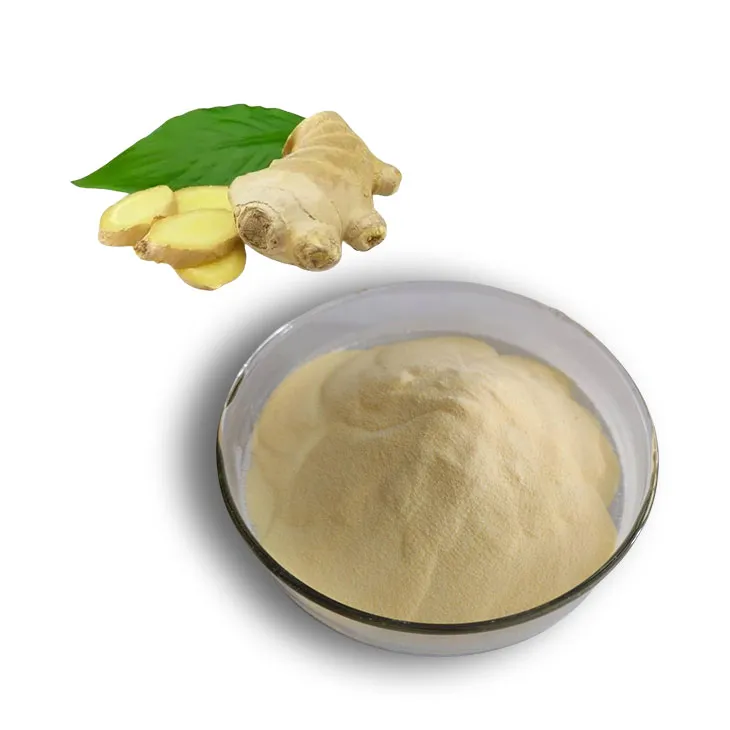
Ginger Extract
2026-08-04
-
Maitake Mushroom Extract
2026-08-04
-
Kupilu Extract
2026-08-04
-
Lotus leaf extract
2026-08-04
-
Lemon Balm Extract
2026-08-04
-
Saw Palmetto Extract
2026-08-04
-
White Peony Extract
2026-08-04
-
Green Tea Extract
2026-08-04
-
Andrographis Paniculata Extract Powder
2026-08-04
