- 0086-571-85302990
- [email protected]





Aloe Vera Leaf Juice Extract: The Complete Guide to Acemannan, Gut Health, and Premium Supplier Sele
2026-07-20
Introduction
Aloe vera is arguably the world's most recognized medicinal plant, with a documented history of therapeutic use spanning over 5,000 years. While many consumers are familiar with aloe vera gel for topical skin soothing, the concentrated Aloe Vera Leaf Juice Extract—rich in the bioactive polysaccharide acemannan—has emerged as a powerhouse ingredient in the dietary supplement, functional beverage, and nutraceutical industries. This guide provides a comprehensive overview of Aloe Vera Extract, its scientifically supported benefits, diverse applications, and key quality considerations for buyers and formulators.
Part 1: What Is Aloe Vera Leaf Juice Extract?
Botanical Profile
Botanical Name: Aloe barbadensis Miller
Family: Asphodelaceae (formerly Liliaceae)
Common Names: Aloe Vera, True Aloe, Medicinal Aloe, Barbados Aloe
Plant Origin: Native to the Arabian Peninsula; now widely cultivated in tropical and subtropical regions including Mexico, the Caribbean, India, China, and South Africa
Part Used: Inner leaf gel (decolorized to remove aloin-containing latex)
Active Compounds
Acemannan (Acetylated Mannan): ≥ 10–30%Acemannan is a long-chain β-(1,4)-linked polymannose (molecular weight: 30,000–100,000 Da) and is considered the primary bioactive compound in Aloe vera. It is responsible for the plant's immune-modulating, gut-healing, and wound-healing properties. Acemannan is the compound certified by the International Aloe Science Council (IASC).
Total Polysaccharides: ≥ 30–70%Including glucomannans, acetylated mannans, and other bioactive carbohydrate fractions that contribute to Aloe vera's moisturizing, soothing, and immunomodulatory effects.
Anthraquinones (Aloin, Emodin): ≤ 10–50 ppm (decolorized grade)These compounds are present in the outer leaf latex and are largely removed during processing for food and supplement grades. At high doses, aloin has laxative effects and safety concerns.
Product Specifications
We offer Aloe Vera Leaf Juice Extract in multiple grades to suit different applications:
Decolorized Aloe Vera Extract (Food & Beverage Grade)
Parameter Specification Botanical Name Aloe barbadensis Miller Part Used Inner leaf gel (decolorized) Polysaccharides ≥ 30% (phenol-sulfuric acid method) Acemannan ≥ 10% (HPLC) Total Anthraquinones ≤ 50 ppm Aloin A + B ≤ 10 ppm Moisture ≤ 8.0% Ash 10–20% Particle Size 95% through 100 mesh Solubility Soluble in water pH (1% solution) 5.0–7.0
Grade Classification
Grade Polysaccharides Acemannan Aloin Primary Application Food Grade (Decolorized) ≥ 30% ≥ 10% ≤ 10 ppm Beverages, functional foods Supplement Grade ≥ 50% ≥ 20% ≤ 50 ppm Capsules, tablets, powders Pharmaceutical Grade ≥ 70% ≥ 30% ≤ 10 ppm Medicinal applications Cosmetic Grade ≥ 30% ≥ 10% ≤ 50 ppm Skincare, personal care
Processing Methods
We offer two processing methods, each with distinct advantages:
Freeze-Drying (Premium Quality)
Acemannan retention: ≥ 90%
Color: Light yellow-brown
Solubility: Excellent
Best for: Premium supplements, pharmaceutical applications
Spray-Drying (Cost-Effective)
Acemannan retention: 70–85%
Color: Dark brown
Solubility: Good
Best for: Standard supplements, functional beverages, cost-sensitive applications
Quality Testing & Certifications
HPLC testing for acemannan, aloin, and total anthraquinone content
Phenol-sulfuric acid method for total polysaccharide quantification
Microbiological testing (TPC ≤ 10,000 CFU/g; no pathogens)
Heavy metals (Pb ≤ 2.0 mg/kg; As ≤ 1.0 mg/kg; Hg ≤ 0.1 mg/kg; Cd ≤ 0.5 mg/kg)
Pesticide residue screening compliant with EU Regulation 396/2005
Certifications available: Non-GMO, Kosher, Halal, ISO 22000, HACCP, GMP, IASC (International Aloe Science Council) certification
Part 2: Core Benefits and Mechanisms of Action
1. Gastrointestinal Health and Gut Mucosa Protection
Aloe vera has been used for digestive health for millennia, and modern science has validated many of its traditional uses. The acemannan polysaccharide forms a protective gel-like layer along the gastrointestinal mucosa, soothing irritation and supporting the healing of the gut lining.
Mechanism: Acemannan stimulates the production of mucin glycoproteins that form the protective mucus layer of the GI tract. Research published in Alimentary Pharmacology & Therapeutics demonstrated that Aloe vera gel reduced symptoms of irritable bowel syndrome (IBS) and improved stool consistency in clinical trials.
A systematic review in the Journal of Environmental Science and Health concluded that Aloe vera extract shows promise for managing gastroesophageal reflux disease (GERD) and ulcerative colitis, with mechanisms involving anti-inflammatory and mucosal protective effects.
2. Immune System Modulation
Acemannan is a well-documented immunomodulator. It activates macrophages, enhances phagocytic activity, and stimulates the production of cytokines including interleukin-1 (IL-1), interleukin-6 (IL-6), and tumor necrosis factor-alpha (TNF-α).
Mechanism: Acemannan binds to mannose receptors on macrophages and dendritic cells, triggering a cascade of immune responses. Research by Tizard et al. (1990s) in Immunopharmacology demonstrated that acemannan significantly enhanced macrophage activation and antigen presentation in animal models.
3. Wound Healing and Tissue Repair
Topical and internal Aloe vera has been extensively studied for its wound-healing properties. The acemannan polysaccharide promotes fibroblast proliferation, collagen synthesis, and angiogenesis (new blood vessel formation).
Mechanism: Acemannan upregulates the expression of transforming growth factor-beta (TGF-β) and vascular endothelial growth factor (VEGF), both critical for wound healing. A meta-analysis in the Journal of the European Academy of Dermatology and Venereology found that Aloe vera significantly reduced healing time for first- and second-degree burns compared to conventional treatments.
4. Anti-Inflammatory Effects
Aloe vera contains multiple anti-inflammatory compounds, including C-glycosyl chromones, bradykinase, and salicylic acid. These compounds work synergistically to reduce inflammation through multiple pathways.
Mechanism: Bradykinase inhibits the bradykinin-mediated pain pathway, while chromones inhibit the cyclooxygenase (COX) pathway, reducing prostaglandin production. This multi-target anti-inflammatory approach makes Aloe vera extract valuable in formulations for inflammatory conditions.
5. Skin Hydration and Anti-Aging
Internally consumed Aloe vera extract supports skin hydration and elasticity from within. The polysaccharides stimulate fibroblast activity, increase collagen production, and improve the skin's moisture-retention capacity.
Mechanism: Acemannan binds to specific receptors on dermal fibroblasts, stimulating the production of collagen and hyaluronic acid. Clinical studies have demonstrated improved skin elasticity and reduced wrinkle depth with oral Aloe vera gel supplementation over 8–12 weeks.
6. Blood Sugar Management
Emerging research suggests that Aloe vera may support healthy blood glucose levels. A meta-analysis published in the Journal of Clinical Pharmacy and Therapeutics found that Aloe vera supplementation significantly reduced fasting blood glucose and HbA1c levels in people with prediabetes and type 2 diabetes.
Part 3: Wide-Ranging Applications
Dietary Supplements (Capsules, Tablets, Powders)
Aloe Vera Extract is a staple ingredient in digestive health supplements, detox formulas, and immune support products.
Recommended dosage: 500–1,000 mg/day
Common formulations: Combined with probiotics, digestive enzymes, or fiber for comprehensive gut health
Functional Beverages
Aloe vera juice and aloe-based functional drinks represent a rapidly growing market segment, particularly in Asia and North America.
Recommended usage: 1–5% in beverages
Applications: Aloe drinks, wellness juices, sports recovery beverages
Functional Foods
Jellies, puddings, and gummies
Meal replacement powders
Detox and alkalizing formulas (combined with spirulina, green barley grass)
Cosmetics and Personal Care
Skincare: Moisturizing creams, serums, face masks (1–10% usage)
Hair care: Conditioners and scalp treatments
After-sun products: Soothing gels and lotions leveraging Aloe vera's cooling and healing properties
Sports Nutrition
Aloe vera's anti-inflammatory and gut-soothing properties make it valuable in post-exercise recovery formulations.
Recommended dosage: 500–1,000 mg/day
Combined with: Electrolytes, BCAAs, and B-vitamins
Part 4: How to Choose a High-Quality Aloe Vera Extract
Key Quality Indicators
Acemannan Content and Verification: The most critical quality marker. Look for products with HPLC-verified acemannan content (≥ 10% for food grade, ≥ 20% for supplement grade). The IASC certification provides independent verification of acemannan levels.
Aloin Content (Safety): For food and supplement applications, aloin must be minimized to safe levels (≤ 10 ppm for decolorized grade). High aloin content indicates inadequate decolorization and poses safety risks.
Processing Method: Freeze-drying preserves more acemannan (≥ 90% retention) compared to spray-drying (70–85%). Choose freeze-dried for premium applications; spray-dried is acceptable for cost-sensitive products.
IASC Certification: The International Aloe Science Council is the only independent body that certifies Aloe vera products for acemannan content and quality. IASC certification is a strong quality indicator.
Polysaccharide Testing Methodology: Ensure the supplier uses the phenol-sulfuric acid method (the industry standard) for total polysaccharide testing. Alternative methods may give inflated results.
Third-Party Testing: Reputable suppliers provide COAs from independent laboratories (SGS, Eurofins) confirming acemannan, aloin, microbiological, heavy metal, and pesticide results.
What to Avoid
Products with aloin levels above 10 ppm for food/beverage applications
Extracts without IASC certification or independent acemannan verification
Suppliers who cannot explain their decolorization process (activated carbon treatment is standard)
Products with moisture content above 8%, indicating poor drying or storage
"Full-spectrum" aloe products for food use (these contain high anthraquinone levels)
Part 5: About Our Company
As a specialized plant extract manufacturer with deep expertise in botanical processing and quality assurance, we offer premium Aloe Vera Leaf Juice Extract with the following advantages:
Sustainable Sourcing: We source Aloe vera from certified organic farms in optimal growing regions, ensuring consistent acemannan levels and sustainable agricultural practices.
Advanced Processing Technology: Our facility offers both freeze-drying (premium grade) and spray-drying (standard grade) options, with controlled decolorization processes that effectively reduce aloin to safe levels while preserving acemannan activity.
IASC-Aligned Quality Standards: Our testing protocols align with IASC certification requirements, and we can arrange IASC certification for qualifying batches.
Comprehensive Quality Control: Every batch is tested for acemannan (HPLC), aloin (HPLC), total polysaccharides, microbiology, heavy metals, and pesticide residues. Third-party verification through SGS or Eurofins is available.
Custom Formulation Support: We provide tailored specifications including custom acemannan concentrations, grade selection, and processing method recommendations based on your target application.
Regulatory Documentation: Complete documentation packages for FDA, EFSA, and international regulatory submissions, including COAs, specification sheets, stability data, and safety assessments.
Conclusion and Call to Action
Aloe Vera Leaf Juice Extract stands as one of the most scientifically validated botanical ingredients available today. From its proven benefits in gut health and immune modulation to its growing applications in functional beverages and sports nutrition, Aloe vera continues to demonstrate remarkable versatility and efficacy.
As consumer awareness of digestive health and natural wellness solutions grows, the demand for high-quality, low-aloin Aloe Vera Extract continues to expand across global markets. Whether you're formulating a digestive health supplement, launching a functional beverage, or developing an anti-aging skincare line, our premium Aloe Vera Extract delivers consistent potency, safety, and regulatory compliance.
Interested in incorporating Aloe Vera Extract into your product lineup? Contact us today for a free sample (50–100 g), detailed product specifications, and competitive pricing. Our technical team is ready to provide formulation guidance, custom specifications, and comprehensive regulatory documentation.
- ▶ Hesperidin
- ▶ Citrus Bioflavonoids
- ▶ Plant Extract
- ▶ lycopene
- ▶ Diosmin
- ▶ Grape seed extract
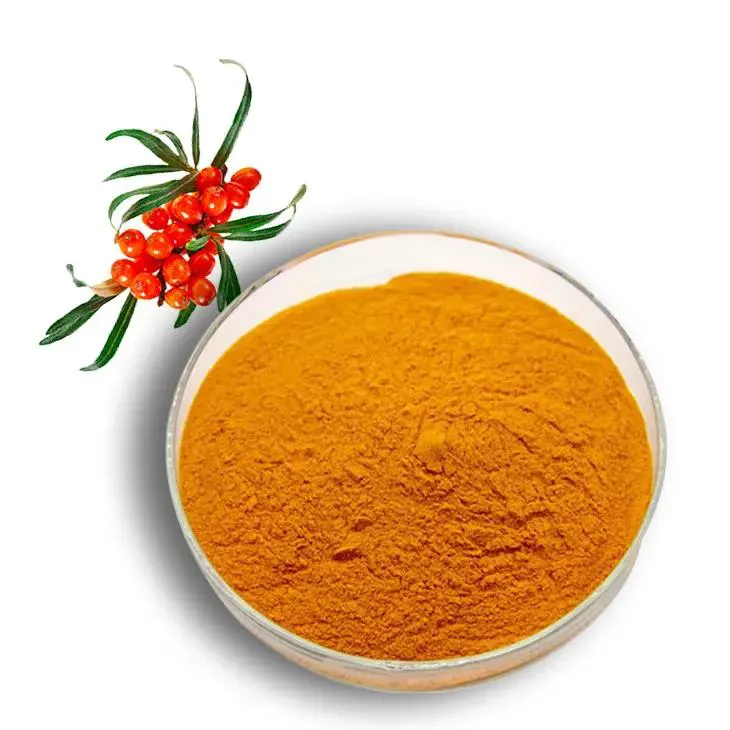
- ▶ Sea buckthorn Juice Powder
- ▶ Fruit Juice Powder
- ▶ Hops Extract
- ▶ Artichoke Extract
- ▶ Mushroom extract
- ▶ Astaxanthin
- ▶ Green Tea Extract
- ▶ Curcumin
- ▶ Horse Chestnut Extract
- ▶ Other Product
- ▶ Boswellia Serrata Extract
- ▶ Resveratrol
- ▶ Marigold Extract
- ▶ Grape Leaf Extract
- ▶ New Product
- ▶ Aminolevulinic acid
- ▶ Cranberry Extract
- ▶ Red Yeast Rice
- ▶ Red Wine Extract
- ▶ blog
-
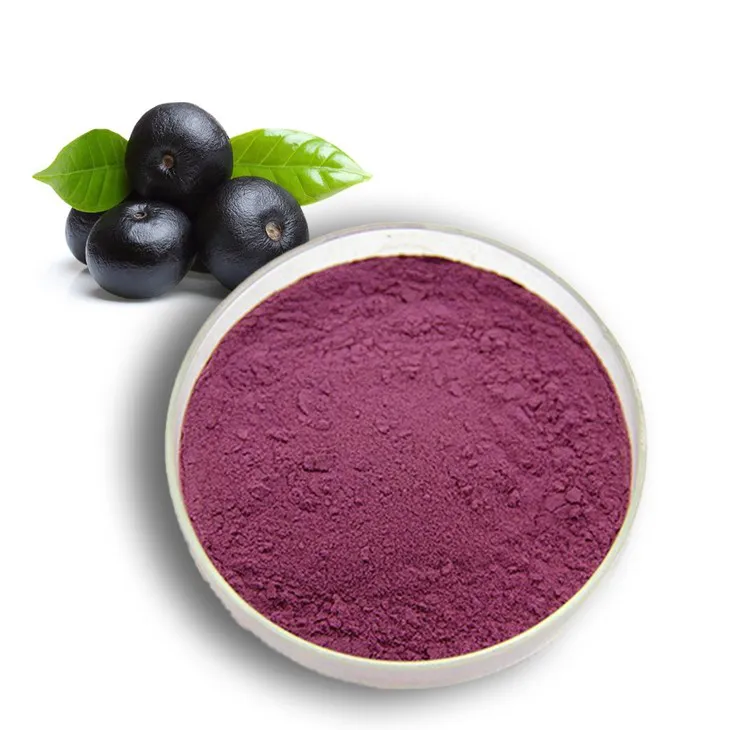
Acai Berry Extract
2026-07-20
-
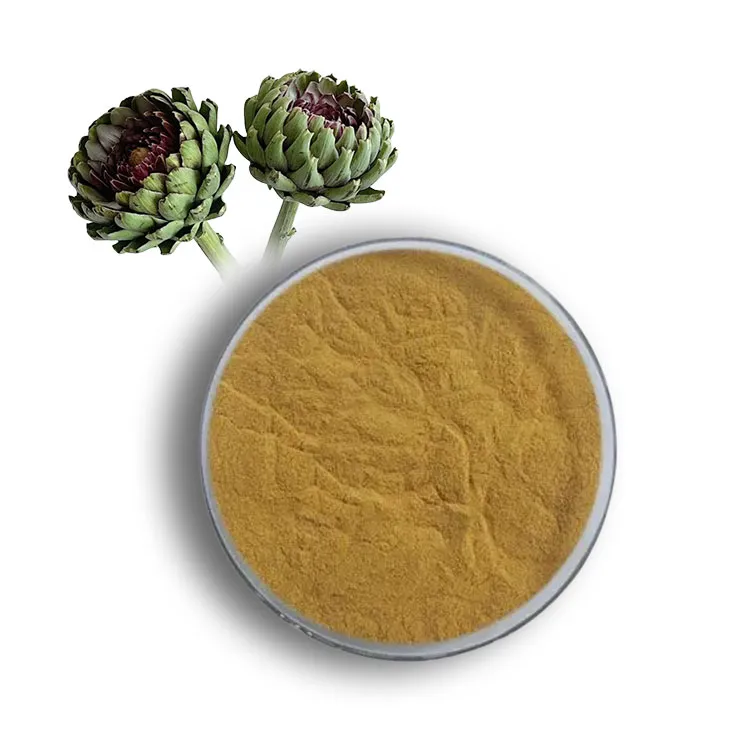
Artichoke Leaf Extract
2026-07-20
-
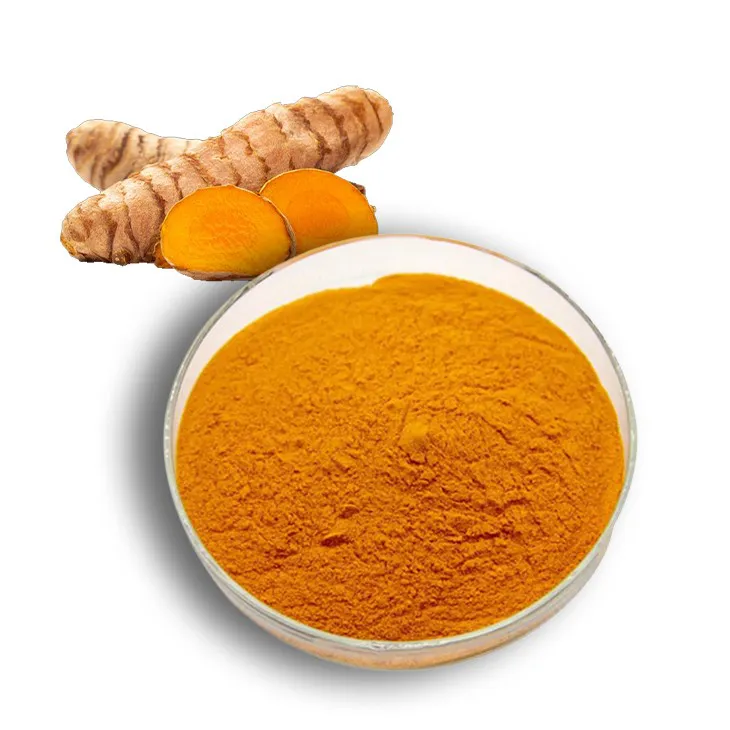
Curcumin
2026-07-20
-
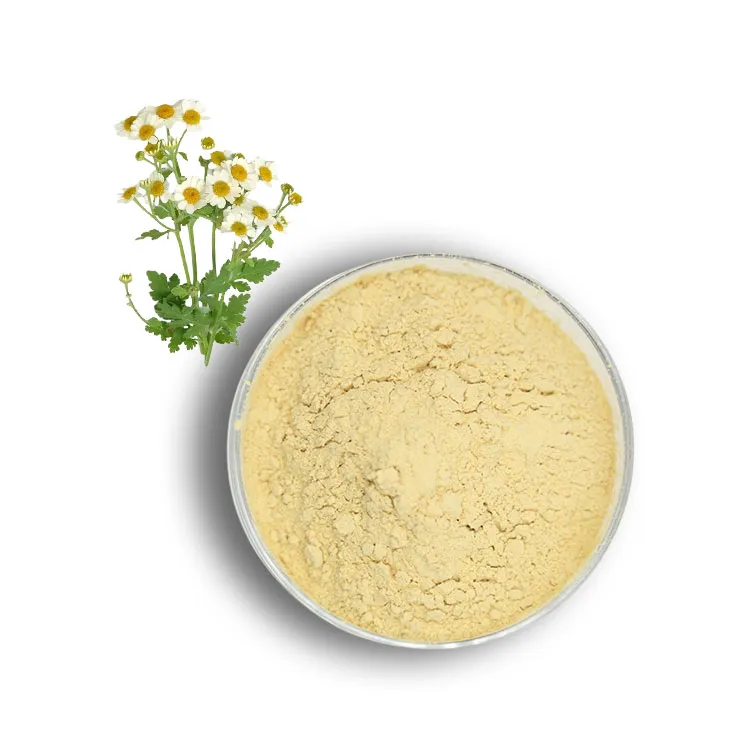
Feverfew Extract
2026-07-20
-
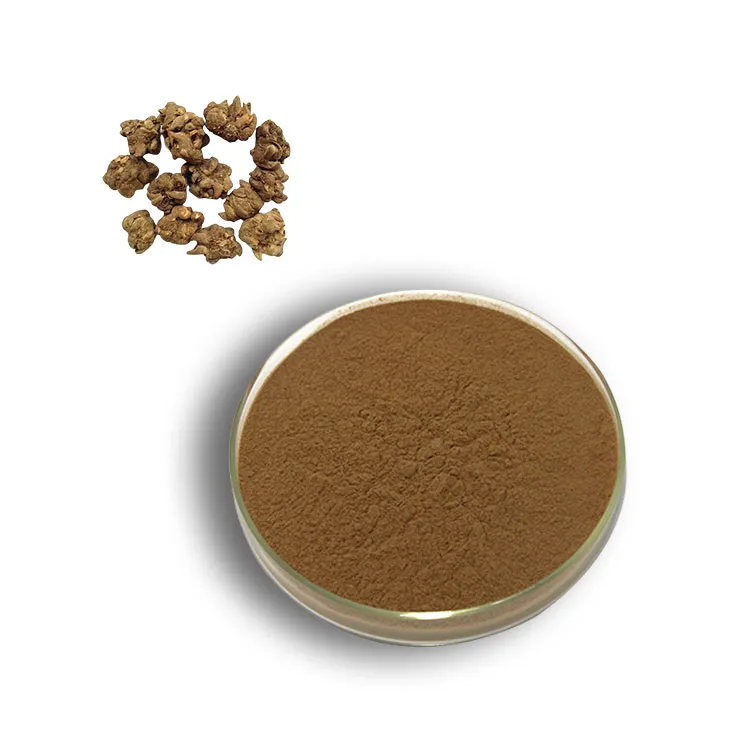
Cat Claw Extract
2026-07-20
-
Acerola Juice Powder
2026-07-20
-
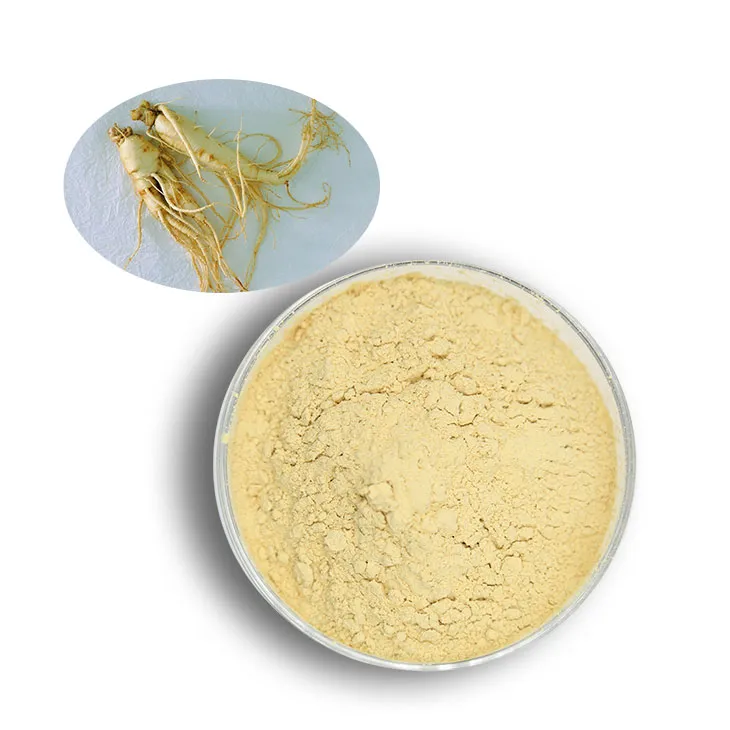
Ginseng Root Extract
2026-07-20
-
Eucommia Ulmoides Extract
2026-07-20
-
Hawthorn Extract
2026-07-20
-
Buckthorn bark extract
2026-07-20