Phosphatidylserine Extract: The Complete Guide to Brain Health, Cognitive Support & Supplier Selection
Last updated: July 2026 | By GreenskyBio Technical Team
1. Introduction
In an era where cognitive performance, mental clarity, and long-term brain health have become top priorities for consumers worldwide, one natural compound has emerged as a standout ingredient: Phosphatidylserine (PS). Once largely confined to the domain of neuroscience research, phosphatidylserine has rapidly gained traction in the global nutraceutical market — valued at over USD 150 million in 2025 and projected to grow at a CAGR of 8.2% through 2032 (Grand View Research).
Phosphatidylserine is a phospholipid that is naturally concentrated in the cell membranes of the human brain, where it plays a fundamental role in neuronal signaling, neurotransmitter release, and synaptic plasticity. Clinical studies have demonstrated that PS supplementation can improve memory, sharpen attention, reduce cortisol levels, and slow age-related cognitive decline — making it a cornerstone ingredient for supplement brands targeting cognitive health, stress management, and sports nutrition.
This comprehensive guide explores everything you need to know about Phosphatidylserine Extract: its biochemical foundations, scientifically validated health benefits, industrial applications, quality specifications, and how to select a reliable supplier. Whether you are a supplement manufacturer, a functional food developer, or a procurement professional, this article will equip you with the knowledge to make informed sourcing decisions.
2. What Is Phosphatidylserine Extract?
2.1 Botanical & Biochemical Origin
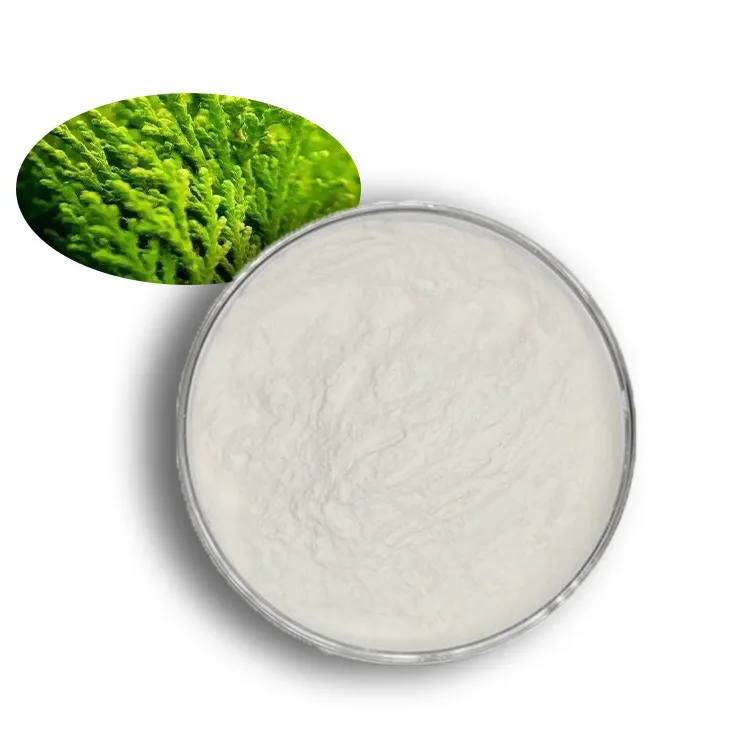
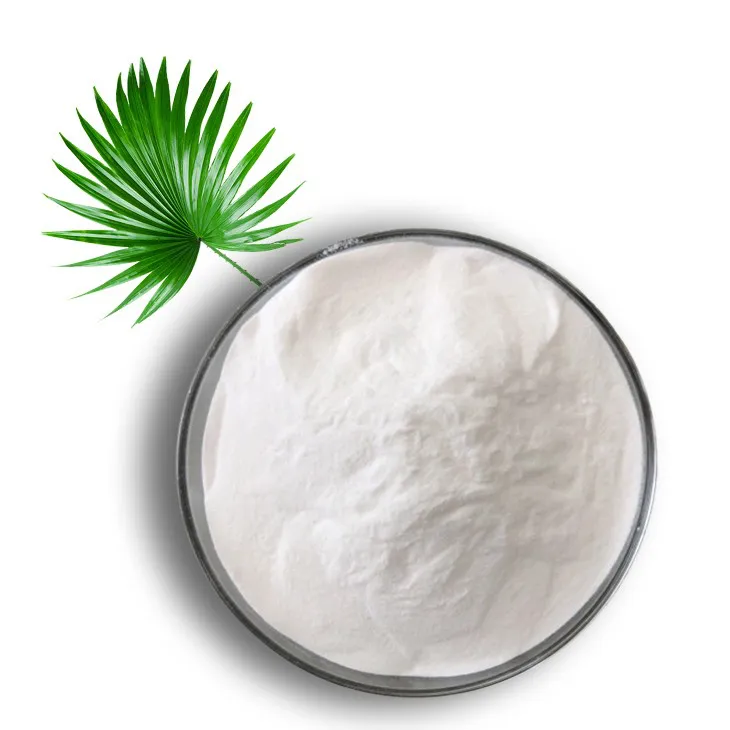
Phosphatidylserine is not a plant extract in the traditional sense — it is a naturally occurring phospholipid found in all biological membranes, with particularly high concentrations in brain tissue. Commercially, PS is produced through enzymatic conversion of soy lecithin or sunflower lecithin, which are rich in phosphatidylcholine (PC).
Key Production Sources:
Soybean-derived PS (Glycine max): The most common and cost-effective source, with decades of safety data and clinical research backing.
Sunflower-derived PS (Helianthus annuus): A non-GMO, allergen-free alternative that is gaining popularity in the clean-label market segment.
Scientific Identity:
Chemical Name: 1,2-Diacyl-sn-glycero-3-phospho-L-serine
CAS Number: 51446-62-9 (soy); 8002-43-5 (lecithin base)
Molecular Formula: Variable (depending on fatty acid composition)
Appearance: Light yellow to off-white powder or granular
Solubility: Dispersible in water; soluble in chloroform, ethanol, and ether
2.2 Extraction & Manufacturing Process
The production of high-purity phosphatidylserine involves a sophisticated enzymatic transphosphatidylation process:
Raw Material Selection: Premium soy or sunflower lecithin is sourced and tested for purity, phospholipid profile, and absence of contaminants.
Enzymatic Conversion: Phospholipase D catalyzes the transphosphatidylation reaction, converting phosphatidylcholine (PC) into phosphatidylserine (PS) using L-serine as the substrate.
Separation & Purification: The reaction mixture undergoes solvent extraction and column chromatography to isolate PS from residual PC, phosphatidic acid (PA), and other phospholipids.
Concentration & Drying: The purified PS is concentrated, dried under vacuum, and milled to a uniform powder.
Quality Testing: Each batch is analyzed by HPLC-ELSD for PS content, with additional tests for heavy metals (ICP-MS), solvent residues (GC), and microbiological safety.
2.3 Active Components & Specifications
GreenskyBio offers a range of standardized Phosphatidylserine specifications to meet diverse formulation needs:
| Specification | PS Content | Source | Typical Application |
|---|---|---|---|
| PS-20 | 20% (HPLC) | Soybean | Functional foods, general supplements |
| PS-50 | 50% (HPLC) | Soybean | Standard dietary supplements |
| PS-60SF | 60% (HPLC) | Sunflower | Clean-label, non-GMO supplements |
| PS-70 | 70% (HPLC) | Soybean | High-potency nootropic capsules |
2.4 Certificate of Analysis (Example)
| Parameter | Specification | Method |
|---|---|---|
| Phosphatidylserine | ≥70.0% | HPLC-ELSD |
| Loss on Drying | ≤5.0% | USP <731> |
| Heavy Metals (as Pb) | ≤10 ppm | ICP-MS |
| Lead (Pb) | ≤0.5 ppm | ICP-MS |
| Arsenic (As) | ≤1.0 ppm | ICP-MS |
| Total Plate Count | ≤1,000 CFU/g | USP <2021> |
| E. coli | Absent | USP <2022> |
| Salmonella | Absent | USP <2022> |
3. Core Benefits & Mechanisms of Action
3.1 Cognitive Enhancement & Memory Support
Phosphatidylserine is indispensable for neuronal membrane integrity and function. It facilitates the activity of membrane-bound enzymes such as Na⁺/K⁺-ATPase and acetylcholinesterase, which are critical for neurotransmitter release and synaptic transmission. A landmark double-blind, placebo-controlled study by Kato-Kataoka et al. (2010) published in the Journal of Clinical Biochemistry and Nutrition demonstrated that PS supplementation (100 mg/day for 6 months) significantly improved memory recall scores in elderly subjects with memory complaints (PMID: 21103034).
Mechanism: PS enhances acetylcholine release, supports dendritic spine density, and promotes the translocation of PKC (protein kinase C) to the neuronal membrane, which is essential for long-term potentiation (LTP) — the cellular basis of learning and memory.
3.2 Stress Reduction & Cortisol Modulation
One of the most clinically validated benefits of PS is its ability to blunt the hypothalamic-pituitary-adrenal (HPA) axis response to stress. Monteleone et al. (1992) reported in the European Journal of Clinical Pharmacology that PS administration (800 mg/day) significantly attenuated the cortisol and ACTH response to physical stress in healthy men (PMID: 1325348).
Mechanism: PS modulates the feedback sensitivity of glucocorticoid receptors in the hippocampus, reducing the magnitude and duration of cortisol release following stressors. This makes PS particularly valuable for athletes, high-stress professionals, and individuals with adrenal fatigue.
3.3 Neuroprotection & Age-Related Cognitive Decline
PS levels in the brain decline with age, and this decline correlates with cognitive impairment. Exogenous PS supplementation has been shown to slow the progression of age-related memory loss. A meta-analysis by Kidd (2007) in Alternative Medicine Review reviewed 16 clinical studies and concluded that PS is effective in improving cognitive performance in elderly individuals with cognitive impairment (PMID: 18072849).
Mechanism: PS supports mitochondrial function, reduces amyloid-beta accumulation, and modulates neuroinflammation through the suppression of microglial activation.
3.4 Sports Performance & Recovery
Athletes subject their bodies to significant physical stress that elevates cortisol and promotes muscle catabolism. PS supplementation has been shown to reduce post-exercise cortisol levels, accelerate recovery, and decrease perceived muscle soreness. Kingsley et al. (2006) demonstrated in Medicine & Science in Sports & Exercise that 750 mg/day of PS supplementation for 10 days reduced the time to exhaustion during cycling and improved perceived well-being (PMID: 16449080).
3.5 ADHD & Child Cognitive Development
Emerging research suggests that PS, particularly in combination with omega-3 fatty acids, may improve attention, impulsivity, and short-term auditory memory in children with ADHD. Hirayama et al. (2014) published in the Journal of Human Nutrition and Dietetics that PS supplementation (200 mg/day) significantly improved ADHD symptoms in children compared to placebo (PMID: 24195681).
4. Wide-Ranging Applications
4.1 Dietary Supplements & Nutraceuticals
This is the largest application segment for phosphatidylserine. Product formats include:
Cognitive health capsules/tablets: Often combined with Bacopa monnieri, Ginkgo biloba, and Huperzine A in nootropic stacks.
Stress management formulas: Combined with ashwagandha, magnesium, and L-theanine.
Memory support supplements: PS + DHA + choline for synergistic neural membrane synthesis.
Sports recovery blends: PS + branched-chain amino acids (BCAAs) + creatine to mitigate exercise-induced cortisol spikes.
4.2 Functional Foods & Beverages
PS is increasingly being incorporated into functional food and beverage formats:
Brain health nutrition bars
Cognitive performance beverages and RTD (ready-to-drink) shots
Senior nutrition powders and meal replacements
Brain-boosting coffee and tea blends
4.3 Infant & Pediatric Nutrition
PS is a natural component of human breast milk and is critical for neonatal brain development. It is increasingly added to:
Premium infant formula (to mimic the phospholipid profile of breast milk)
Toddler follow-on formulas
Pediatric cognitive development supplements
4.4 Clinical & Medical Nutrition
In clinical settings, PS is used in medical foods and nutritional interventions for:
Alzheimer's disease and dementia management
Post-stroke cognitive rehabilitation
Traumatic brain injury (TBI) recovery support
Age-related cognitive decline prevention
4.5 Pet & Animal Nutrition
An emerging application area includes:
Senior dog cognitive health supplements (canine cognitive dysfunction)
Performance and working dog formulations
Equine calming and focus supplements
5. How to Choose a Quality Phosphatidylserine Extract
Not all PS products are created equal. Here are the critical factors to evaluate when sourcing phosphatidylserine:
5.1 Source Material: Soy vs. Sunflower
Soy-derived PS has the largest body of clinical research, is more cost-effective, and is widely accepted in most markets. However, it may not be suitable for allergen-conscious or non-GMO formulations.
Sunflower-derived PS is non-GMO, allergen-free, and clean-label friendly. It is typically 20-30% more expensive but appeals to the premium and natural products segment.
5.2 Purity & Analytical Verification
Always request an HPLC-ELSD certificate of analysis (COA) from your supplier. The HPLC method quantifies PS content with precision, and ELSD detection ensures accurate measurement of non-UV-absorbing phospholipids. Beware of suppliers who report "total phospholipids" rather than "phosphatidylserine content" — the former is a misleading metric that inflates apparent potency.
5.3 Manufacturing Quality & Certifications
Your supplier should hold internationally recognized certifications:
GMP (Good Manufacturing Practice) — ensures consistent production quality
ISO 22000 — food safety management system
HACCP — hazard analysis and critical control points
Non-GMO Project Verified or IP (Identity Preserved) certification for soy-derived PS
5.4 Solvent Residue Control
The enzymatic conversion process uses organic solvents (n-hexane, acetone, ethanol). A quality supplier monitors and controls residual solvent levels per ICH Q3C guidelines. The standard limit for Class 3 solvents (ethanol, acetone) is ≤5,000 ppm, and for Class 2 solvents (n-hexane) ≤290 ppm.
5.5 Stability & Shelf Life
Phosphatidylserine is susceptible to oxidation and hydrolysis. Look for products packaged under nitrogen or vacuum in aluminum foil bags with desiccants. Properly stored PS (cool, dry, away from light) has a shelf life of 24 months from the date of manufacture.
6. About GreenskyBio — Your Trusted Phosphatidylserine Partner
As a leading manufacturer of natural phospholipids and plant extracts since 2004, Hangzhou Greensky Biological Tech. Co., Ltd. (GreenskyBio) has established itself as a premier supplier of high-purity Phosphatidylserine to pharmaceutical, nutraceutical, and functional food companies worldwide.
Why Choose GreenskyBio for Phosphatidylserine?
21+ Years of Manufacturing Excellence: Since our founding in 2004, we have specialized in identifying, developing, and producing premium active ingredients, with annual export value approaching USD 30 million to markets across Europe, the United States, South Korea, and Russia.
Dual-Source Capability: We offer both soy-derived PS (20%, 50%, 70%) and sunflower-derived PS (60%), giving our clients the flexibility to choose the optimal source for their target market and formulation requirements.
GMP-Certified Production: Our manufacturing subsidiary, Jiangxi Greensky Food Co., Ltd., operates under ISO 22000, BRCGS, and SGS-GMP certifications, with 100,000-class cleanroom facilities and 500+ tons of annual production capacity.
Rigorous Quality Control: Every batch of PS is tested by our in-house laboratory using HPLC-ELSD for content, ICP-MS for heavy metals, and GC for residual solvents. We provide a full certificate of analysis (COA), MSDS, and technical data sheet (TDS) with every shipment.
Custom Formulation & OEM/ODM: Our R&D team can develop custom PS specifications, including granulation, microencapsulation, and proprietary blends (e.g., PS + DHA, PS + Phosphatidylcholine) to meet your unique product requirements.
Regulatory Support: We provide comprehensive documentation for customs clearance, including certificates of origin, health certificates, and free sale certificates, ensuring smooth importation into your target market.
Competitive & Flexible Pricing: With in-house production from raw lecithin to finished PS, we eliminate intermediaries and offer competitive pricing with flexible MOQs to support businesses of all sizes.
Our Subsidiaries
Jiangxi Greensky Food Co., Ltd. — National high-tech enterprise, ISO 22000 / BRCGS / Ecocert Organic / SGS-GMP certified manufacturing facility.
Hangzhou Tianqu Biological-Tech Co., Ltd. — Specialized in functional red yeast rice (Monacolin K 0.2%–5%).
Hangzhou Xingduoduo Brand Co., Ltd. — E-commerce and private-label health product operations.
7. Conclusion & Next Steps
Phosphatidylserine is one of the most scientifically validated nootropic ingredients on the market, with a rapidly growing demand driven by global trends in brain health, healthy aging, and sports nutrition. Whether you are developing a cognitive supplement for the aging population, a stress-management formula for busy professionals, or a clean-label brain health product for the European market, PS is an ingredient that delivers measurable results.
At GreenskyBio, we combine over two decades of manufacturing expertise with rigorous quality control, competitive pricing, and responsive customer service to help our clients bring superior PS products to market.
Ready to explore Phosphatidylserine for your next product?
Request a free sample: Test our PS quality in your own lab before committing to a bulk order.
Get a custom quote: Share your specification requirements and projected volume — we will respond within 24 hours.
Speak with our technical team: Our R&D specialists are available to discuss formulation challenges, stability considerations, and application-specific recommendations.