- 0086-571-85302990
- [email protected]






Global Plant Extract Industry Report 2026: Market Trends, Innovations, and Future Outlook
2026-08-27
Introduction
The global plant extract (botanical extract) industry is experiencing unprecedented growth in 2026, driven by surging consumer demand for natural, clean-label ingredients across food and beverages, dietary supplements, cosmetics, and pharmaceuticals. This comprehensive industry report examines the latest market data, emerging trends, technological innovations, and regulatory developments shaping the future of plant extracts worldwide.
1. Global Plant Extract Market Size and Growth Forecast
1.1 Market Valuation
According to recent industry analysis from leading market research firms, the global botanical extracts market was valued at approximately USD 7.69–7.8 billion in 2025 and is projected to reach between USD 15.7 billion and USD 20.26 billion by 2035. The compound annual growth rate (CAGR) is estimated at 7.2% to 10.17%, reflecting strong and sustained expansion across all major application segments.
Metric Value Market Size (2025) USD 7.69–7.8 billion Market Size (2026) USD 8.57 billion Market Size (2035) USD 15.7–20.26 billion CAGR (2026–2035) 7.2%–10.17%
1.2 Regional Growth Dynamics
North America dominated the global market in 2025 with approximately 30.17% market share, driven by robust demand in dietary supplements and functional foods.
Asia Pacific is emerging as the fastest-growing region, with an estimated CAGR of 12.48% through 2035. Abundant raw material resources, expanding nutraceutical applications, and lower production costs are key growth drivers.
Europe maintains steady growth, underpinned by stringent regulations favoring natural ingredients in food, beverages, and personal care products. The region shows particularly strong demand for traceable, clean-label botanical extracts.
2. Key Market Segments
2.1 By Source: Herbs Lead the Market
The herbs segment accounts for the largest share of the botanical extracts market, representing approximately 28.7% of total revenue in 2025. This dominance is attributed to:
Rich phytochemical profiles of herbal ingredients
Broad therapeutic applications in both traditional and modern medicine
Widespread recognition in regional pharmacopeias worldwide
Growing product launches featuring organic and ethically sourced herbs
Other significant source categories include spices (fastest-growing segment), fruits, flowers, and tea leaves.
2.2 By Form: Powder Extracts Dominate
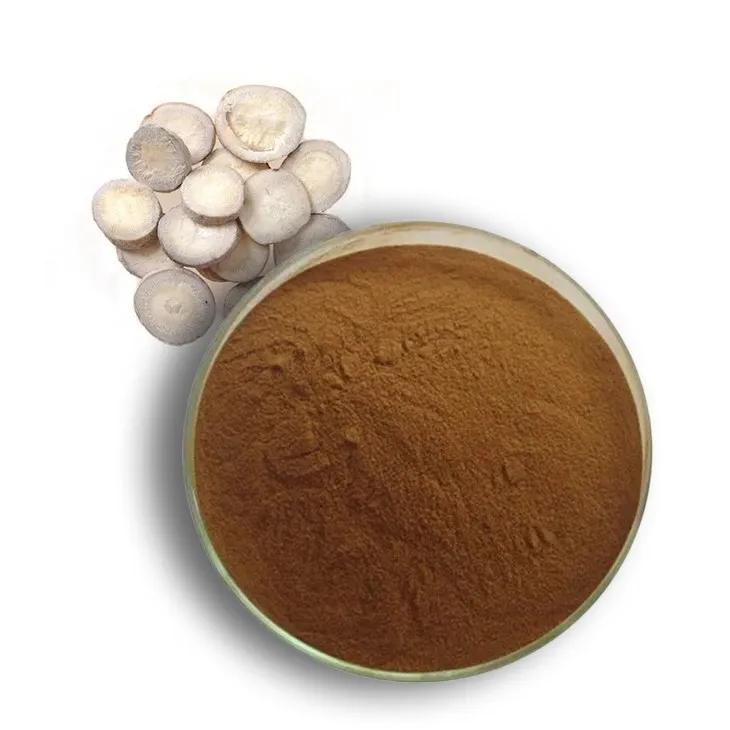
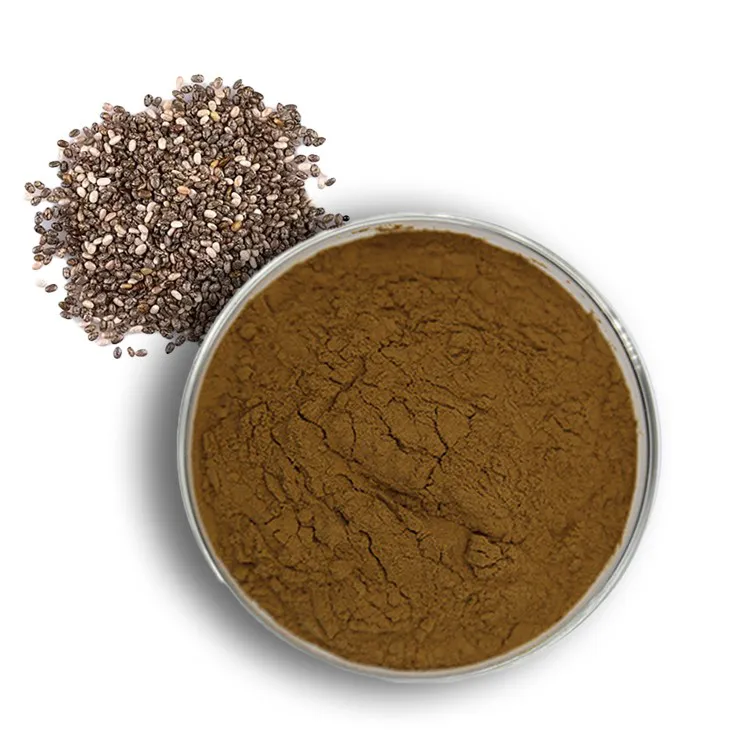
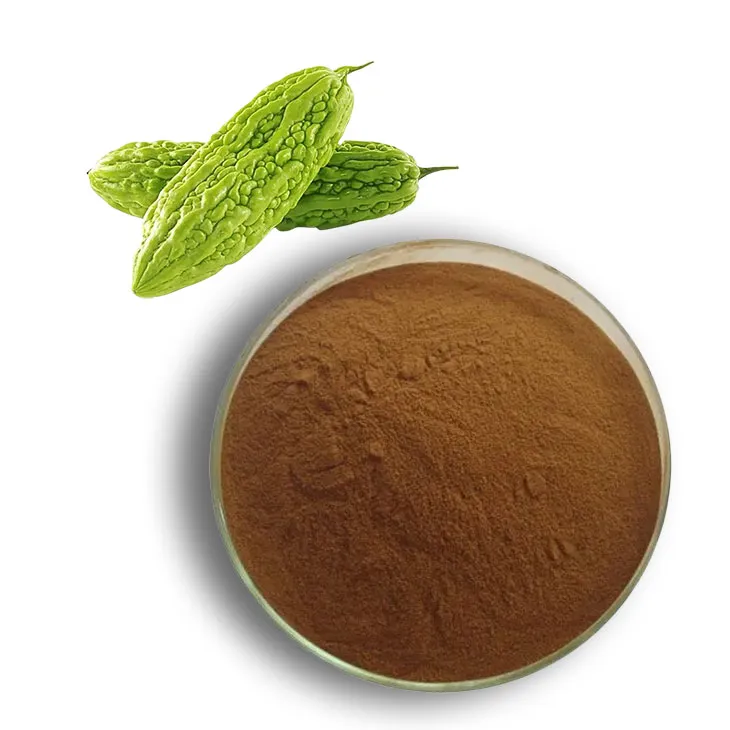
The powder form segment holds the largest market share at approximately 61.2% in 2025. Key advantages include:
High stability and extended shelf life
Ease of storage and cost-efficient transportation
Compatibility with capsules, tablets, drink mixes, and cosmetic formulations
Precise dosing and consistent bioactive concentrations
Lower moisture content reducing microbial growth risks
2.3 By Application: Food & Beverage Takes the Lead
The food and beverage sector is the largest application area, capturing approximately 46.9% of market revenue in 2025. Growth drivers include:
Rising demand for functional foods and naturally flavored beverages
Consumer preference for clean-label and plant-based ingredients
Integration of botanical extracts into teas, health drinks, baked goods, and dairy alternatives
Alignment with dietary trends such as veganism, keto, and immunity-boosting nutrition
The pharmaceuticals segment is projected to experience the highest growth rate through 2035, as botanical pharmaceuticals gain acceptance as alternatives to conventional medications.
3. Latest Industry Developments and Trends (2026)
3.1 Vitafoods Asia 2026: A Hub for Botanical Innovation
The Vitafoods Asia 2026 trade show (held in August 2026) has become a focal point for the plant extract industry, showcasing:
Cutting-edge botanical extraction technologies
New product launches from major ingredient suppliers
Innovation exhibits featuring novel plant-based formulations
Conference sessions on regulatory compliance and sustainable sourcing
3.2 Ashwagandha Regulation and Standardization
A significant development in 2026 is the increasing regulatory focus on ashwagandha (Withania somnifera) extracts. Industry leaders, including Kerry Group, are working with regulatory bodies to establish standardized quality benchmarks, ensuring:
Consistent withanolide content across batches
Transparent labeling for consumer safety
Scientific validation of claimed health benefits
This trend reflects a broader industry shift toward evidence-based botanical supplements.
3.3 Turmeric Bioavailability: A Regulatory Spotlight
Turmeric (Curcumin) extracts have come under regulatory scrutiny in 2026, with authorities focusing on:
Bioavailability enhancement technologies (liposomal delivery, nanoparticle formulations)
Safety assessment of novel extraction methods
Idiosyncratic reactions and consumer safety monitoring
Companies investing in high-bioavailability Curcumin formulations are positioned at the forefront of this evolving regulatory landscape.
3.4 Liposomal Delivery Technology
Liposomal encapsulation is emerging as a breakthrough delivery method for plant extracts, offering:
Significantly improved bioavailability of active compounds
Enhanced stability of sensitive phytochemicals
Targeted delivery to specific tissues
Applications across supplements, cosmetics, and pharmaceuticals
Companies like Zooki are pioneering liposomal solutions in the cellular health space, representing a growing trend in advanced delivery technologies.
3.5 AI and Robotics in Supplement Manufacturing
The integration of artificial intelligence and robotics into plant extract manufacturing is accelerating:
AI-optimized extraction processes based on real-time operational data
Machine learning models predicting bioactivity and toxicity of botanical compounds
Robotic assembly ensuring consistent product quality
Computer vision for plant species identification and quality control
Natural language processing (NLP) accelerating scientific literature review
European manufacturers such as GymBeam are expanding their footprint through AI-driven production and in-house botanical processing.
4. Technological Innovations in Plant Extraction
4.1 Supercritical Fluid Extraction (SFE)
Supercritical CO₂ extraction is the fastest-growing extraction technology, offering:
Solvent-free, environmentally friendly processing
Higher purity and potency of extracted compounds
Preservation of heat-sensitive bioactive molecules
Compliance with clean-label and organic certification requirements
4.2 Ultrasonic and Microwave-Assisted Extraction
These emerging technologies enable:
Faster extraction times compared to conventional methods
Reduced energy consumption
Higher extraction yields of target compounds
Scalability for industrial production
4.3 Green Chemistry and Sustainable Processing
The industry is increasingly adopting green chemistry principles:
Water-based and solvent-free extraction methods
Biodegradable processing aids
Zero-waste utilization of plant biomass
Carbon-neutral production facilities
5. Sustainability and Ethical Sourcing
5.1 Supply Chain Traceability
Traceability across the entire supply chain has become a critical priority for botanical extract manufacturers:
Blockchain-based tracking from farm to finished product
Verification of organic and fair-trade certifications
Documentation of sustainable harvesting practices
Transparency in processing and quality control
5.2 Ethical Raw Material Sourcing
Leading companies are investing in:
Direct partnerships with farming communities
Fair pricing for raw botanical materials
Support for regenerative agriculture practices
Protection of biodiversity in wild-harvested species
5.3 Environmental Impact Reduction
The industry is responding to environmental concerns through:
Reduced water usage in extraction processes
Renewable energy adoption in manufacturing
Sustainable packaging solutions
Minimizing carbon footprint across logistics
6. Regulatory Landscape
6.1 Global Regulatory Trends
Key regulatory developments affecting the plant extract industry include:
EU Novel Food Regulation: Stricter assessment requirements for newly developed botanical ingredients
FDA Dietary Supplement Guidelines: Enhanced quality control and labeling requirements
Asian Market Regulations: Evolving frameworks in China, India, and Southeast Asian countries
Clean-Label Mandates: Growing regulatory support for natural ingredient declarations
6.2 Quality Standards and Certifications
Industry-standard certifications gaining importance:
ISO 22000 (Food Safety Management)
HACCP (Hazard Analysis Critical Control Point)
GMP (Good Manufacturing Practice)
Organic Certification (USDA Organic, EU Organic)
Kosher and Halal certifications
7. Competitive Landscape
7.1 Key Global Players
The botanical extracts market features a diverse competitive landscape with major players including:
Givaudan (Switzerland)
International Flavors & Fragrances Inc. (IFF) (USA)
Synthite Industries Ltd. (India)
Kerry Group (Ireland)
Martin Bauer Group (Germany)
Döhler GmbH (Germany)
Bell Flavors & Fragrances (USA)
Kalsec Inc. (USA)
Arjuna Natural (India)
Nutra Green Biotechnology Co., Ltd. (China)
Berkem (France)
Ambe NS Agro Products Pvt. Ltd. (India)
7.2 Startup Ecosystem
Emerging startups are leveraging biotechnology and green chemistry to develop:
Novel botanical extracts with enhanced bioavailability
Proprietary extraction technologies
Specialized formulations for niche health applications
Sustainable and traceable supply chain solutions
8. Growth Opportunities and Future Outlook
8.1 High-Growth Application Areas
Nutraceuticals and dietary supplements: Immunity, cognitive health, and stress management formulations
Functional beverages: Adaptogenic drinks, herbal teas, and plant-based energy products
Natural cosmetics and skincare: Anti-aging, anti-acne, and hydrating botanical formulations
Pharmaceutical applications: Plant-based drug alternatives and complementary therapies
Animal nutrition: Natural feed additives and herbal growth promoters
8.2 Emerging Markets
India and China: Expanding domestic demand and export-oriented production
Southeast Asia: Growing middle class with increasing health consciousness
Middle East & Africa: Rising interest in traditional herbal medicine and modern supplements
Latin America: Rich biodiversity and growing nutraceutical adoption
8.3 Future Projections
Looking ahead to 2030 and beyond, the plant extract industry is expected to:
Continue growing at 7–10% CAGR globally
See increased consolidation through mergers and acquisitions
Experience technology-driven cost reductions in extraction processes
Face stricter regulatory requirements driving quality improvements
Witness greater integration of AI and automation across the value chain
9. Conclusion
The global plant extract industry stands at an inflection point. Driven by consumer demand for natural, clean-label products, supported by technological innovations in extraction and delivery, and guided by evolving regulatory frameworks, the market is poised for sustained growth through the next decade.
For businesses operating in this space — from raw material suppliers and extract manufacturers to formulators and brand owners — the opportunities are substantial. Success will depend on:
Investing in quality and standardization to meet regulatory requirements
Adopting sustainable and ethical sourcing practices to build consumer trust
Embracing technological innovation in extraction, analysis, and manufacturing
Developing evidence-based product formulations backed by scientific research
Expanding into emerging markets while maintaining competitive positioning in established regions
As the boundary between traditional herbal medicine and modern science continues to blur, plant extracts will play an increasingly central role in the global health and wellness economy. Companies that can deliver consistent quality, transparent sourcing, and scientifically validated benefits will be best positioned to capitalize on this transformative growth.
This report is based on publicly available market research data from Precedence Research, Future Market Insights, MarketsandMarkets, and industry publications including NutraIngredients. All market figures are estimates and projections provided by respective research organizations.
- ▶ Hesperidin
- ▶ Citrus Bioflavonoids
- ▶ Plant Extract
- ▶ lycopene
- ▶ Diosmin
- ▶ Grape seed extract
- ▶ Sea buckthorn Juice Powder
- ▶ Fruit Juice Powder
- ▶ Hops Extract
- ▶ Artichoke Extract
- ▶ Mushroom extract
- ▶ Astaxanthin
- ▶ Green Tea Extract
- ▶ Curcumin
- ▶ Horse Chestnut Extract
- ▶ Other Product
- ▶ Boswellia Serrata Extract
- ▶ Resveratrol
- ▶ Marigold Extract
- ▶ Grape Leaf Extract
- ▶ New Product
- ▶ Aminolevulinic acid
- ▶ Cranberry Extract
- ▶ Red Yeast Rice
- ▶ Red Wine Extract
- ▶ blog
-
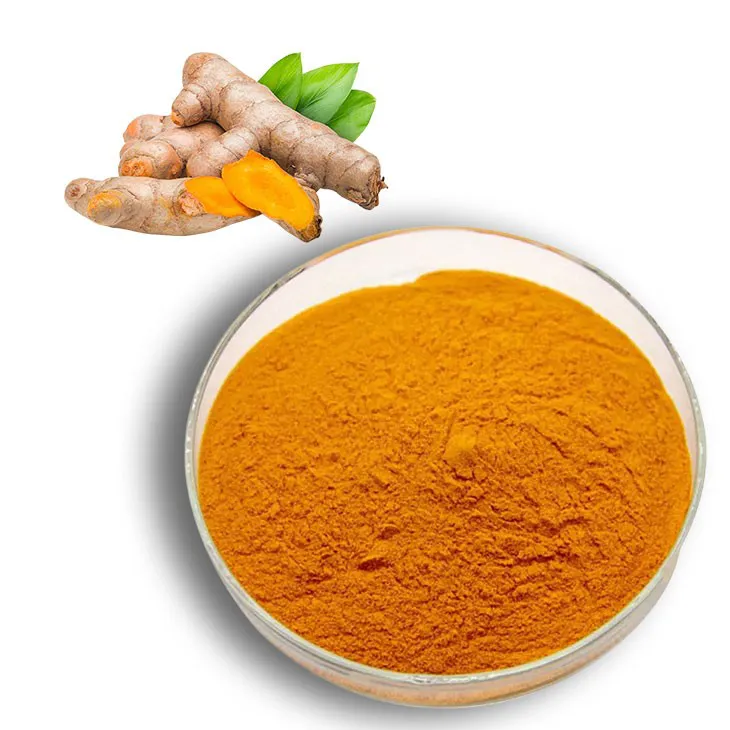
Curcuma Longa Extract/Turmeric extract
2026-08-27
-
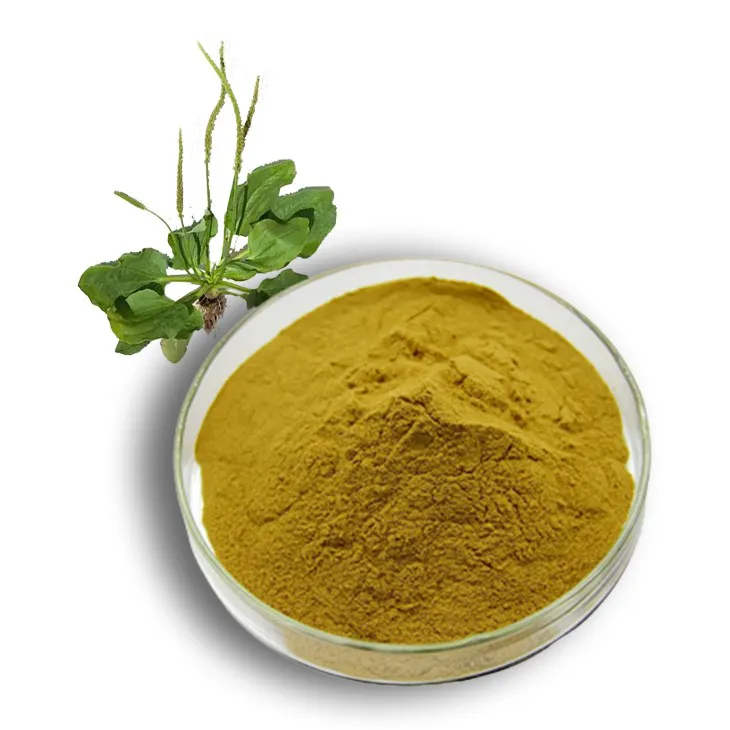
Plantain extract
2026-08-27
-
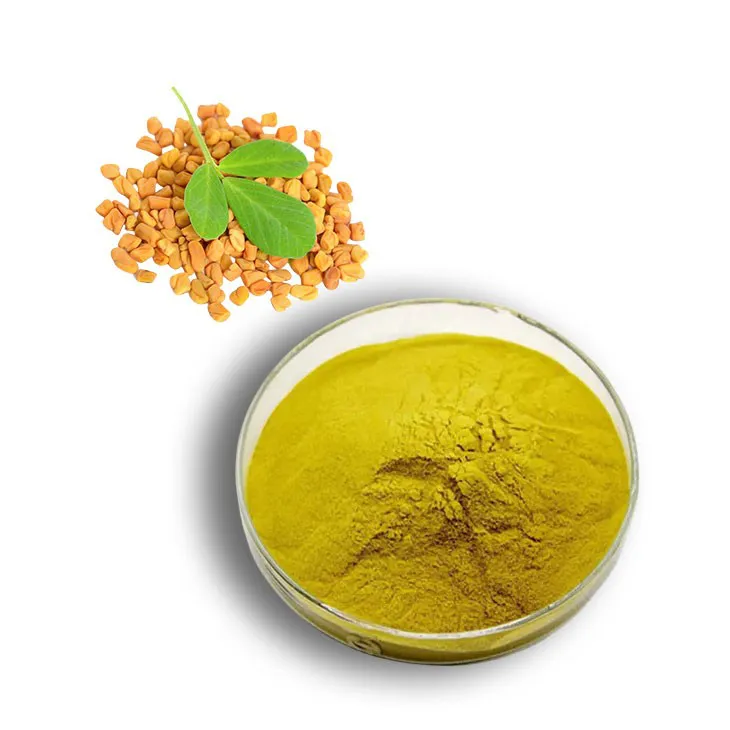
Fenugreek Extract Powder
2026-08-27
-
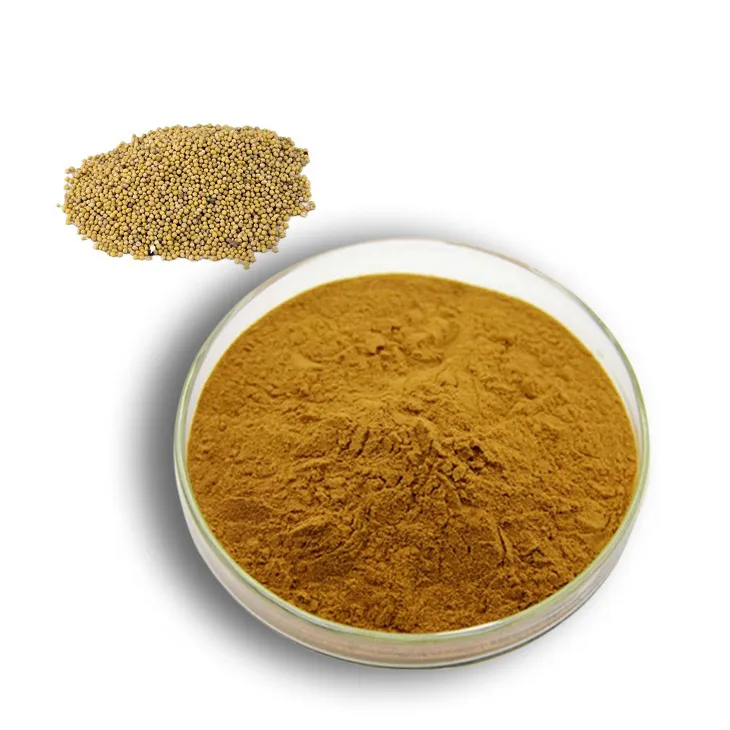
White mustard seed extract
2026-08-27
-
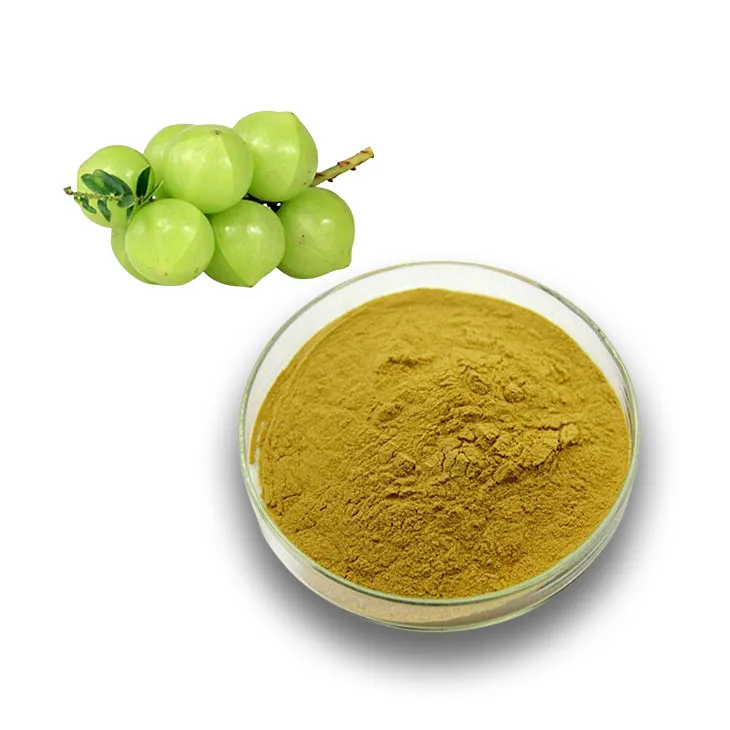
Phyllanthus Emblica Extract
2026-08-27
-
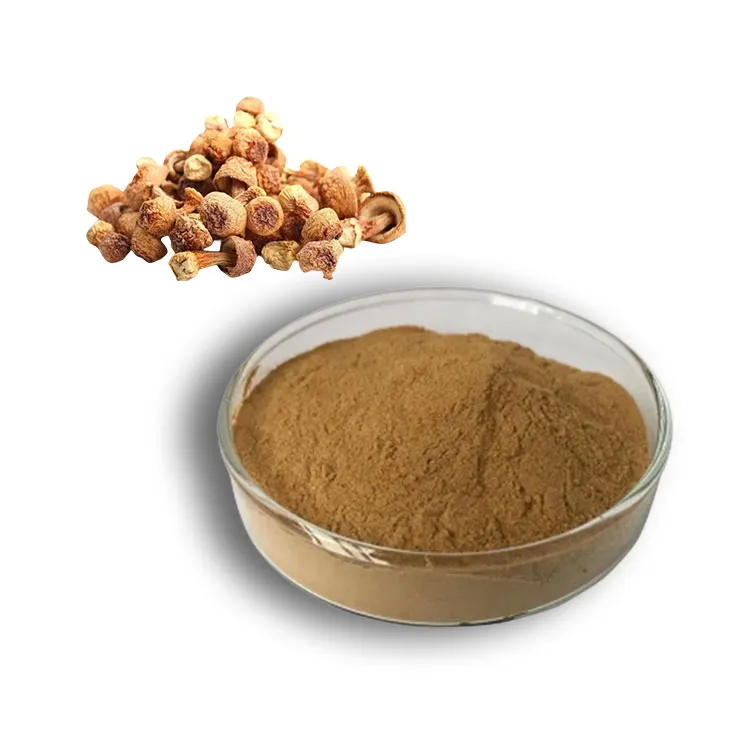
Agaricus Blazei Extract
2026-08-27
-
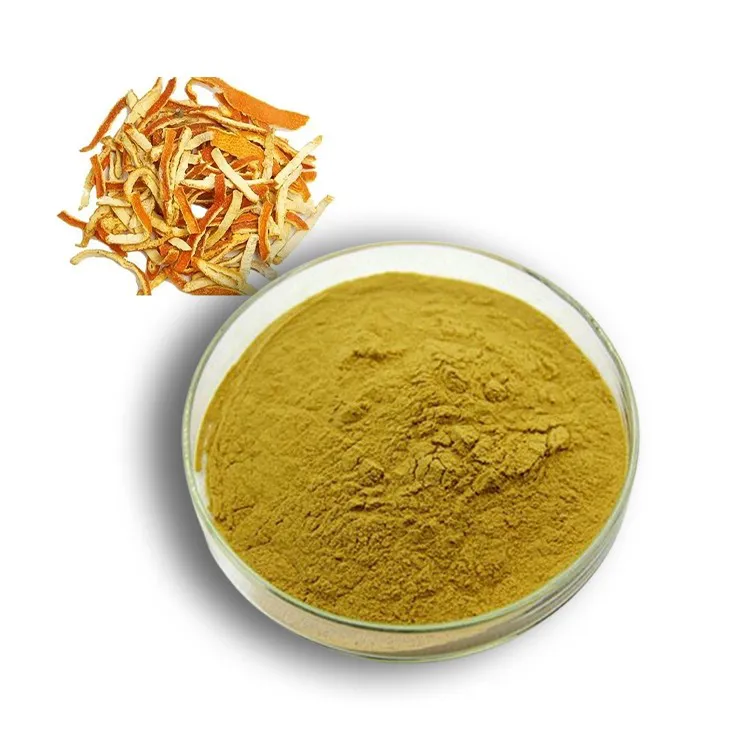
Hesperidin
2026-08-27
-
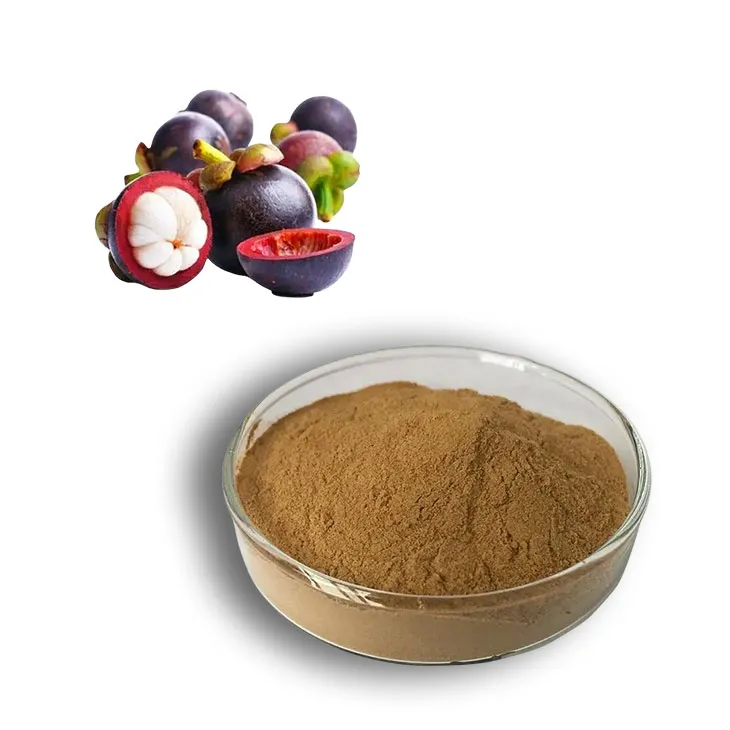
Mangosteen extract powder
2026-08-27
-
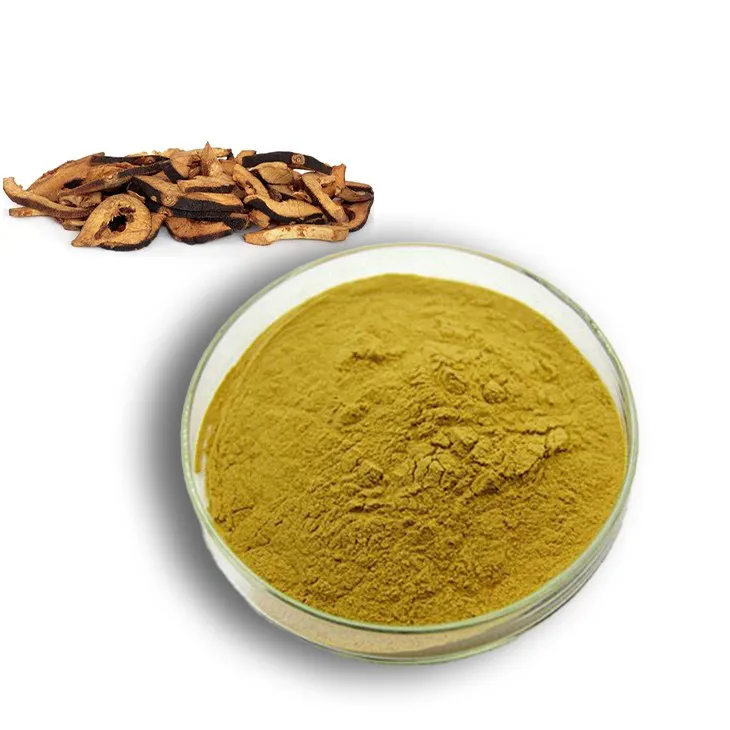
Citrus Aurantium Extract
2026-08-27
-
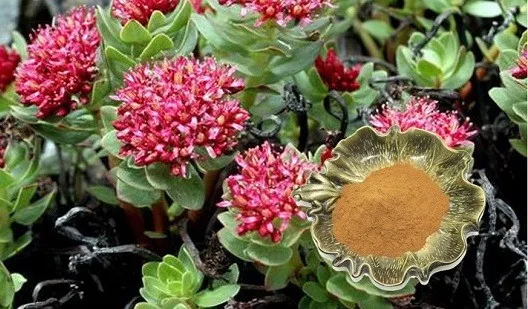
Rhodiola Rosea Extract
2026-08-27
