- 0086-571-85302990
- [email protected]






Global Plant Extract Industry News Roundup — August 2026
2026-08-23
A comprehensive overview of the latest trends, regulatory changes, and market developments shaping the international plant extract and botanical ingredient industry.
1. FDA Accelerates Phase-Out of Synthetic Dyes — Natural Color Alternatives Surge
In a landmark regulatory shift, the U.S. Food and Drug Administration (FDA) is actively considering three new petitions to expand the use of plant-based food colors, as the agency works toward its goal of removing petroleum-based synthetic dyes from the U.S. food supply by the end of 2026.
Key developments:
Safflower Yellow: GNT USA, supplier of Exberry natural colors, has filed a petition to authorize safflower extract as a new plant-based yellow color additive. Safflower concentrate offers strong pH, heat, and light stability, making it suitable for beverages, confections, cereals, and salad dressings. The company invested nearly a decade of research and safety evaluation into this filing.
Gardenia Blue Expansion: The Gardenia Blue Interest Group has petitioned the FDA to expand the use of genipin-based blue color into 20 additional food categories, including carbonated drinks, ice cream, yogurt, snack foods, and chewable tablets. This would be a major expansion from the six categories originally approved in July 2025.
Carrot Oil Manufacturing: The International Association of Color Manufacturers (IACM) is seeking to permit acetone as a solvent in carrot oil production and to add heavy metal limits.
This regulatory momentum follows HHS Secretary Robert F. Kennedy Jr.'s announcement to phase out synthetic colors including Red 40 and Yellow 5 by the end of 2026, with Citrus Red No. 2 and Orange B already targeted for revocation. Dozens of U.S. states have independently passed legislation limiting synthetic dyes in food.
What this means for plant extract suppliers: Demand for natural color ingredients—including butterfly pea flower extract, spirulina, beetroot red, and Galdieria extract from unicellular red algae—is accelerating rapidly. Suppliers who can deliver stable, high-performance plant-based colorants are positioned to capture significant market share.
2. Natural Color Supply Chains Face Unprecedented Strain
A new report from the National Confectioners Association and RTI International warns that replacing synthetic food dyes is "not simply an ingredient substitution—it is a systemwide supply chain transformation."
Critical findings:
Many non-FD&C colorants remain heavily dependent on imports from a small number of countries (e.g., annatto, butterfly pea flower, saffron-derived colorants), exposing manufacturers to climate risks and geopolitical disruptions.
If the industry rapidly transitions, demand for non-FD&C colorants could rise to four times current levels. Under these conditions, average colorant prices could increase by more than 1,000%.
Emerging technology companies like Sparxell (cellulose-based structural color technology) and Michroma (fermentation-derived fungal pigments) are developing alternatives that could help alleviate supply pressures.
The report recommends coordinated action across four priorities: regulatory alignment, realistic transition timelines, shared communication, and stronger quality management systems.
Implication: The plant extract industry is entering a period of both enormous opportunity and supply chain risk. Companies that invest in diversified sourcing, long-term supplier agreements, and next-generation extraction technologies will have a competitive advantage.
3. Matcha Market Boom: From Traditional Ritual to CPG Category
Matcha—a finely ground powder made from shade-grown tea leaves—is experiencing explosive growth, with the global market value reaching an estimated $1.03 billion in 2026 at a compound annual growth rate (CAGR) of 7.7%.
Market highlights:
Matcha menu mentions are up 50% year-over-year, driven by its health halo (high antioxidant content, L-theanine) and visual appeal.
New consumer packaged goods (CPG) brands are transforming matcha from a café specialty into a grab-and-go category. Companies like Chuh Matcha (canned lattes in flavors like spiced vanilla, blueberry, and lavender) and Shinzo Matcha (single-serve stick packs and sparkling matcha sodas) are leading the charge.
PerfectTed, a UK-based matcha brand founded in 2022, grew from £8.2 million in sales in 2024 to a forecast of over £30 million in 2025.
Consumers are increasingly seeking lower-caffeine alternatives to energy drinks. Matcha's moderate caffeine content (combined with L-theanine for slow-release energy) makes it attractive for afternoon consumption.
Opportunity for extract manufacturers: The trend toward convenient, functional botanical beverages creates strong demand for high-quality Green Tea Extracts, standardized matcha powder, and complementary botanical ingredients.
4. GLP-1 Wave Reshapes Food & Ingredient Strategy
GLP-1 weight-loss drugs are gaining rapid traction globally, with uptake reaching approximately 12% in the U.S. and growing quickly across Europe (France: +151% YoY conversation growth, Spain: +137%, Germany: +120%). The launch of oral GLP-1 formulations (Wegovy pill) in Germany marks a turning point.
Industry implications for plant extracts:
GLP-1 users are consuming smaller portions, driving demand for nutrient-dense, high-value food and beverage products.
There is growing interest in plant-based ingredients that support gut health, blood sugar management, and women's health—all topics increasingly associated with GLP-1 use.
Brands are reformulating products to deliver greater nutritional value per serving, creating opportunities for concentrated botanical extracts and functional plant ingredients.
The oral GLP-1 pill is expected to expand use significantly, and the food and beverage industry will need to adapt to changing consumer eating patterns.
5. Sustainability and Regenerative Agriculture Take Center Stage
Ingredient suppliers are increasingly positioning themselves as sustainability experts, investing in traceability, regenerative agriculture, and climate-smart infrastructure that connects farms directly to finished products.
Key trends:
Regenerative agriculture is gaining federal support in the U.S., with President Trump signing an executive order in June 2026 to develop public-private partnerships around regenerative farming research and innovation.
Pea protein supplier Puris highlights that peas are "one of the lowest carbon footprint crops grown in America," functioning as cover and rotational crops that support soil health while requiring fewer inputs.
Water-based extraction processes (used for pea protein, for example) are being promoted as cleaner alternatives to solvent-based methods commonly used in the protein industry.
Traceability is becoming a key differentiator. Brands are moving from concealing suppliers to highlighting them, as provenance becomes a competitive advantage—similar to the farm-to-table movement in foodservice.
Companies like Avena (RegenAg Protocol for oats, peas, lentils, chickpeas, and beans) and Anchor Ingredients (AnchorRegen program) are developing regenerative sourcing frameworks to reduce cost barriers for sustainable ingredients.
Takeaway for plant extract businesses: Sustainability credentials—from regenerative sourcing to clean-label extraction methods—are no longer optional. They are becoming prerequisites for securing contracts with major food and supplement brands.
6. Danone Acquires Huel for £860 Million — Plant-Based Nutrition Goes Mainstream
Danone has received regulatory approval for its £860 million acquisition of Huel, the plant-based nutrition company known for its meal replacement shakes, bars, and ready-to-drink products. This is one of the largest deals in the plant-based nutrition sector and signals mainstream food giants' confidence in the category's growth trajectory.
Why it matters: The deal underscores the growing market for plant-based, nutritionally complete products—many of which rely heavily on plant extracts for flavoring, functional ingredients, and bioactive compounds.
7. PepsiCo Bets on Healthier Legacy Brands
PepsiCo is expanding its portfolio of lower-sugar, high-protein, and high-fiber product offerings, reformulating legacy brands to align with evolving consumer health expectations.
Relevance for plant extract suppliers: As major CPG companies reformulate products to reduce sugar and add functional ingredients, there is growing demand for natural sweeteners, botanical extracts with health benefits, and plant-derived functional ingredients that can replace artificial additives.
8. WK Kellogg Ahead of Schedule on Artificial Dye Removal
WK Kellogg Co has announced it is ahead of schedule in its goal to remove petroleum-based dyes and BHT (butylated hydroxytoluene) from its cereals by the end of 2027—a year ahead of its original target.
Industry context: This follows a broader trend of major food manufacturers voluntarily phasing out synthetic colors. Mars, Hershey, and other CPG giants are undertaking similar reformulation efforts, creating sustained demand for natural color alternatives derived from plants, algae, and other natural sources.
Market Outlook: Key Takeaways for the Plant Extract Industry
Trend Impact on Plant Extract Industry Synthetic dye phase-out (FDA) Massive demand for natural colorants from botanical sources Supply chain constraints Opportunity for diversified, resilient sourcing strategies Matcha & functional beverages Growing demand for Green Tea Extracts and botanical concentrates GLP-1 market expansion Reformulation toward nutrient-dense, functional plant ingredients Regenerative agriculture Premium positioning for sustainably sourced extracts M&A activity (Danone-Huel) Mainstream validation of plant-based nutrition CPG reformulation Sustained demand for natural, clean-label ingredients
Sources: FoodNavigator, Federal Register, National Confectioners Association, RTI International, Grand View Research, Innova Market Research. Article compiled August 2026.
Keywords: plant extract industry, botanical extracts, natural food colors, FDA synthetic dye ban, safflower extract, gardenia blue, matcha market, GLP-1 food trends, regenerative agriculture, plant-based nutrition, clean label, functional beverages, natural color supply chain, CPG reformulation
- ▶ Hesperidin
- ▶ Citrus Bioflavonoids
- ▶ Plant Extract
- ▶ lycopene
- ▶ Diosmin
- ▶ Grape seed extract
- ▶ Sea buckthorn Juice Powder
- ▶ Fruit Juice Powder
- ▶ Hops Extract
- ▶ Artichoke Extract
- ▶ Mushroom extract
- ▶ Astaxanthin
- ▶ Green Tea Extract
- ▶ Curcumin
- ▶ Horse Chestnut Extract
- ▶ Other Product
- ▶ Boswellia Serrata Extract
- ▶ Resveratrol
- ▶ Marigold Extract
- ▶ Grape Leaf Extract
- ▶ New Product
- ▶ Aminolevulinic acid
- ▶ Cranberry Extract
- ▶ Red Yeast Rice
- ▶ Red Wine Extract
- ▶ blog
-
Hawthorn Extract
2026-08-23
-
Coconut Water Powder
2026-08-23
-
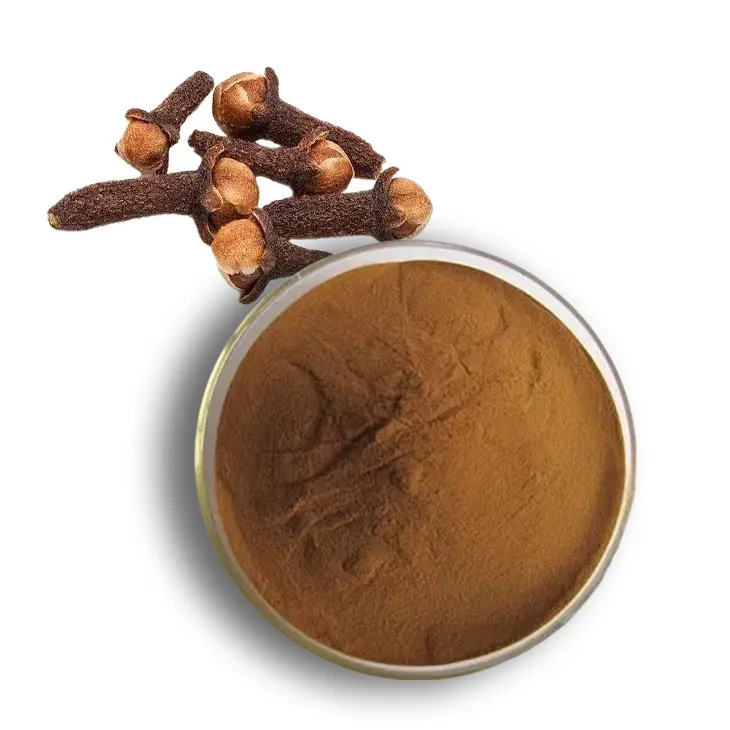
Clove Powder
2026-08-23
-
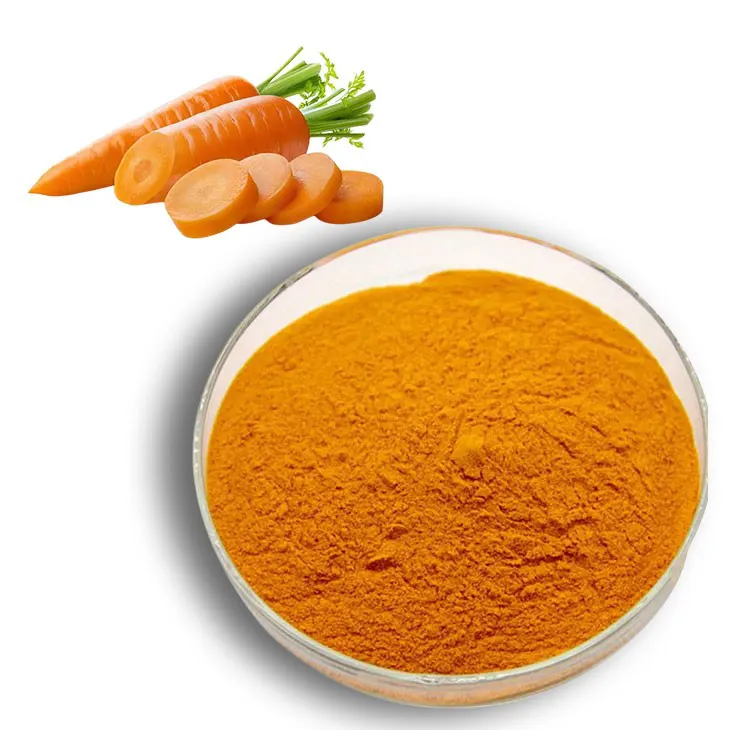
Beta Carotene
2026-08-23
-
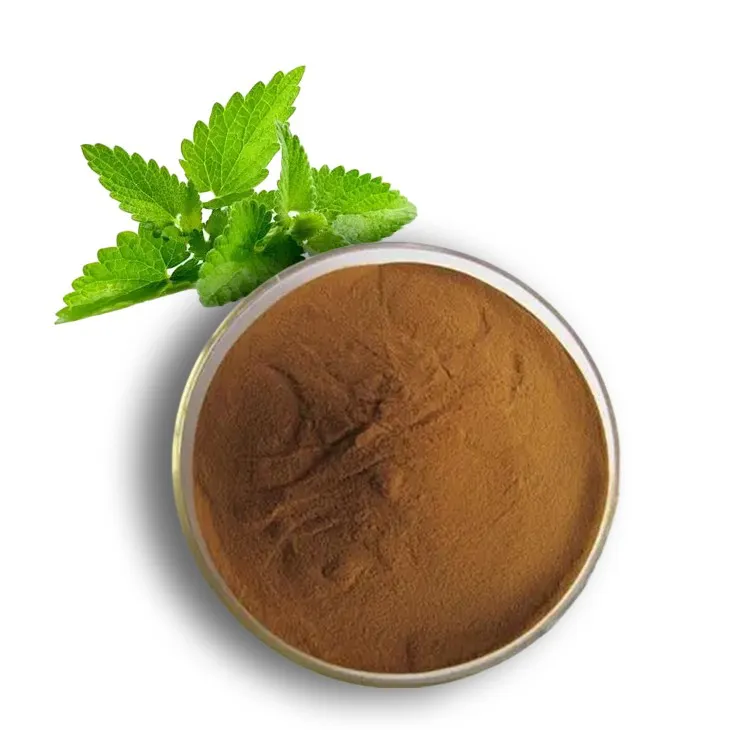
Peppermint Extract Powder
2026-08-23
-
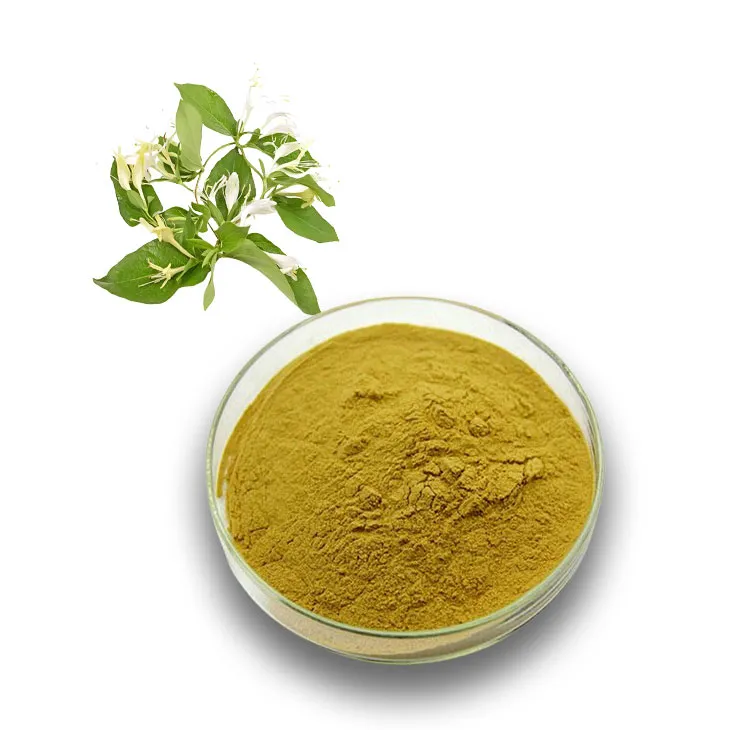
Honeysuckle Pollen
2026-08-23
-
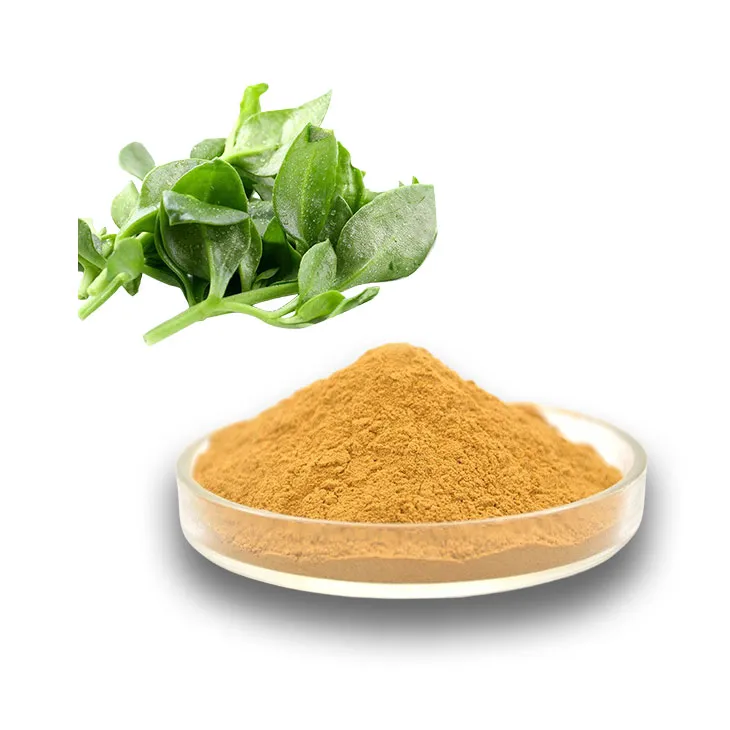
Andrographis Paniculata Extract Powder
2026-08-23
-
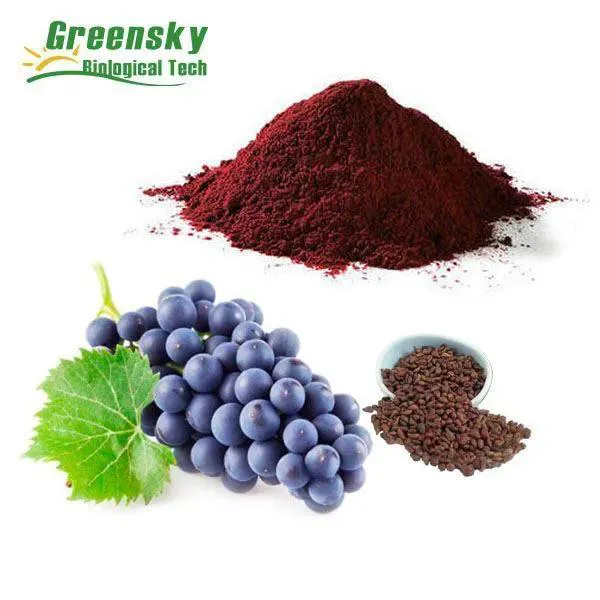
Grape Seed Extract
2026-08-23
-
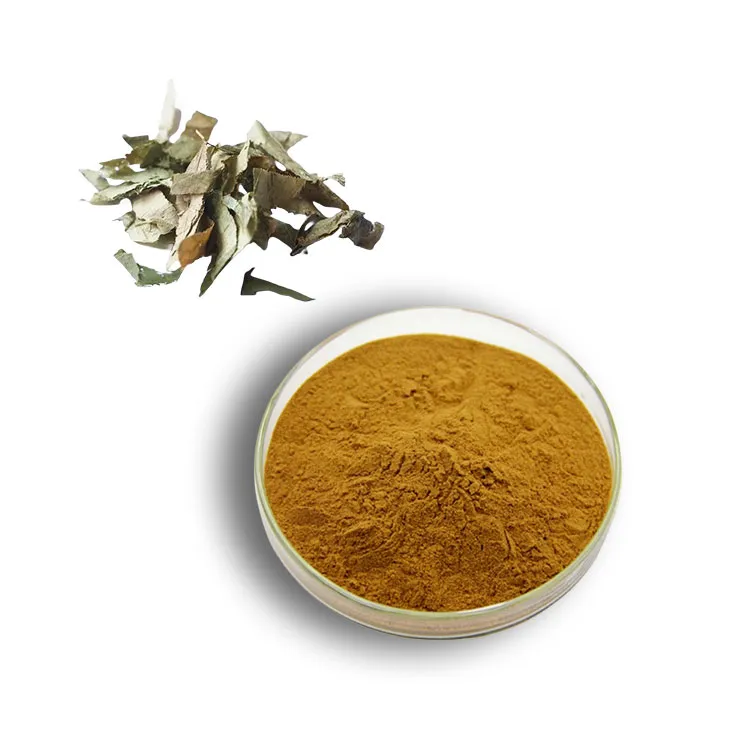
Epimedium extract powder
2026-08-23
-
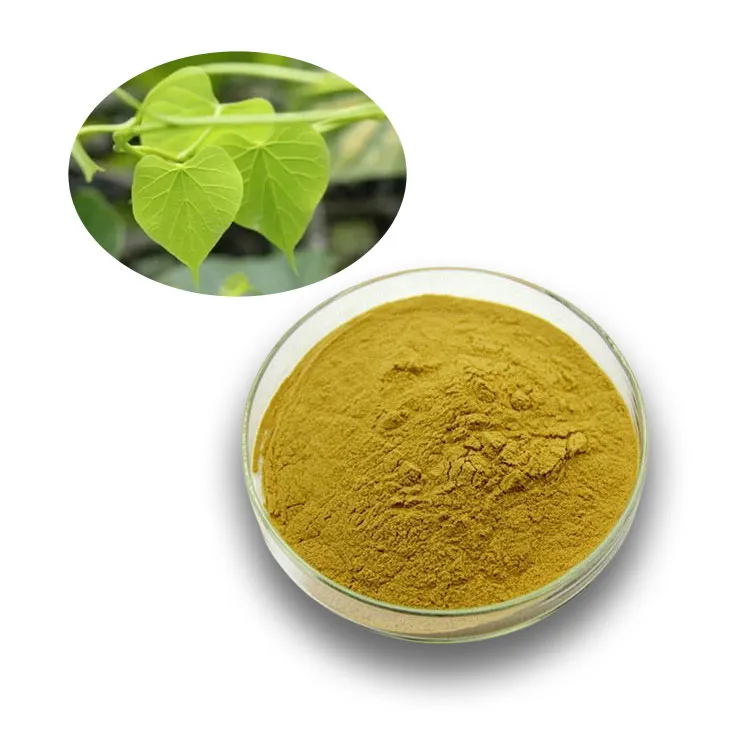
Tinospora cordifolia extract
2026-08-23
