- 0086-571-85302990
- [email protected]






International Plant Extract Industry: 2025-2026 Market Trends, Innovations & Regulatory Landscape
2026-08-13
International Plant Extract Industry: 2025-2026 Market Trends, Innovations & Regulatory Landscape
The global plant extract industry is experiencing a transformative period driven by surging consumer demand for natural and clean-label products, breakthroughs in green extraction technologies, and an evolving regulatory landscape. This article provides a comprehensive overview of the latest market dynamics, technological innovations, and growth forecasts shaping the international botanical extracts sector in 2025-2026.
Market at a Glance: Key Numbers
1. Core Growth Drivers Fueling the Plant Extract Industry
1.1 Rising Health Consciousness & Clean-Label Demand
Global consumers are increasingly prioritizing health and wellness, driving unprecedented demand for natural ingredients in food, beverages, dietary supplements, and personal care products. The clean-label movement has positioned plant extracts as the gold standard for manufacturers seeking to replace synthetic additives.
Functional foods and beverages: Products fortified with botanical extracts for antioxidant, anti-inflammatory, and adaptogenic benefits
Preventive healthcare: Growing reliance on plant-based supplements for immunity, cardiovascular health, and digestive wellness
Vegan and plant-based diets: Accelerating adoption of plant-derived alternatives across all product categories
Immunity-boosting products: Sustained post-pandemic demand for herbal immunity support products
1.2 Food & Beverage Sector: The Dominant Application
The food and beverage segment commands 46.9% of the botanical extracts market revenue in 2025. Extracts from vanilla, green tea, turmeric, ginger, rosemary, and black pepper are being extensively integrated into bakery products, confectionery, dairy alternatives, and functional beverages. Innovative formulation techniques now enable extracts to maintain stability, solubility, and bioavailability across diverse food matrices.
1.3 Nutraceutical & Pharmaceutical Expansion
The pharmaceutical and nutraceutical industries have emerged as powerful growth engines. Bioactive compounds including polyphenols, alkaloids, flavonoids, and terpenes are extensively researched and deployed in dietary supplements, herbal medicines, and targeted wellness products addressing immunity, metabolic health, and cognitive function.
1.4 Cosmetics & Personal Care
The cosmetics and personal care industry continues its rapid shift toward botanical formulations. Extracts from aloe vera, chamomile, lavender, ginseng, and tea tree oil are staples in skincare, haircare, and personal hygiene products, valued for their antioxidant, anti-aging, anti-inflammatory, and moisturizing properties. Advances in encapsulation and nanotechnology are further improving the bioavailability and targeted delivery of plant-derived actives in topical applications.
2. Regional Market Analysis: Asia-Pacific Leads Global Growth
2.1 Asia-Pacific: The Global Growth Engine
The Asia-Pacific region demonstrates the strongest momentum in the global botanical extracts market, supported by abundant raw material resources, a robust supply chain, and lower production costs. Key country-level forecasts include:
| Country | Projected CAGR (2025-2035) | Key Strengths |
|---|---|---|
| China | 9.7% | Large-scale herbal cultivation, rising export capacity, domestic demand surge |
| India | 9.0% | Strong Ayurveda heritage, growing dietary supplement utilization |
| Germany | 8.3% | Established natural cosmetics and herbal medicine industries |
| United Kingdom | 6.8% | Plant-based functional foods and wellness product adoption |
| United States | 6.1% | Clean-label preference, natural health solution demand |
2.2 Europe: Steady Growth Driven by Regulatory Support
Europe exhibits strong demand for traceable and clean-label botanical extracts, underpinned by stringent regulations on natural ingredients in food, beverages, and personal care. While growth is moderate compared to Asia-Pacific due to higher operational costs, the European market remains a quality benchmark with Germany leading regional expansion.
2.3 North America: Consistent Demand from Supplements Sector
North America displays consistent growth driven primarily by dietary supplements and functional food sectors. Regulatory frameworks support natural ingredient adoption, though dependence on imports for raw materials constrains scalability. Consumer preference for clean-label, natural health solutions continues to drive market expansion.
3. Segment Analysis: What's Driving Demand?
3.1 By Source: Herbs Dominate
The herbs segment leads the botanical extracts market with a 28.7% revenue share in 2025. This dominance is attributed to the widespread availability of herbal raw materials, rich phytochemical profiles, and broad therapeutic applications spanning traditional and modern product formulations. Herbs have established efficacy recognized in various regional pharmacopeias, making them the preferred choice for manufacturers targeting immunity, digestion, and cognitive health.
3.2 By Form: Powder Extracts Lead
The powder form segment represents 61.2% of market revenue in 2025. Powdered botanical extracts offer high stability, ease of storage, extended shelf life, and versatility across delivery formats including capsules, tablets, drink mixes, and cosmetics. Their lower moisture content reduces susceptibility to microbial growth, improving product safety while enabling more precise dosing and consistent bioactive concentrations.
3.3 By Application: Food & Beverage Leads
The food and beverage application segment captures the largest share at 46.9% of market revenue. This is fueled by rising consumer demand for functional foods and naturally flavored beverages that offer health benefits alongside taste. The ability of botanical extracts to align with dietary trends such as veganism, keto, and immunity-boosting diets has reinforced their leadership in the market.
4. Technological Innovation: Advanced Extraction Methods
The development of innovative extraction technologies has significantly influenced the quality and efficiency of botanical extracts, becoming a key competitive differentiator in the industry:
Supercritical CO2 Extraction: Delivers high-purity extracts without solvent residues, particularly effective for essential oils and oleoresins. This green technology preserves thermally sensitive bioactive compounds that would be degraded by conventional methods.
Ultrasonic-Assisted Extraction (UAE): Uses acoustic cavitation to enhance mass transfer, reducing extraction time and energy consumption while improving yields. Particularly effective for flavonoid and polyphenol recovery.
Microwave-Assisted Extraction (MAE): Employs microwave heating to rapidly disrupt plant cell structures, enabling faster and more efficient extraction of target compounds with reduced solvent usage.
Enzyme-Assisted Extraction: Uses specific enzymes to break down plant cell walls, releasing bioactive compounds that are otherwise difficult to extract. This approach is gaining traction for specialty and high-value extracts.
Solvent-Free Technologies: Emerging methods such as mechanical pressing and steam distillation refinements are eliminating the need for chemical solvents entirely, aligning with the industry's sustainability goals.
These advancements have enabled manufacturers to develop high-purity, customized extracts suited for pharmaceutical, nutraceutical, and cosmetic industries, creating opportunities for product differentiation and premium positioning.
5. Regulatory Landscape: Navigating the Compliance Framework
The regulatory environment for plant extracts continues to evolve, with significant implications for global trade:
European Union: Stringent regulations on natural ingredients in food, beverages, and personal care drive demand for traceable, clean-label botanical extracts. The EU's Novel Food Regulation requires thorough safety assessments for plant extracts not traditionally consumed in the EU, creating both barriers and opportunities for compliant suppliers.
United States (FDA): The FDA maintains a supportive framework for natural ingredient adoption in dietary supplements, though the distinction between dietary supplements and drug claims remains a compliance challenge. The GRAS (Generally Recognized As Safe) pathway continues to be the primary route for new botanical ingredient approvals.
China: China's expanding domestic demand and rising export capacity are supported by improving regulatory frameworks. The country's traditional medicine heritage provides a strong foundation for botanical extract development and commercialization.
India: Building on its Ayurveda heritage, India is strengthening its regulatory standards for herbal products, enhancing both domestic confidence and international acceptance of Indian-sourced botanical extracts.
6. Competitive Landscape: Key Global Players
The international plant extract industry features a diverse mix of multinational corporations and regional specialists. Leading companies include:
International Flavors & Fragrances Inc. (IFF) — United States
Givaudan — Switzerland
Symrise — Germany
Kerry Group — Ireland
Archer Daniels Midland (ADM) — United States
Synthite Industries Ltd. — India
Martin Bauer Group — Germany
Kalsec Inc. — United States
Dohler GmbH — Germany
DSM (Royal DSM) — Netherlands
Blue Sky Botanics Ltd. — United Kingdom
Nutra Green Biotechnology Co., Ltd. — China
Berkem — France
Bell Flavors & Fragrances — United States
Synergy Flavors — United States
Ransom Naturals Ltd. — United Kingdom
The competitive landscape is characterized by strategic acquisitions, capacity expansions, and investments in sustainable sourcing and green extraction technologies. Companies are increasingly differentiating themselves through organic certification, traceability programs, and customized extract formulations.
7. Sustainability & Ethical Sourcing: An Emerging Imperative
Sustainability has moved from a nice-to-have to a business imperative in the plant extract industry. Key trends include:
Organic certification: Growing demand for certified organic botanical extracts across all application segments
Ethical supply chains: Increasing focus on fair-trade sourcing, community benefit, and transparent supply chain practices
Green processing: Adoption of environmentally friendly extraction methods that reduce energy consumption, water usage, and chemical waste
Biodiversity conservation: Sustainable wild-harvesting practices and cultivated alternatives to protect endangered plant species
Carbon footprint reduction: Companies investing in renewable energy, localized sourcing, and optimized logistics to minimize environmental impact
Conclusion & Outlook
The international plant extract industry stands at an inflection point. With a projected market value of USD 15.7 billion by 2035 and a broader plant extracts market expected to reach USD 61.5 billion by 2027, the sector offers tremendous opportunity for manufacturers, suppliers, and innovators.
The convergence of health-conscious consumer demand, technological advancement in extraction methods, and supportive regulatory frameworks creates a favorable environment for sustained growth. Asia-Pacific, particularly China and India, will serve as the primary growth engine, while Europe and North America will maintain their positions as quality benchmarks and innovation hubs.
For industry participants, success in this dynamic market will depend on three factors: quality and purity of extracts, sustainability of sourcing and production, and innovation in application development. Companies that can deliver on all three fronts will be well-positioned to capture the growing global demand for botanical extracts across food, beverage, nutraceutical, pharmaceutical, and personal care applications.
This article was compiled based on data from leading market research organizations including Future Market Insights and MarketsandMarkets, reflecting industry consensus as of August 2026.
- ▶ Hesperidin
- ▶ Citrus Bioflavonoids
- ▶ Plant Extract
- ▶ lycopene
- ▶ Diosmin
- ▶ Grape seed extract
- ▶ Sea buckthorn Juice Powder
- ▶ Fruit Juice Powder
- ▶ Hops Extract
- ▶ Artichoke Extract
- ▶ Mushroom extract
- ▶ Astaxanthin
- ▶ Green Tea Extract
- ▶ Curcumin
- ▶ Horse Chestnut Extract
- ▶ Other Product
- ▶ Boswellia Serrata Extract
- ▶ Resveratrol
- ▶ Marigold Extract
- ▶ Grape Leaf Extract
- ▶ New Product
- ▶ Aminolevulinic acid
- ▶ Cranberry Extract
- ▶ Red Yeast Rice
- ▶ Red Wine Extract
- ▶ blog
-
Acerola Extract
2026-08-13
-
Nettle leaf extract
2026-08-13
-
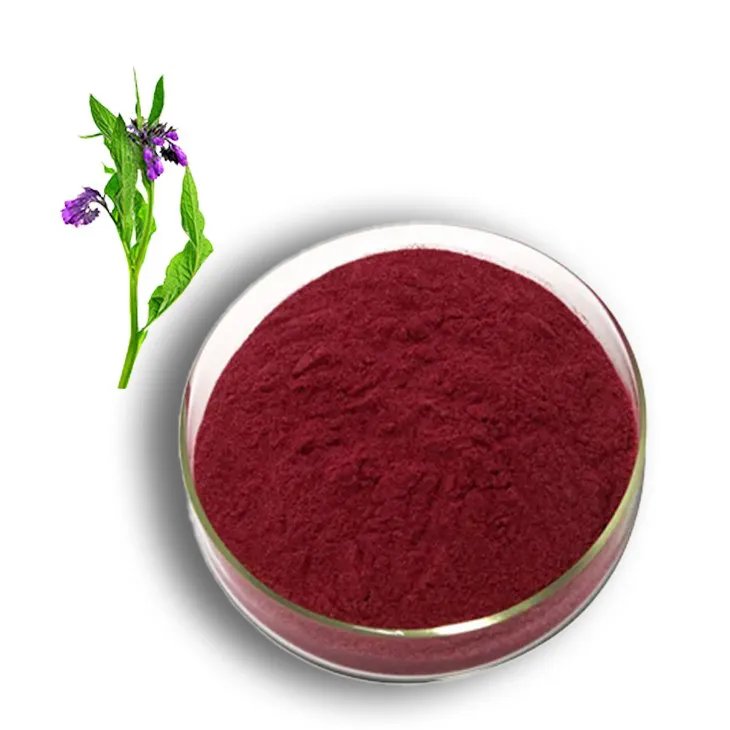
Shikone Extract
2026-08-13
-
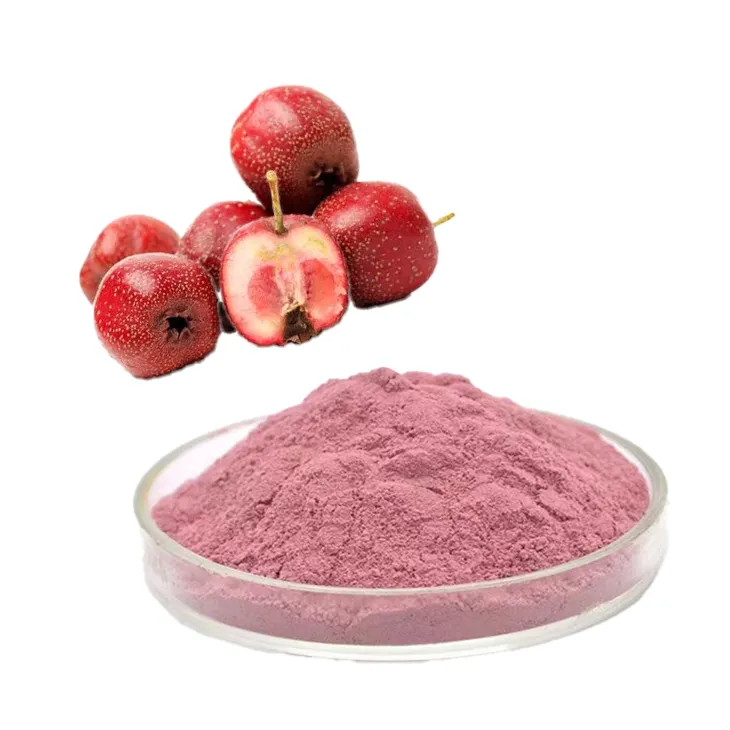
Hawthorn powder
2026-08-13
-
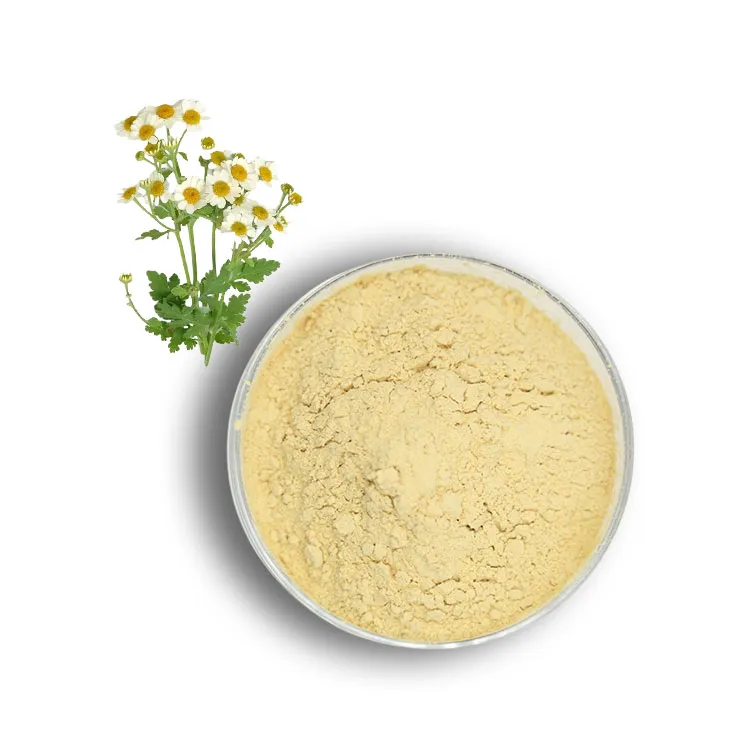
Feverfew Extract
2026-08-13
-
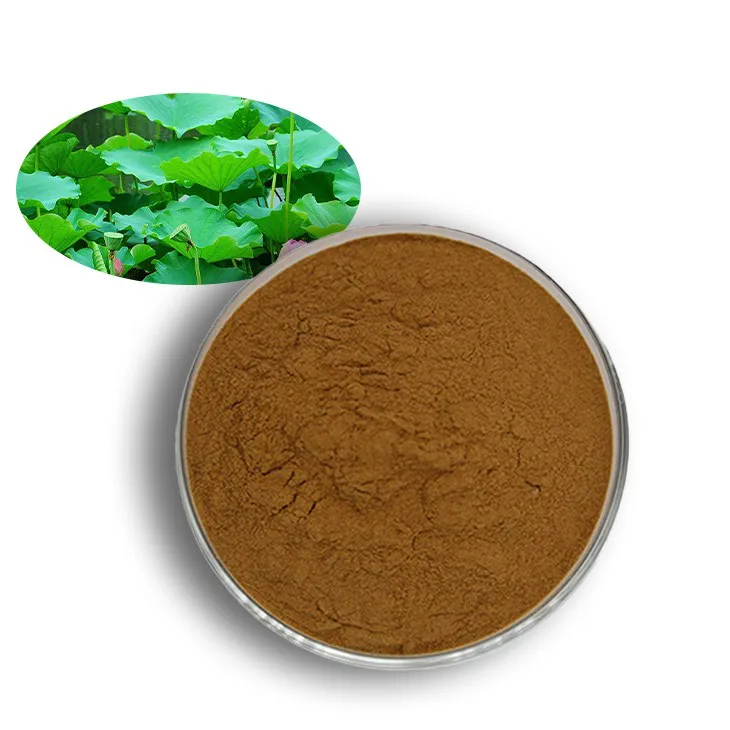
Lotus leaf extract
2026-08-13
-
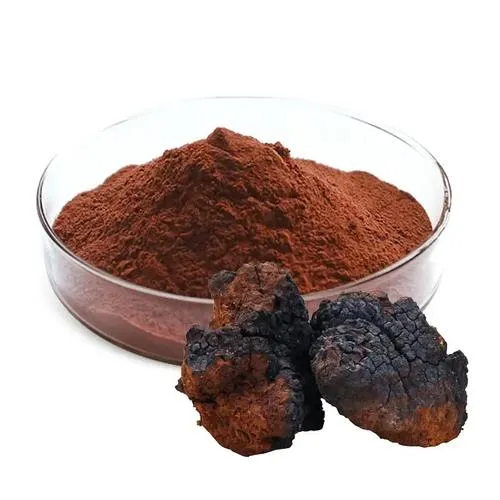
Chaga Mushroom Extract
2026-08-13
-
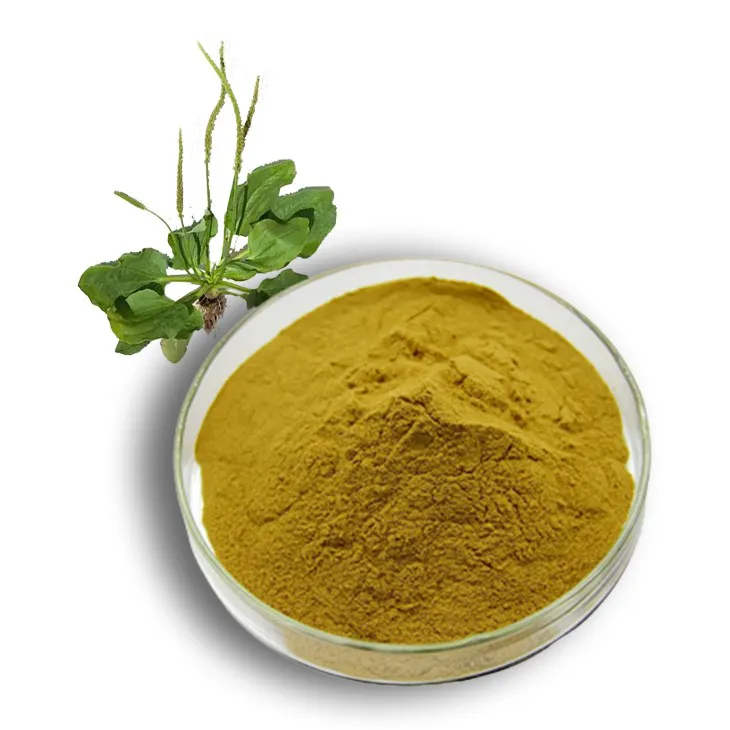
Plantain extract
2026-08-13
-
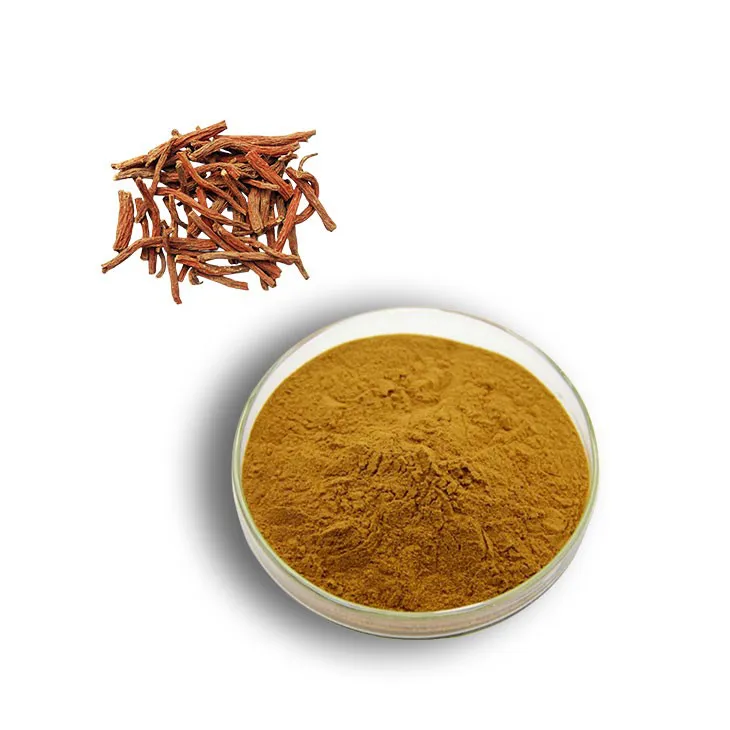
Dan Shen Root Extract/Salvia Root Extract
2026-08-13
-
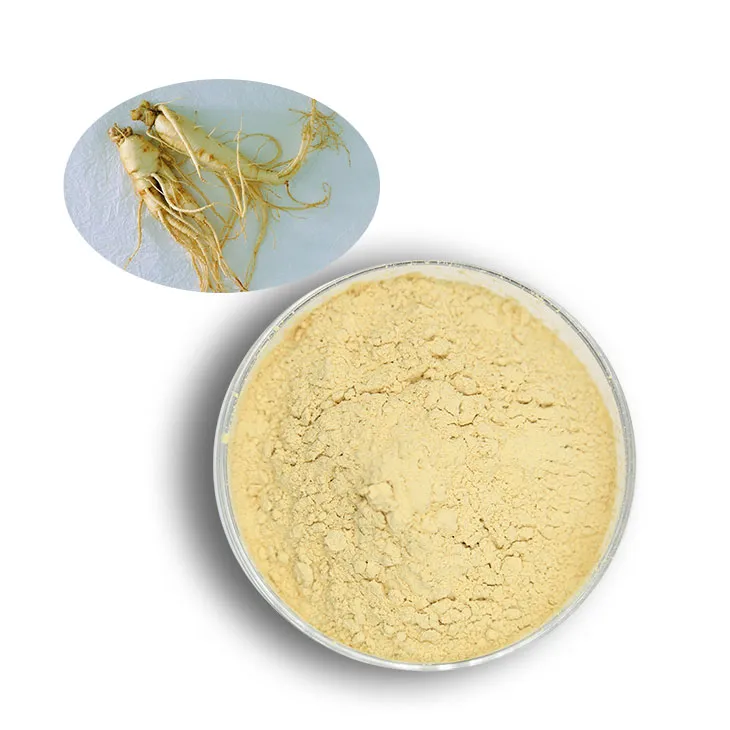
American Ginseng Root Extract
2026-08-13
