- 0086-571-85302990
- [email protected]






International Plant Extract Industry News & Market Trends — August 2026
2026-08-11
International Plant Extract Industry News & Market Trends — August 2026
Executive Summary
The global plant extract (botanical extract) industry continues its robust growth trajectory in 2026, driven by surging consumer demand for natural, clean-label ingredients across dietary supplements, functional foods, cosmetics, and pharmaceuticals. This month's comprehensive roundup covers landmark M&A activity, breakthrough clinical research, evolving regulatory frameworks, and emerging market trends shaping the future of the international botanical extracts sector.
Global Plant Extracts Market: Key Figures at a Glance
Multiple research firms converge on strong growth trajectories for the plant extracts industry. According to Precedence Research, the global plant extracts market reached USD 39.04 billion in 2025 and is projected to exceed USD 109.49 billion by 2035, growing at a CAGR of 10.86%. Mordor Intelligence estimates the market at USD 45.31 billion in 2025, growing to USD 70.89 billion by 2031 at a CAGR of 7.76%.
1. Major M&A Activity: Big Players Betting on Natural Wellness
P&G to Acquire Thorne in Premium Wellness Play
In a landmark deal announced in 2026, Procter & Gamble (P&G) has moved to acquire Thorne Health, one of the leading premium supplement brands known for its science-backed formulations and extensive use of botanical ingredients including Curcumin, ashwagandha, and milk thistle extracts. Thorne has grown at over 30% CAGR since 2023, surpassing $500 million in annual revenue in 2025 and on track to reach $650 million this year. Approximately 60% of Thorne's revenue comes from consumers under 40, reflecting a dramatic generational shift in how younger demographics approach health through natural and plant-derived supplements.
This acquisition validates the commercial potential of science-backed botanical extracts and is likely to drive increased investment in clinical research, quality standardization, and innovation across the plant extract supply chain globally.
Kirin Acquires Jamieson Wellness for C$2.5 Billion
Japan's Kirin Holdings is acquiring Jamieson Wellness, marking a strategic push into the North American nutraceutical market. Jamieson's portfolio includes a wide range of botanical and plant-based supplements, further consolidating the trend of large corporations strengthening their natural ingredient offerings.
IM8 Secures $1 Billion Growth Financing
Premium supplement brand IM8, backed by David Beckham, secured a landmark $1 billion growth financing deal from General Catalyst's Customer Value Fund, just 19 months after entering the market. The brand's heavy reliance on plant-based functional ingredients underscores the growing commercial viability of natural wellness products.
2. Breakthrough Clinical Research on Botanical Extracts
Turmeric Extract Improves Cognitive Function in 24-Week Trial
A proprietary Curcuma longa (turmeric) extract demonstrated significant improvements in orientation and attention scores in a 24-week cognitive health trial, according to research published in Frontiers in Nutrition. Notably, this study focused on non-Curcuminoid compounds — specifically the sesquiterpenoids turmeronols A and B, and bisacurone — which appear to suppress inflammatory pathways by targeting microglial activation in the brain.
| Parameter | Detail |
|---|---|
| Participants | 40 healthy adults aged 40–69 years |
| Duration | 24 weeks |
| Intervention | Curcuma Longa Extract (dual extraction: hot water + supercritical CO₂) |
| Active Compounds | Turmeronols A & B, bisacurone |
| Key Finding | Significant improvement in orientation and attention vs. placebo |
| Safety | No adverse effects reported |
Saw Palmetto Expands Beyond Men's Health
New research reveals that saw palmetto (Serenoa repens) extract can support women's bladder health — a significant expansion of its traditionally male-focused applications. A double-blind, randomized, placebo-controlled trial showed significant improvement in bladder symptoms for women over age 50 who received 200 mg of standardized saw palmetto extract daily for 12 weeks.
Fisetin and the Rise of "Precision Senescence"
The NIH Cellular Senescence Network (SenNet) published the first comprehensive Human Senescence Atlas on the cover of Cell journal in June 2026. This landmark publication revealed that senescent cells differ markedly depending on where they reside — introducing the concept of distinct "tissue-specific senotypes." Fisetin, a natural flavonoid found in strawberries, apples, and persimmons, has emerged as the benchmark natural senolytic ingredient, positioning it for significant growth in the anti-aging supplement market.
Ergothioneine: Emerging as a Key Healthy Aging Ingredient
Ergothioneine, a naturally occurring antioxidant found in mushrooms and certain plants, is gaining significant attention for its role in supporting mitochondrial health and combating oxidative stress. Industry experts predict it will become one of the fastest-growing botanical-derived ingredients in the coming years.
Beetroot Extract: New Evidence for Muscle Performance
New clinical research has detailed the muscle performance benefits of beetroot extract, specifically its nitrate content's role in improving exercise performance and recovery — positioning beetroot extract as a growing category in sports nutrition and functional beverages.
3. Berberine Under Regulatory Scrutiny — Market Demand Remains Strong
Berberine, a naturally occurring plant alkaloid, has found itself at the center of a significant regulatory debate in Europe. The European Food Safety Authority (EFSA) has been reviewing the safety of plant preparations containing berberine after the French health agency ANSES raised concerns. However, market growth continues to surge regardless:
Berberine Market Performance (2025–2026)
U.S. Market (SPINS data): $96 million in sales over past 12 months — up 39% year-over-year
NOW Foods: Over 20% growth in 2025, with even higher growth estimated for 2026
Holland & Barrett (UK): Sales up 167% year-over-year; triple-digit growth for two consecutive years
As Dr. Umar Jan of Sabinsa Corporation noted, "EFSA's conclusion doesn't say berberine is dangerous; it says the dataset isn't complete enough to draw a firm safe-intake number." The case highlights the critical importance of robust clinical data and transparent supply chain documentation for botanical extract manufacturers operating in global markets.
4. Key Regulatory Developments
Federal Court Bans 19 Fake Urolithin A Sellers
In a significant victory for industry integrity, a U.S. federal court has banned 19 fake online sellers of urolithin A — a compound derived from pomegranate and other plant polyphenols — and awarded $5.3 million to Timeline, the original innovator. This ruling sets an important precedent for protecting legitimate botanical extract companies from counterfeit products and intellectual property infringement.
EU "Pragon" CJEU Ruling Opens Doors for Cross-Border Trade
The Court of Justice of the European Union ruled that EU member states cannot require companies to provide advance notice each time a shipment of food supplements arrives from another EU country. While this removes one barrier to cross-border trade, harmonization across the EU remains a work in progress.
China's New Health Food Regulations
China's State Administration for Market Regulation (SAMR) has drafted new regulations for health foods containing probiotic raw materials, including higher minimum CFU requirements, mandatory strain specification, and enhanced traceability. These changes extend to botanical-probiotic combination products — one of the fastest-growing product categories in Asia.
FDA Focus on Ultra-Processed Foods
The U.S. FDA's recent white paper on ultra-processed foods (UPF) is expected to have substantial policy impact. The growing regulatory focus on reducing artificial additives is creating tailwinds for natural plant-based alternatives in the food and beverage industry. WK Kellogg Co. announced it will remove petroleum-based artificial dyes and BHT from its cereals a year ahead of schedule, replacing them with natural plant-derived colorants.
5. Key Market Trends Shaping the Industry in 2026
Trend 1: The Generational Shift
The plant extract and botanical supplement market is being driven by Gen Z and millennial consumers who view supplementation as performance enhancement rather than disease prevention. Key categories include energy, cognitive function, stress management, and workout recovery — all areas where adaptogenic herbs and plant extracts play central roles.
Trend 2: Science-Backed Botanicals
Consumers and retailers increasingly demand clinical evidence behind botanical ingredients. Companies investing in human trials, mechanistic studies, and quality documentation are winning market share. Nearly half of surveyed consumers chose not to purchase a supplement because it lacked sufficient transparency, while two-thirds said they place greater trust in trademarked (branded) ingredients over generic alternatives.
Trend 3: "Benefit Stacking" in Food Innovation
"Benefit stacking" — combining multiple functional ingredients for synergistic health benefits — is reshaping food innovation in the post-GLP-1 era. Plant extracts are at the center of this trend, with formulators increasingly combining botanicals like Curcumin, ashwagandha, Green Tea Extract, and ginseng to deliver multi-functional products.
Trend 4: Clean Label & Transparency
The industry is shifting toward evidence-based formulations and supply chain transparency. Federal court actions against counterfeit supplement sellers underscore the growing importance of supply chain transparency and ingredient authentication — core competencies for established plant extract manufacturers.
Trend 5: Women's Health as a High-Growth Segment
The global women's health and beauty supplements market was estimated at USD 57.42 billion in 2024, with a projected CAGR of 5.25% from 2025 to 2030. The global menopause supplement market alone was estimated at USD 16.96 billion in 2023 and is projected to reach USD 25.89 billion by 2031.
6. Regional Market Analysis
| Region | Market Position | Key Highlights |
|---|---|---|
| North America | Largest Market (36.03% share) | Leading demand from nutraceuticals, clean-label foods, and dietary supplements |
| Europe | Fastest Growing (8.78% CAGR) | EU "Farm to Fork" strategy driving clean-label adoption; revised Novel Foods Compendium |
| Asia Pacific | Fastest Growing | Rising disposable incomes, traditional medicine heritage, expanding manufacturing capacity in India and China |
| LATAM & MEA | Emerging Markets | Growing adoption in agriculture (biopesticides), personal care, and food applications |
7. Technology & Innovation: Green Extraction Advances
The industry is rapidly adopting environmentally friendly extraction methods that improve yield, purity, and sustainability:
Supercritical CO₂ extraction — Minimizing solvent use and energy consumption while preserving bioactive compound integrity
Enzyme-assisted extraction — Improving yields and purity of targeted phytochemicals
Ultrasonic-assisted extraction — Reducing processing time and thermal degradation of heat-sensitive compounds
AI and machine learning — Deployed for crop yield predictions, plant species identification, phytochemical discovery, and precision agriculture
Biorefinery projects — Converting agricultural waste into valuable botanical actives, supporting circular economy objectives
AI Integration in Plant Science
The integration of artificial intelligence into plant science is transforming the industry. AI is being deployed for crop yield predictions, early disease diagnosis, accurate plant species identification, precision agriculture optimizations, biodiversity conservation, and identifying herbal properties to inform decisions on medicinal, food additive, or supplement applications.
8. India's Strategic Initiatives in Botanical Extracts
India has launched several national-level programs to boost its botanical extracts sector:
Nutra Task Force & Dedicated HS Codes: Assigning dedicated Harmonized System codes to more than 16 botanical extracts for better trade tracking, quality control, and export facilitation
Forward and Backward Linkage Scheme: Providing subsidies for post-harvest infrastructure to local farmers, ensuring raw material quality and sustainable supply chains
Biomanufacturing & Bio-RIDE Initiatives: Supporting the adoption of green extraction technologies, including supercritical fluid extraction and bio-based manufacturing processes
9. Key Growth Drivers Summary
| Growth Driver | Impact on CAGR | Geographic Focus |
|---|---|---|
| Surge in clean-label demand | +1.2% | Global (peak: North America, Western Europe) |
| Growth of vegan & plant-based diets | +1.3% | Global (led by North America, Europe, urban Asia-Pacific) |
| Expansion of nutraceutical regulations | +1.0% | North America, Europe, Asia-Pacific |
| Advances in green extraction technologies | +0.9% | Global (research hubs in Europe, North America, East Asia) |
| Biorefinery-driven agri-waste valorization | +0.8% | Europe, North America; emerging in Brazil, India |
| AI-led phytochemical discovery pipelines | +0.7% | North America, Europe, China |
10. Outlook for the Second Half of 2026 and Beyond
The plant extract industry is well-positioned for continued growth through the remainder of 2026 and beyond. Key factors to watch include:
Regulatory evolution in major markets (US, EU, China) regarding novel botanical ingredients and health claims
Consolidation trends as larger companies acquire specialized botanical ingredient suppliers
AI and biotechnology applications in botanical research and formulation optimization
Sustainable agriculture initiatives for key botanical raw materials
Emerging markets in Africa, Latin America, and Southeast Asia as new growth frontiers
Precision nutrition and personalization driving demand for standardized, high-quality plant extract ingredients
Fermented and bio-enhanced botanicals creating new value-added products from traditional raw materials
Conclusion
The global plant extracts industry stands at the intersection of traditional botanical knowledge and cutting-edge science. With a market projected to grow from approximately USD 45 billion in 2025 to over USD 109 billion by 2035, the sector is one of the fastest-growing in the natural ingredients space.
Key catalysts — including clean-label reformulation trends, the global shift toward plant-based diets, regulatory clarity for botanical ingredients, AI-driven phytochemical discovery, and breakthrough clinical research — position the industry for sustained, multi-decade growth. Companies that invest in sustainable sourcing, advanced extraction technologies, clinical research, and strategic partnerships will be best positioned to capitalize on this expanding market.
For businesses operating in the plant extracts sector, staying informed about regulatory changes, technological advances, and evolving consumer preferences is essential to maintaining competitive advantage in this dynamic and rapidly growing industry.
- ▶ Hesperidin
- ▶ Citrus Bioflavonoids
- ▶ Plant Extract
- ▶ lycopene
- ▶ Diosmin
- ▶ Grape seed extract
- ▶ Sea buckthorn Juice Powder
- ▶ Fruit Juice Powder
- ▶ Hops Extract
- ▶ Artichoke Extract
- ▶ Mushroom extract
- ▶ Astaxanthin
- ▶ Green Tea Extract
- ▶ Curcumin
- ▶ Horse Chestnut Extract
- ▶ Other Product
- ▶ Boswellia Serrata Extract
- ▶ Resveratrol
- ▶ Marigold Extract
- ▶ Grape Leaf Extract
- ▶ New Product
- ▶ Aminolevulinic acid
- ▶ Cranberry Extract
- ▶ Red Yeast Rice
- ▶ Red Wine Extract
- ▶ blog
-
Bitter Melon Extract
2026-08-11
-
Rhodiola Rosea Extract
2026-08-11
-

5-HTP (5-Hydroxytryptophan)
2026-08-11
-
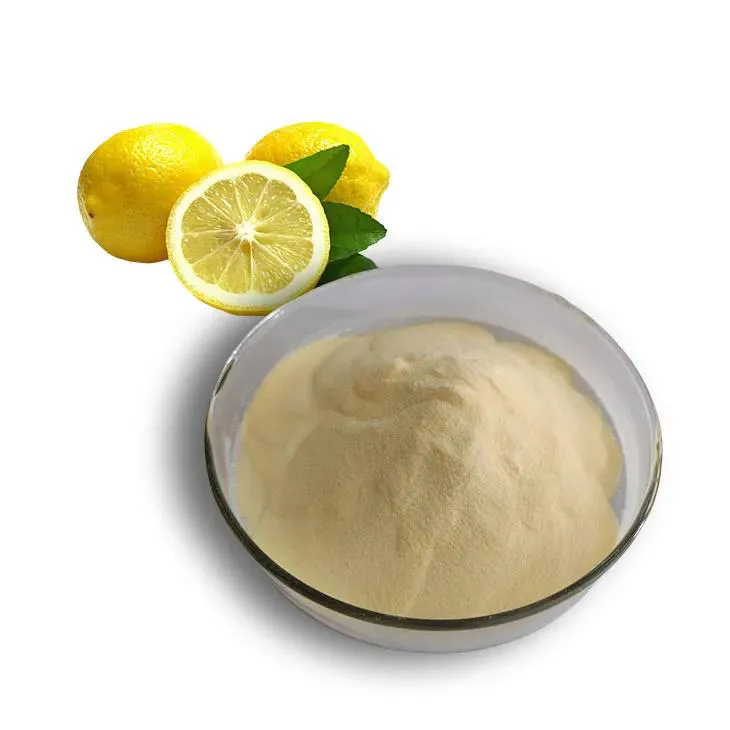
Lemon Juice Powder
2026-08-11
-

Sea buckthorn oil
2026-08-11
-
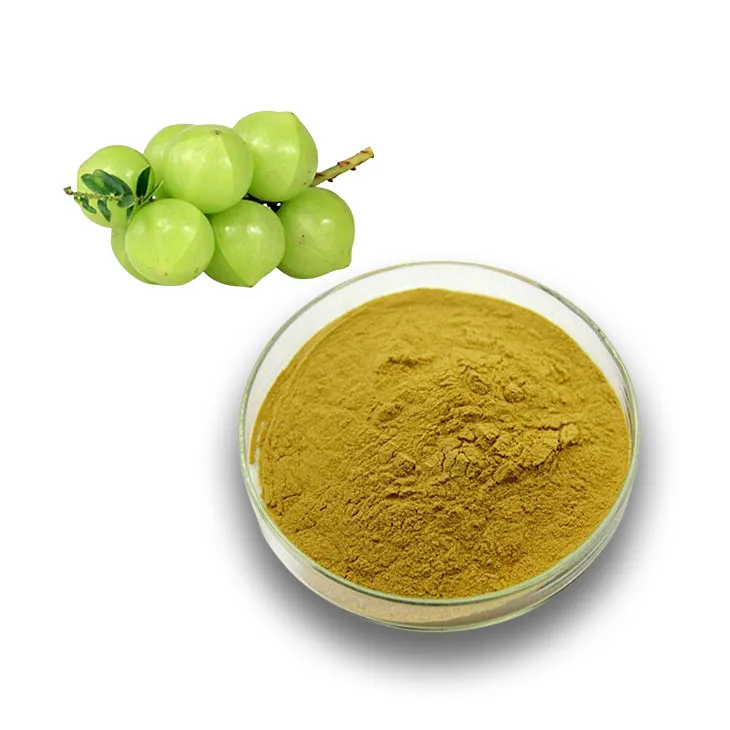
Phyllanthus Emblica Extract
2026-08-11
-
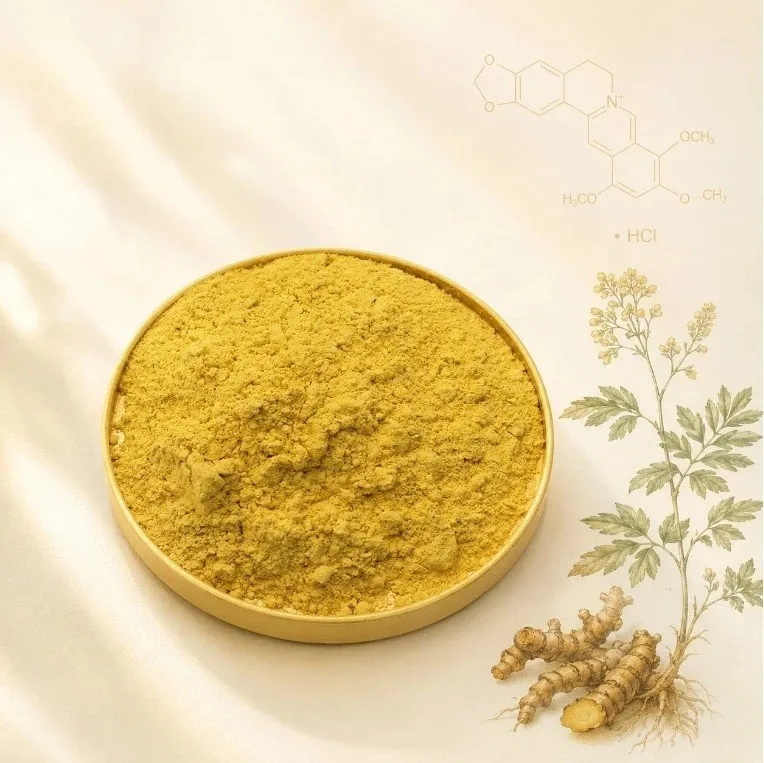
Liposomal Berberine HCl
2026-08-11
-
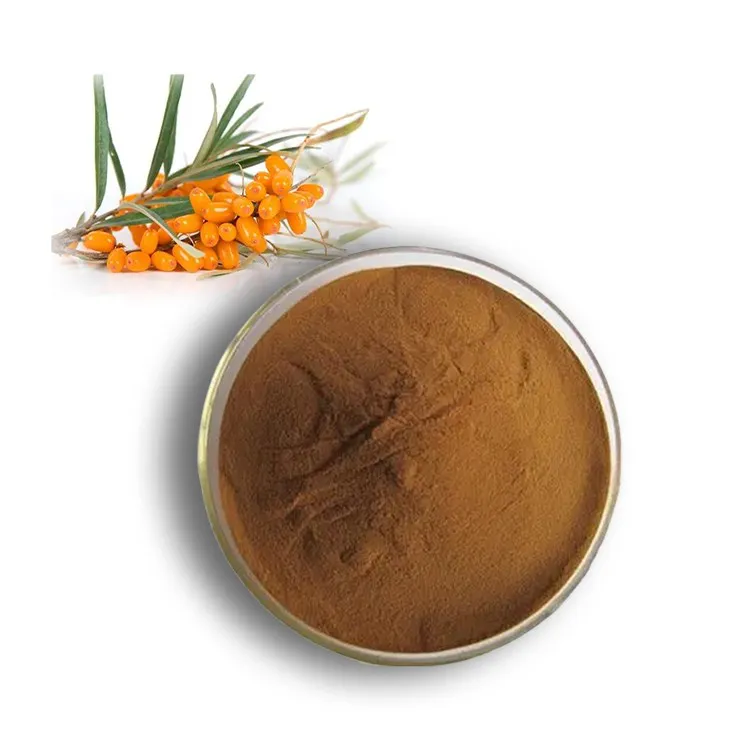
Buckthorn bark extract
2026-08-11
-
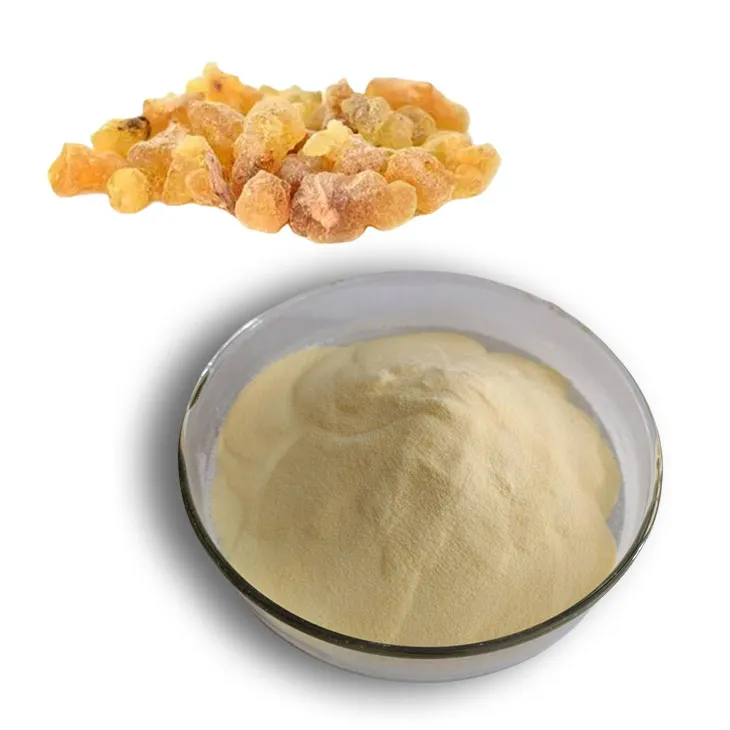
Boswellia Serrata Extract
2026-08-11
-
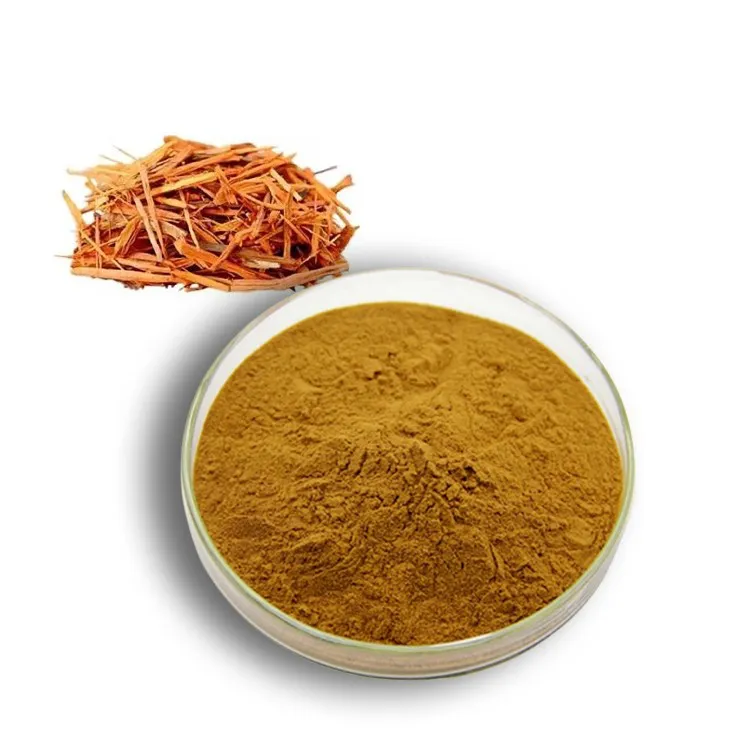
Yellow Pine Extract
2026-08-11
