- 0086-571-85302990
- [email protected]






International Plant Extract Industry News & Market Trends — August 2026
2026-08-09
Global Botanical & Plant Extract Industry Update | August 2026
Executive Summary
The global plant extract industry continues its robust growth trajectory in 2026, driven by surging consumer demand for natural ingredients across dietary supplements, functional foods, cosmetics, and pharmaceuticals. This month's industry highlights include major M&A activity, landmark clinical research on botanical compounds, tightening regulatory frameworks, and the continued rise of natural alternatives to synthetic additives.
1. Major Industry M&A Activity: Big Players Betting on Natural Wellness
P&G to Acquire Thorne in Premium Wellness Play
In a landmark deal announced in August 2026, Procter & Gamble (P&G) has moved to acquire Thorne, one of the leading premium supplement brands known for its science-backed formulations and extensive use of botanical ingredients including turmeric, ashwagandha, and milk thistle extracts. This acquisition signals the confidence that consumer goods giants have in the long-term growth potential of the plant-based wellness sector.
Kirin Acquires Jamieson Wellness to Build North American Platform
Japan's Kirin Holdings is acquiring Jamieson Wellness for approximately C$2.5 billion, marking a strategic push into the North American nutraceutical market. Jamieson's portfolio includes a wide range of botanical and plant-based supplements, further consolidating the trend of large corporations strengthening their natural ingredient offerings.
Beckham-Backed IM8 Lands $1 Billion in Financing
The supplement brand IM8, backed by David Beckham, secured an unconventional $1 billion financing deal in late July 2026 to fuel global expansion. The brand's heavy reliance on plant-based functional ingredients — including botanical adaptogens and herbal extracts — underscores the growing commercial viability of natural wellness products.
2. Breakthrough Research on Botanical Extracts
Turmeric Extract Improves Cognitive Function in 24-Week Clinical Trial
A proprietary turmeric (Curcuma longa) extract demonstrated significant improvements in orientation and attention scores in a 24-week cognitive health trial, according to research published in August 2026. This study adds to the growing body of clinical evidence supporting Curcumin's role in brain health and positions turmeric extract as a key ingredient in the nootropic and cognitive wellness market.
Saw Palmetto and Women's Health: New Study Reveals Benefits
New research published in 2026 reveals that saw palmetto (Serenoa repens) extract can support women's health in ways beyond its traditional applications. The study expands the addressable market for this widely used botanical extract and highlights the importance of continued clinical research in the botanical sector.
Fisetin and Healthy Aging After SenNet Atlas Publication
The Cellular Senescence Network (SenNet) has published its first comprehensive human senescence atlas, providing new insights into the role of fisetin — a natural flavonoid found in strawberries, apples, and other fruits — in targeting cellular senescence and promoting healthy aging. This research is expected to drive increased demand for fisetin and related botanical extracts in the anti-aging supplement market.
Ergothioneine Emerging as Key Ingredient for Healthy Aging
Ergothioneine, a naturally occurring antioxidant found in mushrooms and certain plants, is gaining significant attention for its role in supporting mitochondrial health and combating oxidative stress. Industry experts predict it will become one of the fastest-growing botanical-derived ingredients in the coming years.
Beetroot Juice: New Study Details Muscle Performance Benefits
New clinical research has detailed the muscle performance benefits of beetroot extract, specifically its nitrate content's role in improving exercise performance and recovery. This positions beetroot extract as a growing category in sports nutrition and functional beverages.
3. Regulatory Developments and Quality Control
Federal Court Bans 19 Fake Urolithin A Sellers, Awards Timeline $5.3M
In a significant victory for industry integrity, a U.S. federal court has banned 19 fake online sellers of urolithin A — a compound derived from pomegranate and other plant polyphenols — and awarded $5.3 million to Timeline, the original innovator. This ruling sets an important precedent for protecting legitimate botanical extract companies from counterfeit products and intellectual property infringement.
FDA White Paper on Ultra-Processed Foods Could Reshape Policy
The U.S. FDA's recent white paper on ultra-processed foods (UPF), while potentially lacking direct legal force, is expected to have substantial policy impact. The growing regulatory focus on reducing artificial additives is creating tailwinds for natural plant-based alternatives in the food and beverage industry.
WK Kellogg Co. Accelerates Artificial Dye Removal
WK Kellogg Co. announced it will remove petroleum-based artificial dyes and BHT from its cereals a year ahead of schedule, targeting completion by end of 2027. This trend of major food companies replacing synthetic colorants with natural plant-derived alternatives (such as beet, turmeric, and spirulina extracts) continues to accelerate, driving demand in the natural colorant extract segment.
Amazon Spain Enforcement Action on Packaging Compliance
Amazon Spain has blocked listings and suspended accounts in a packaging compliance crackdown, highlighting the increasing importance of regulatory compliance for supplement and food ingredient sellers in international markets.
4. Market Trends Shaping the Industry
China's Nutraceutical Boom Creates Opportunities for Global Brands
China's rapidly growing nutraceutical market is creating significant opportunities for international brands, particularly those offering premium, science-backed botanical extracts. European and North American companies with strong quality credentials are finding increasing demand in Chinese consumer markets, driven by rising health awareness and disposable income.
Benefit Stacking: The Future of Food Innovation
Industry analysis indicates that "benefit stacking" — combining multiple functional ingredients for synergistic health benefits — is reshaping food innovation in the post-GLP-1 era. Plant extracts are at the center of this trend, with formulators increasingly combining botanicals like Curcumin, ashwagandha, Green Tea Extract, and ginseng to deliver multi-functional products.
Science and Transparency as Foundation of Sales Growth
The industry is shifting toward evidence-based formulations and supply chain transparency. Companies that invest in clinical research, third-party certifications, and transparent sourcing of botanical raw materials are seeing stronger consumer trust and sales growth.
Phynova Wins Nutrition Research Project of the Year Award
UK-based Phynova, a leader in botanical medicine research, won the Nutrition Research Project of the Year Award at the 2026 NutraIngredients Awards, recognizing the growing importance of rigorous scientific validation in the plant extract industry.
Psyllium: The Next Big Functional Fiber
Emerging analysis positions psyllium, a plant-derived soluble fiber, as one of the next major growth categories in the functional fiber market. The increasing consumer focus on gut health and metabolic wellness is driving demand for plant-based fiber ingredients.
5. Key Growth Drivers for the Plant Extract Industry in 2026
Consumer shift toward clean-label products — Demand for natural, plant-derived ingredients continues to outpace synthetic alternatives across all categories.
Clinical validation of botanical efficacy — An increasing number of peer-reviewed studies are confirming the health benefits of plant extracts, driving both consumer confidence and regulatory acceptance.
Expansion into new application areas — Plant extracts are finding applications beyond traditional supplements, including functional beverages, sports nutrition, cosmetics, pet health, and agricultural biostimulants.
Sustainability and traceability — Consumers and regulators are increasingly demanding sustainable sourcing practices and full supply chain transparency for botanical ingredients.
Technological advances in extraction — Innovations in supercritical CO₂ extraction, microwave-assisted extraction, and enzymatic extraction are improving yield, purity, and sustainability of plant extract production.
Asia-Pacific market expansion — China, India, and Southeast Asia are emerging as both major producers and consumers of plant extracts, with growing middle-class demand for health and wellness products.
6. Outlook for the Second Half of 2026
The plant extract industry is well-positioned for continued growth through the remainder of 2026 and beyond. Key factors to watch include:
Regulatory evolution in major markets (US, EU, China) regarding novel botanical ingredients and health claims
Consolidation trends as larger companies acquire specialized botanical ingredient suppliers
AI and biotechnology applications in botanical research and formulation optimization
Sustainable agriculture initiatives for key botanical raw materials
Emerging markets in Africa, Latin America, and Southeast Asia as new growth frontiers
Sources & References
NutraIngredients.com — nutraingredients.com
FoodNavigator.com — foodnavigator.com
MarketsandMarkets Industry Reports — marketsandmarkets.com
Nature Plants Journal — nature.com/nplants
MDPI Plants Journal — mdpi.com/journal/plants
This article was compiled based on the latest industry news, market research reports, and scientific publications available as of August 2026. All data and information are sourced from publicly available industry media and research publications.
Keywords:
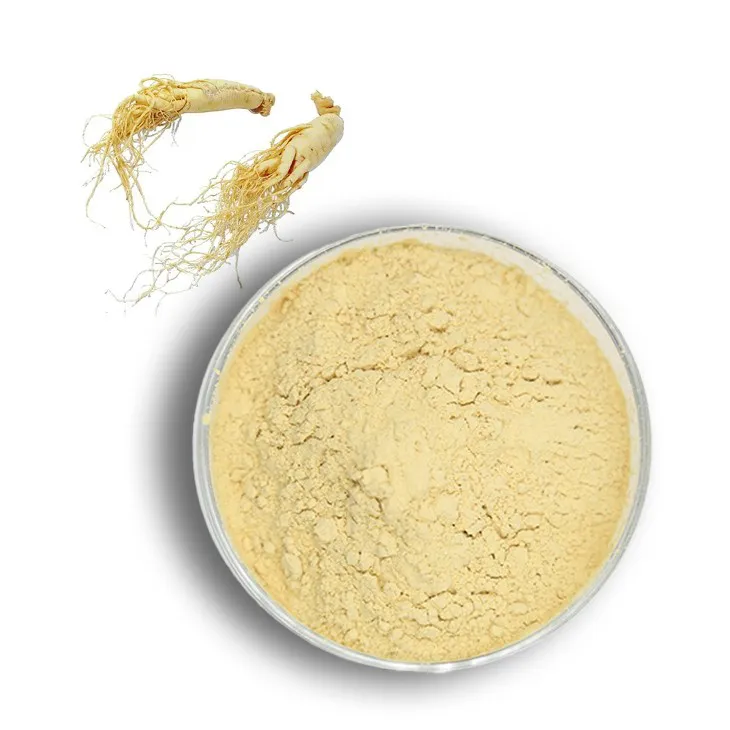
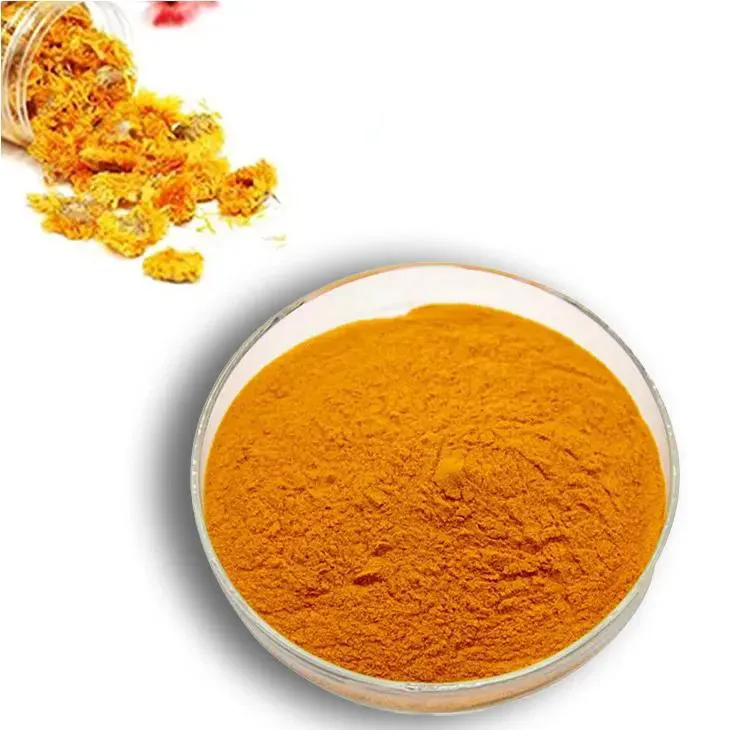
- ▶ Hesperidin
- ▶ Citrus Bioflavonoids
- ▶ Plant Extract
- ▶ lycopene
- ▶ Diosmin
- ▶ Grape seed extract
- ▶ Sea buckthorn Juice Powder
- ▶ Fruit Juice Powder
- ▶ Hops Extract
- ▶ Artichoke Extract
- ▶ Mushroom extract
- ▶ Astaxanthin
- ▶ Green Tea Extract
- ▶ Curcumin
- ▶ Horse Chestnut Extract
- ▶ Other Product
- ▶ Boswellia Serrata Extract
- ▶ Resveratrol
- ▶ Marigold Extract
- ▶ Grape Leaf Extract
- ▶ New Product
- ▶ Aminolevulinic acid
- ▶ Cranberry Extract
- ▶ Red Yeast Rice
- ▶ Red Wine Extract
- ▶ blog
-
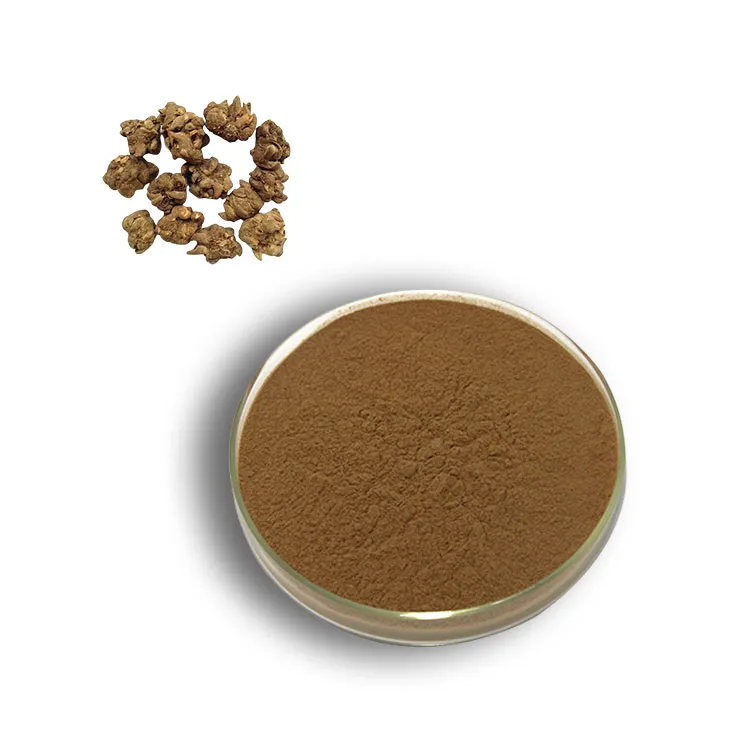
Cat Claw Extract
2026-08-09
-
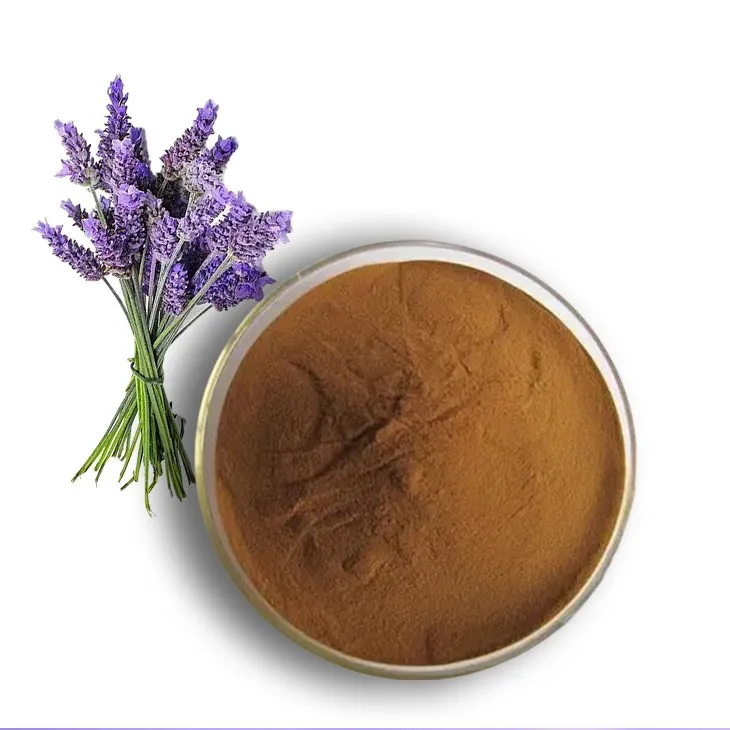
Lavender Extract
2026-08-09
-
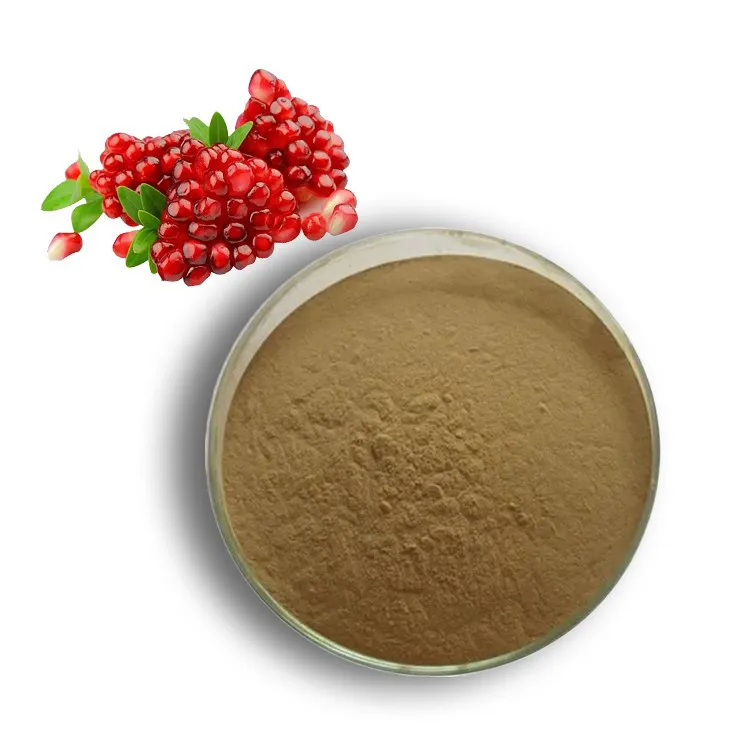
Pomegranate Extract
2026-08-09
-
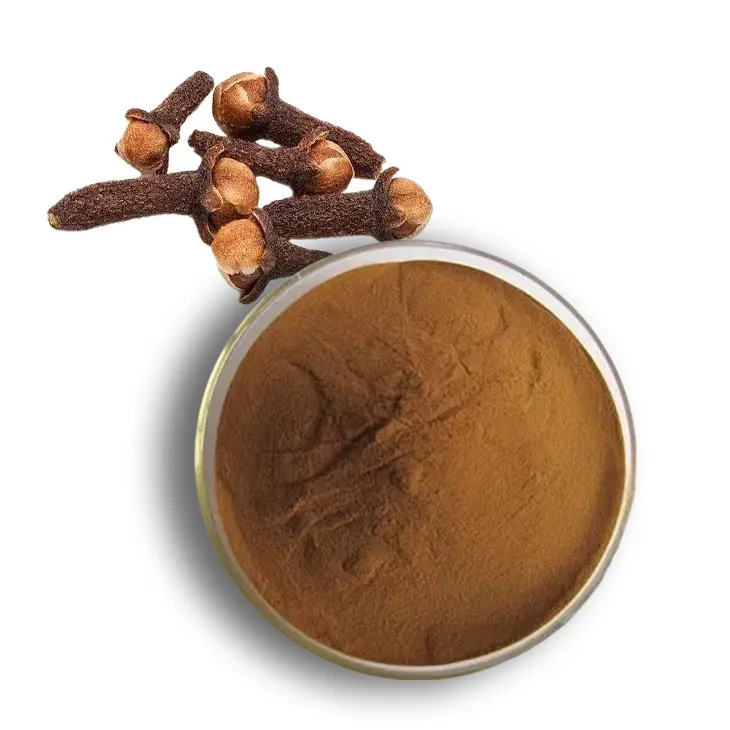
Clove Powder
2026-08-09
-
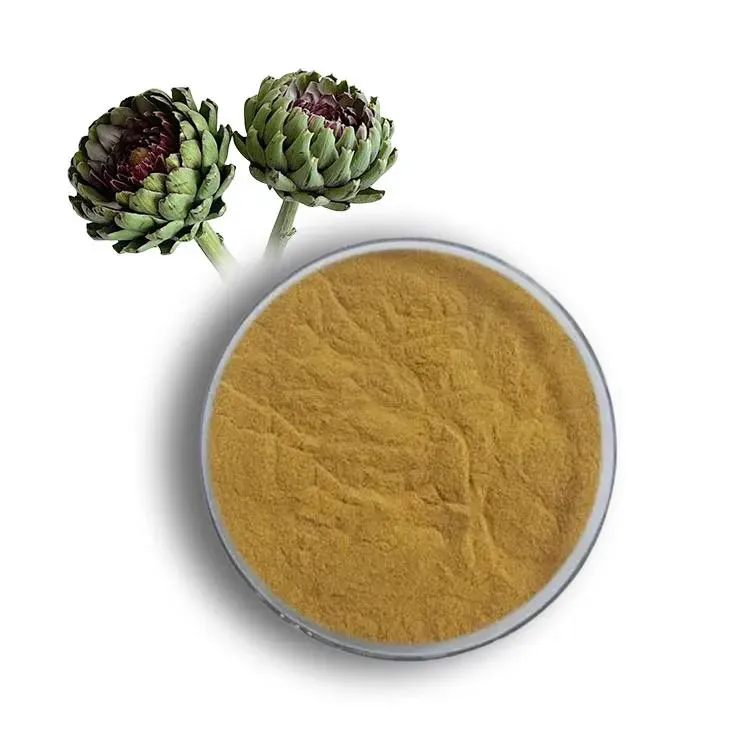
Artichoke Extract
2026-08-09
-
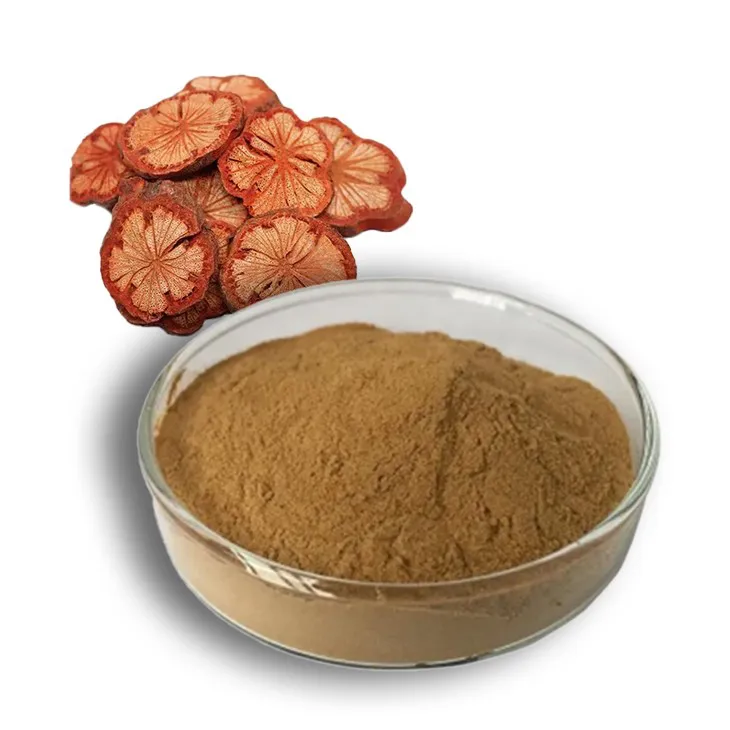
Red Vine Extract
2026-08-09
-
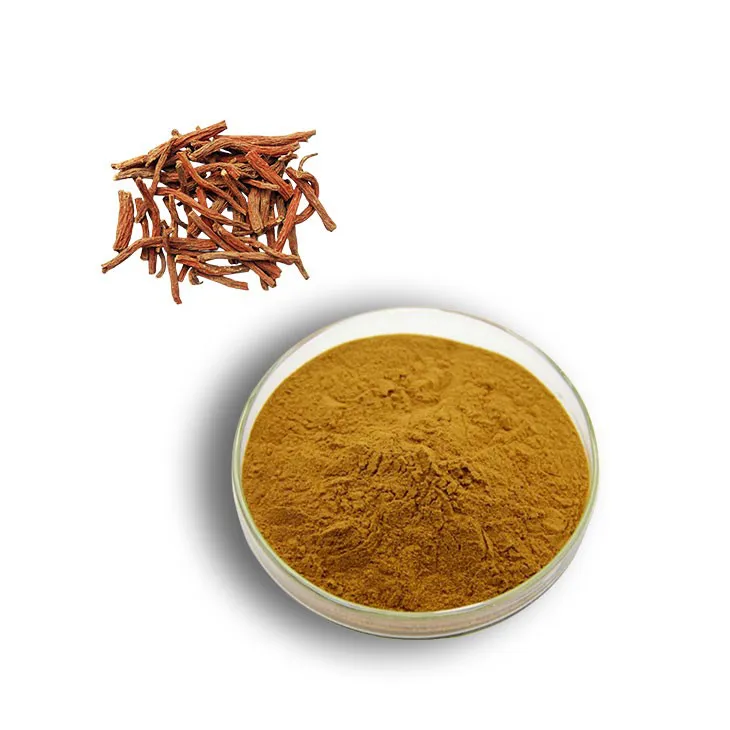
Dan Shen Root Extract/Salvia Root Extract
2026-08-09
-
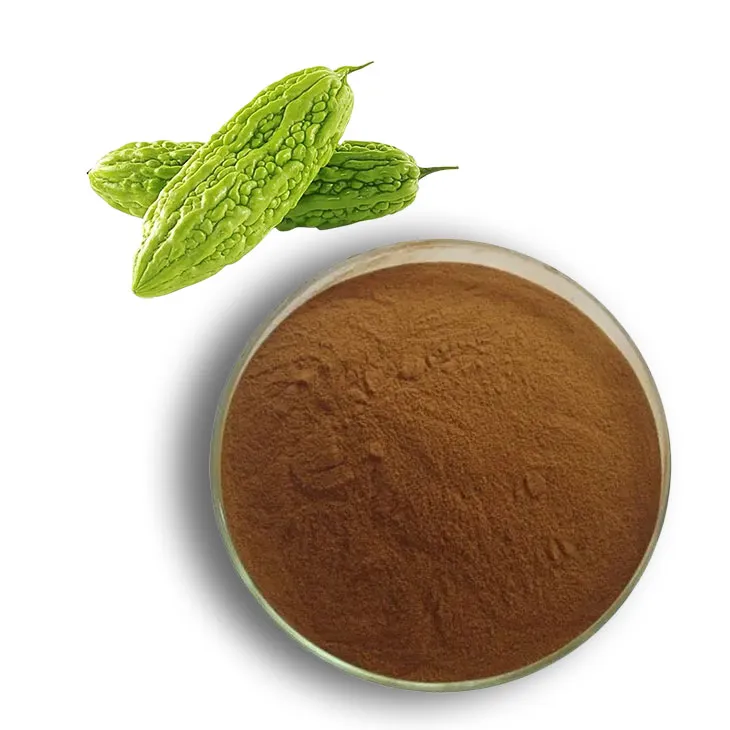
Bitter Melon Extract
2026-08-09
-
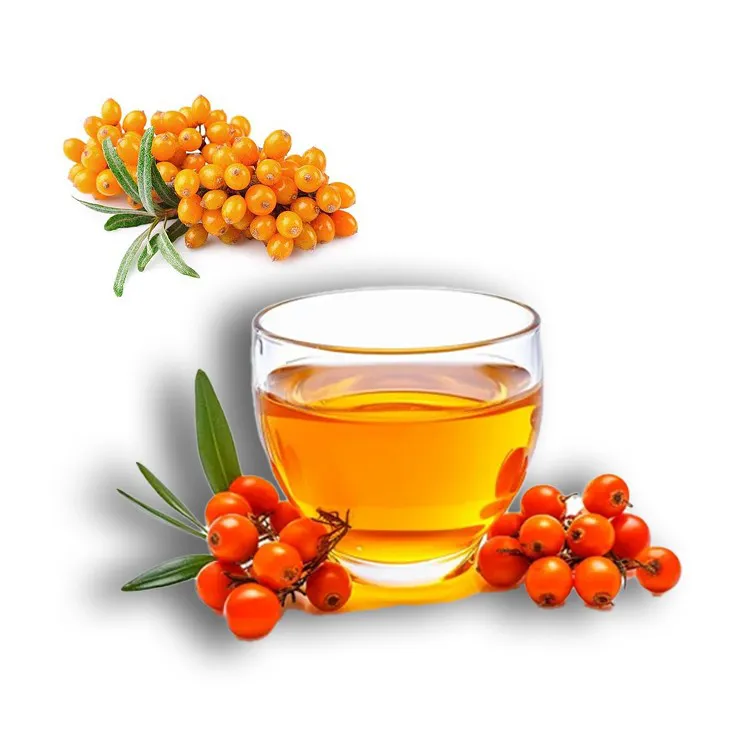
Sea buckthorn oil
2026-08-09
-
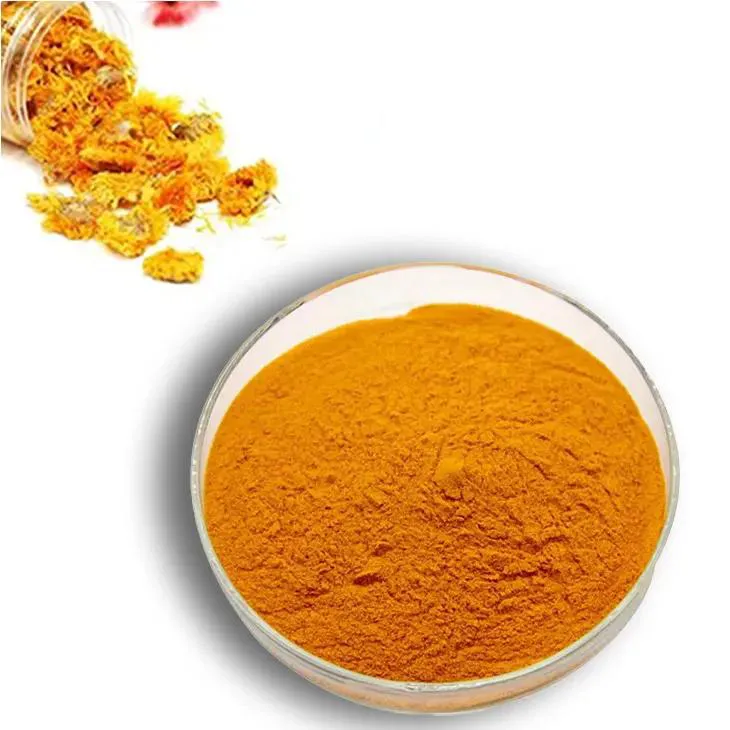
Marigold Extract
2026-08-09
