- 0086-571-85302990
- [email protected]




Global Plant Extract Industry: Key Trends, Regulatory Shifts, and Market Dynamics in 2026
2026-08-07
Date: August 5, 2026
Executive Summary
The global plant extract (botanical extract) industry is experiencing a period of rapid transformation in 2026, driven by growing consumer demand for natural and science-backed ingredients, evolving regulatory landscapes across major markets, and breakthrough research that is expanding the applications of traditional botanicals. This article provides a comprehensive overview of the most significant developments shaping the international plant extract industry as we enter the second half of 2026.
1. Market Growth and Consumer Demand
Science and Transparency Drive Purchasing Decisions
The global dietary supplement market continues its strong upward trajectory, with consumer expectations shifting dramatically toward evidence-based products. According to The Vitamin Shoppe's 2026 Health & Wellness Trends Report, quality forces reshaping the market include foundational wellness, branded ingredients, and transparency. Notably, nearly half of surveyed consumers chose not to purchase a supplement because it lacked sufficient transparency, while two-thirds said they place greater trust in trademarked (branded) ingredients over generic alternatives because they associate them with scientific validation and quality assurance.
The SPINS "Conscious Consumer" report further confirms that ingredient integrity, transparency, and responsible business practices have become central purchasing criteria. Consumer values remain remarkably resilient even during periods of financial pressure — consumers may become more selective, but they increasingly reward companies they believe operate with integrity and authenticity.
Women's Health Emerges as a High-Growth Segment
The global women's health and beauty supplements market was estimated at USD 57.42 billion in 2024, with a projected compound annual growth rate (CAGR) of 5.25% from 2025 to 2030. Meanwhile, the global menopause supplement market alone was estimated at USD 16.96 billion in 2023 and is projected to reach USD 25.89 billion by 2031. This represents a significant growth opportunity for plant extract suppliers who can provide clinically validated ingredients targeting women's health needs.
"Food as Medicine" Gains Mainstream Traction
The "Food as Medicine" market is estimated at USD 254.15 billion in 2026 and is projected to reach USD 400.81 billion by 2031, growing at a CAGR of 9.5%. This convergence of nutrition and therapeutic applications is creating unprecedented demand for high-quality botanical extracts that can bridge the gap between food and medicine.
2. Breakthrough Research Expanding Botanical Applications
Saw Palmetto: Beyond Men's Health to Women's Bladder Health
Historically, saw palmetto (Serenoa repens) has been researched almost exclusively for its benefits to men's prostate health. However, new research is broadening its application to women's bladder health — a rapidly growing area of interest.
A double-blind, randomized, placebo-controlled trial examined the effects of a standardized Saw Palmetto Extract (Vi-Spo®) on bladder health in women over age 50 who reported symptoms of frequent urination, nocturia, and/or urgency. Women received 200 mg of the extract or placebo daily for 12 weeks. Results showed significant improvement in the Core Lower Urinary Tract Symptom Score (CLSS) and health-related quality of life compared to placebo.
This research highlights a broader industry trend: well-established botanical ingredients are being re-evaluated for new applications through rigorous clinical studies, opening entirely new market segments for traditional plant extracts.
Fisetin and the Rise of "Precision Senescence"
When the NIH Cellular Senescence Network (SenNet) published the first comprehensive Human Senescence Atlas on the cover of Cell journal in June 2026, it fundamentally changed how scientists and the nutrition industry understand cellular senescence. By integrating single-cell sequencing, spatial multi-omics, and AI-driven analysis across multiple human tissues, the consortium revealed that senescent cells differ markedly depending on where they reside — introducing the concept of distinct "tissue-specific senotypes."
This paradigm shift has significant implications for botanical extract formulators. Rather than broad anti-aging claims, future healthy-aging products will increasingly require tissue-specific positioning supported by mechanistic evidence and physiological outcomes.
Fisetin, a naturally occurring flavonoid found in strawberries, apples, persimmons, and other fruits and vegetables, has emerged as the benchmark natural senolytic ingredient. In 2018, Mayo Clinic researchers systematically screened ten naturally occurring flavonoids for senolytic activity and identified fisetin as the most effective natural senolytic evaluated. Since then, research has expanded across multiple experimental models, with a 2025 study from the University of Colorado Boulder demonstrating that intermittent fisetin supplementation produced comparable improvements in grip strength and frailty scores in aged mice.
Collagen Peptides and Oral Beauty in APAC
The Asia-Pacific "beauty-from-within" market is booming, with beauty supplements ranking second only to general health in APAC's vitamin and dietary supplement sector. Strong consumer demand is evident in markets such as Australia, New Zealand, Thailand, and Indonesia.
Research published in the Journal of Food and Nutrition Research in 2025 demonstrated that collagen peptides, when combined with sodium hyaluronate and Phyllanthus Emblica (Indian gooseberry) extract, could significantly improve skin elasticity and reduce skin wrinkles over an eight-week intervention period. This highlights the growing importance of combining botanical extracts with other active ingredients to achieve synergistic health outcomes.
3. Regulatory Developments
EU: Pragon CJEU Ruling Opens Doors for Cross-Border Trade
In August 2026, the Court of Justice of the European Union (CJEU) ruled in the "Pragon" case that the Czech Republic cannot require companies to provide advance notice each time a shipment of food supplements arrives from another EU country. The ruling confirms that EU countries cannot introduce broad notification systems unless strictly necessary for public safety in exceptional cases.
While this judgment removes one barrier to cross-border trade within the EU, it also highlights the fragmented state of supplement regulation across member states. Countries including Bulgaria, Hungary, and Cyprus continue to impose barriers such as requiring businesses to establish a local presence or use a local importer. For plant extract manufacturers looking to serve the European market, the Pragon ruling signals that the regulatory environment is slowly becoming more favorable for international trade, but harmonization across the EU remains a work in progress.
China: New Regulations for Probiotic and Health Food Products
China's State Administration for Market Regulation (SAMR) has drafted new regulations regarding the filing and registration procedures for health foods containing probiotic raw materials. Key changes include increasing the minimum colony-forming unit (CFU) requirements during product shelf life and the need to specify probiotic strains along with their functionalities and genetic stability. These regulatory changes underscore China's commitment to quality control and traceability in the health food sector — a trend that extends to botanical extract products as well.
Global Trend: Clinical Evidence as a Regulatory Expectation
Across multiple markets, regulators and consumers alike are raising the bar for what constitutes acceptable evidence for health claims. Clinical evidence has become one of the industry's strongest differentiators. Transparency now extends well beyond product labeling — consumers expect clinically relevant dosages, third-party testing, certificates of analysis, and full supply chain traceability.
4. Industry Consolidation and Investment Activity
Major Financing and M&A Activity
The plant extract and broader nutraceutical industry is seeing significant investment activity in 2026:
IM8, a premium supplement brand backed by David Beckham, secured a landmark USD 1 billion growth financing deal from General Catalyst's Customer Value Fund (CVF), just 19 months after entering the market. The unconventional financing structure directs the entire $1 billion toward growth, with General Catalyst funding 70% of marketing investments each month in advance.
The Akkermansia Company (TAC), acquired by Danone in 2025, secured a new US patent granting exclusive rights to market Akkermansia for metabolic disorders. The patent covers methods of promoting weight loss through oral administration of substantially purified Akkermansia, including both live and pasteurized forms — representing a significant expansion of intellectual property in the microbiome and botanical space.
Wellma, a fast-growing contract development and manufacturing organization (CDMO), acquired Virun NutraBiosciences, signaling continued consolidation in the supplement manufacturing sector.
These developments reflect a broader industry trend: well-capitalized players are aggressively investing in research, intellectual property, and manufacturing capacity to capture market share in the rapidly growing natural ingredients sector.
5. Key Takeaways for Plant Extract Industry Participants
Based on the developments summarized above, several strategic imperatives emerge for companies operating in the global plant extract industry:
Invest in Clinical Research: Generic ingredients without clinical substantiation are losing market relevance. Branded, clinically studied ingredients are commanding premium pricing and consumer trust.
Embrace Transparency: Full supply chain traceability, third-party testing, and certificates of analysis are no longer optional — they are table stakes.
Explore New Applications: Well-established botanicals can find new life through research into previously unexplored health applications (e.g., saw palmetto for women's health).
Monitor Regulatory Changes: The EU's Pragon ruling and China's evolving health food regulations present both opportunities and compliance challenges for international suppliers.
Consider Precision Positioning: The SenNet atlas and the emerging science of "precision senescence" suggest that future product development will need to target specific tissues and measurable outcomes rather than broad wellness claims.
APAC Market Opportunities: The Asia-Pacific region represents one of the fastest-growing markets for botanical ingredients, particularly in beauty-from-within, functional beverages, and sports nutrition.
Conclusion
The international plant extract industry in 2026 is characterized by robust growth, accelerating scientific validation, evolving regulatory frameworks, and significant investment activity. Companies that prioritize research-backed product development, supply chain transparency, and strategic market positioning will be best positioned to capitalize on the industry's momentum. As consumer expectations continue to rise and regulatory standards tighten globally, the plant extract sector is maturing from a commodity-driven market into a science-driven industry — and that transformation creates both challenges and extraordinary opportunities for all participants.
This article is based on publicly available industry reports, peer-reviewed research, and news sources as of August 2026. For specific regulatory or compliance advice, please consult qualified professionals in your jurisdiction.
Keywords:
- ▶ Hesperidin
- ▶ Citrus Bioflavonoids
- ▶ Plant Extract
- ▶ lycopene
- ▶ Diosmin
- ▶ Grape seed extract
- ▶ Sea buckthorn Juice Powder
- ▶ Fruit Juice Powder
- ▶ Hops Extract
- ▶ Artichoke Extract
- ▶ Mushroom extract
- ▶ Astaxanthin
- ▶ Green Tea Extract
- ▶ Curcumin
- ▶ Horse Chestnut Extract
- ▶ Other Product
- ▶ Boswellia Serrata Extract
- ▶ Resveratrol
- ▶ Marigold Extract
- ▶ Grape Leaf Extract
- ▶ New Product
- ▶ Aminolevulinic acid
- ▶ Cranberry Extract
- ▶ Red Yeast Rice
- ▶ Red Wine Extract
- ▶ blog
-
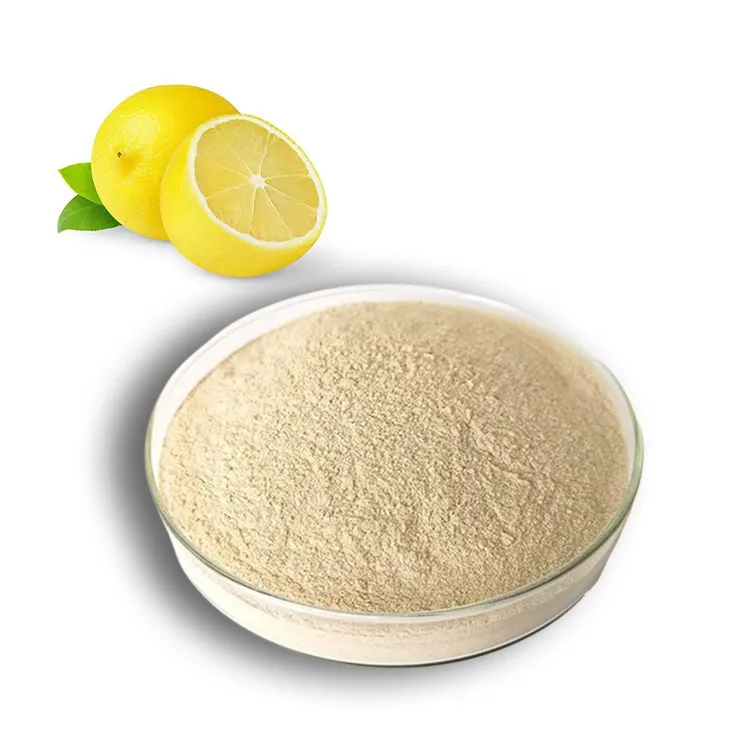
Lemon Extract
2026-08-07
-
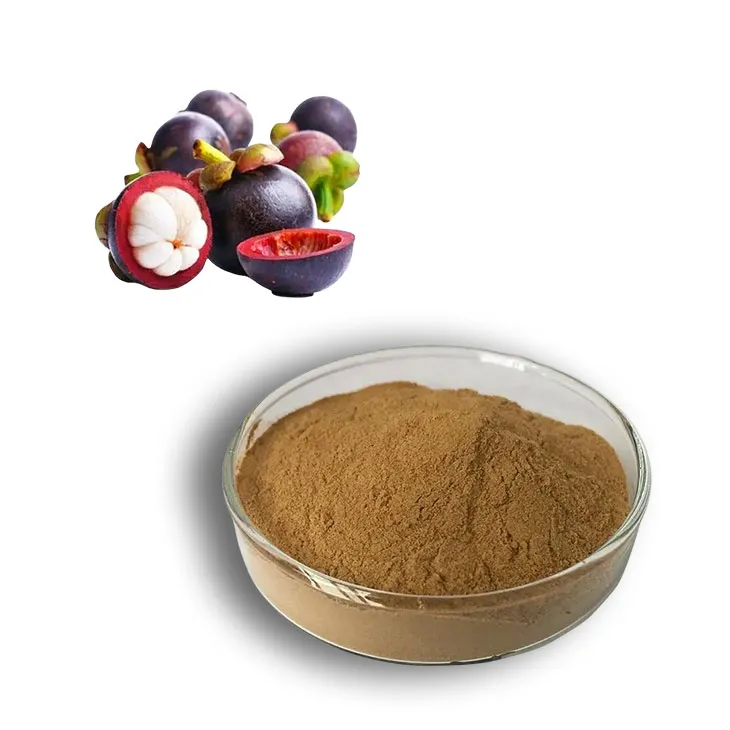
Mangosteen extract powder
2026-08-07
-
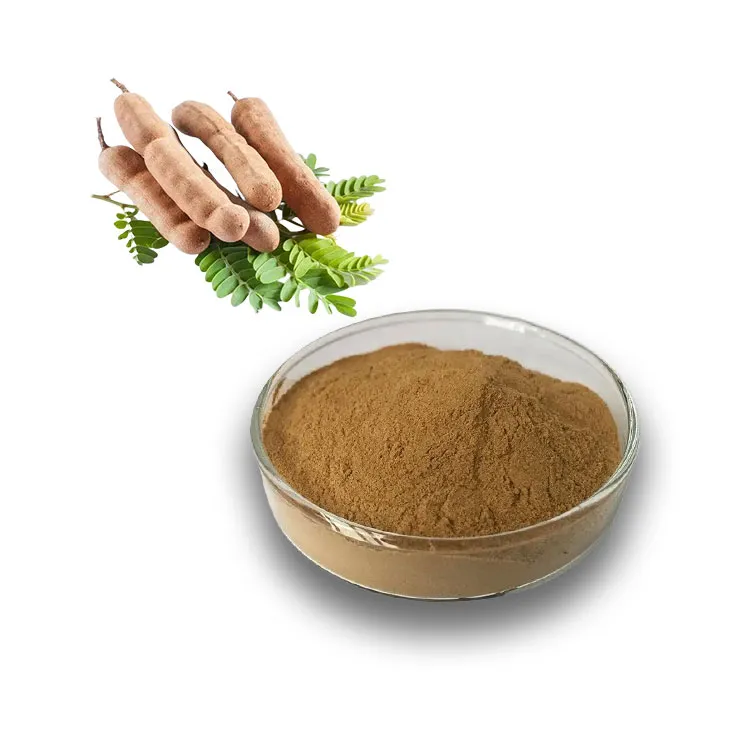
Tamarind extract powder
2026-08-07
-
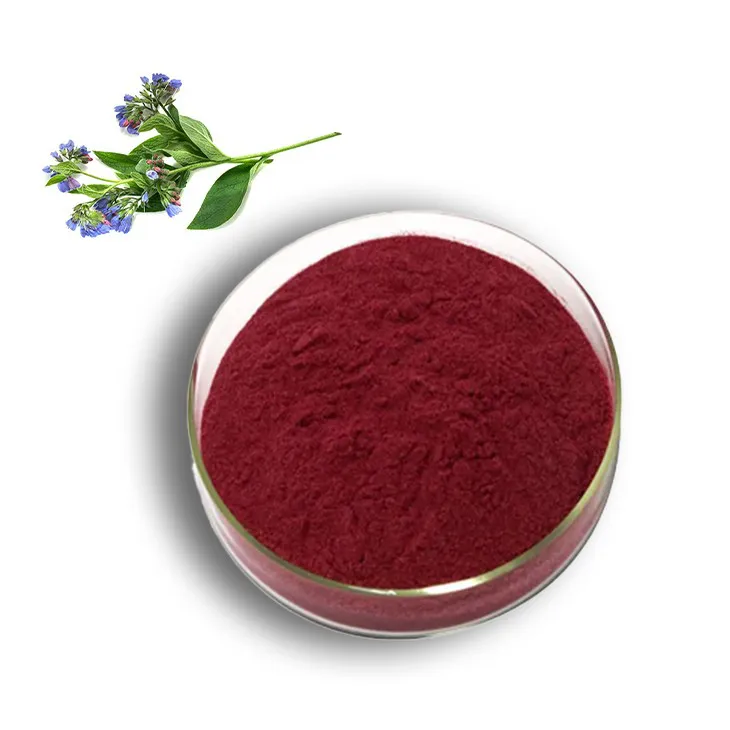
Shikonin
2026-08-07
-

Selenium yeast
2026-08-07
-
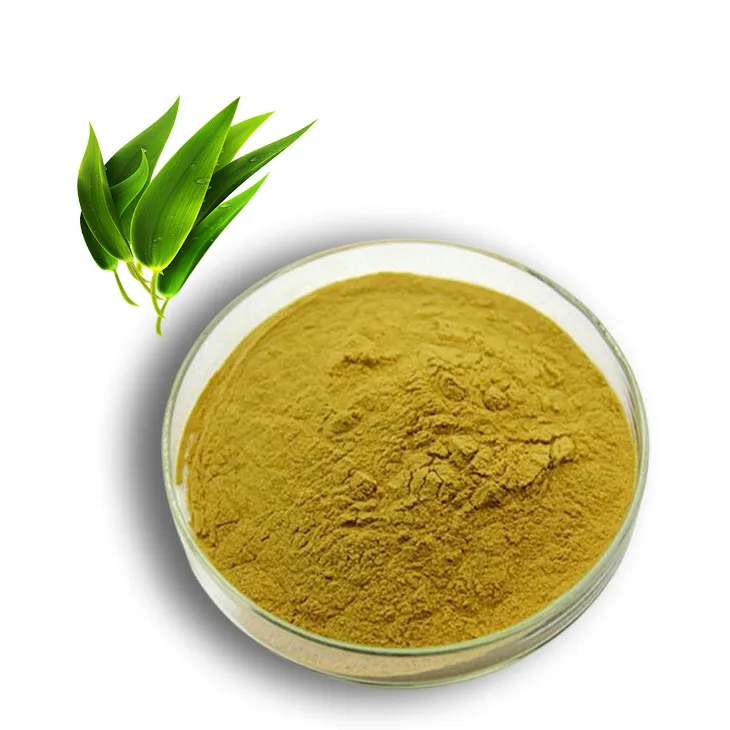
Bamboo Leaf extract
2026-08-07
-
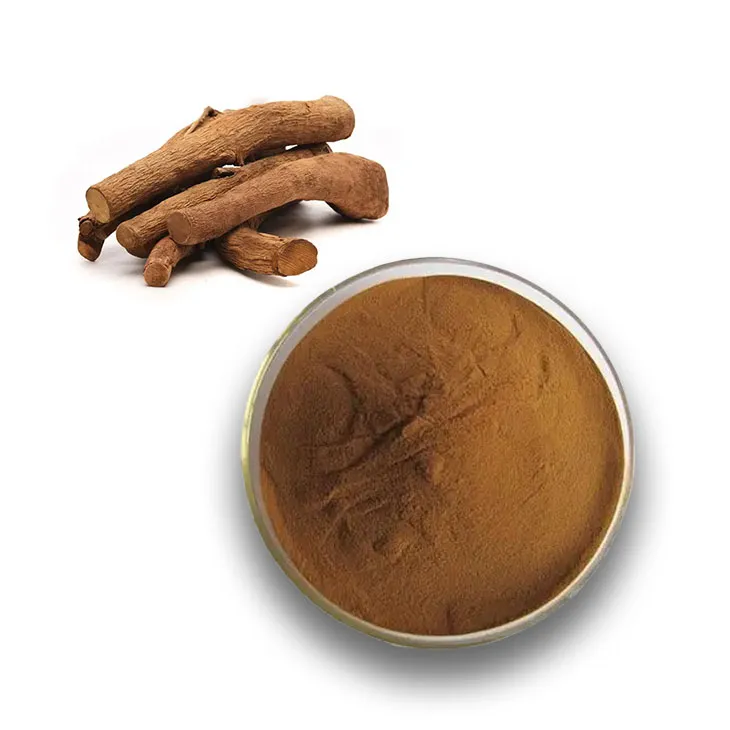
Tongkat Ali Extract
2026-08-07
-
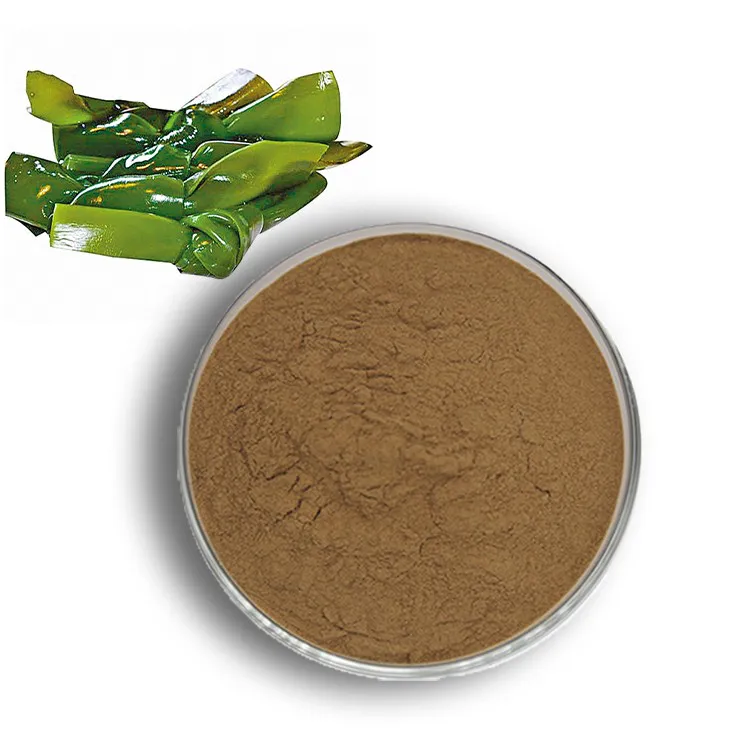
Kelp Extract Powder
2026-08-07
-
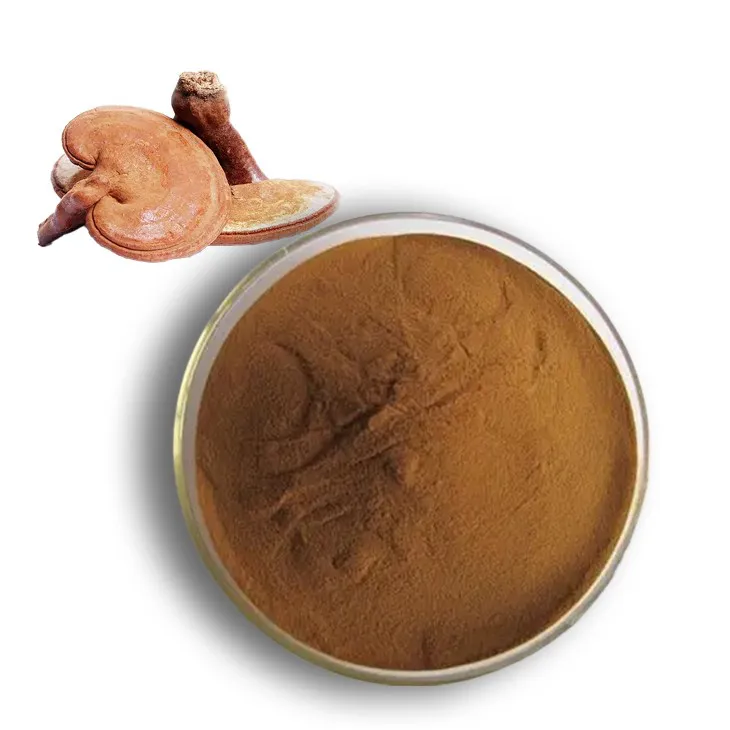
Reishi mushroom extract
2026-08-07
-
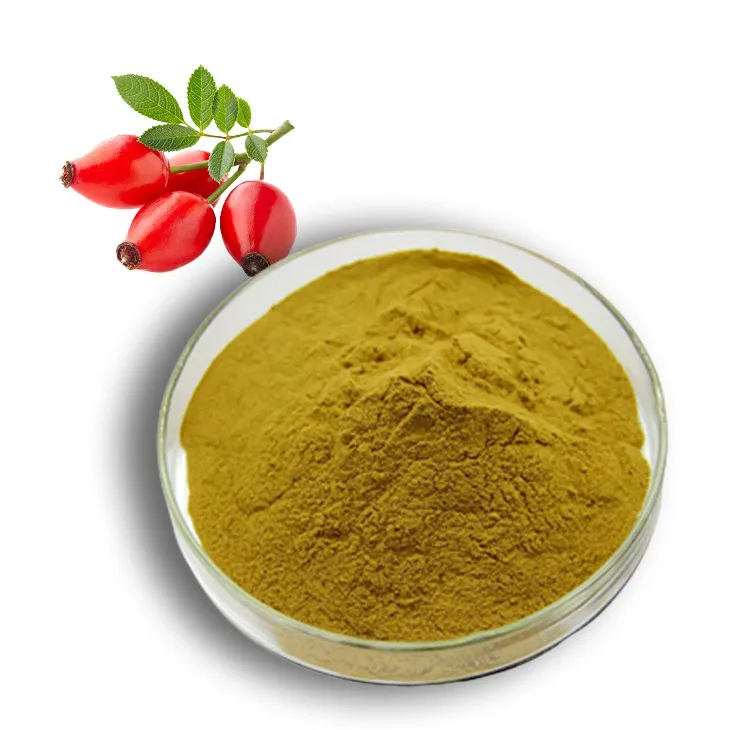
Rose Hip Extract
2026-08-07