- 0086-571-85302990
- [email protected]






Global Botanical Extracts Industry: 2026 Market Trends, Latest Developments & Future Outlook
2026-07-30
Industry Overview
The global botanical extracts market continues its robust growth trajectory in 2026, driven by rising consumer demand for natural, clean-label ingredients across food and beverage, nutraceutical, pharmaceutical, and personal care sectors. According to the latest industry analysis by Future Market Insights, the global botanical extracts market is estimated at USD 7.8 billion in 2025 and is projected to reach USD 15.7 billion by 2035, growing at a compound annual growth rate (CAGR) of 7.2%.
This sustained expansion reflects a fundamental shift in consumer preferences — from synthetic additives toward plant-derived, sustainable, and ethically sourced ingredients. For manufacturers and suppliers of botanical and plant extracts worldwide, the present moment represents an unprecedented growth opportunity.
Key Market Drivers in 2026
1. Rising Demand for Clean-Label and Natural Ingredients
Consumers worldwide are increasingly scrutinizing product labels and demanding transparency. The clean-label movement has become one of the most powerful forces reshaping the botanical extracts industry. In food and beverage applications, natural plant extracts are replacing artificial colors, flavors, and preservatives at an accelerating pace. Rosemary extract, turmeric extract, Green Tea Extract, and vanilla extract are among the most widely adopted natural alternatives.
2. Preventive Healthcare and Nutraceutical Boom
The global emphasis on preventive healthcare has fueled exponential growth in the dietary supplements and nutraceutical sectors. Botanical extracts rich in polyphenols, flavonoids, alkaloids, and terpenes are increasingly incorporated into wellness products targeting immunity, cardiovascular health, cognitive function, and digestive health. The post-pandemic health consciousness continues to drive demand for plant-based immune-support ingredients such as echinacea, elderberry, ashwagandha, and ginseng extracts.
3. Advancements in Extraction Technology
Technological innovation remains a critical growth catalyst. Advanced extraction methods — including supercritical CO₂ extraction, microwave-assisted extraction, and ultrasonic-assisted extraction — have significantly improved yield, purity, and bioactive compound preservation while reducing solvent residues. These green processing technologies align with global sustainability goals and enable manufacturers to produce high-purity, customized extracts tailored to pharmaceutical, nutraceutical, and cosmetic applications.
4. Sustainability and Ethical Sourcing
Sustainable sourcing has evolved from a niche concern to a mainstream industry requirement. Major ingredient manufacturers and global brands are increasingly prioritizing ethically sourced, traceable, and certified botanical raw materials. Organic certification, fair-trade sourcing, and carbon-neutral production processes are becoming standard expectations in the supply chain.
Segment Analysis
By Source: Herbs Lead the Market
The herbs segment dominates the botanical extracts market, accounting for an estimated 28.7% of total market revenue in 2025. The widespread availability of herbal raw materials, rich phytochemical profiles, and established use in both traditional medicine systems (such as Ayurveda and Traditional Chinese Medicine) and modern formulations underpin this leadership position.
Other significant source segments include:
Spices — Growing demand from food and beverage for natural flavors and functional benefits
Fruits — Rising adoption in beverages, confectionery, and dietary supplements
Flowers — Increasing use in cosmetics, skincare, and aromatherapy products
Tea Leaves — Green tea and specialty tea extracts gaining traction in functional beverages
By Form: Powder Extracts Dominate
Powder-form botanical extracts represent 61.2% of the market in 2025. Powder extracts are preferred for their extended shelf life, ease of storage and transportation, compatibility with capsules and tablets, and precise dosing capabilities. Liquid extracts continue to grow steadily, particularly in beverage and personal care applications.
By Application: Food & Beverage Takes the Lead
The food and beverage sector is the largest application area, capturing approximately 46.9% of market revenue in 2025. Botanical extracts are increasingly integrated into:
Functional beverages and health drinks
Bakery and confectionery products
Dairy alternatives and plant-based foods
Natural flavoring and coloring applications
Functional foods with added health benefits
The pharmaceutical and nutraceutical sectors follow closely, driven by the therapeutic properties of plant-derived bioactive compounds. The cosmetics and personal care industry represents the fastest-growing application segment, with aloe vera, chamomile, lavender, ginseng, and tea tree extracts being widely adopted in skincare, haircare, and personal hygiene formulations.
Regional Growth Analysis
Asia Pacific: The Global Growth Engine
Asia Pacific demonstrates the strongest growth momentum, with China leading at a 9.7% CAGR and India following at 9.0% CAGR through 2035. The region benefits from:
Abundant raw material resources and established herbal cultivation
Lower production costs enabling competitive scaling
Rich traditional medicine heritage (TCM, Ayurveda)
Expanding domestic demand and export-oriented production
Rising investments in extraction technology infrastructure
India's strong Ayurveda foundation and increasing utilization of botanical extracts in dietary supplements positions the country as a key growth market. China's large-scale herbal cultivation, domestic demand surge, and rising export capacity make it the largest growth market globally.
Europe: Steady Growth Underpinned by Regulation
Europe maintains steady growth, with Germany at 8.3% CAGR and the UK at 6.8% CAGR. The region's stringent regulations on natural ingredients in food, beverages, and personal care products drive demand for traceable, clean-label botanical extracts. Germany's established natural cosmetics and herbal medicine industries provide strong market foundations.
North America: Consistent Demand from Supplements
North America shows consistent growth, with the USA at 6.1% CAGR. The market is primarily driven by the dietary supplements and functional food sectors. Regulatory frameworks in the USA support natural ingredient adoption, though dependence on imports constrains domestic scalability. Consumer preference for clean-label, natural health solutions remains a key driver.
Industry Developments and Emerging Trends
Technological Innovation in Extraction
The development of green extraction technologies continues to reshape the industry. Supercritical CO₂ extraction has emerged as the gold standard for high-value botanical extracts, offering solvent-free processing that preserves heat-sensitive bioactive compounds. Microwave-assisted and ultrasonic-assisted extraction methods are gaining commercial traction for their energy efficiency and improved extraction yields.
Expansion of Botanical Applications in Cosmetics
The cosmetics and personal care industry's adoption of botanical extracts has accelerated significantly. Encapsulation technology and nanotechnology advancements have improved the bioavailability and targeted delivery of botanical actives in topical formulations. Plant-derived ingredients are valued for their antioxidant, anti-aging, anti-inflammatory, and moisturizing properties, offering natural alternatives to synthetic compounds.
Regulatory Evolution
Global regulatory bodies continue to refine frameworks governing botanical ingredients. The European Food Safety Authority (EFSA) and the U.S. Food and Drug Administration (FDA) have been actively updating guidance on botanical safety, novel food approvals, and health claim substantiation. Manufacturers who invest in compliance, quality control, and standardized testing protocols are best positioned to capture premium market opportunities.
Corporate Consolidation and Strategic Partnerships
The botanical extracts industry is witnessing increased consolidation activity, with major ingredient companies acquiring specialized botanical extract producers to expand their product portfolios. Strategic partnerships between extraction technology companies, raw material suppliers, and end-use manufacturers are driving innovation and market expansion.
Key Industry Players
The global botanical extracts market features a competitive landscape with both multinational corporations and specialized regional producers. Leading companies include:
Martin Bauer Group (Germany) — Global leader in botanical extracts for tea, food, and pharma
Synthite Industries Ltd. (India) — Major producer of spice oleoresins and natural colors
Kalsec Inc. (USA) — Specialty botanical extracts for food and beverage
Bell Flavors & Fragrances (USA) — Natural flavors and botanical extracts
Döhler GmbH (Germany) — Natural ingredients and botanical solutions
International Flavors & Fragrances Inc. (IFF) — Global flavor and fragrance leader
Nutra Green Biotechnology Co., Ltd. (China) — Plant extract manufacturer
Berkem (France) — Botanical extracts for cosmetics and nutraceuticals
Ambe NS Agro Products Pvt. Ltd. (India) — Herbal extracts and phytopharmaceuticals
Market Outlook: 2026 and Beyond
The botanical extracts industry outlook remains highly positive. Several macro trends converge to support continued growth:
Health & Wellness Megatrend — The global shift toward preventive healthcare and holistic wellness will sustain demand for plant-based functional ingredients.
Plant-Based Movement — The expanding plant-based food and beverage sector creates new applications for botanical extracts as natural flavors, colors, and functional additives.
Regulatory Tailwinds — Increasing regulatory support for natural and clean-label ingredients favors botanical extract adoption over synthetic alternatives.
Technology-Driven Quality Improvement — Continued innovation in extraction, encapsulation, and analytical testing will enhance product quality, consistency, and bioavailability.
Emerging Market Growth — Rising disposable incomes and health awareness in developing economies will drive demand expansion in Asia Pacific, Latin America, and the Middle East & Africa.
For companies operating in the plant extract and botanical extracts space, the combination of growing end-market demand, technological advancement, and regulatory support creates a compelling growth environment. Suppliers who invest in sustainable sourcing, quality differentiation, and application-specific customization will be best positioned to capture market share in this rapidly expanding global industry.
Conclusion
The global botanical extracts market is at an inflection point. With a projected market value of USD 15.7 billion by 2035 and sustained double-digit growth across multiple application segments, the industry offers tremendous opportunities for manufacturers, suppliers, and innovators. The convergence of consumer health consciousness, clean-label demand, technological advancement, and regulatory support creates a durable growth foundation that is expected to persist well into the next decade.
Companies that prioritize quality, sustainability, and innovation in botanical extract production will be well-positioned to capitalize on this global megatrend and establish long-term competitive advantage in the international marketplace.
Sources: Future Market Insights — Botanical Extracts Market Analysis (2025–2035), Industry reports, regulatory filings, and market research publications. Data current as of July 2026.
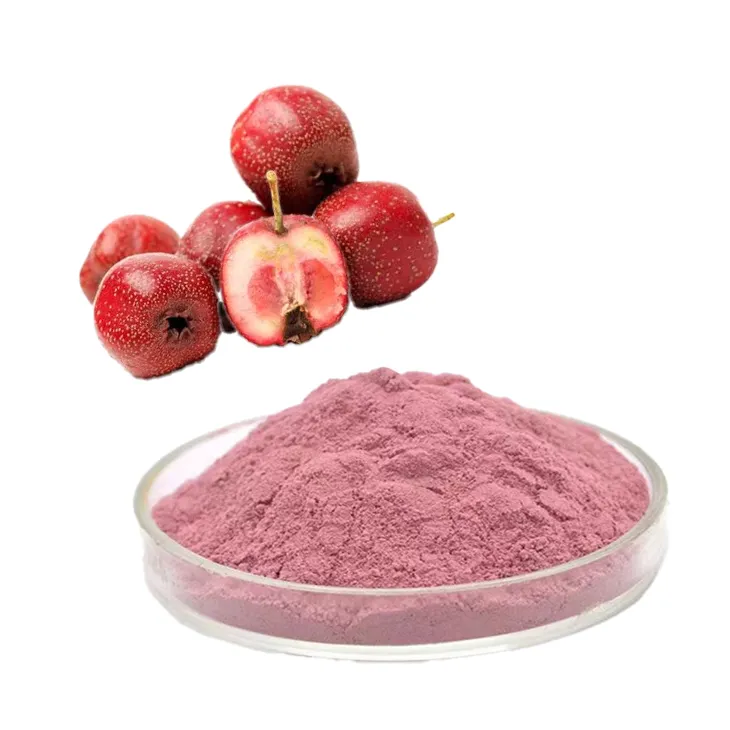
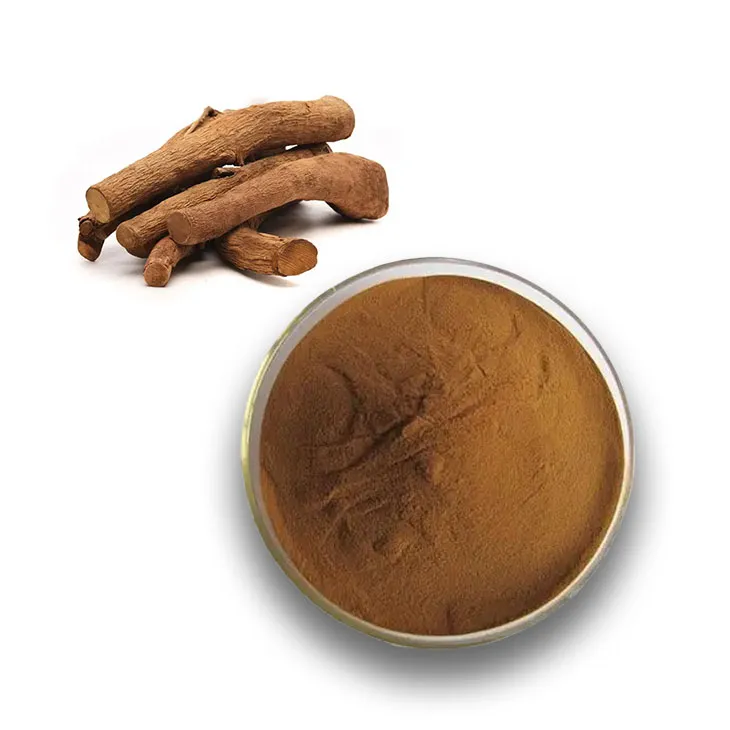
- ▶ Hesperidin
- ▶ Citrus Bioflavonoids
- ▶ Plant Extract
- ▶ lycopene
- ▶ Diosmin
- ▶ Grape seed extract
- ▶ Sea buckthorn Juice Powder
- ▶ Fruit Juice Powder
- ▶ Hops Extract
- ▶ Artichoke Extract
- ▶ Mushroom extract
- ▶ Astaxanthin
- ▶ Green Tea Extract
- ▶ Curcumin
- ▶ Horse Chestnut Extract
- ▶ Other Product
- ▶ Boswellia Serrata Extract
- ▶ Resveratrol
- ▶ Marigold Extract
- ▶ Grape Leaf Extract
- ▶ New Product
- ▶ Aminolevulinic acid
- ▶ Cranberry Extract
- ▶ Red Yeast Rice
- ▶ Red Wine Extract
- ▶ blog
-
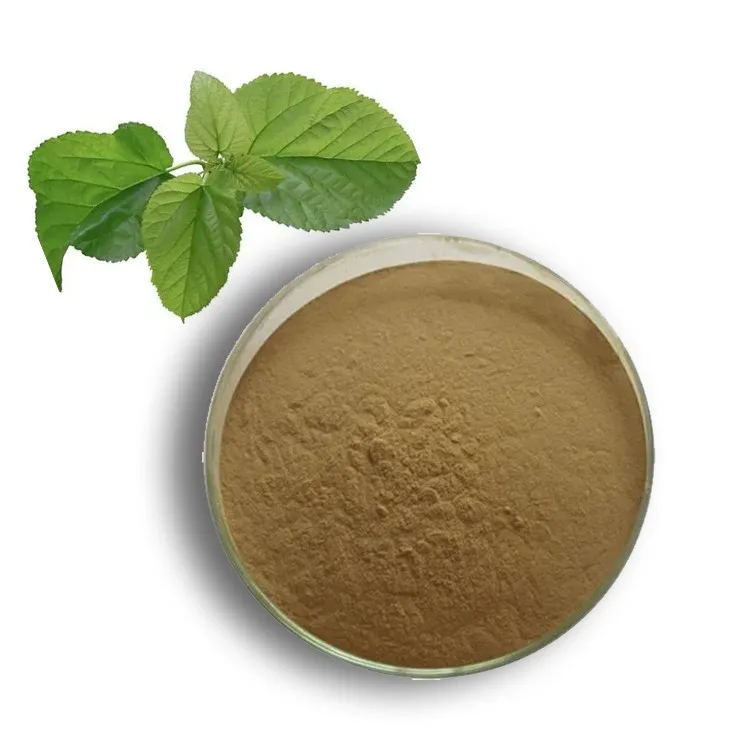
Mulberry leaf Extract
2026-07-30
-
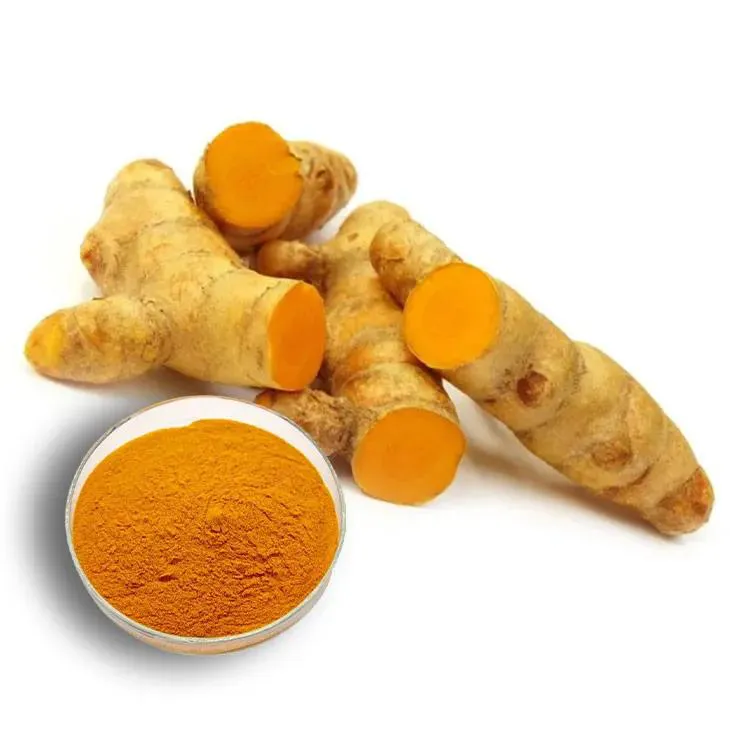
Curcumin
2026-07-30
-
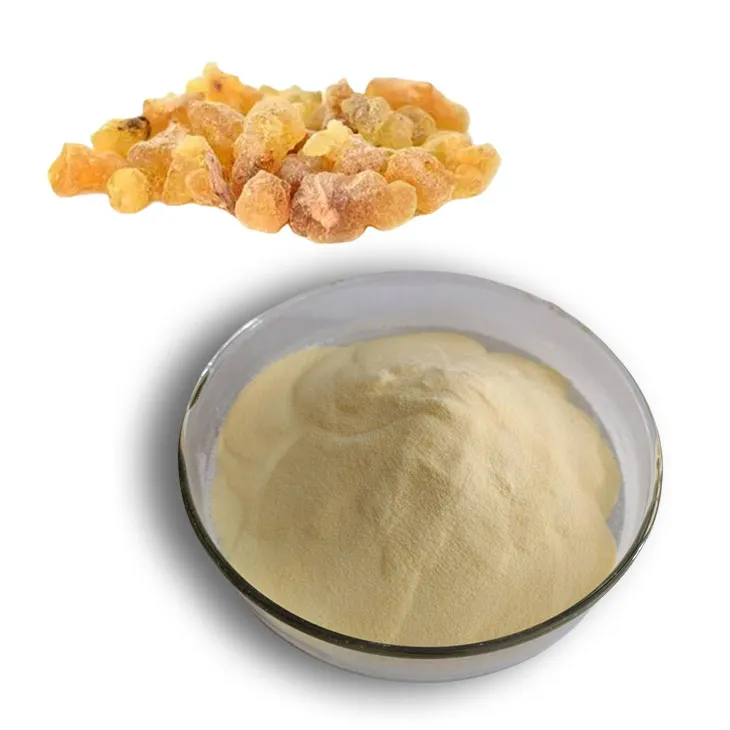
Boswellia Serrata Extract
2026-07-30
-
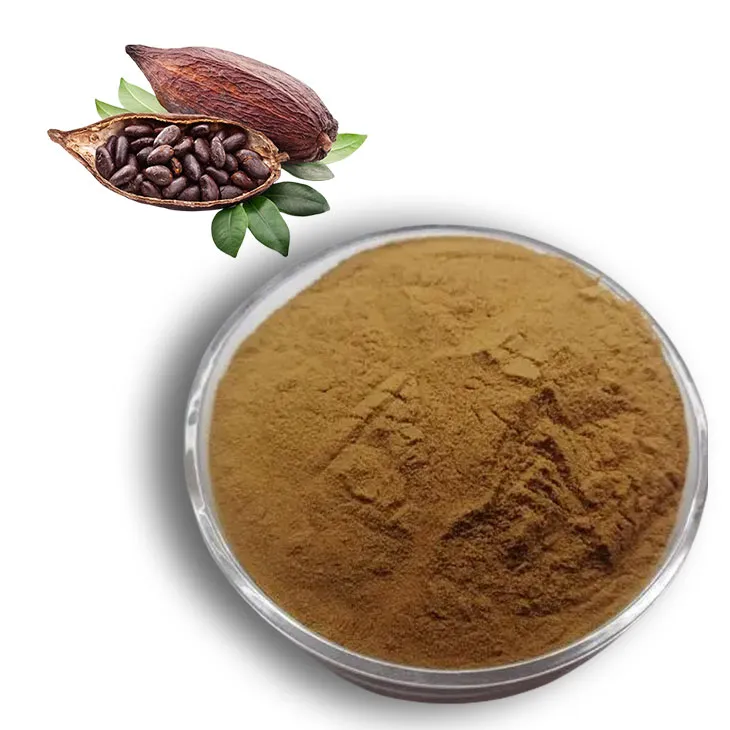
Cocoa Extract
2026-07-30
-
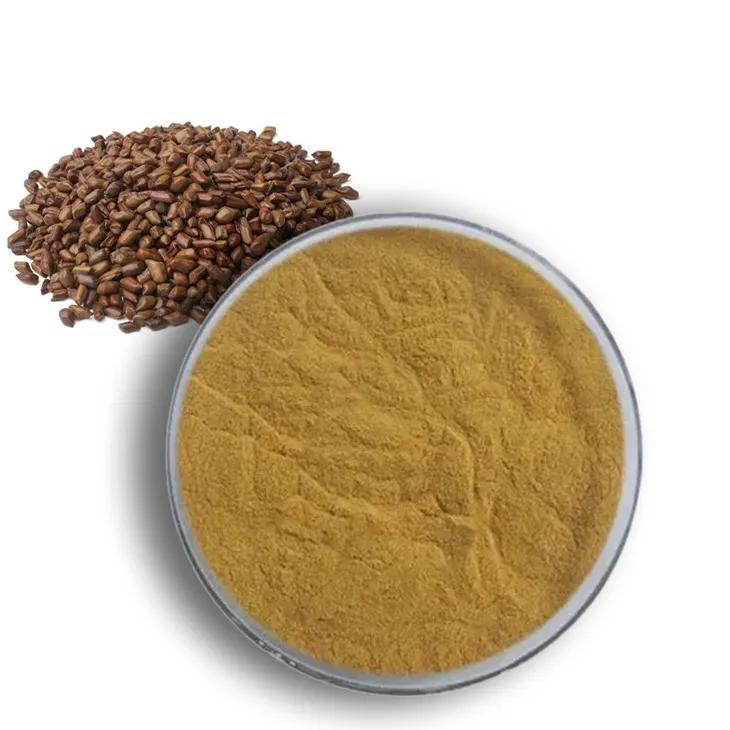
Cassia Seed Extract
2026-07-30
-
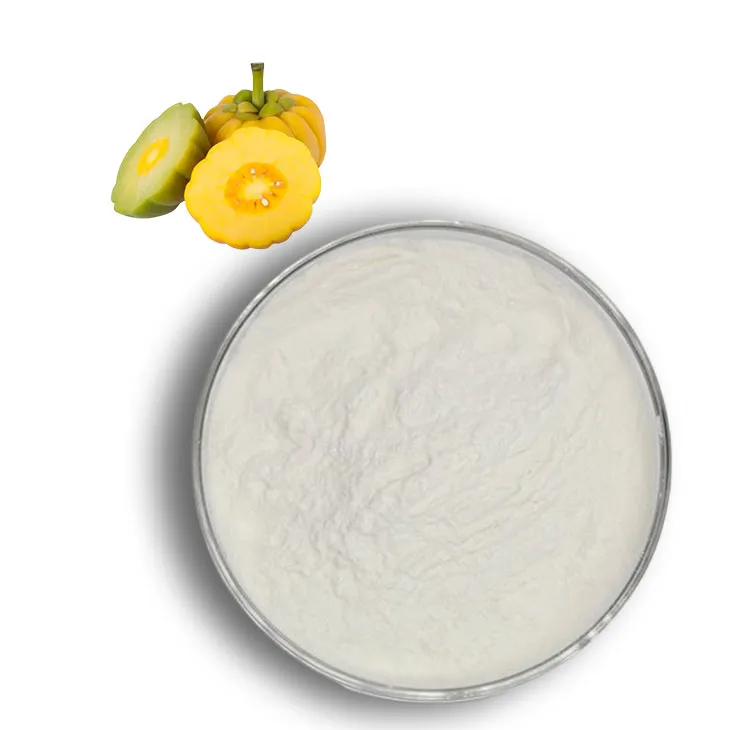
Garcinia Cambogia Extract
2026-07-30
-
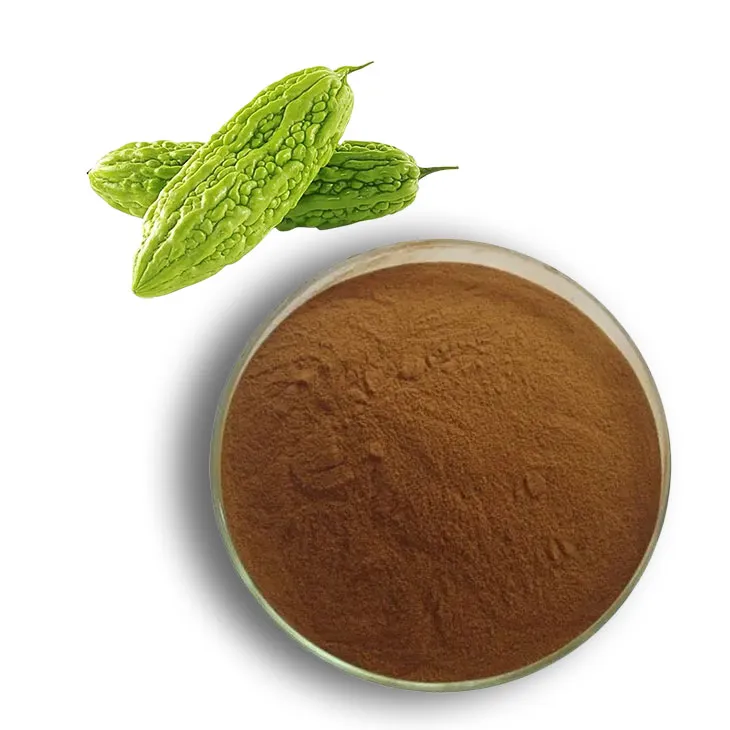
Bitter Melon Extract
2026-07-30
-
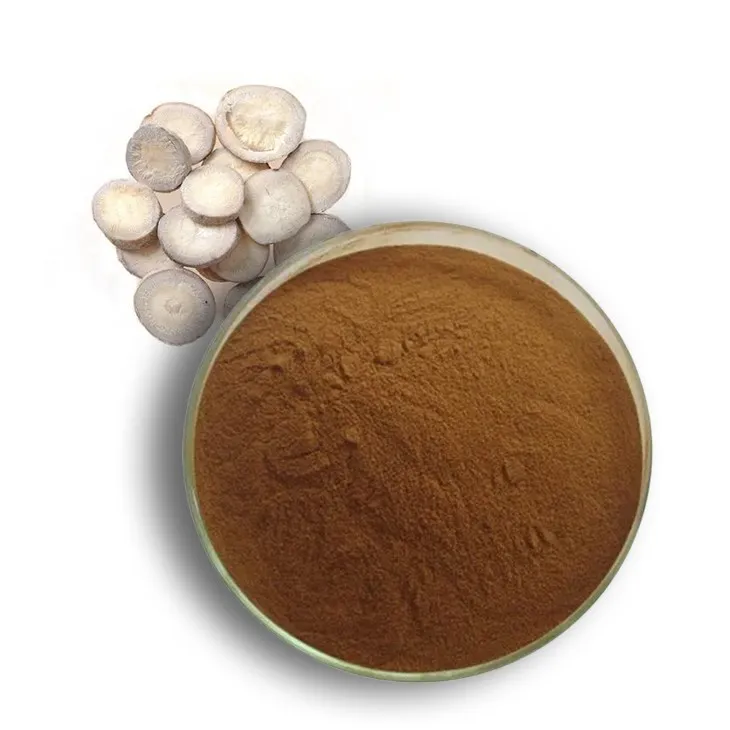
White Peony Extract
2026-07-30
-
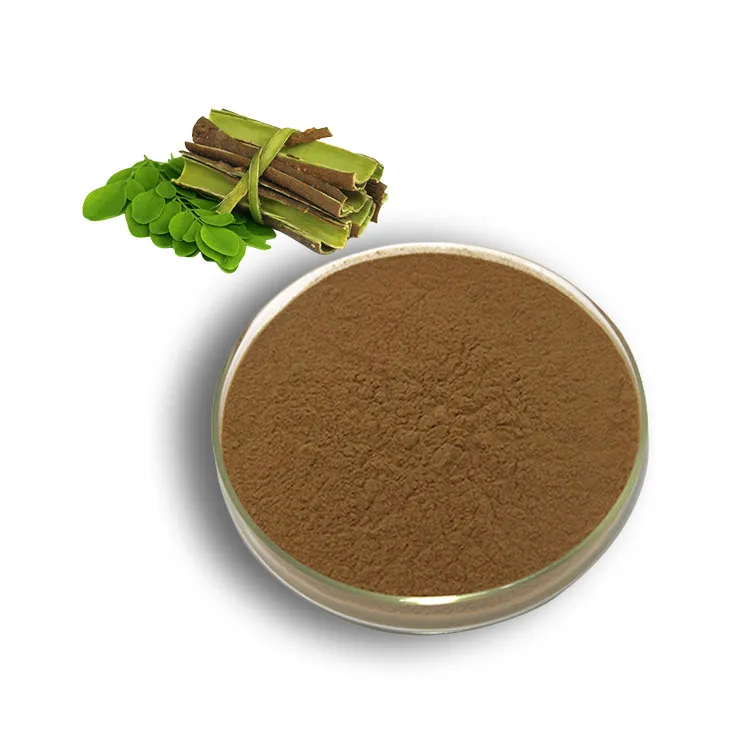
White Willow Bark Extract
2026-07-30
-
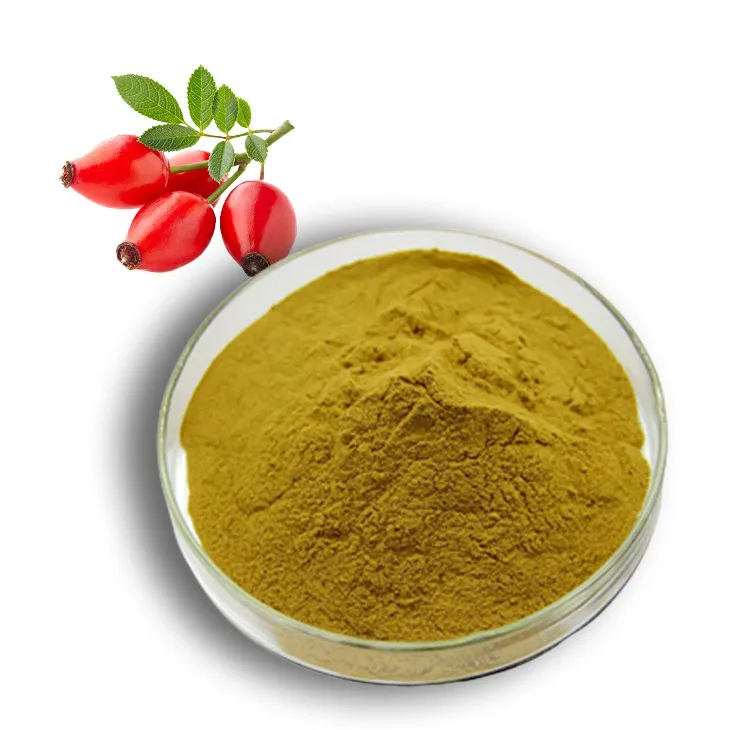
Rose Hip Extract
2026-07-30
