- 0086-571-85302990
- [email protected]


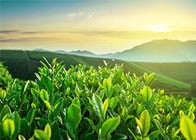

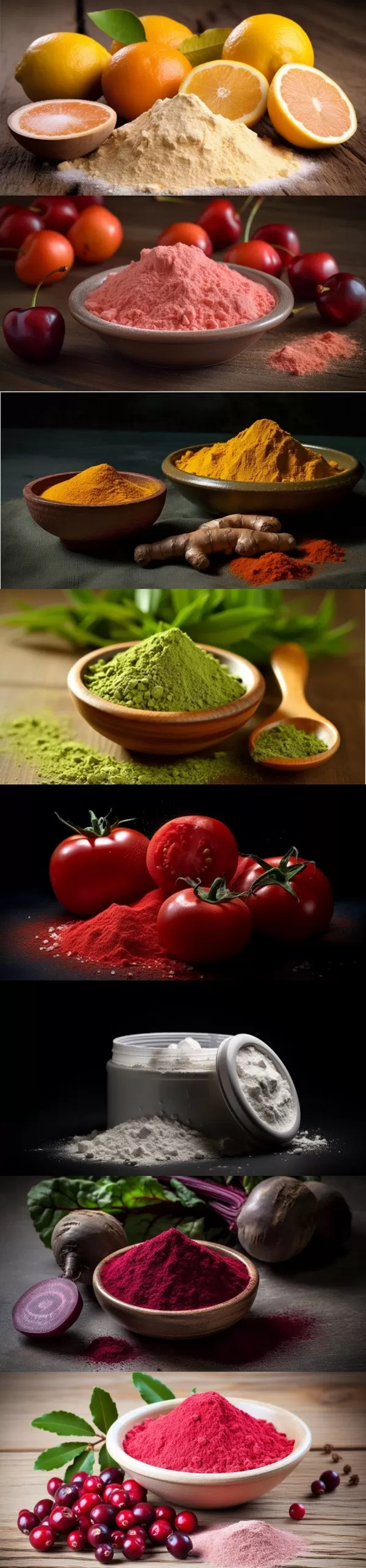

International Plant Extract Industry: 2026 Market Trends, News, and Growth Outloo
2026-07-26
Published: July 2026 | Updated: Latest market analysis and industry developments
Global Plant Extract Market: A Record-Breaking Growth Trajectory
The international plant extract industry is experiencing unprecedented growth in 2026, driven by surging global demand for natural ingredients across food and beverages, cosmetics, pharmaceuticals, and dietary supplements. According to the latest market research from leading analysts, the global plant extracts market is projected to reach USD 85.28 billion by 2030, growing at a remarkable compound annual growth rate (CAGR) of 12.4% from 2025 to 2030, up from USD 47.54 billion in 2025.
In the broader botanical extracts market, Future Market Insights projects the sector to grow from USD 7.8 billion in 2025 to USD 15.7 billion by 2035, at a CAGR of 7.2%. These figures underscore a rapidly expanding industry with substantial opportunities for manufacturers, suppliers, and distributors worldwide.
Key Market Drivers Shaping the Plant Extract Industry in 2026
1. Consumer Shift Toward Clean-Label and Natural Products
One of the most powerful forces driving plant extract demand is the global consumer transition from synthetic to natural ingredients. Increasing awareness of preventive healthcare, combined with rising demand for organic and clean-label products, has made botanical extracts the preferred choice for formulators across multiple industries. Consumers are actively seeking plant-based alternatives that deliver health and wellness benefits without artificial additives.
2. Expansion of the Nutraceutical and Dietary Supplement Sector
The nutraceutical industry continues to be a major growth engine for the plant extract market. Bioactive compounds such as polyphenols, flavonoids, alkaloids, terpenes, and carotenoids are being extensively researched and incorporated into dietary supplements, herbal medicines, and wellness products. These compounds target immunity, cardiovascular health, digestive function, and cognitive wellness — areas of growing consumer interest.
3. Rapid Growth in Cosmetics and Personal Care Applications
The cosmetics and personal care segment is projected to grow at the fastest rate from 2025 to 2030 within the plant extracts market. Extracts from aloe vera, chamomile, lavender, ginseng, green tea, and rosemary are increasingly integrated into skincare, haircare, and personal hygiene products for their antioxidant, anti-aging, anti-inflammatory, and moisturizing properties. The rise of natural and "clean beauty" formulations has accelerated this trend significantly.
4. Food and Beverage Innovation with Plant-Based Ingredients
The food and beverage sector remains the largest application area for botanical extracts, capturing approximately 46.9% of market revenue in 2025. Vanilla, turmeric, ginger, green tea, and Rosemary extracts are widely used in bakery, confectionery, dairy, and beverage products. The growing popularity of functional foods, adaptogenic beverages, and plant-based dairy alternatives continues to drive innovation in this segment.
Regional Market Analysis: Asia Pacific Leads Global Growth
Asia Pacific: The Growth Engine of the Global Plant Extract Market
The Asia Pacific region holds the largest share of the global plant extracts market, supported by abundant raw material resources, lower production costs, and expanding domestic and export demand. China is projected to grow at a CAGR of 9.7% between 2025 and 2035, driven by large-scale herbal cultivation, rising domestic consumption, and increasing export capacity. India follows at 9.0%, supported by its strong Ayurveda heritage and growing utilization of botanical extracts in dietary supplements.
Europe: A Major Hub for Natural and Clean-Label Extracts
Europe accounts for an estimated 21.3% share of the global plant extracts market in 2025. Germany leads European growth at 8.3% CAGR, benefiting from well-established natural cosmetics and herbal medicine industries. The UK (6.8% CAGR) is witnessing strong adoption of plant extracts in functional foods and wellness products. The region's stringent regulations on natural ingredients in food, beverages, and personal care drive demand for traceable, high-quality botanical extracts.
North America: Steady Demand from Supplements and Functional Foods
The United States is growing at 6.1% CAGR, reflecting strong consumer preference for clean-label, natural health solutions. The dietary supplement and functional food sectors remain the primary growth drivers, supported by favorable regulatory frameworks for natural ingredient adoption.
Extraction Technology Innovations Driving Market Quality
Advancements in extraction technologies are revolutionizing the plant extract industry. Conventional solvent extraction and steam distillation are being complemented and, in some cases, replaced by advanced techniques including:
Supercritical CO₂ extraction — delivers high-purity extracts with minimal solvent residues
Microwave-assisted extraction — improves yield and reduces processing time
Ultrasonic-assisted extraction — enhances bioactive compound recovery while preserving compound integrity
Enzyme-assisted extraction — enables selective targeting of specific bioactive components
These "green" extraction technologies not only improve product quality and yield but also address sustainability concerns — an increasingly important factor for both regulators and consumers.
Market Segmentation: Where the Opportunities Lie
By Type
Essential oils — expected to register the highest CAGR of 11.2%, driven by demand from cosmetics, fragrance, and aromatherapy industries
Oleoresins — widely used in food and beverage applications for natural flavoring and coloring
Flavonoids — growing demand from pharmaceutical and nutraceutical applications
Alkaloids — critical in pharmaceutical formulations
Carotenoids — increasing use in food, cosmetics, and animal nutrition
By Source
Herbs & Spices — dominates the market with a 28.7% revenue share (2025), supported by widespread availability and established therapeutic applications
Flowers — growing demand from cosmetics and aromatherapy
Fruits — driven by demand for natural antioxidants and flavorings
Tea Leaves — green tea and specialty tea extracts gaining traction in supplements and beverages
By Form
Dry/Powder extracts — hold approximately 61.2–72% of the market, favored for stability, ease of storage, and precise dosing
Liquid extracts — preferred in beverage formulations and topical applications
Industry Developments and Strategic Moves in 2025–2026
Symrise (Germany) entered a strategic partnership with Evoxx Technologies to develop biotechnological procedures for cosmetic ingredients, combining R&D expertise with novel ingredient development capabilities.
Givaudan (Switzerland) advanced its Active Beauty division using vegetal extraction and biomimetic NaDES technology to create sustainable, high-performance botanical actives for skincare.
Kerry Group (Ireland) acquired US-based Natreon, Inc., a leading supplier of branded Ayurvedic botanical ingredients, expanding its portfolio of clinically substantiated natural health solutions.
MarketsandMarkets (December 2025) released its comprehensive Plant Extracts Market report covering 340 pages and 300 market tables, providing granular analysis by type, application, form, source, extraction process, and region through 2030.
Key Challenges Facing the Plant Extract Industry
Despite strong growth, the industry faces several notable challenges:
Lack of standardization — varying regulations and quality standards across regions complicate global trade
Raw material price fluctuations — climate variability and supply chain disruptions impact availability and cost
Microbial contamination risks — particularly in spices and seasonings imported from developing countries
Adulteration concerns — natural additives face cost competition from synthetic alternatives, incentivizing quality compromise
Downstream processing limitations — inadequate facilities in some regions lead to quality degradation
Leading Companies in the Global Plant Extract Market
The market is characterized by a mix of established global leaders and agile emerging players:
Star Players: International Flavors & Fragrances (IFF), Givaudan, Symrise
Emerging Leaders: Carbery Group, Sensient Technologies, dsm-firmenich
Key Global Manufacturers: Synthite Industries (India), Indesso (Indonesia), Döhler (Germany), Martin Bauer Group (Germany), Kerry Group (Ireland), ADM (US), Cargill (US)
Chinese Manufacturers: Kangcare Bioindustry Co. Ltd.
Niche Specialists: Arjuna Natural, Blue Sky Botanics, Prinova Group LLC, Vidya Herbs
Future Outlook: What to Expect in the Coming Years
The plant extract and botanical extract market is poised for sustained growth through 2030 and beyond. Key trends to watch include:
AI-driven extraction optimization — machine learning applications in extraction process control
Biotechnology integration — plant cell culture and fermentation-derived botanical actives
Personalized nutrition — customized botanical formulations for individual health profiles
Sustainable sourcing certifications — increasing demand for ethically and sustainably sourced raw materials
Regulatory harmonization — efforts toward standardized global quality and safety frameworks for botanical ingredients
For companies operating in the plant extract industry, the outlook is overwhelmingly positive. Those who invest in quality, innovation, and sustainability are well-positioned to capitalize on this multi-billion-dollar growth opportunity.
Conclusion
The international plant extract industry in 2026 stands at a pivotal moment. With the global market projected to surpass USD 85 billion by 2030, driven by consumer demand for natural, clean-label, and plant-based products, the opportunities are vast. From essential oils and oleoresins to specialized herbal extracts, the breadth of applications continues to expand across food, cosmetics, pharmaceuticals, and beyond. Companies that embrace advanced extraction technologies, sustainable practices, and quality assurance will lead the next wave of growth in this dynamic and rapidly evolving sector.

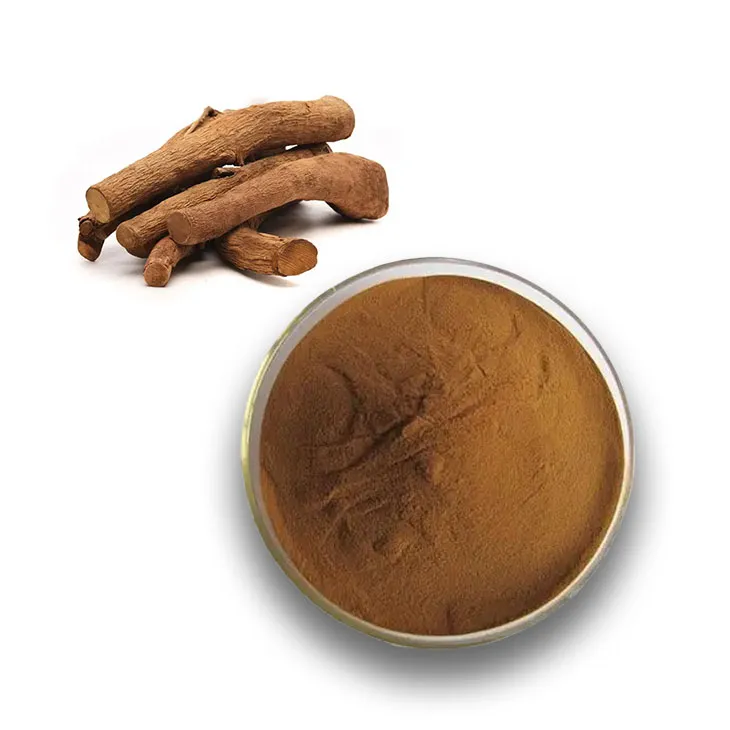
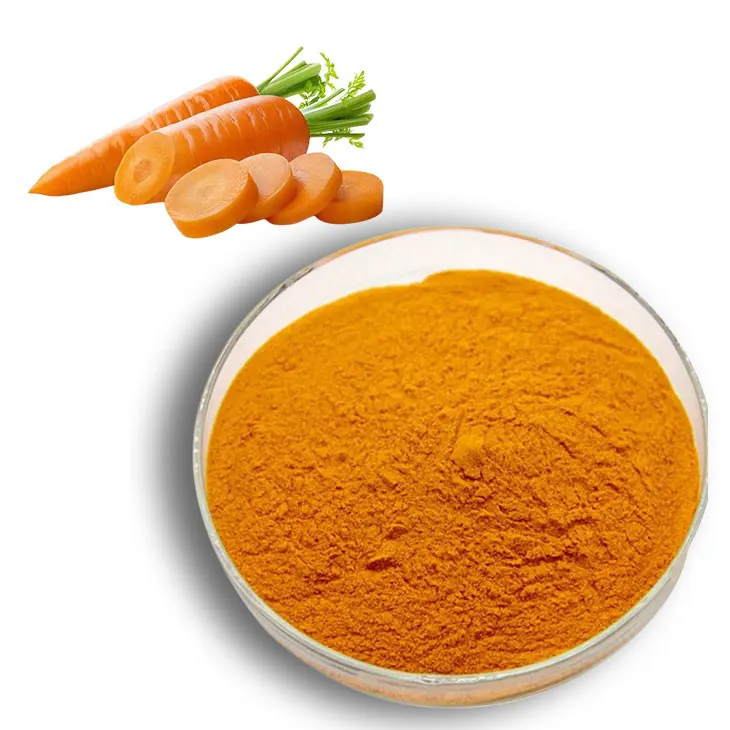
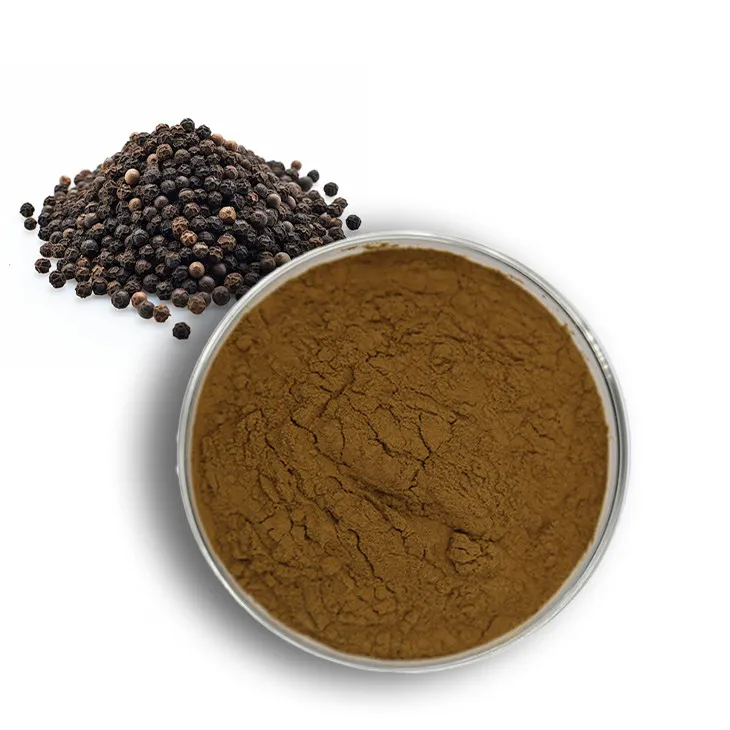
- ▶ Hesperidin
- ▶ Citrus Bioflavonoids
- ▶ Plant Extract
- ▶ lycopene
- ▶ Diosmin
- ▶ Grape seed extract
- ▶ Sea buckthorn Juice Powder
- ▶ Fruit Juice Powder
- ▶ Hops Extract
- ▶ Artichoke Extract
- ▶ Mushroom extract
- ▶ Astaxanthin
- ▶ Green Tea Extract
- ▶ Curcumin
- ▶ Horse Chestnut Extract
- ▶ Other Product
- ▶ Boswellia Serrata Extract
- ▶ Resveratrol
- ▶ Marigold Extract
- ▶ Grape Leaf Extract
- ▶ New Product
- ▶ Aminolevulinic acid
- ▶ Cranberry Extract
- ▶ Red Yeast Rice
- ▶ Red Wine Extract
- ▶ blog
-
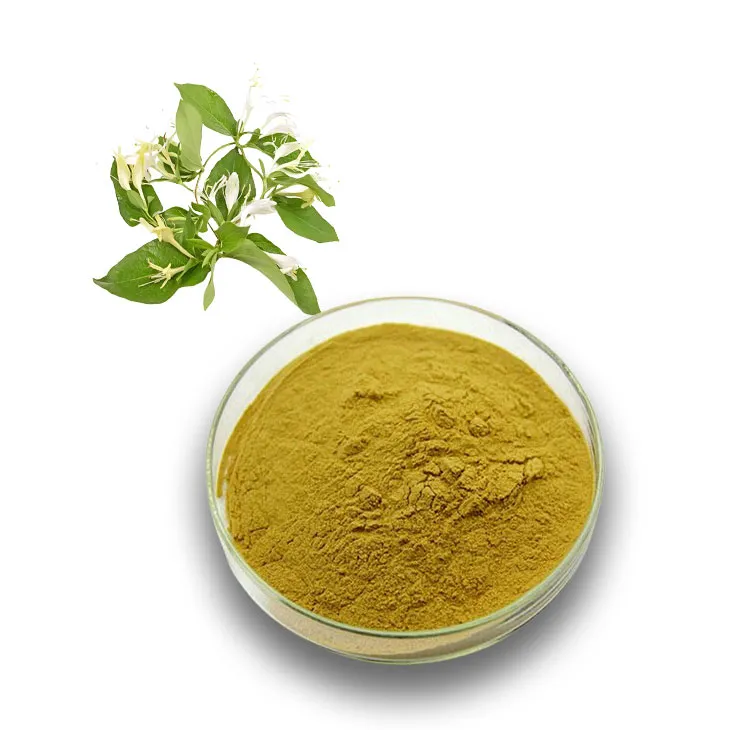
Honeysuckle Pollen
2026-07-26
-
Nattokinase
2026-07-26
-
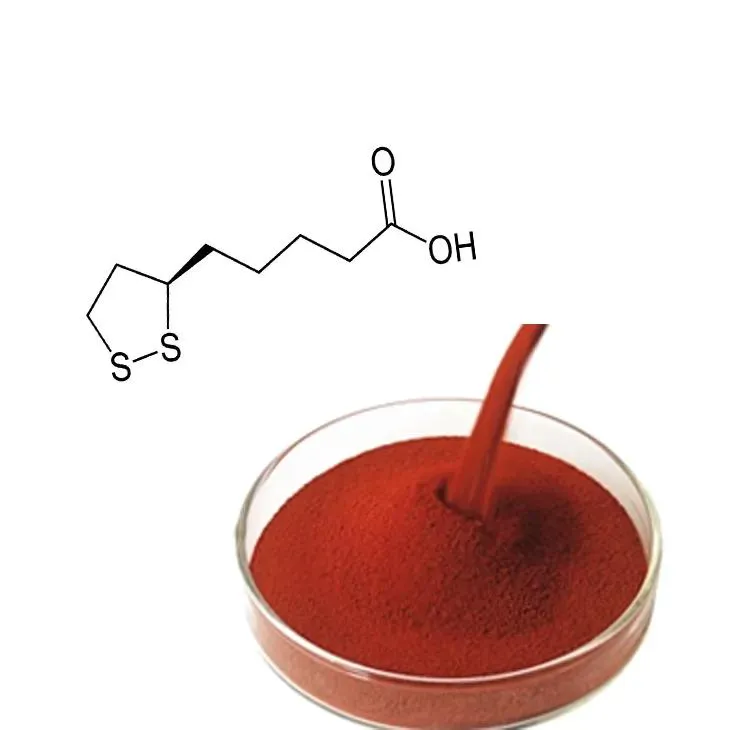
Astaxanthin
2026-07-26
-
Pueraria Lobata Extract
2026-07-26
-
White Peony Extract
2026-07-26
-
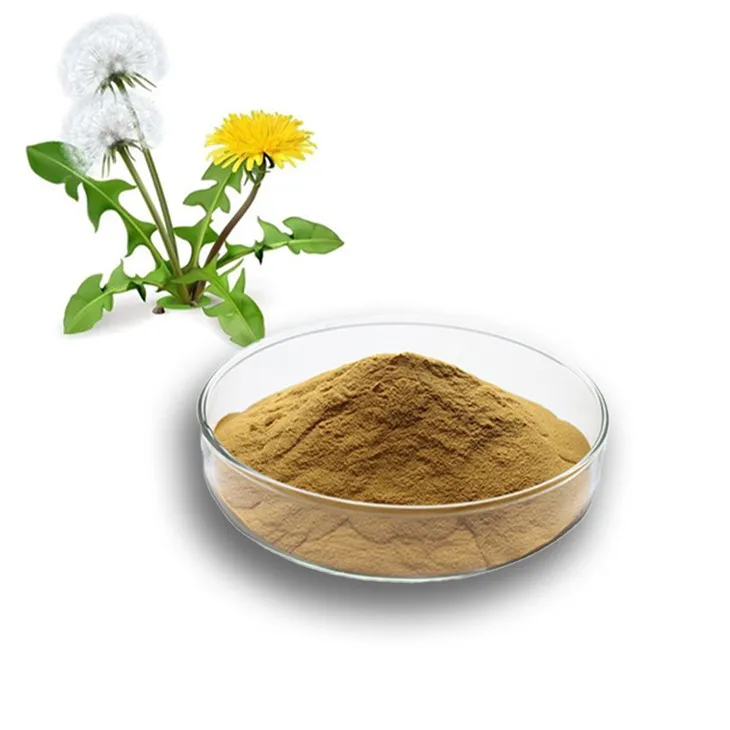
Dandelion Leaf Extract
2026-07-26
-
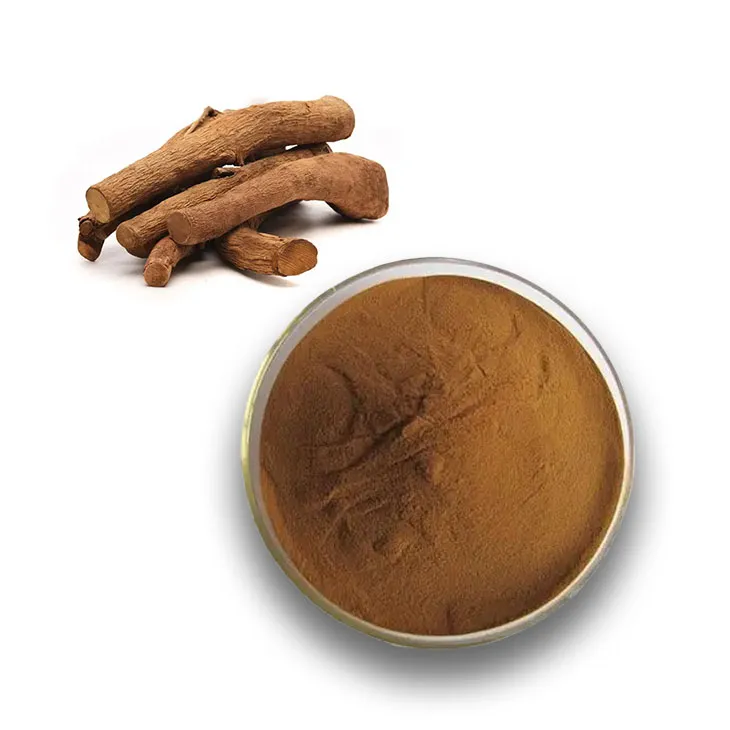
Tongkat Ali Extract
2026-07-26
-
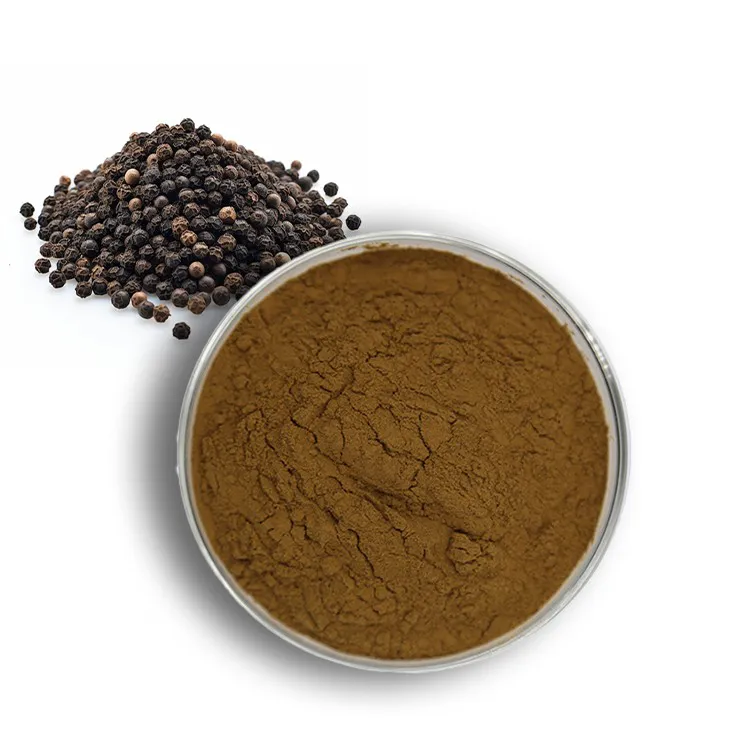
Black Pepper Extract
2026-07-26
-
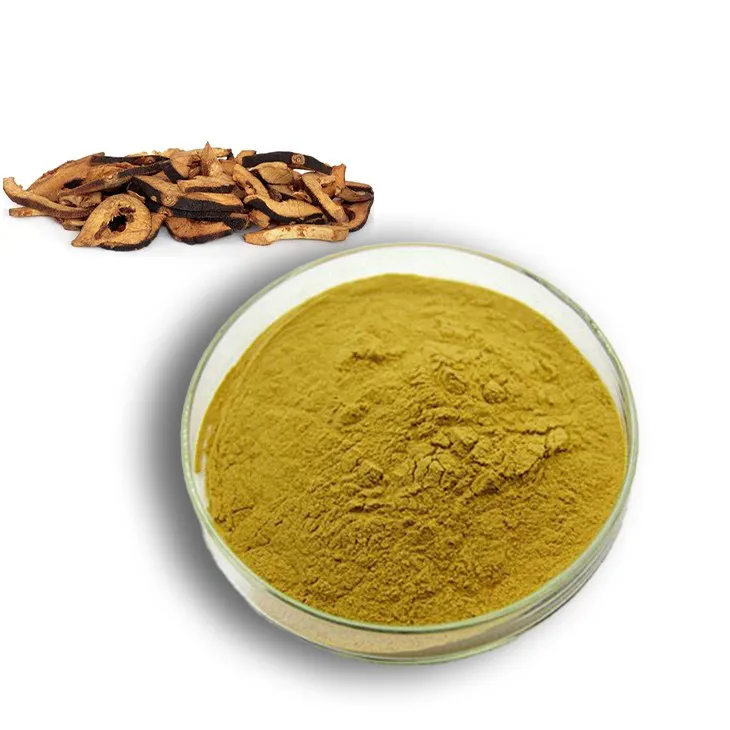
Citrus Aurantium Extract
2026-07-26
-
Chasteberry Extract
2026-07-26