- 0086-571-85302990
- [email protected]






International Plant Extract Industry Briefing (July 2026)
2026-07-14
Introduction
The plant extract industry is at a critical juncture of rapid transformation. The global functional food and dietary supplement market continues to grow, while regulatory policies across countries are tightening at an accelerating pace, and biotechnology innovations are continuously breaking traditional boundaries. This article reviews the latest policy developments, market trends, and technological advances in the international plant extract sector as of July 2026, aiming to provide valuable reference information for industry peers.
I. Regulatory Developments: Global Regulatory Framework Undergoing Accelerated Restructuring
1. EU Advances Maximum Permitted Levels (MPL) Legislation for Vitamins and Minerals
The European Commission is advancing unified Maximum Permitted Levels (MPL) legislation for vitamins and minerals applicable to all member states. According to information disclosed at the Food Supplement Summit held by the European Federation of Associations of Health Product Manufacturers (EHPM) in Brussels, the EU plans to launch public consultation in Q3 2026 and release a draft regulation in Q1 2028. Once implemented, this regulation will replace the current fragmented regulatory systems where each member state operates independently.
The industry is widely concerned that overly conservative daily limit standards could force a large number of supplement products to be reformulated or withdrawn from the market. EHPM is conducting a dedicated impact assessment covering data from 100 companies across 20 member states and 5 non-EU countries, with results expected to be released in the coming months.
2. EU Packaging and Packaging Waste Regulation (PPWR) Impacts the Industry
From August 12, 2026, the EU will comprehensively ban PFAS (per- and polyfluoroalkyl substances, also known as "forever chemicals") in food-contact packaging exceeding specific thresholds. This poses a direct challenge to the plant extract industry, which widely uses flexible packaging and blister packs.
Furthermore, new "Design for Recycling" (DFR) requirements will take effect in 2030, but specific standards are not expected to be released until 2028. Stability validation typically requires 24 to 36 months—meaning companies face an extremely tight time window. EHPM has called for the specific deadline for dietary supplements to be deferred until 2035.
3. U.S. FDA Adjusts Dietary Supplement Regulatory Framework
At the 14th ACI-CRN Dietary Supplement Legal, Regulatory & Compliance Forum held in New York in June 2026, Dr. Cara Welch, Director of the FDA's Office of Dietary Supplement Programs (ODSP), confirmed that the FDA will release a new version of the New Dietary Ingredient (NDI) Identity and Safety Information Guidance by the end of the year. This has direct implications for plant extract companies' U.S. market access strategies.
Additionally, the FDA held a public meeting in March on the definition of dietary supplement ingredients and is currently reviewing nearly 1,000 public comments. This discussion directly concerns whether plant extracts are recognized as lawful dietary ingredients, and the industry should monitor it closely.
4. DEA Initiates 7-OH Temporary Scheduling Process
In early July, the U.S. Drug Enforcement Administration (DEA) submitted two notices of intent to the Federal Register, proposing to place 7-hydroxymitragynine (7-OH) and related substances under Schedule I control. 7-OH is an alkaloid found in kratom, but its semi-synthetic concentrated form is considered to have abuse potential. At least 12 states have already banned 7-OH products. This action reflects the global trend toward stricter regulation of plant-derived active ingredient safety.
5. China Customs Strengthens Cross-Border Health Supplement Oversight
At the Healthplex China Expo held in Shanghai in June 2026, the China Customs National Monitoring Center for Cross-Border E-Commerce Commodity Quality and Safety disclosed multiple cases of health supplement violations, including: products containing prohibited additives (such as edible gold leaf), false advertising and exaggerated claims, and counterfeit imported products. Customs authorities emphasized that even if a product complies with its country-of-origin standards, it will still be prohibited from import if it violates Chinese laws.
II. Key Plant Extract Variety Developments
1. Ashwagandha: The "King of Herbs" Under Regulatory Storm
Ashwagandha is facing unprecedented regulatory pressure. Following Denmark's complete ban on its use in food supplements in 2023, Sweden, Finland, France, and other countries have successively launched investigations. The 2024 Risk Analysis Tracking Report published by the Netherlands National Institute for Public Health and the Environment (RIVM) further highlighted its potential hepatotoxicity and drug interaction risks.
EU regulatory authorities are considering initiating the "Article 8" procedure, which could ultimately lead to the restriction or prohibition of this ingredient across the EU. However, industry experts note that many safety assessments fail to distinguish between root and leaf, extract and whole powder, and misinterpret hormone normalization as hormone damage. India's Ministry of AYUSH has previously explicitly recommended against using ashwagandha leaves in any products.
2. Curcumin: Next-Generation Functional Development
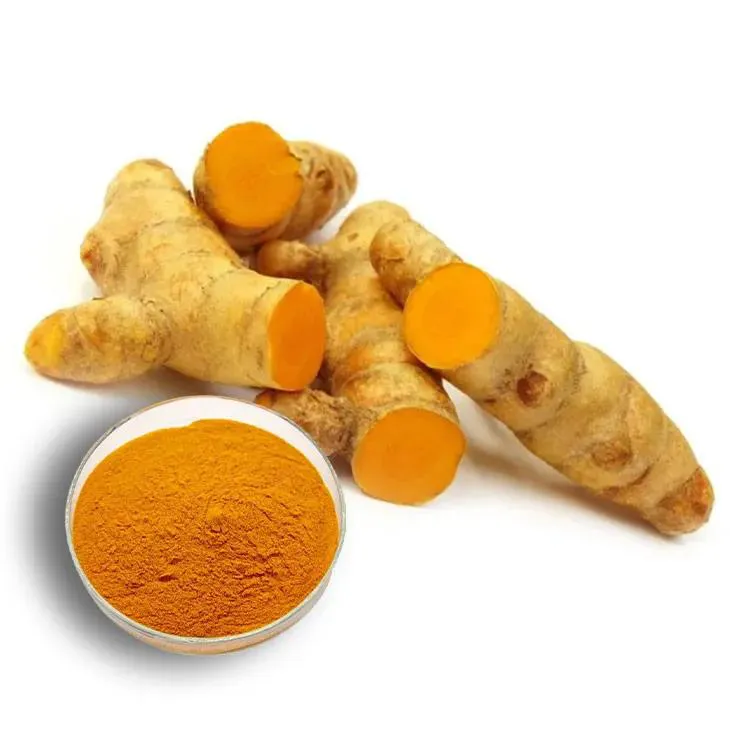
Curcumin remains one of the most closely watched active ingredients in the plant extract sector. Ingredient companies such as Sabinsa are driving the development of next-generation Curcumin products, focusing on enhanced functionality and dosage form diversification. Continuous breakthroughs in bioavailability technology are expanding the application scenarios of curcumin in functional foods, beverages, and sports nutrition.
3. Ayurvedic Plant Extracts: A New Natural Option for Men's Health
AktiveX™ standardized extract launched by K. Patel Phyto Extractions (derived from the Ayurvedic Shukral Dravya category) demonstrated significant efficacy in a randomized, double-blind, placebo-controlled clinical trial: after 9 weeks of supplementation in 100 subjects, free testosterone levels increased by 136%, luteinizing hormone (LH) increased by 356%, and both libido scale and sexual satisfaction scores significantly improved. In terms of semen quality, sperm concentration increased by 125% and total motile sperm count increased by 355%.
The global sexual health supplement market was valued at approximately USD 3.8 billion in 2024 and is projected to reach approximately USD 9.9 billion by 2034 (CAGR 10.1%), with male users accounting for over 55%. This trend provides broad opportunities for plant extract applications in the men's health sector.
III. Market Trends and Technological Innovation
1. Microbiome Market Enters the "Prove Your Value" Phase
At the recent Probiota Americas conference in Vancouver, industry consensus indicated that the microbiome category is moving from "concept hype" to a "value demonstration" phase. NielsenIQ data shows that U.S. products with prebiotic claims generate approximately USD 8.3 billion in annual sales, with prebiotic coffee category at approximately USD 50 million (annual growth of approximately 500%) and prebiotic energy drinks exceeding USD 500 million (annual growth of approximately 70%). Postbiotic products, while smaller in scale (approximately USD 52 million), are growing rapidly and gaining attention due to their stability and dosage form compatibility advantages.
2. Biotechnology Drives the "Lifemaxxing" Wave
Biotechnology companies such as ZBiotics are advancing consumer applications of genetically engineered probiotics. Their latest product, Sugar-to-Fiber, uses genetically engineered probiotics to convert sugar into fiber in the gut, precisely addressing the pain point that 95% of Americans have insufficient fiber intake. This trend indicates that consumer acceptance of biotechnology is increasing, provided that products deliver clear, perceptible health benefits.
3. China Market: Strong Cross-Border Health Supplement Growth Amid Tightening Regulation
China's health supplement market exceeds USD 170 billion in annual scale, growing at 14% annually, making it the world's second-largest market. Cross-border e-commerce accounts for 54% of health supplement market transactions, approximately USD 2.5 billion, with year-on-year growth of 18%. Douyin (TikTok China), with approximately 1 billion monthly active users and an estimated GMV exceeding USD 570 billion this year, has become an important channel for foreign brands entering the Chinese market.
However, it should be noted that China Customs is continuously strengthening cross-border health supplement quality and safety risk monitoring, with significantly intensified crackdowns on products containing prohibited ingredients, exaggerated claims, and counterfeit imports.
4. Artificial Intelligence Accelerates Ingredient Discovery and Product Innovation
NutraIngredients reports that AI-driven ingredient discovery is becoming a new industry hotspot. For instance, Suntory has initiated Real-World Evidence (RWE) studies to support new product innovation. Under the DSHEA framework, the FDA is exploring how to balance scientific innovation with statutory dietary ingredient definitions, which may impact the market entry pathways for new plant extract ingredients in the future.
IV. Implications and Recommendations for the Industry
Compliance First: The EU MPL legislation, PPWR packaging regulations, and U.S. NDI guidance updates will all be intensively implemented between 2026 and 2028. Companies should proactively assess the impact on their product portfolios and reserve time windows for formula adjustments and packaging upgrades.
Monitor "Problem Varieties" such as Ashwagandha: Global safety reviews of specific plant extracts are becoming increasingly stringent. Companies should ensure raw material traceability, differentiate between plant parts and extraction methods, and establish comprehensive toxicological data packages.
Seize China Market Opportunities: Cross-border e-commerce remains an effective pathway into the Chinese market, but strict compliance with Chinese regulations is essential—ensure product labels are truthful and accurate, and avoid exaggerated claims.
Embrace Biotechnology: Cutting-edge technologies such as genetically engineered probiotics and AI-assisted ingredient discovery are reshaping the industry landscape. Leading companies should invest in relevant R&D capabilities early.
Strengthen Scientific Evidence: In the "prove your value" era, clinical research and real-world evidence have become the fundamental threshold for market access and consumer trust.
This article is sourced from authoritative industry media and conferences including NutraIngredients, Nutrition Insight, and the EHPM Food Supplement Summit, as of July 14, 2026.
- ▶ Hesperidin
- ▶ Citrus Bioflavonoids
- ▶ Plant Extract
- ▶ lycopene
- ▶ Diosmin
- ▶ Grape seed extract
- ▶ Sea buckthorn Juice Powder
- ▶ Fruit Juice Powder
- ▶ Hops Extract
- ▶ Artichoke Extract
- ▶ Mushroom extract
- ▶ Astaxanthin
- ▶ Green Tea Extract
- ▶ Curcumin
- ▶ Horse Chestnut Extract
- ▶ Other Product
- ▶ Boswellia Serrata Extract
- ▶ Resveratrol
- ▶ Marigold Extract
- ▶ Grape Leaf Extract
- ▶ New Product
- ▶ Aminolevulinic acid
- ▶ Cranberry Extract
- ▶ Red Yeast Rice
- ▶ Red Wine Extract
- ▶ blog
-
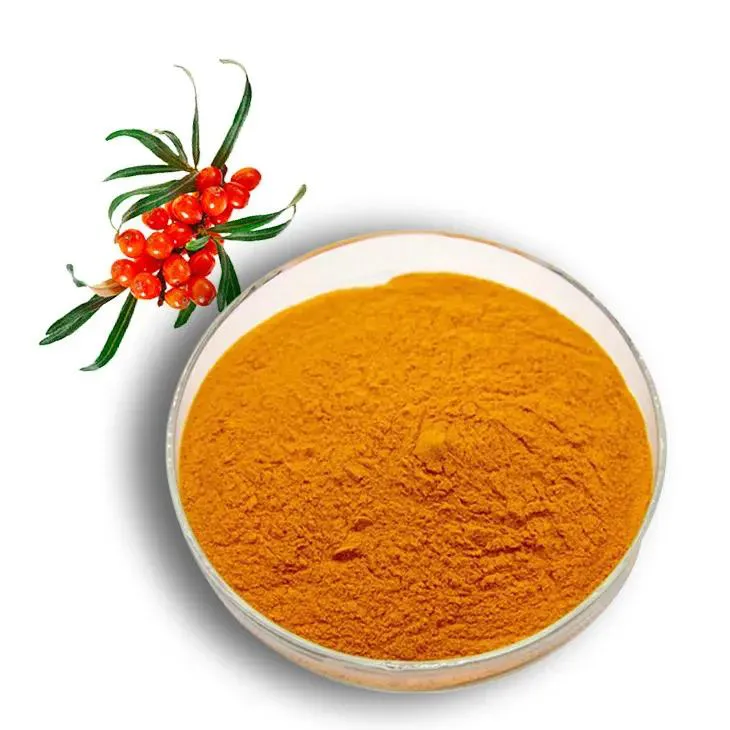
Sea buckthorn Juice Powder
2026-07-14
-
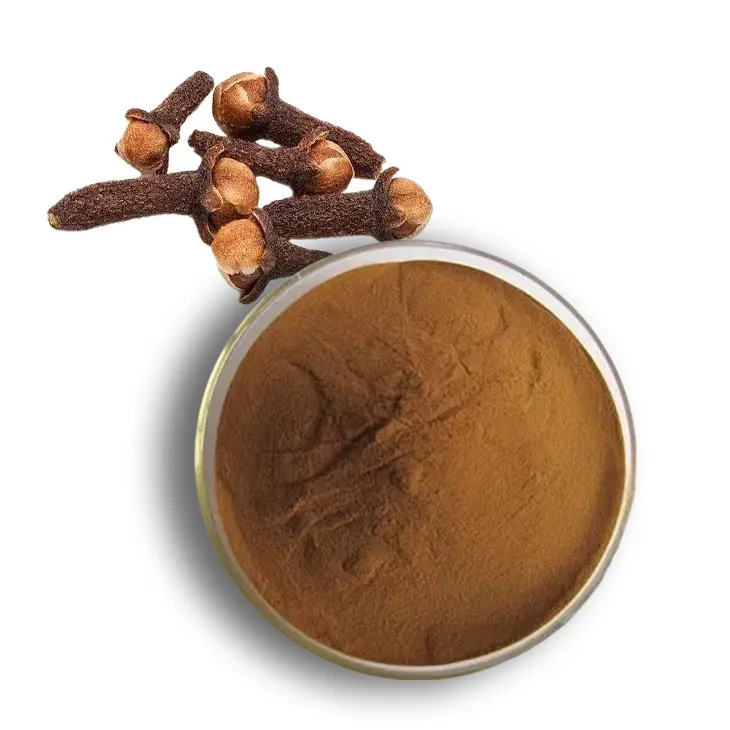
Clove Powder
2026-07-14
-
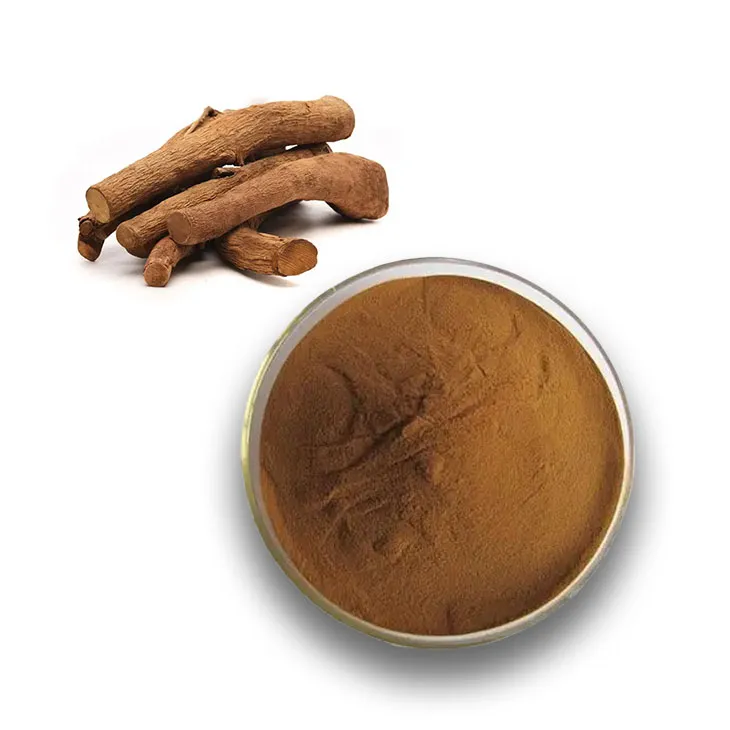
Tongkat Ali Extract
2026-07-14
-
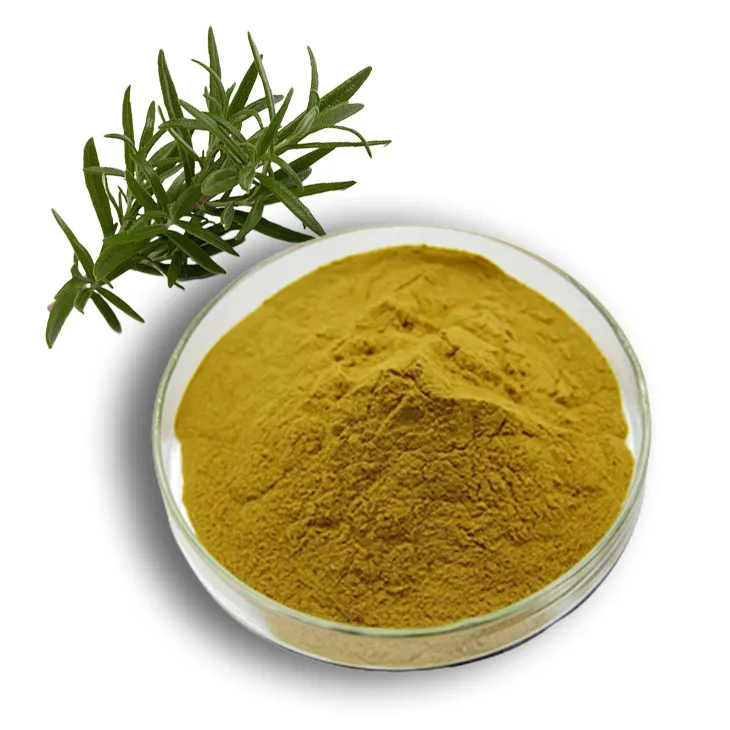
Rosemary extract
2026-07-14
-
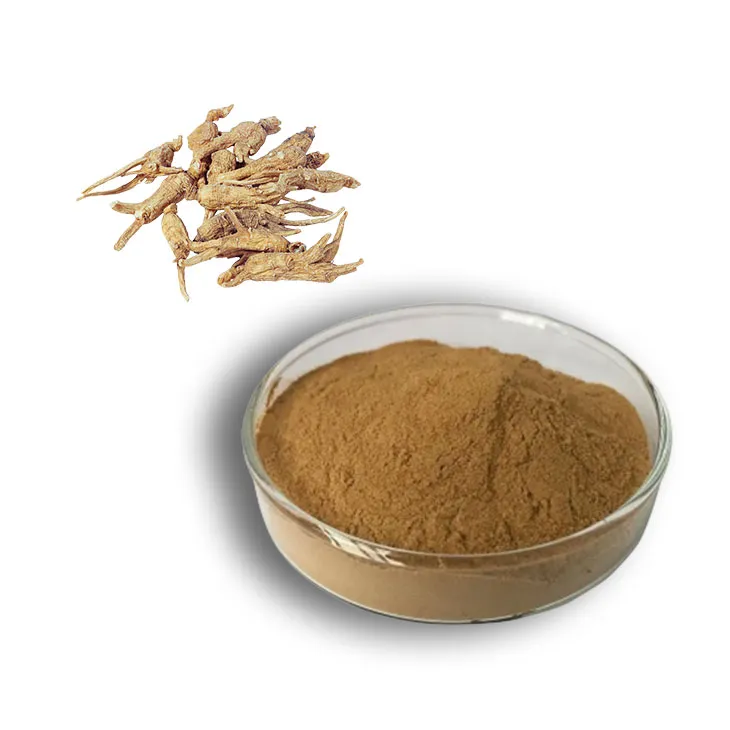
Angelica sinensis extract
2026-07-14
-
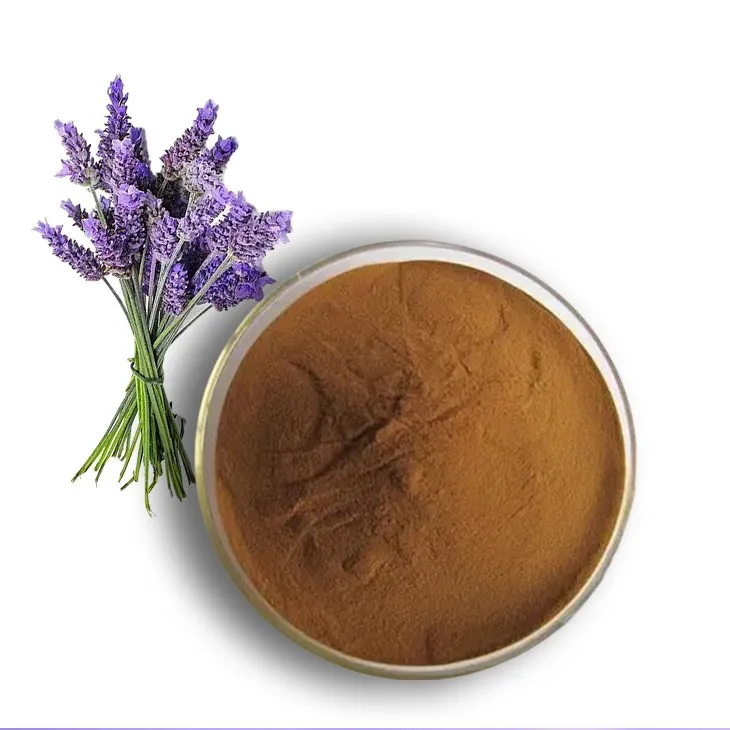
Lavender Extract
2026-07-14
-
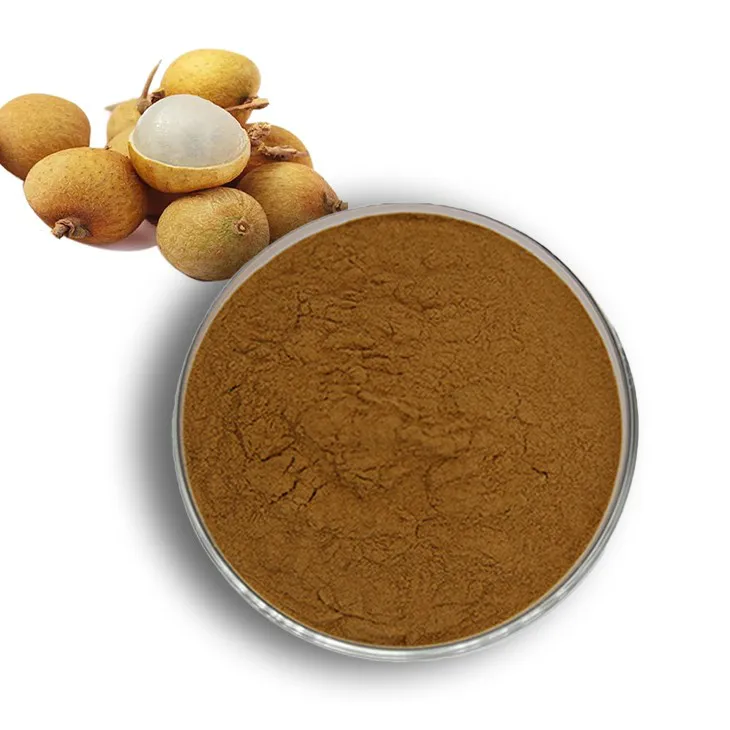
Longan Extract
2026-07-14
-
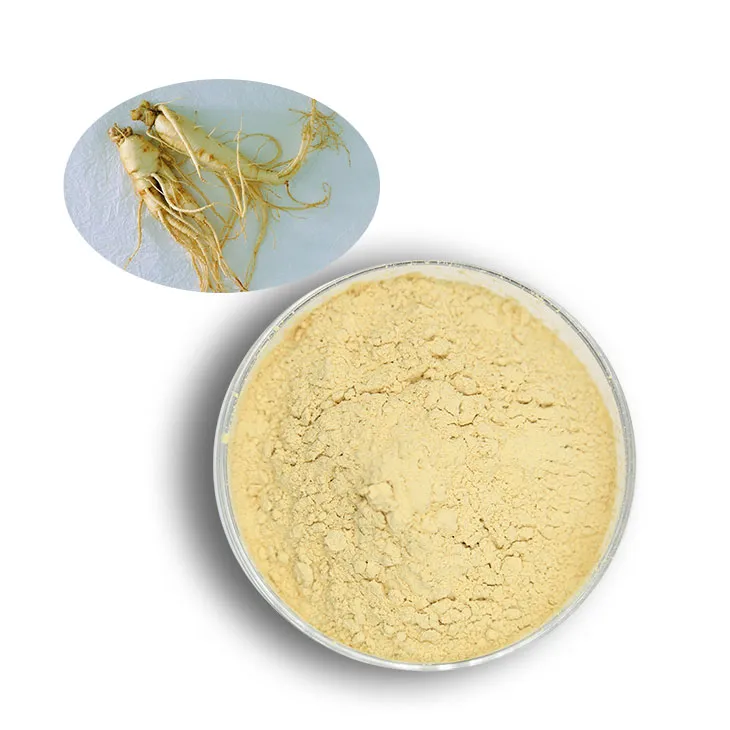
American Ginseng Root Extract
2026-07-14
-
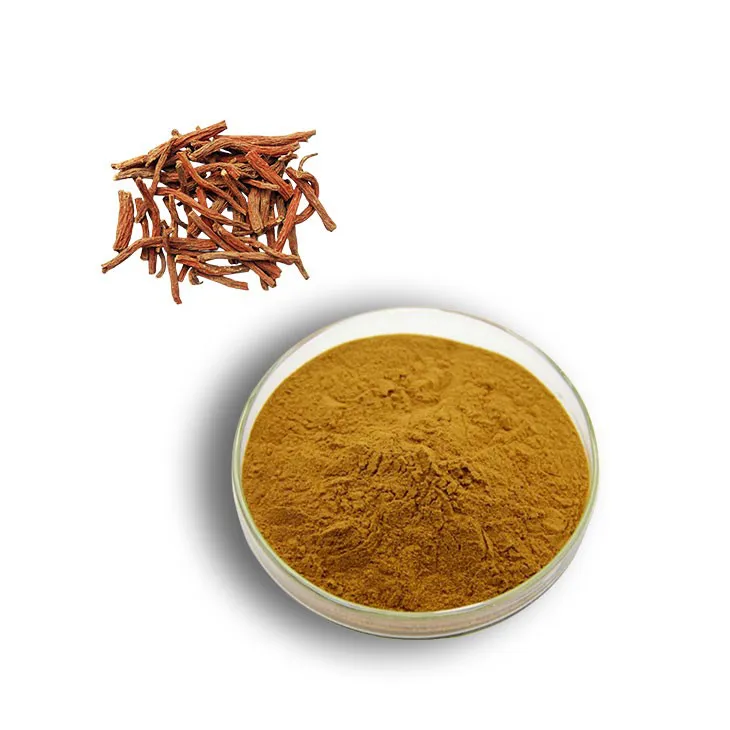
Dan Shen Root Extract/Salvia Root Extract
2026-07-14
-
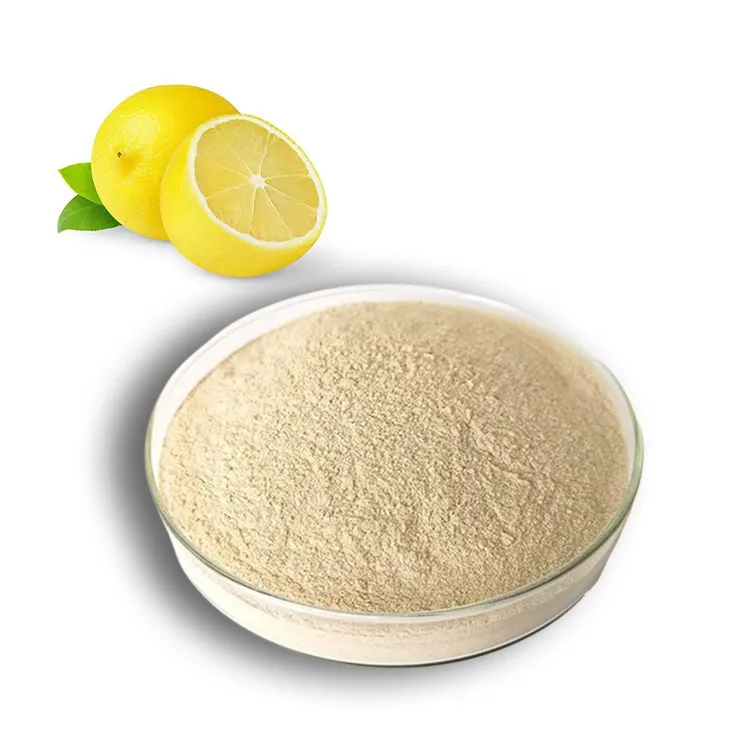
Lemon Extract
2026-07-14
