- 0086-571-85302990
- [email protected]




What Is Panax Ginseng Extract? Energy Science, Ginsenoside Benefits & B2B Sourcing Guide
2026-10-31
1. What Is Panax Ginseng and Why Is It the "King of Herbs"?
Panax Ginseng (Asian Ginseng, Korean Ginseng, Panax ginseng C.A. Meyer) is a perennial herb of the Araliaceae family, traditionally cultivated in Korea, China, and Japan for over 5,000 years. The genus name "Panax" derives from the Greek words "pan" (all) and "akos" (cure), reflecting its historical reputation as a panacea in traditional medicine systems.
In 2026, the global Panax ginseng market exceeds $12 billion, with applications spanning energy and vitality supplements, cognitive health formulations, sports nutrition, male health products, and premium cosmetics. For B2B buyers and formulators, understanding ginsenoside profiles, extraction methods, and quality standards is essential for developing differentiated products.
2. Key Active Compounds: Ginsenosides Explained
The therapeutic value of Panax ginseng derives from its unique triterpene saponins called ginsenosides (also known as panaxosides). Over 150 ginsenosides have been identified, classified by their aglycone structure:
Group Key Ginsenosides Primary Effects Protopanaxadiol (PPD) Rb1, Rb2, Rc, Rd, Rg3 Neuroprotection, anti-fatigue, anticancer Protopanaxatriol (PPT) Re, Rf, Rg1, Rg2, Rh1 Cognitive enhancement, energy, vasodilation Oleanolic Acid Ro Anti-inflammatory, hepatoprotective
Critical ratios for quality assessment:
Total ginsenosides: Standardized extracts typically contain 4%–80% total ginsenosides
Rg1/Rb1 ratio: A key quality marker; traditional roots typically have Rg1:Rb1 ≈ 1:1 to 1:2
Rare ginsenosides (Rg3, Rh2, Compound K): Formed through steaming or enzymatic conversion; higher biological activity
3. White Ginseng vs. Red Ginseng
Characteristic White Ginseng Red Ginseng Processing Sun-dried (4–6 years old) Steamed at 90–100°C, then dried Color Pale yellow to beige Reddish-brown Ginsenoside Profile Higher Rg1, Rb1 (native) Increased Rg3, Rh2 (heat-converted) Traditional Use Gentle tonic, daily use Warming, stimulant, therapeutic Market Premium Standard 2–5x higher value
Red ginseng is generally preferred for energy, vitality, and male health products due to its higher content of rare ginsenosides formed during the steaming process.
4. Scientific Evidence for Health Benefits
4.1 Energy, Fatigue, and Physical Performance
A meta-analysis in the Journal of the International Society of Sports Nutrition (2019) found Panax ginseng supplementation improved exercise endurance and reduced perceived exertion in trained athletes
Research in Phytotherapy Research demonstrated significant reductions in chronic fatigue syndrome symptoms with standardized ginseng extract
ATP production enhancement and glycogen sparing mechanisms support sustained energy
4.2 Cognitive Function and Brain Health
Ginsenosides Rg1 and Rb1 promote neurogenesis and synaptic plasticity in the hippocampus
Clinical studies show improvements in working memory, attention, and mental arithmetic performance
Anti-neuroinflammatory effects via microglial modulation may support healthy brain aging
Ginsenoside Compound K (metabolite) shows particular promise for cognitive protection
4.3 Immune System Support
Panax ginseng enhances innate immunity through NK cell activation and macrophage stimulation
Research supports reduced common cold incidence and duration with regular supplementation
Adaptogenic properties help modulate stress-induced immune suppression
4.4 Male Health and Vitality
Traditional use for male vitality is supported by clinical evidence for improved erectile function (IIEF scores)
Ginsenosides support nitric oxide synthesis in endothelial cells, promoting healthy blood flow
May support healthy testosterone levels in aging men, though evidence is mixed
5. Recommended Dosage by Application
Application Daily Dosage Standardization General wellness 200–400mg root extract 4%–7% total ginsenosides Energy and vitality 400–1000mg 5%–15% total ginsenosides Cognitive support 200–400mg Standardized extract, morning dosing Sports performance 400–1000mg Red ginseng extract, pre-exercise Male health 600–2000mg Red ginseng, 10%+ ginsenosides Red ginseng powder 1–3g Whole root powder
Cycling Recommendation: Many experts recommend a cycling protocol of 2–3 weeks on, 1–2 weeks off, to prevent receptor desensitization and maintain effectiveness.
6. Quality Sourcing Checklist for B2B Buyers
Ginsenoside Profile: Request full HPLC fingerprint showing individual ginsenoside content (Rg1, Rb1, Rg3, Re, Rd)
Origin Verification: Korean (Geumsan), Chinese (Jilin/Changbai Mountain), or Japanese origins have distinct profiles
Age Verification: 4–6 year roots have optimal ginsenoside content
Processing Method: Confirm white vs. red ginseng and steaming parameters
Heavy Metals: Strict testing for Pb, As, Cd, Hg (ginseng can bioaccumulate)
Pesticide Screening: Multi-residue analysis per EU standards (ginseng is susceptible to pest damage)
Radiation Testing: Some markets require screening for radioactive isotopes
Certifications: ISO22000, GMP, HALAL, Kosher, organic (if applicable)
7. Market Trends and Opportunities (2026)
Rare ginsenoside-enriched extracts (Rg3, Compound K) commanding premium prices
Fermented ginseng products with enhanced bioavailability and unique ginsenoside profiles
Energy drinks and functional beverages incorporating ginseng for natural stimulation
Men's health supplements combining ginseng with maca, tribulus, or zinc
Cosmeceuticals leveraging ginseng's anti-aging and skin revitalization properties
8. Why Choose Greensky for Panax Ginseng Extract
Hangzhou Greensky Biological Tech. Co., Ltd. brings over 20 years of expertise in natural plant extract manufacturing:
Full-spectrum Panax ginseng extracts with verified ginsenoside profiles (4%–80% total ginsenosides)
White and red ginseng extracts from premium Chinese (Jilin) sources
Rare ginsenoside-enriched extracts (Rg3, Rh2, Compound K) for premium formulations
Comprehensive quality documentation: COA, HPLC chromatograms, heavy metal analysis, pesticide screening, radiation testing
GMP-compliant production with ISO22000, BRCGS, and Ecocert certifications
Independent laboratory with HPLC, GC, and UV for rigorous quality control
With established export markets in Europe, the United States, South Korea, and Russia, Greensky is your trusted B2B Panax ginseng extract supplier.
Contact Greensky
- ▶ Hesperidin
- ▶ Citrus Bioflavonoids
- ▶ Plant Extract
- ▶ lycopene
- ▶ Diosmin
- ▶ Grape seed extract
- ▶ Sea buckthorn Juice Powder
- ▶ Fruit Juice Powder
- ▶ Hops Extract
- ▶ Artichoke Extract
- ▶ Mushroom extract
- ▶ Astaxanthin
- ▶ Green Tea Extract
- ▶ Curcumin
- ▶ Horse Chestnut Extract
- ▶ Other Product
- ▶ Boswellia Serrata Extract
- ▶ Resveratrol
- ▶ Marigold Extract
- ▶ Grape Leaf Extract
- ▶ New Product
- ▶ Aminolevulinic acid
- ▶ Cranberry Extract
- ▶ Red Yeast Rice
- ▶ Red Wine Extract
- ▶ blog
-
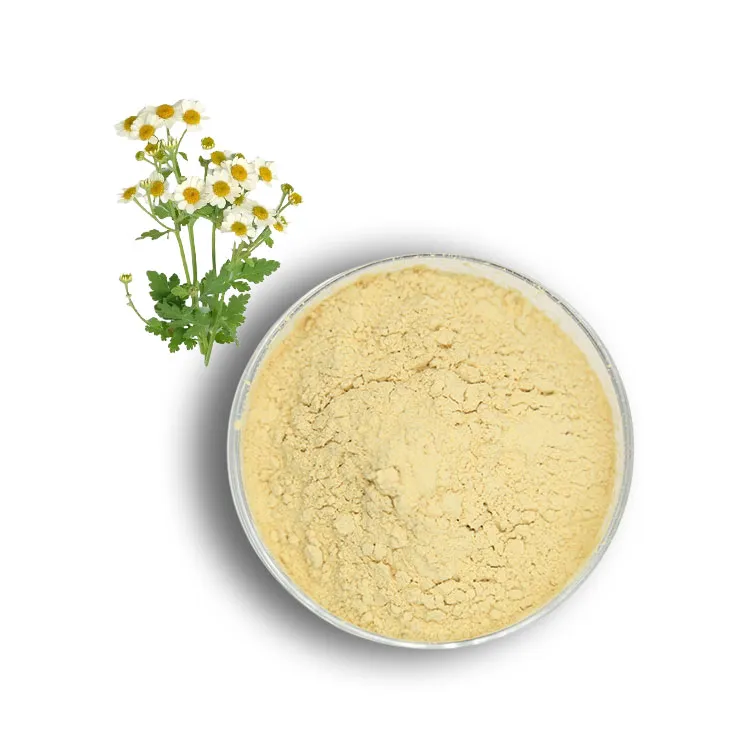
Feverfew Extract
2026-10-31
-
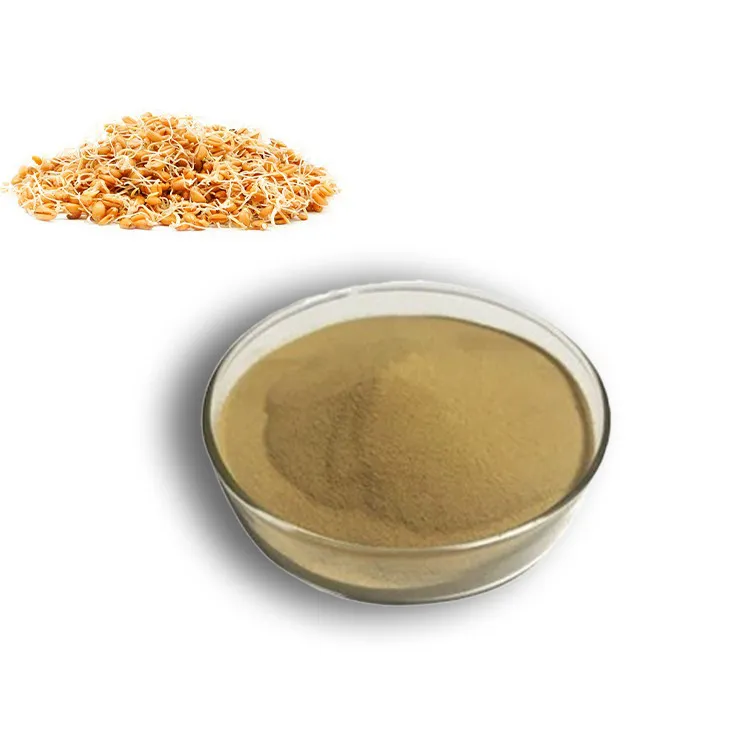
Wheat Germ Extract
2026-10-31
-
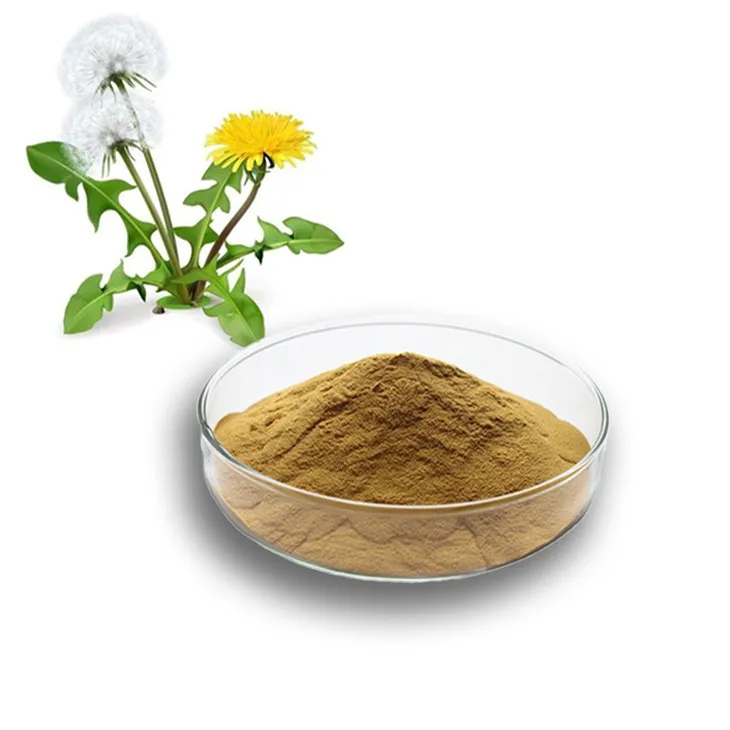
Dandelion Leaf Extract
2026-10-31
-
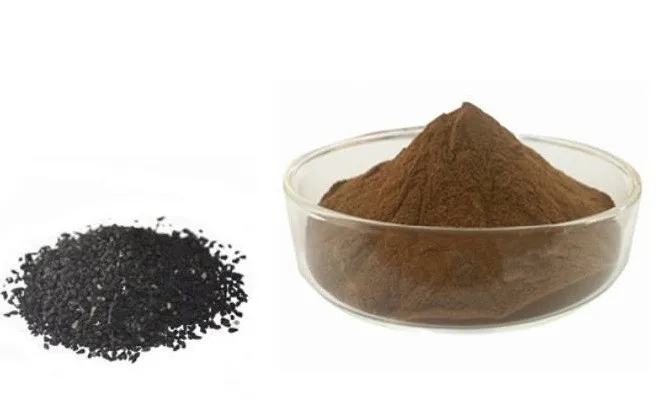
Black Seed Extract
2026-10-31
-
Green coffee bean Extract
2026-10-31
-
Almond Extract Powder
2026-10-31
-
Quercetin
2026-10-31
-
Uridine-5'-monophosphate Disodium salt
2026-10-31
-
Selenium yeast
2026-10-31
-
Sea buckthorn oil
2026-10-31