- 0086-571-85302990
- [email protected]




Berberis Extract Complete Guide: Berberine-Rich Botanical for Metabolic Health & Supplier Guide
2026-08-21
Meta Description: Discover everything about Berberis Extract (Berberis aristata / Berberis vulgaris) — the berberine-rich botanical for blood sugar management, metabolic health, and cardiovascular support. Premium berberis extract from Greensky Bio.
Meta Keywords: berberis extract, berberine extract, Berberis aristata, Indian barberry, barberry extract, blood sugar support, metabolic health supplement, natural AMPK activator, China berberis extract supplier, plant extract manufacturer
URL Slug: /plant_extract/berberis-extract-berberine-metabolic-health-complete-guide.html
Target Keywords:
Primary: "berberis extract", "berberine extract", "barberry root extract"
Secondary: "Berberis aristata Extract", "natural blood sugar support", "AMPK activator botanical"
Long-tail: "standardized berberis extract 97% berberine", "berberine HCl from Berberis vulgaris", "berberis root bark extract manufacturer"
1. Introduction
For centuries, the vivid yellow root and bark of Berberis species have been valued in Ayurvedic medicine, Traditional Chinese Medicine, and European herbal traditions for their remarkable therapeutic properties. The brilliant golden color of Berberis comes from berberine — a bright yellow isoquinoline alkaloid that modern science has identified as one of the most potent natural metabolic regulators known. Today, berberis extract (the natural botanical source of berberine) has emerged as a leading ingredient in the global metabolic health market, with growing demand driven by increasing awareness of blood sugar management and cardiovascular wellness.
Hangzhou Greensky Biological Tech Co., Ltd — a professional natural plant extract manufacturer established in 2004 — offers premium standardized berberis extract with verified berberine content, backed by ISO22000, BRCGS, Ecocert Organic, and SGS-GMP certifications.
2. What Is Berberis Extract?
Berberis extract is a concentrated preparation derived from the root, root bark, and stem of various Berberis species — most notably Berberis aristata (Indian Barberry) and Berberis vulgaris (European Barberry). The extract is prized for its high berberine content, along with a rich profile of supporting alkaloids and phytochemicals that contribute to its broad pharmacological activity.
2.1 Botanical Information
Item Details Latin Name Berberis aristata DC. (Indian Barberry); Berberis vulgaris L. (European Barberry); Berberis aquifolium (Oregon Grape) Family Berberidaceae Source Plant Deciduous or evergreen shrubs with distinctive yellow wood and root Primary Growing Regions Himalayan regions of India and Nepal (B. aristata); Europe, North Africa (B. vulgaris); North America (B. aquifolium) Extract Part Root, root bark, and stem (containing highest alkaloid concentration) Core Active Compounds Berberine (primary alkaloid), Palmatine, Jatrorrhizine, Columbamine, Oxyacanthine Key Biomarkers Total berberine content (HPLC), total alkaloids (titration), individual alkaloid profile
2.2 Available Specifications
Greensky Bio provides the following standardized berberis extract specifications:
Specification Berberine Content Application Berberis Extract 10:1 Standardized ratio Traditional herbal formulations, general wellness Berberis Extract 30% Berberine ≥ 30% Berberine (HPLC) Dietary supplements, nutraceutical formulations Berberis Extract 50% Berberine ≥ 50% Berberine (HPLC) Premium metabolic health supplements Berberine HCl (from Berberis) ≥ 97% Berberine HCl (HPLC) Clinical-grade supplements, pharmaceutical intermediates Berberis Full-Spectrum ≥ 15% Total Alkaloids (HPLC) Full-spectrum botanical formulations
2.3 Quality Specifications
Parameter Specification Appearance Yellow to yellowish-brown fine powder Odor Characteristic, mild Particle Size 95% pass 80 mesh Loss on Drying ≤ 5.0% Ash Content ≤ 5.0% Heavy Metals (Pb, As, Cd, Hg) Compliant with USP/EP standards Pesticide Residues Compliant with EU pharmacopoeia limits Microbial Limits TPC < 1,000 CFU/g; Yeast/Mold < 100 CFU/g; E. coli/Salmonella: Negative Solvent Residues Compliant with ICH Q3C guidelines
2.4 Certificate of Analysis
A representative COA is available upon request. Each batch undergoes rigorous testing including HPLC fingerprint analysis for berberine and co-alkaloid profiling, microbial screening, heavy metals, and pesticide residue testing.
2.5 Production Process
Raw Material Selection: Dried Berberis roots and root bark sourced from sustainably managed wild-harvest and cultivated sources, verified for species identity and alkaloid content.
Cleaning & Size Reduction: Roots are thoroughly cleaned, cut into small pieces, and milled to increase extraction surface area.
Acidified Water Extraction: Multi-stage extraction using dilute sulfuric acid or hydrochloric acid in water (pH 2–3) to convert berberine alkaloids into water-soluble salt forms for efficient extraction.
Filtration & Concentration: Multi-stage filtration to remove plant debris, followed by vacuum concentration.
Precipitation & Purification: Controlled pH adjustment and cooling to precipitate berberine salts, followed by recrystallization for high-purity specifications.
Salt Formation (for Berberine HCl): Treatment with hydrochloric acid to convert free berberine to berberine hydrochloride, followed by crystallization and drying.
Drying: Final powder production under GMP-compliant conditions.
Quality Control: Comprehensive HPLC analysis, microbial screening, heavy metals, and pesticide residue testing.
3. Core Health Benefits & Mechanisms of Action
3.1 Blood Sugar Management & Metabolic Health
Berberine is one of the most extensively researched natural compounds for metabolic health, with clinical evidence supporting its efficacy in blood sugar management.
AMPK activation: Berberine's primary mechanism of action is the activation of AMP-activated protein kinase (AMPK) — a master metabolic regulator often called the "metabolic switch." AMPK activation enhances glucose uptake in skeletal muscle and adipose tissue by promoting GLUT4 translocation to the cell membrane, independent of insulin signaling.
Hepatic glucose metabolism: Berberine suppresses hepatic gluconeogenesis by downregulating key enzymes (PEPCK, G6Pase) and activates glycolysis, reducing the liver's glucose output.
Clinical evidence: A landmark randomized controlled trial published in Metabolism (2008) comparing berberine (500 mg, 3×/day) with the pharmaceutical drug metformin (500 mg, 3×/day) found that berberine achieved comparable reductions in fasting blood glucose (from 7.0 to 5.6 mmol/L) and HbA1c (from 7.5% to 6.6%) in patients with type 2 diabetes. A subsequent meta-analysis in the Journal of Ethnopharmacology (2015) reviewing 27 clinical trials (n = 2,569) confirmed that berberine significantly lowered fasting blood glucose, postprandial glucose, and HbA1c.
Gut microbiota modulation: Emerging research published in Nature Medicine (2012) revealed that berberine's metabolic benefits are partially mediated through modulation of gut microbiota composition — reducing endotoxin-producing bacteria and increasing short-chain fatty acid production.
3.2 Cardiovascular Health & Lipid Management
Cholesterol regulation: Berberine upregulates LDL receptor (LDLR) expression in the liver by stabilizing LDLR mRNA, increasing the clearance of LDL cholesterol from the bloodstream. This mechanism is distinct from statins (which inhibit HMG-CoA reductase), making berberine complementary to statin therapy.
Triglyceride reduction: Berberine activates AMPK, which suppresses fatty acid synthesis by inhibiting acetyl-CoA carboxylase (ACC) and fatty acid synthase (FAS), leading to reduced triglyceride production.
Clinical evidence: A meta-analysis in Frontiers in Pharmacology (2020) reviewing 31 randomized controlled trials (n = 2,589) found that berberine supplementation significantly reduced total cholesterol (−0.61 mmol/L), LDL cholesterol (−0.65 mmol/L), and triglycerides (−0.36 mmol/L) compared to placebo.
Blood pressure support: Berberine promotes endothelial nitric oxide (NO) production and inhibits angiotensin-converting enzyme (ACE) activity, contributing to healthy blood pressure levels.
3.3 Anti-Inflammatory & Antioxidant Properties
NF-κB pathway inhibition: Berberine suppresses NF-κB activation, reducing the expression of pro-inflammatory cytokines (TNF-α, IL-1β, IL-6) — key drivers of chronic inflammation in metabolic syndrome.
Nrf2 pathway activation: Berberine activates the Nrf2 antioxidant pathway, upregulating endogenous antioxidant enzymes (SOD, CAT, GSH-Px) and protecting cells against oxidative damage.
Gut barrier protection: Berberine strengthens intestinal tight junction proteins (occludin, claudin-1, ZO-1), reducing intestinal permeability ("leaky gut") and the translocation of endotoxins (LPS) that drive systemic inflammation.
3.4 Gut Health & Microbiota Modulation
Broad-spectrum antimicrobial activity: Berberine exhibits activity against a range of pathogenic bacteria (including E. coli, Salmonella, Staphylococcus aureus, and H. pylori), protozoa (including Giardia lamblia and Entamoeba histolytica), and fungi (including Candida albicans).
Prebiotic-like effects: While suppressing pathogenic organisms, berberine simultaneously promotes the growth of beneficial bacteria such as Bifidobacterium and Lactobacillus species, supporting a healthy gut microbiome.
Anti-diarrheal effects: Traditional use of Berberis for diarrhea is supported by berberine's antimicrobial activity and its ability to reduce intestinal fluid secretion by inhibiting chloride channel activity.
3.5 Weight Management Support
Adipogenesis inhibition: Berberine inhibits the differentiation of pre-adipocytes into mature fat cells by suppressing PPARγ and C/EBPα — key transcription factors in adipogenesis.
Brown fat activation: Animal studies published in Phytomedicine (2016) demonstrated that berberine promotes the browning of white adipose tissue, increasing thermogenesis and energy expenditure.
Appetite modulation: Berberine influences gut hormone secretion (GLP-1, PYY), contributing to satiety signals and reduced food intake.
4. Wide-Ranging Application Areas
4.1 Dietary Supplements & Nutraceuticals
Blood sugar management formulas: Capsules and tablets targeting healthy glucose metabolism, often combined with chromium, alpha-lipoic acid, or gymnema sylvestre
Cardiovascular health supplements: Formulated for cholesterol management and heart health, frequently combined with red yeast rice, coenzyme Q10, or plant sterols
Metabolic wellness blends: Combined with berberine-enhancing agents such as milk thistle (silymarin inhibits P-glycoprotein, increasing berberine bioavailability), Black Pepper Extract (piperine), or dihydroberberine for enhanced absorption
Gut health products: Paired with probiotics, prebiotics, or digestive enzymes for comprehensive digestive support
4.2 Functional Foods & Beverages
Metabolic health drinks: Added to functional beverages targeting blood sugar management and weight wellness
Gut health tonics: Incorporated into traditional herbal tea blends and digestive wellness beverages
Health bars and snacks: Added to functional snacks positioned for metabolic health and weight management
4.3 Cosmetics & Personal Care
Anti-aging formulations: Berberine's antioxidant and anti-inflammatory properties protect skin cells against oxidative damage and support collagen production
Acne treatment products: Antimicrobial activity against Cutibacterium acnes (formerly P. acnes) makes berberine a natural alternative to synthetic antibiotics in acne formulations
Skin brightening: Emerging research suggests berberine inhibits melanogenesis by downregulating tyrosinase expression
4.4 Animal Nutrition & Veterinary Applications
Poultry growth promotion: Berberis extract as a natural antibiotic alternative in poultry feed, improving growth performance and gut health
Aquaculture health: Antimicrobial and immunomodulatory applications in fish and shrimp farming
Pet digestive supplements: Natural support for canine and feline digestive health
5. How to Choose High-Quality Berberis Extract
When sourcing berberis extract, several critical factors determine product quality, efficacy, and sustainability:
5.1 Species Identification & Alkaloid Profile
Different Berberis species have distinct alkaloid profiles. Berberis aristata (Indian Barberry) typically contains higher berberine levels alongside significant palmatine and jatrorrhizine, while Berberis vulgaris (European Barberry) may have a slightly different alkaloid ratio. Berberis aquifolium (Oregon Grape) is another commercial source with comparable berberine content. Reputable suppliers provide species identification and full alkaloid profile analysis.
5.2 Standardization & Berberine Content Verification
The berberine content should be quantified using validated HPLC methods and clearly stated on the certificate of analysis. Look for products standardized to specific berberine percentages (e.g., ≥ 97% berberine HCl for pharmaceutical-grade applications). Total alkaloid content by titration alone is insufficient for quality verification.
5.3 Sustainable Sourcing & Conservation
Many Berberis species face overharvesting pressure due to increasing global demand. Responsible suppliers source from sustainably managed cultivation programs rather than wild harvesting, and can provide documentation of sustainable sourcing practices. CITES regulations may apply to certain species — ensure full regulatory compliance.
5.4 Extraction Technology
The extraction method significantly impacts alkaloid recovery and purity:
Acidified water extraction efficiently extracts berberine salts but requires careful pH control
Ethanol extraction provides a cleaner extract with fewer water-soluble impurities
Multi-stage purification with crystallization is essential for high-purity berberine HCl specifications
Supercritical CO₂ extraction can be used for specific applications requiring solvent-free extracts
5.5 Bioavailability Enhancement
Berberine has inherently low oral bioavailability (~1%) due to poor intestinal absorption and rapid metabolism by intestinal CYP3A4 enzymes and P-glycoprotein efflux. When formulating berberis extract supplements, consider:
Combining with bioavailability enhancers such as silymarin (milk thistle), piperine (black pepper), or phospholipid complexes
Liposomal or phytosome formulations that enhance intestinal absorption
Dihydroberberine — a reduced form with significantly improved bioavailability
5.6 Third-Party Testing & Certifications
Reputable suppliers provide comprehensive documentation:
ISO22000 and HACCP food safety management certifications
BRCGS certification for global market access
Ecocert Organic certification for organic product lines
SGS-GMP certification for manufacturing quality
Independent third-party lab reports for identity, potency, and safety
6. About Greensky Bio — Your Trusted Berberis Extract Partner
As a professional natural plant extract manufacturer since 2004, Hangzhou Greensky Biological Tech Co., Ltd has established itself as a reliable global supplier of premium berberis extract. Our commitment to quality extends across every stage of production:
Our Advantages:
Verified raw materials sourced from sustainably managed Berberis cultivation programs
Multiple specifications available — from full-spectrum 10:1 extracts to 97% berberine HCl
Advanced extraction facilities with ISO22000, BRCGS, Ecocert Organic, and SGS-GMP certifications
In-house analytical laboratory with HPLC, UV-Vis, and microbiological testing capabilities
Customized specifications — we offer standard and custom formulations tailored to your application
Bioavailability expertise — our team can advise on formulation strategies to enhance berberine absorption
Stable supply chain with consistent production capacity and reliable delivery
Technical support — our team provides formulation guidance, regulatory documentation, and market insights
Free samples available for product evaluation and testing
7. Conclusion & Call to Action
Berberis extract represents one of the most scientifically validated natural ingredients for metabolic health — with robust clinical evidence supporting its role in blood sugar management, cholesterol regulation, cardiovascular protection, and gut health. As the global metabolic health market continues to expand (projected to exceed $50 billion by 2030), berberis extract and its key active compound berberine offer a compelling, clean-label solution for health-conscious consumers seeking natural alternatives to pharmaceutical interventions.
The key to a successful berberis product lies in sourcing from a supplier who can guarantee consistent berberine standardization, sustainable sourcing practices, and full regulatory compliance — and partnering with a team that understands the formulation science behind maximizing berberine's bioavailability.
Ready to explore how premium berberis extract can strengthen your metabolic health product line?
Contact Greensky Bio today to:
Request a free quote and current pricing
Obtain free samples for testing and evaluation
Access complete technical documentation including COA, TDS, and regulatory support files
Discuss custom specifications and bioavailability-enhanced formulations
Our experienced team is ready to provide technical support, market insights, and customized solutions to help you succeed in the growing botanical extracts market.
References:
Yin, J., et al. (2008). "Efficacy of berberine in patients with type 2 diabetes mellitus." Metabolism, 57(5), 712-717.
Lan, J., et al. (2015). "Meta-analysis of the efficacy and safety of berberine used for the treatment of type 2 diabetes." Journal of Ethnopharmacology, 170, 69-77.
Pirillo, A., & Catapano, A. L. (2015). "Berberine, a plant alkaloid with lipid- and glucose-lowering properties: From in vitro evidence to clinical studies." Atherosclerosis, 243(2), 449-455.
Wang, Y., et al. (2020). "Berberine for cardiovascular disease: A systematic review and meta-analysis of randomized controlled trials." Frontiers in Pharmacology, 11, 580.
Lee, Y. S., et al. (2006). "Berberine, a natural plant product, activates AMP-activated protein kinase with beneficial metabolic effects in diabetic and insulin-resistant states." Diabetes, 55(8), 2256-2264.
Brusq, J. M., et al. (2006). "Inhibition of lipid synthesis through activation of AMP kinase: An additional mechanism for the hypolipidemic effects of berberine." Journal of Lipid Research, 47(6), 1281-1288.
Zhang, H., et al. (2012). "Berberine reduces insulin resistance through protein kinase C-dependent down-regulation of intestinal P-glycoprotein expression." Nature Medicine, 18(3), 430-435.
Turner, R., et al. (2016). "Berberine promotes browning of white adipose tissue and increases energy expenditure." Phytomedicine, 23(11), 1151-1158.
Di Pierro, F., et al. (2015). "Clinical evaluation of the pharmacokinetics and efficacy of a new oral formulation of berberine." Minerva Gastroenterologica e Dietologica, 61(1), 1-8.
- ▶ Hesperidin
- ▶ Citrus Bioflavonoids
- ▶ Plant Extract
- ▶ lycopene
- ▶ Diosmin
- ▶ Grape seed extract
- ▶ Sea buckthorn Juice Powder
- ▶ Fruit Juice Powder
- ▶ Hops Extract
- ▶ Artichoke Extract
- ▶ Mushroom extract
- ▶ Astaxanthin
- ▶ Green Tea Extract
- ▶ Curcumin
- ▶ Horse Chestnut Extract
- ▶ Other Product
- ▶ Boswellia Serrata Extract
- ▶ Resveratrol
- ▶ Marigold Extract
- ▶ Grape Leaf Extract
- ▶ New Product
- ▶ Aminolevulinic acid
- ▶ Cranberry Extract
- ▶ Red Yeast Rice
- ▶ Red Wine Extract
- ▶ blog
-
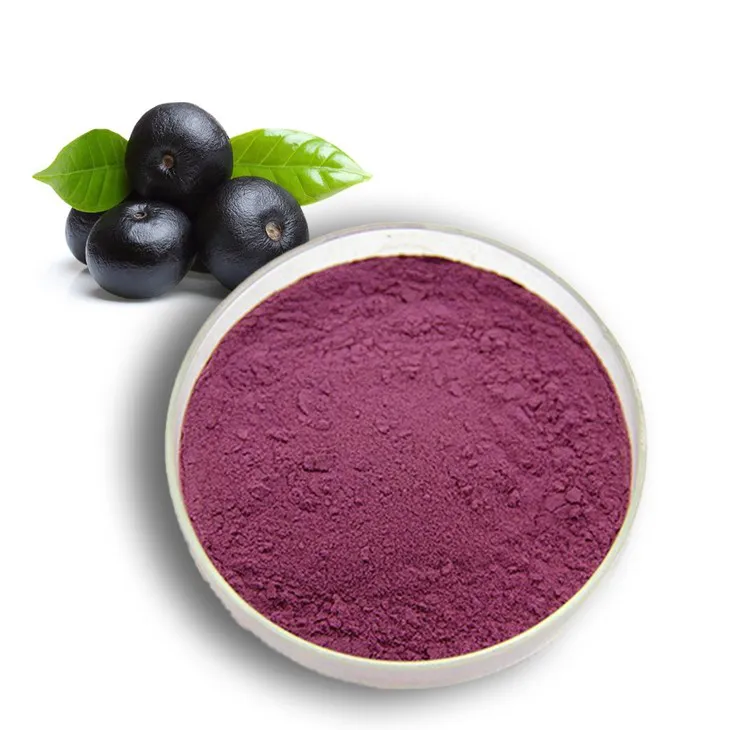
Acai Berry Extract
2026-08-21
-
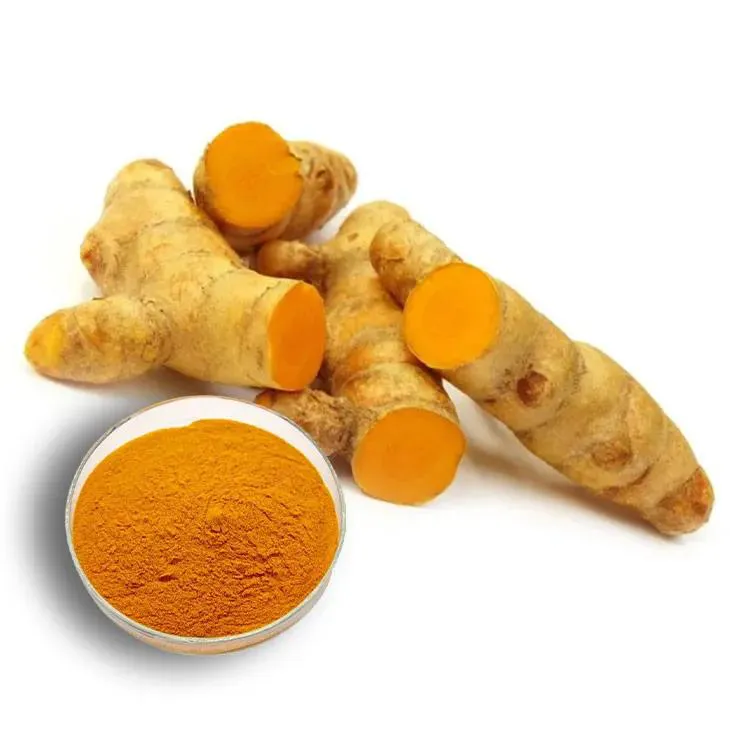
Curcumin
2026-08-21
-
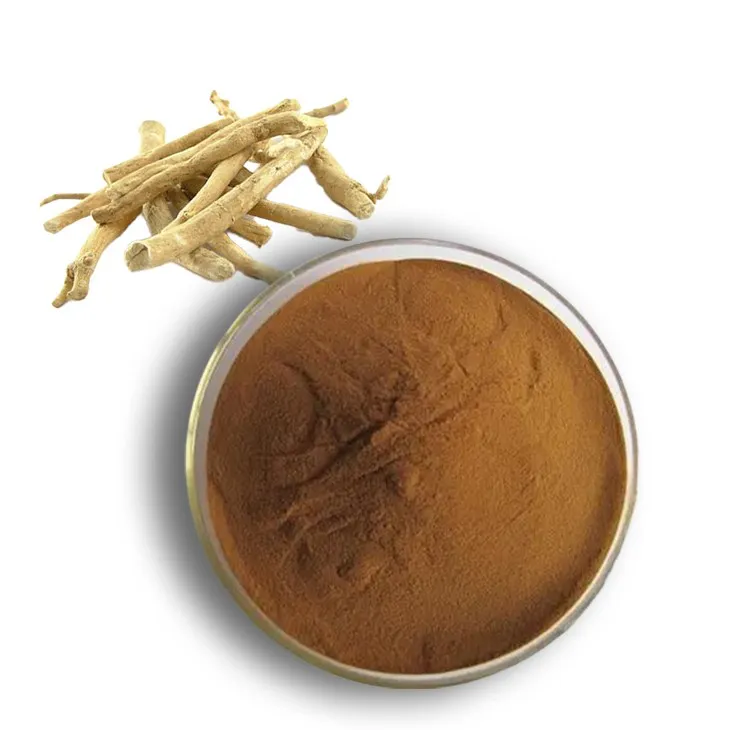
Withania Somnifera Extract
2026-08-21
-
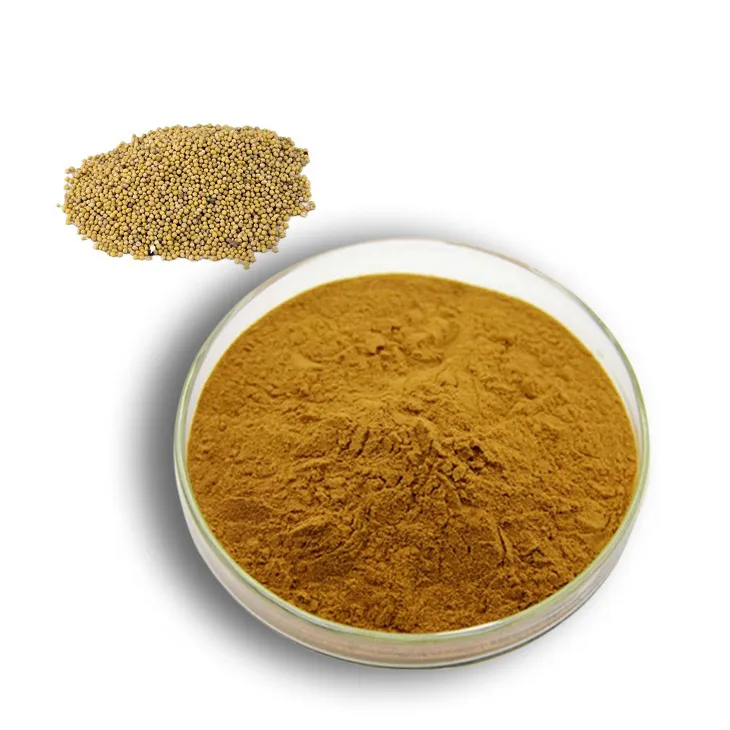
White mustard seed extract
2026-08-21
-
Resveratrol
2026-08-21
-
Phellodendron Extract
2026-08-21
-
Ginseng Root Extract
2026-08-21
-
Acerola Extract
2026-08-21
-
Sea buckthorn Juice Powder
2026-08-21
-
Oyster Mushroom Extract Powder
2026-08-21