- 0086-571-85302990
- [email protected]




Berberis Aristata Root Extract
2026-06-22
What Is Berberine Extract? Science-Backed Benefits, Dosage & B2B Sourcing Guide (2026)
Berberine is one of the most extensively researched plant-derived alkaloids in the natural health industry. Extracted from several botanical sources including Berberis vulgaris (barberry), Coptis chinensis (goldthread), Phellodendron amurense (Amur cork tree), and Hydrastis canadensis (goldenseal), berberine has demonstrated significant potential in supporting metabolic health, cardiovascular function, and glucose metabolism.
For supplement manufacturers, nutraceutical brands, and wellness companies seeking a premium, standardized berberine extract supplier, understanding the science, quality benchmarks, and sourcing considerations is essential. This comprehensive guide covers everything you need to know about berberine — from its pharmacological mechanisms to B2B procurement best practices.
The Science Behind Berberine: How It Works at the Molecular Level
Berberine is a yellow-colored isoquinoline alkaloid belonging to the protoberberine class. Its primary mechanism of action involves the activation of AMP-activated protein kinase (AMPK), a critical enzyme often referred to as the body's "metabolic master switch." AMPK plays a fundamental role in regulating cellular energy homeostasis, lipid metabolism, and glucose uptake.
Research published in journals such as Metabolism, Phytomedicine, and the Journal of Clinical Endocrinology & Metabolism has shown that berberine HCl can activate AMPK with efficacy comparable to certain pharmaceutical interventions, making it one of the most potent natural metabolic modulators available.
Key Pharmacological Mechanisms
AMPK Activation: Enhances glucose uptake in skeletal muscle and adipose tissue, improving insulin sensitivity.
GLUT4 Translocation: Promotes the movement of glucose transporter type 4 to cell membranes, facilitating cellular glucose uptake independent of insulin signaling.
Lipid Metabolism Regulation: Reduces hepatic lipogenesis by downregulating SREBP-1c and upregulating fatty acid oxidation.
Gut Microbiome Modulation: Alters gut bacterial composition, increasing short-chain fatty acid-producing bacteria and improving intestinal barrier function.
Anti-inflammatory Pathways: Inhibits NF-κB and COX-2 signaling, reducing systemic inflammatory markers.
Top Science-Backed Health Benefits of Berberine Extract
1. Blood Sugar Management and Insulin Sensitivity
The most well-documented benefit of berberine is its ability to support healthy blood glucose levels. Multiple clinical trials have demonstrated that berberine supplementation can reduce fasting blood glucose, postprandial glucose, and HbA1c levels. A meta-analysis of 27 randomized controlled trials found that berberine significantly improved glycemic control with an efficacy comparable to metformin in some studies.
For supplement formulators, this positions berberine HCl powder as a premier ingredient for metabolic health formulations targeting the growing population seeking natural glucose management support.
2. Cardiovascular Health and Lipid Profile Support
Berberine has been shown to positively influence cholesterol levels by reducing LDL cholesterol, total cholesterol, and triglycerides while supporting healthy HDL levels. It achieves this partly through upregulation of LDL receptor expression in the liver and inhibition of PCSK9, a protein that degrades LDL receptors.
These mechanisms make berberine an attractive ingredient for cardiovascular-focused nutraceutical products.
3. Weight Management Support
Through its effects on AMPK activation and adiponectin regulation, berberine may support healthy weight management. Studies suggest it can reduce body weight, BMI, and waist circumference when combined with lifestyle modifications, likely through improved metabolic efficiency and reduced adipose tissue inflammation.
4. Gut Health and Microbiome Balance
Emerging research indicates that berberine exerts prebiotic-like effects by selectively promoting beneficial gut bacteria such as Akkermansia muciniphila and Bifidobacterium species while inhibiting pathogenic organisms. This dual action makes berberine relevant for digestive health formulations.
5. Anti-Aging and Cellular Health
Berberine's ability to activate AMPK and sirtuin pathways (particularly SIRT1) has generated interest in the anti-aging and longevity supplement sector. By mimicking some effects of caloric restriction at the cellular level, berberine represents a promising ingredient for healthy aging product lines.
Berberine Extract Sources: Which Botanical Is Best?
Not all berberine is created equal. The botanical source significantly impacts the extract's alkaloid profile, purity, and bioavailability. Here's a comparison of the primary sources:
| Botanical Source | Berberine Content | Key Considerations |
|---|---|---|
| Berberis vulgaris (Barberry root/bark) | 5-10% | Traditional European source; sustainable harvesting |
| Coptis chinensis (Goldthread rhizome) | 5-8% | Traditional Chinese Medicine source; widely used in Asia |
| Phellodendron amurense (Amur cork bark) | 2-4% | Contains additional alkaloids (palmatine, jatrorrhizine) |
| Hydrastis canadensis (Goldenseal root) | 2-5% | At-risk species; sustainability concerns; higher cost |
For B2B berberine sourcing, Berberis vulgaris and Coptis chinensis are the most commonly used commercial sources due to their higher berberine content, established supply chains, and sustainability profiles.
Bioavailability Challenges and Solutions
One of the primary challenges with berberine supplementation is its low oral bioavailability. Berberine is a substrate for P-glycoprotein (P-gp) efflux pumps and undergoes extensive first-pass metabolism, resulting in poor systemic absorption.
Strategies to Enhance Berberine Bioavailability:
Phytosome Technology: Complexing berberine with phospholipids to improve intestinal absorption.
Piperine Co-administration: Adding Black Pepper Extract (piperine) to inhibit P-gp efflux and CYP enzyme metabolism.
Liposomal Formulations: Encapsulating berberine in lipid vesicles for enhanced delivery.
Microencapsulation: Using spray-drying or fluidized bed coating to protect berberine and improve dissolution.
Novel Salt Forms: Exploring berberine derivatives with improved solubility profiles.
As a plant extract manufacturer, understanding these formulation strategies is critical when developing berberine-based products for the market.
Quality Standards and Certifications for Berberine Extract
When sourcing berberine extract for commercial use, quality verification is paramount. Key certifications and testing standards include:
ISO 22000: Food safety management system certification
BRCGS: British Retail Consortium Global Standards for food safety
GMP Compliance: Good Manufacturing Practice certification ensuring consistent production quality
Halal & Kosher: Religious dietary compliance for global market access
Organic Certification (Ecocert): For organic-labeled berberine products
HPLC Testing: High-performance liquid chromatography for berberine content verification (standard: ≥97% berberine HCl)
Heavy Metal Testing: ICP-MS analysis for lead, arsenic, cadmium, and mercury
Microbiological Testing: Total plate count, yeast/mold, E. coli, Salmonella, and Staphylococcus
At GreenSky Bio, our berberine extract production adheres to ISO22000, BRCGS, and GMP standards in our 100,000-class clean area facility, ensuring every batch meets international quality requirements for the European, American, and Asian markets.
Recommended Dosage for Berberine Supplements
Based on clinical research, the most commonly studied and effective dosage range for berberine HCl is:
Standard Dosage: 500 mg, 2-3 times daily (total 1,000-1,500 mg/day)
For Metabolic Support: 500 mg three times daily, taken with meals
For General Wellness: 500 mg once or twice daily
It's recommended to split the total daily dose across multiple administrations due to berberine's short half-life (approximately 2-4 hours). Supplement formulators should consider this when designing capsule or tablet formulations.
Market Trends: Why Berberine Is a Strategic Ingredient for 2026
The global berberine market has experienced remarkable growth, driven by several converging trends:
Rising Metabolic Disorder Prevalence: Over 500 million adults worldwide have type 2 diabetes, and the demand for natural glucose management solutions continues to grow.
Clean Label Movement: Consumers increasingly seek plant-based alternatives to synthetic pharmaceuticals.
Scientific Validation: Over 3,000 peer-reviewed publications on berberine provide strong evidentiary support for marketing claims.
Longevity Market Expansion: The anti-aging and healthy aging supplement sector is projected to exceed $100 billion by 2030.
Personalized Nutrition: Berberine's multi-target mechanism makes it suitable for a wide range of health positioning strategies.
How to Choose a Reliable Berberine Extract Supplier
When evaluating berberine extract manufacturers, consider the following criteria:
Production Capacity: Can the supplier meet your volume requirements consistently?
Quality Certifications: ISO, BRCGS, GMP, Halal, Kosher — verify all relevant certifications.
Testing Capabilities: In-house laboratory with HPLC, UV, and GC equipment for batch testing.
Supply Chain Transparency: Traceable raw material sourcing from farm to finished extract.
Customization Capability: Ability to produce custom standardizations (e.g., 90%, 95%, 97% berberine HCl).
Regulatory Support: Documentation for FDA, EFSA, and other regulatory submissions.
GreenSky Bio, with over 20 years of experience in natural plant extract R&D and production, offers standardized berberine HCl extract (≥97%) from verified botanical sources. Our Jiangxi production facility operates at GMP standards with multiple extraction systems, enabling consistent supply for both small-scale formulators and large-volume buyers.
FAQ: Berberine Extract
Q: What is the difference between berberine and berberine HCl?
Berberine HCl (berberine hydrochloride) is the most common salt form used in supplements. It offers better stability, solubility, and standardization compared to free-base berberine. Most clinical studies use berberine HCl.
Q: Is berberine extract safe for long-term use?
Clinical studies of up to 2 years have shown berberine to be generally well-tolerated. The most common side effects are mild gastrointestinal discomfort, which typically resolves with dose adjustment. Consultation with a healthcare professional is recommended.
Q: Can berberine be combined with other ingredients?
Yes. Berberine is commonly formulated with cinnamon extract, chromium, alpha-lipoic acid, milk thistle, and resveratrol for synergistic metabolic health benefits. Our R&D team can assist with formulation compatibility testing.
Q: What forms of berberine products are available?
Berberine HCl is available as a fine yellow powder suitable for capsule filling, tablet compression, and liquid formulations. We also support custom encapsulation and private-label manufacturing.
Partner with GreenSky Bio for Premium Berberine Extract
As a professional natural plant extract manufacturer since 2004, GreenSky Bio provides berberine HCl extract with:
≥97% HPLC purity
Full COA and traceability documentation
ISO22000, BRCGS, GMP, Halal, and Kosher certifications
Flexible MOQ and custom standardization options
Technical support from our experienced R&D team
Whether you're developing a metabolic health supplement, cardiovascular support formula, or longevity product, our berberine extract delivers the quality and consistency your brand demands.
Contact us today to discuss your berberine extract requirements, request a sample, or schedule a technical consultation with our team.
- ▶ Hesperidin
- ▶ Citrus Bioflavonoids
- ▶ Plant Extract
- ▶ lycopene
- ▶ Diosmin
- ▶ Grape seed extract
- ▶ Sea buckthorn Juice Powder
- ▶ Fruit Juice Powder
- ▶ Hops Extract
- ▶ Artichoke Extract
- ▶ Mushroom extract
- ▶ Astaxanthin
- ▶ Green Tea Extract
- ▶ Curcumin
- ▶ Horse Chestnut Extract
- ▶ Other Product
- ▶ Boswellia Serrata Extract
- ▶ Resveratrol
- ▶ Marigold Extract
- ▶ Grape Leaf Extract
- ▶ New Product
- ▶ Aminolevulinic acid
- ▶ Cranberry Extract
- ▶ Red Yeast Rice
- ▶ Red Wine Extract
- ▶ blog
-
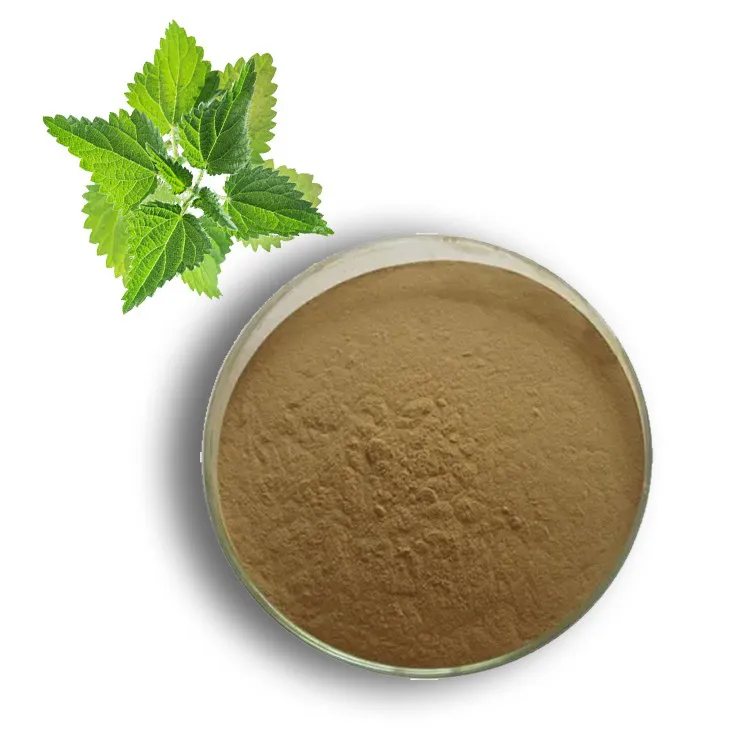
Nettle leaf extract
2026-06-22
-
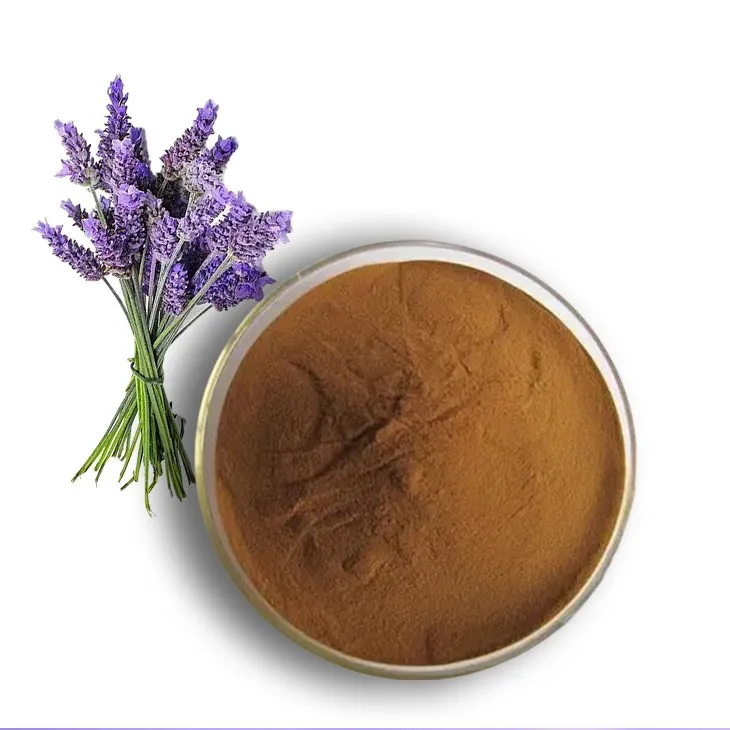
Lavender Extract
2026-06-22
-
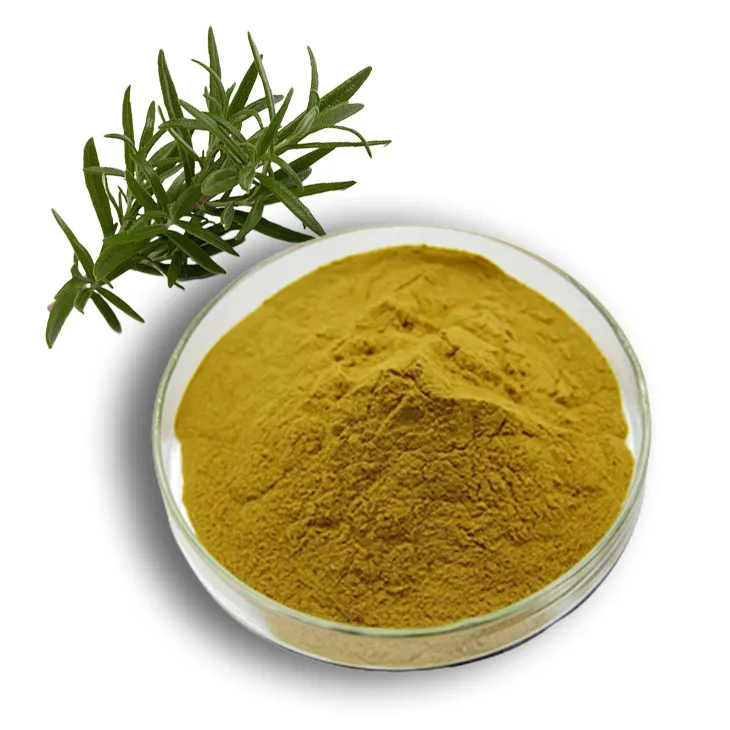
Rosemary extract
2026-06-22
-
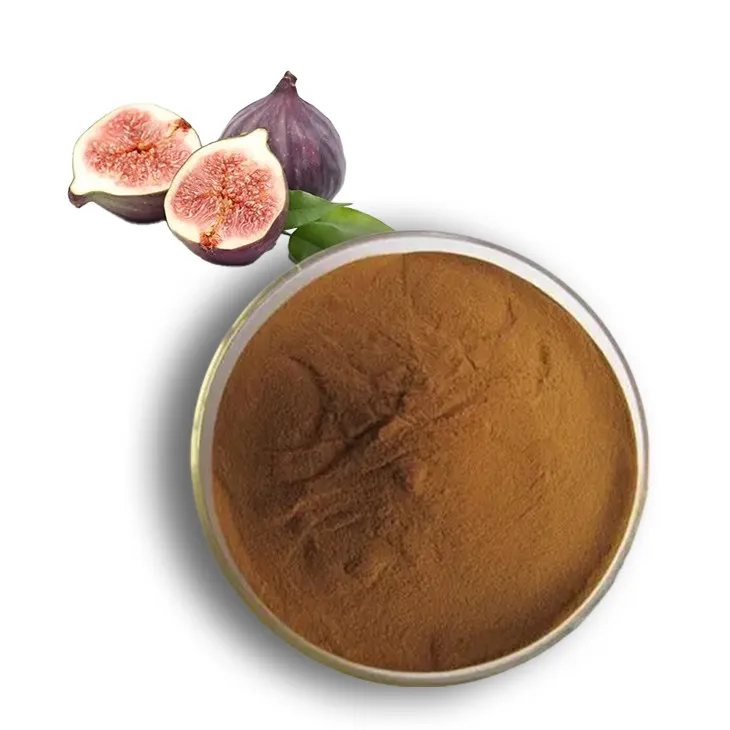
Fig Extract
2026-06-22
-
Yellow Pine Extract
2026-06-22
-
Stevia Extract
2026-06-22
-
Acai Berry Extract
2026-06-22
-
Hawthorn powder
2026-06-22
-
Honeysuckle Pollen
2026-06-22
-
Shikone Extract
2026-06-22