- 0086-571-85302990
- [email protected]




Green Tea Extract (EGCG): Complete Guide to Antioxidant Science, Weight Management & B2B Sourcing (2
2026-11-08
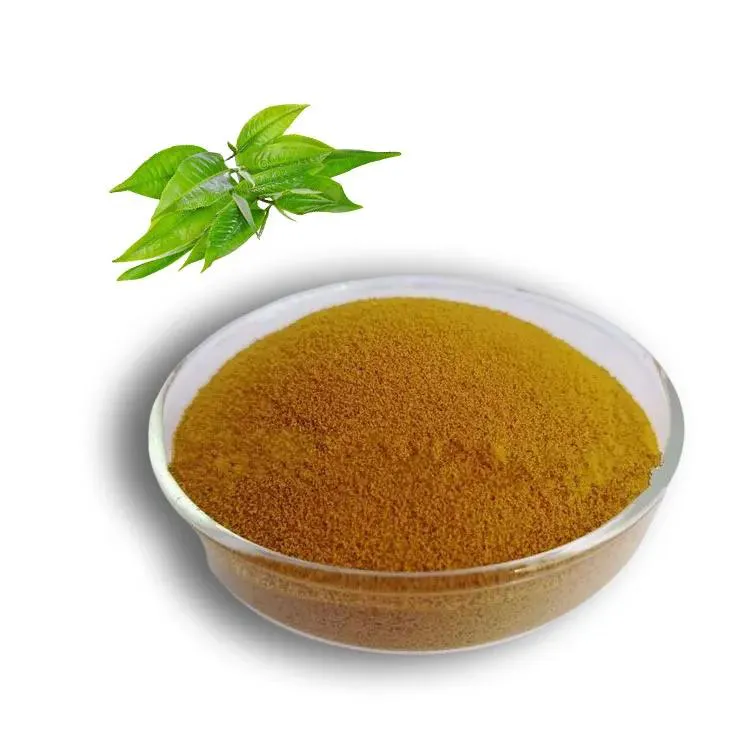
Table of Contents
What Is Green Tea Extract and Why Does EGCG Matter?
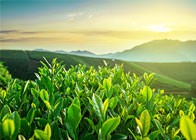
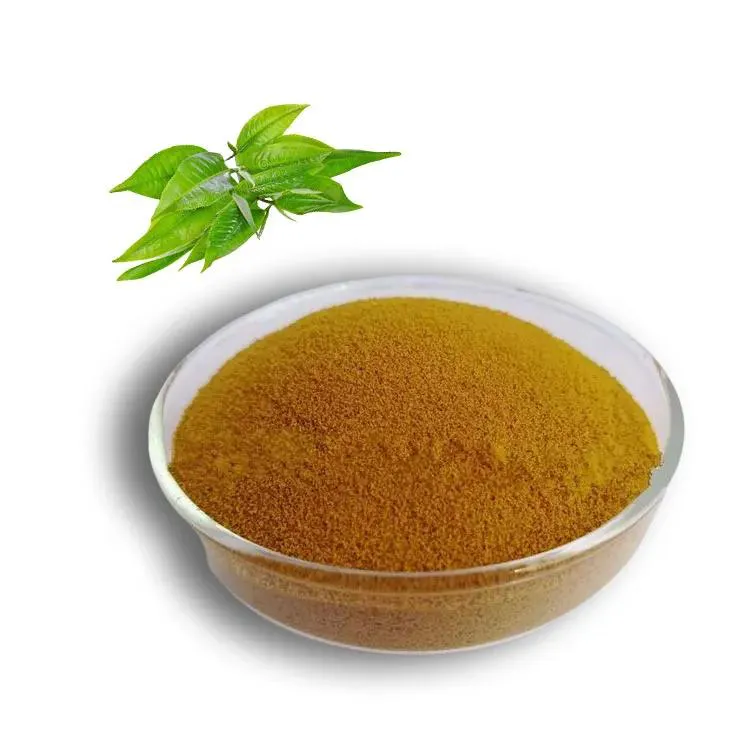
Green Tea Extract (GTE) is a concentrated botanical preparation derived from the leaves of Camellia sinensis, the same plant used to produce all traditional teas. Unlike black tea, green tea leaves are minimally oxidized during processing, preserving their rich content of polyphenolic compounds called catechins.
The most biologically active catechin in green tea is Epigallocatechin Gallate (EGCG), which accounts for 50–80% of total catechins and is responsible for the majority of green tea's scientifically validated health benefits. EGCG has been studied in over 3,000 peer-reviewed publications, making it one of the most researched dietary compounds in existence.
The global Green Tea Extract market is projected to reach USD 345 million by 2028, driven by demand in weight management supplements, energy drinks, and clean-label antioxidant formulations.
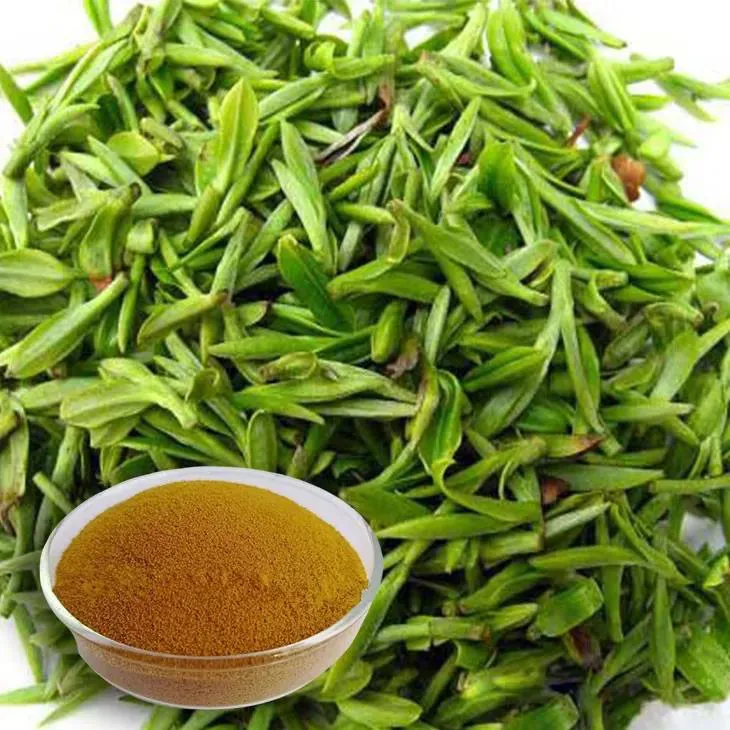
Key Active Compounds: Catechins, Caffeine, and L-Theanine
Compound Typical Content Key Functions EGCG 20–50% (standardized) Potent antioxidant, metabolic activator Epicatechin (EC) 5–15% Cardiovascular support, nitric oxide production Epigallocatechin (EGC) 5–15% Anti-inflammatory, skin protection Epicatechin Gallate (ECG) 3–10% Antiviral, metabolic support Caffeine 2–10% (varies by extract type) Energy, thermogenesis, focus L-Theanine 1–3% Calm alertness, GABA modulation
Common Standardization Levels:
98% Polyphenols / 50% EGCG — Premium supplement grade
50% Polyphenols / 20–25% EGCG — Standard supplement grade
Decaffeinated (98% polyphenols, <0.1% caffeine) — For caffeine-sensitive applications
Full-spectrum (naturally occurring ratios) — For whole-food supplement positioning
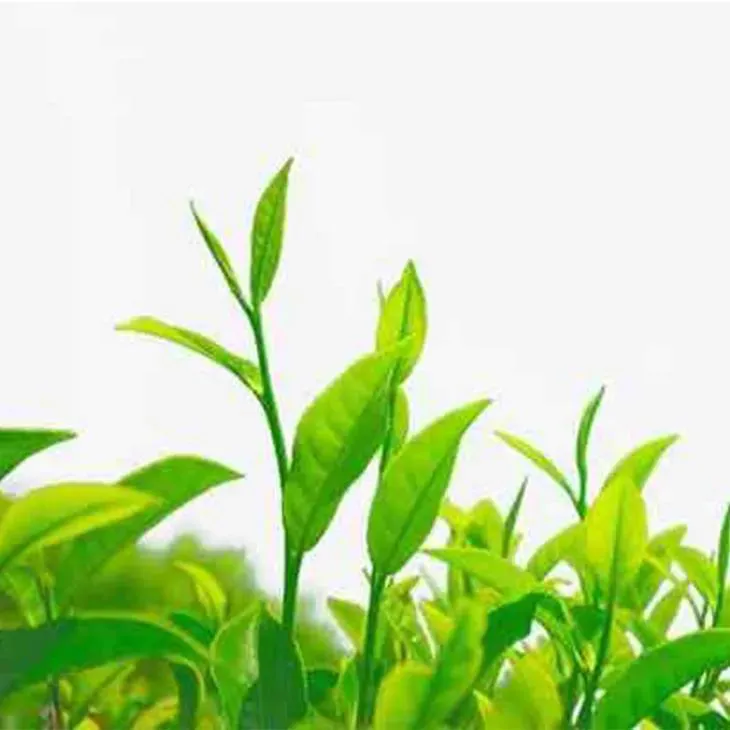
Clinical Evidence for Antioxidant and Cellular Protection
Antioxidant Potency
EGCG's antioxidant capacity is extraordinary:
ORAC value: approximately 1,000,000 µmol TE/100g — roughly 100x more potent than vitamins C and E
Scavenges reactive oxygen species (ROS) including superoxide anion, hydroxyl radical, and peroxynitrite
Chelates pro-oxidant metal ions (Fe²⁺, Cu²⁺), preventing Fenton reaction-mediated oxidative damage
DNA Protection
A study published in Carcinogenesis (2019) demonstrated that daily supplementation with 800 mg of green tea polyphenols reduced oxidative DNA damage (8-OHdG levels) by 31% in healthy adults over 8 weeks.
Skin Health and UV Protection
Research in the Journal of the American Academy of Dermatology (2021) showed that topical and oral green tea extract:
Reduced UV-induced erythema by 25–35%
Decreased collagen degradation by inhibiting matrix metalloproteinases (MMPs)
Improved skin elasticity and hydration in a 12-week clinical trial
Anti-Cancer Research (Preclinical)
While human clinical evidence is still developing, EGCG has demonstrated in vitro and in vivo activity against multiple cancer pathways including:
Inhibition of tumor cell proliferation via cell cycle arrest
Induction of apoptosis in malignant cells
Suppression of angiogenesis (VEGF inhibition)
Modulation of epigenetic mechanisms (DNMT inhibition)
Note: These findings are preclinical. Green tea extract should not be marketed as a cancer treatment.
EGCG and Weight Management: What the Science Shows
Thermogenesis and Fat Oxidation
The combination of EGCG and caffeine produces a synergistic thermogenic effect:
A landmark study in the American Journal of Clinical Nutrition (1999) showed that green tea extract increased 24-hour energy expenditure by 4% (approximately 80 kcal/day).
EGCG inhibits catechol-O-methyltransferase (COMT), the enzyme that breaks down norepinephrine, thereby extending the fat-burning signal.
A 2020 meta-analysis of 16 RCTs (n=1,052) found green tea extract supplementation produced a statistically significant reduction in body weight (-1.31 kg) and body fat percentage (-1.64%) over 12 weeks.
Exercise Performance Enhancement
Green tea extract taken before exercise has been shown to:
Increase fat oxidation during moderate-intensity exercise by 17–25% (Hodgson et al., 2013)
Improve endurance performance by sparing glycogen stores
Reduce exercise-induced oxidative stress
Visceral Fat Reduction
A Japanese RCT (n=240) published in Obesity (2009) found that daily consumption of catechin-rich green tea (583 mg EGCG) for 12 weeks reduced visceral fat area by 11.7 cm² compared to placebo, with no change in the placebo group.
Cardiovascular and Metabolic Benefits
Blood Pressure Management
A meta-analysis of 20 RCTs (n=1,485) published in Phytotherapy Research (2020) found green tea catechin supplementation significantly reduced:
Systolic blood pressure by -1.94 mmHg
Diastolic blood pressure by -1.68 mmHg
Lipid Profile Improvement
Green tea extract has consistently shown:
LDL cholesterol reduction: -3 to -6 mg/dL
Total cholesterol reduction: -5 to -10 mg/dL
No significant adverse effect on HDL cholesterol
Blood Glucose Regulation
A systematic review in Nutrients (2022) concluded that green tea extract modestly but significantly reduces fasting blood glucose (-2.8 mg/dL) and HbA1c (-0.14%) in individuals with pre-diabetes or Type 2 diabetes.
Cognitive Performance: EGCG and L-Theanine Synergy
The combination of L-theanine and caffeine naturally present in green tea extract produces a unique cognitive profile:
Improved attention accuracy — Demonstrated in multiple double-blind trials (Haskell et al., 2008)
Reduced task-induced fatigue — L-theanine increases alpha brain wave activity, associated with relaxed alertness
Working memory enhancement — EGCG's BDNF-upregulating properties may support long-term cognitive health
Safety Profile: Liver Health Considerations and Dosage Guidelines
Hepatotoxicity Risk
In rare cases, high-dose green tea extract supplements have been associated with hepatotoxicity:
The European Food Safety Authority (EFSA) concluded in 2018 that catechins from green tea infusions are generally safe, but supplements providing ≥800 mg EGCG/day may raise safety concerns.
The risk appears to be dose-dependent and primarily associated with supplements taken on an empty stomach.
Safe Usage Guidelines
Usage Recommended EGCG Dose Notes General antioxidant support 200–400 mg/day With food Weight management 300–600 mg/day Combined with caffeine, with food Sports performance 500–800 mg/day 30–60 min before exercise EFSA safety threshold ≤800 mg/day Do not exceed without medical supervision
Drug Interactions
Warfarin — Green tea extract may reduce anticoagulant efficacy (vitamin K content)
Stimulants — Additive effects with caffeine-containing products
Iron absorption — Catechins can reduce non-heme iron absorption; separate dosing by 2+ hours
Quality Markers: Evaluating Premium Green Tea Extract
Parameter Specification Test Method Total polyphenols ≥50% (UV) or ≥98% (HPLC) UV-Vis / HPLC EGCG content ≥20–50% HPLC Caffeine Specified per product type HPLC Pesticide residues Compliant with EU MRLs LC-MS/MS Heavy metals Pb < 1.0 ppm, As < 0.5 ppm ICP-MS Pyrrolizidine alkaloids (PAs) ND (not detected) LC-MS/MS Microbiological TPC < 1,000 CFU/g USP <61> Moisture < 5.0% Loss on drying Solvent residues Compliant with ICH Q3C GC-FID
Decaffeinated vs. Full-Spectrum: Choosing the Right Extract Type
Decaffeinated Green Tea Extract
Caffeine content: <0.1%
Best for: Evening supplements, caffeine-sensitive consumers, children's formulations
Process: Supercritical CO₂ or water-based decaffeination preserves catechin content
Typical profile: 98% polyphenols, 45–50% EGCG
Full-Spectrum Green Tea Extract
Retains natural caffeine (2–10%) and L-theanine
Best for: Energy supplements, pre-workout, nootropic formulations
Synergistic caffeine + EGCG + L-theanine profile
Typical profile: 50% polyphenols, 20–25% EGCG, 5–8% caffeine
Manufacturing Process and Certifications
Production Process
Raw Material Selection — Fresh Camellia sinensis leaves harvested at optimal maturity for maximum catechin content
Fixation (Kill-Green) — Heat treatment to deactivate oxidative enzymes and preserve catechins
Extraction — Hot water or ethanol extraction at controlled temperatures
Purification — Membrane filtration and/or resin column chromatography to concentrate polyphenols
Decaffeination (if applicable) — Supercritical CO₂ or ethyl acetate process
Standardization — Blending to target EGCG and polyphenol levels
Drying — Spray drying to produce standardized powder
Quality Control — Full panel testing per GMP standards
Key Certifications
ISO 22000 / HACCP — Food safety management
BRCGS — Global food safety certification
Ecocert Organic — Organic cultivation and processing
Kosher & Halal — Religious dietary compliance
SGS-GMP — Good Manufacturing Practice
B2B Sourcing from China: Greensky Bio's Advantage
China is the world's largest producer of Camellia sinensis and a leading manufacturer of green tea extract. However, quality varies significantly among suppliers.
Why Choose Greensky Bio
Hangzhou Greensky Biological Tech. Co., Ltd. brings over 20 years of plant extract expertise to green tea extract sourcing:
Certified Production — Our Jiangxi facility holds ISO 22000, BRCGS, Ecocert Organic, and SGS-GMP certifications
In-House Laboratory — Equipped with HPLC, GC-MS, UV, and ICP-MS for comprehensive quality testing
Flexible Standardization — We offer 50%, 80%, and 98% polyphenol extracts with specified EGCG levels
Decaffeination Capability — Supercritical CO₂ decaffeination preserving catechin integrity
Global Export Experience — Serving customers in Europe, the US, South Korea, and Russia
Competitive Pricing — Direct production capability with no intermediary markups
- ▶ Hesperidin
- ▶ Citrus Bioflavonoids
- ▶ Plant Extract
- ▶ lycopene
- ▶ Diosmin
- ▶ Grape seed extract
- ▶ Sea buckthorn Juice Powder
- ▶ Fruit Juice Powder
- ▶ Hops Extract
- ▶ Artichoke Extract
- ▶ Mushroom extract
- ▶ Astaxanthin
- ▶ Green Tea Extract
- ▶ Curcumin
- ▶ Horse Chestnut Extract
- ▶ Other Product
- ▶ Boswellia Serrata Extract
- ▶ Resveratrol
- ▶ Marigold Extract
- ▶ Grape Leaf Extract
- ▶ New Product
- ▶ Aminolevulinic acid
- ▶ Cranberry Extract
- ▶ Red Yeast Rice
- ▶ Red Wine Extract
- ▶ blog
-
Kelp Extract Powder
2026-11-08
-
Coconut Water Powder
2026-11-08
-
Hawthorn powder
2026-11-08
-
Red Vine Extract
2026-11-08
-
Kupilu Extract
2026-11-08
-
Green coffee bean Extract
2026-11-08
-
Reishi mushroom extract
2026-11-08
-
Pomegranate Extract
2026-11-08
-
Tongkat Ali Extract
2026-11-08
-
Oyster Mushroom Extract Powder
2026-11-08