- 0086-571-85302990
- [email protected]




Chinese Angelica
2026-03-31
Chinese Angelica Extract
Introduction
If you've ever explored traditional Chinese medicine or scanned the ingredient list on a high-end serum or women's health supplement, you've likely come across Chinese Angelica. Known for centuries as the "female ginseng," this humble root has quietly built a reputation that modern science is now enthusiastically validating. But here's the thing—not all Chinese Angelica extracts are created equal, and knowing what to look for makes all the difference between a product that simply sounds good on paper and one that actually delivers.
Part 1: What Exactly Is Chinese Angelica Extract?
Let's start with the basics—because honestly, even people who've used it for years sometimes don't know what's actually in that capsule or tincture.
The Plant Itself
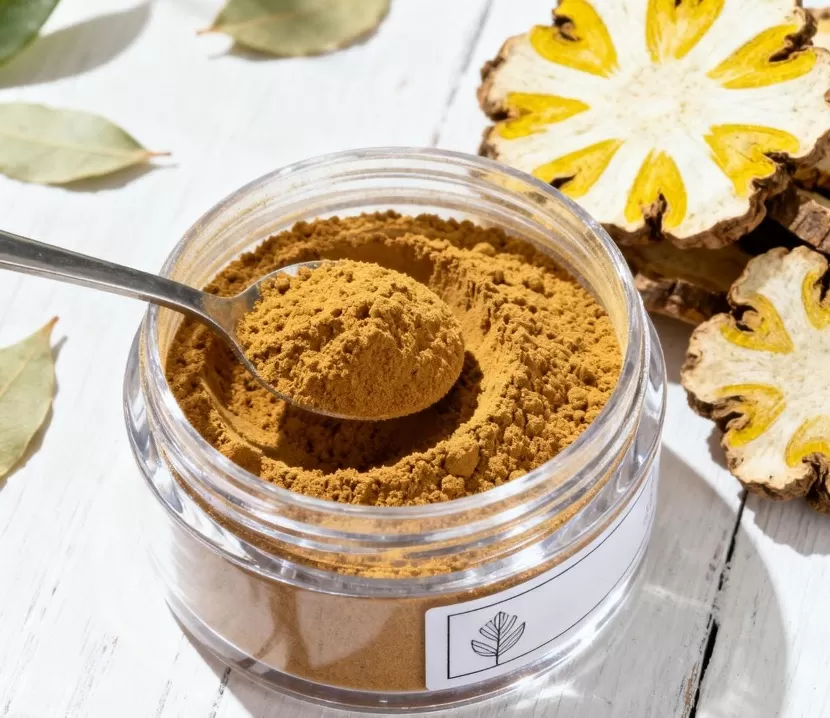
Chinese Angelica (Angelica sinensis (Oliv.) Diels) belongs to the Apiaceae family—the same botanical family that gives us carrots, celery, and parsley. It's a perennial herb native to China, with the highest quality roots traditionally cultivated in the Min County of Gansu province . The part used? The root. And within that knobby, aromatic root lies a complex chemistry that's kept researchers busy for decades.
What's Actually Inside?
When we talk about "extract," we're really talking about concentrating the good stuff. The key active compounds in Chinese Angelica root include:
1. Ferulic acid: The most studied phenolic compound and a potent antioxidant. This is actually one of the markers we use to standardize our extracts .
2. Z-Ligustilide: The primary volatile component that gives Angelica its characteristic aromatic odor .
3. Polysaccharides: Complex sugars that play a significant role in immune modulation .
4. Coumarins: Including compounds like senkyunolide A and butylphthalide .
Quality You Can Trust
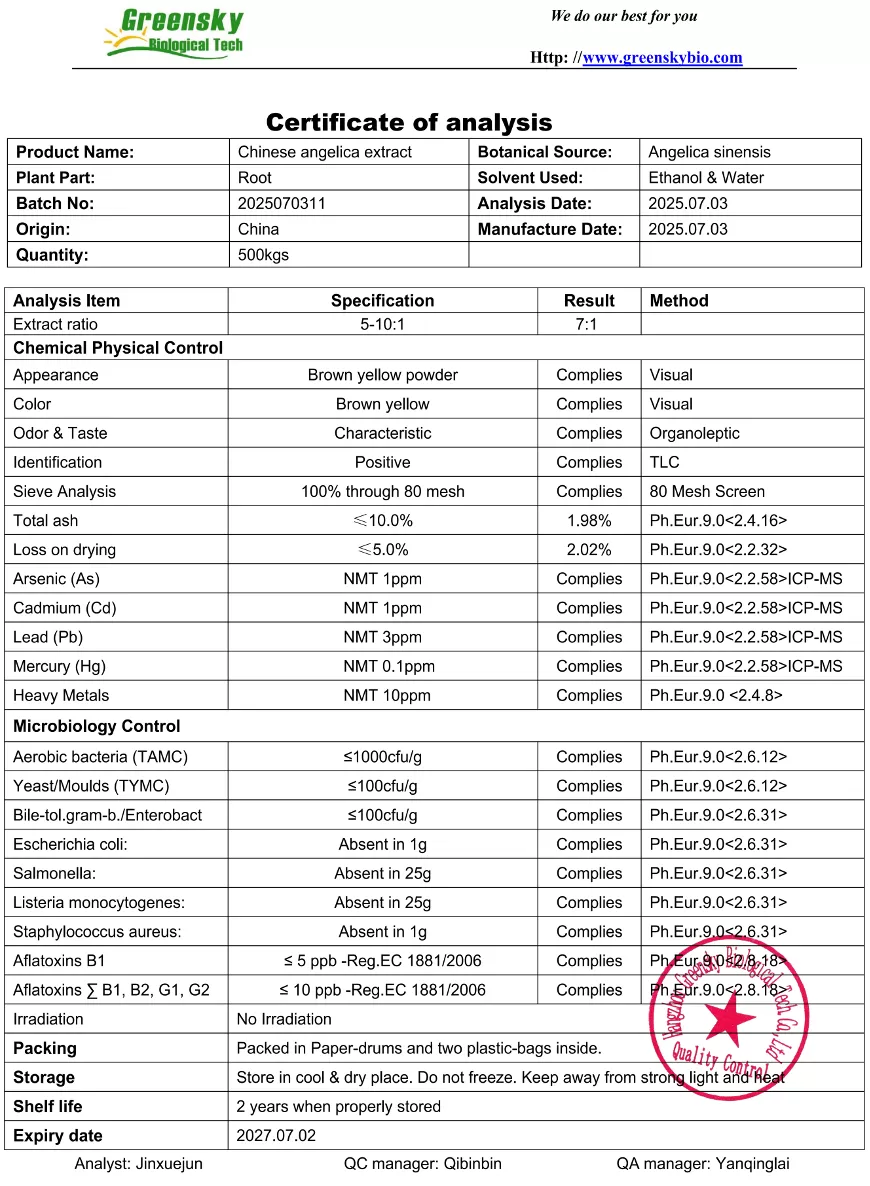
Every batch we ship comes with a Certificate of Analysis (COA) showing actual quantified levels of these marker compounds. We don't just tell you what should be in there—we prove what is in there. Our in-house HPLC and GC testing ensures consistency batch after batch, and we're happy to provide third-party confirmation upon request.
Part 2: What Does the Science Actually Say?
This is where it gets exciting. Traditional use is one thing—and frankly, 2,000 years of traditional use across multiple cultures should carry some weight. But modern researchers have been busy putting this ancient herb through its scientific paces.
1. Blood Health and Circulation
The traditional description of Angelica as a "blood tonic" turns out to be remarkably accurate. Research confirms that the combination of ferulic acid and ligustilide helps promote healthy blood circulation by inhibiting platelet aggregation and supporting microcirculation . This isn't just folklore—it's reproducible pharmacology.
2. Anti-Inflammatory Power
In a 2024 study published in the Journal of Ethnopharmacology, researchers demonstrated that Angelica sinensis extracts significantly reduced inflammatory markers including COX-2, PGE2, and TNF-α in animal models . The mechanism appears to involve the inhibition of NF-κB pathways—basically, it helps calm the inflammatory cascade at a fundamental level.
3. Antioxidant Protection
Here's something I find genuinely impressive: ferulic acid is a powerhouse antioxidant. It scavenges free radicals effectively and protects cells from oxidative damage. A 2025 study in Chinese Medicine and Natural Products highlighted that the combination of volatile oils, organic acids, and polysaccharides in Angelica creates a multi-layered antioxidant effect .
4. Emerging Research: Brain Health and Beyond
This next bit is relatively new and worth paying attention to. A 2025 investigation published in Natural Product Communications found that hydroalcoholic extracts of Angelica sinensis inhibited the self-aggregation of amyloid-beta fragments by an astonishing 87% . For context, amyloid-beta aggregation is one of the hallmark processes in Alzheimer's disease development. While this is early-stage research, it opens fascinating questions about the herb's neuroprotective potential.
5. Blood Sugar Regulation
Another exciting avenue: research published in 2024 suggests that coumarins isolated from Angelica roots may help modulate insulin secretion from pancreatic beta cells . The study, which appeared in the Journal of Ethnopharmacology, identified isoprenyl-substituted coumarins as key players in this insulinotropic effect. This could have implications for traditional use in metabolic health.
Part 3: Where Is Chinese Angelica Extract Used?
If you're wondering who actually buys this stuff and what they do with it, here's the breakdown:
6. Dietary Supplements
This remains the largest application. You'll find Chinese Angelica in:
1. Women's health formulations targeting menstrual comfort and menopausal support
2. Circulatory health products
3. Immune-support blends (often paired with Astragalus, as in the classic Danggui Buxue Tang formula)
1. Functional Foods and Beverages
The "food as medicine" trend has been good to Angelica. It appears in:
1. Herbal teas and tonics (particularly in Asian markets)
2. Functional soups and broths
3. Energy shots aimed at women's vitality
1. Cosmetics and Personal Care
This is actually a growing segment. Formulators love Angelica extract for:
1. Anti-aging serums (thanks to that ferulic acid content)
2. Brightening formulations (research shows tyrosinase inhibition activity)
3. Soothing products for sensitive or reactive skin
4. Scalp treatments aimed at healthy hair growth
1. Animal Health
Less discussed but significant: Angelica extract is increasingly used in veterinary supplements and livestock feed additives, primarily for its immune-modulating and antioxidant properties.
Part 4: How to Spot Quality Chinese Angelica Extract
Here's the honest truth: the market is full of Angelica products that range from mediocre to completely useless. If you're sourcing for your own brand or formulation, here's what separates the good from the not-so-good.
Species Matters—A Lot
This is surprisingly often overlooked. There are multiple Angelica species used commercially: Angelica sinensis (Chinese), Angelica gigas (Korean), and Angelica acutiloba (Japanese). They have different chemical profiles and different potencies . Make sure you're getting A. sinensis if that's what your formulation calls for. We source exclusively from Gansu province, the traditional premium growing region.
Standardization Isn't Optional
If a supplier can't tell you the concentration of ferulic acid or ligustilide in their extract, walk away. Period. Reproducible pharmacology requires reproducible chemistry. Our extracts are tested and standardized so you know exactly what you're working with.
Extraction Method Matters
Traditional water extraction pulls out different compounds than ethanol or CO2 extraction. Water extracts are rich in polysaccharides. Ethanol extracts capture more of the volatile oils and lipophilic compounds. CO2 supercritical extraction offers the cleanest profile for certain applications. There's no "best" method—it depends on your target application. We offer multiple extraction options and can guide you to the right one for your product.
Third-Party Testing
Anyone can print a COA. We provide actual chromatograms and testing data from accredited laboratories. If you want to audit our facility or review our quality protocols, you're welcome to.
Sustainability and Sourcing
Wild Angelica populations face pressure. We work with cultivated sources and sustainable farming operations. Good for the planet, good for supply chain stability.
Part 5: Who We Are and Why It Matters
Look, there are dozens of companies selling Chinese Angelica extract. So why talk to us?
We've been focused on botanical extracts for over a decade. Chinese Angelica isn't a sideline for us—it's one of our core products, and we've invested serious time in understanding it. Our team includes people who've studied the herb both traditionally and scientifically. We don't just move inventory; we actually know what we're selling.
What This Means for You:
2. Consistency: Every batch matches the last. No formulation headaches.
3. Traceability: We know where every root came from.
4. Flexibility: Need a specific particle size? A particular carrier? A custom blend? We can do that.
5. Support: Questions about dosage, formulation, or regulatory status? Our technical team actually responds.
We're not the biggest supplier out there. But we try to be the most reliable one.
Conclusion: Why Chinese Angelica Deserves a Spot in Your Product Line
Whether you're formulating a women's health supplement, developing a clean-beauty skincare line, or researching botanical actives for functional foods, Chinese Angelica extract offers something genuinely valuable. It's an ingredient with deep traditional roots and increasingly robust scientific validation. Anti-inflammatory, antioxidant, circulation-supporting, and potentially neuroprotective—that's a lot of versatility from one root.
The key is sourcing it right. Species, standardization, testing, and sustainability all matter.
If you're curious about whether Chinese Angelica extract fits your next project—or if you just want to geek out over HPLC chromatograms and coumarin profiles—reach out. Our team is happy to provide samples, share technical data, or brainstorm formulation approaches.
Ready to see what quality Chinese Angelica extract can do for your products? Contact us today for pricing, free samples, or a chat with our technical team. We're here to help you get it right.
Your success is our growth. Let's build something great together.
References
1. Zhang WL, Zheng KYZ, Zhu KY, et al. Chemical and Biological Assessment of Angelica Roots from Different Cultivated Regions in a Chinese Herbal Decoction Danggui Buxue Tang. Evid Based Complement Alternat Med. 2013;2013:483286. [PMC3576791]
2. Patyra A, Vaillé J, Omhmmed S, et al. Pharmacological and phytochemical insights on the pancreatic β-cell modulation by Angelica L. roots. J Ethnopharmacol. 2024;329:118133.
3. Zhang M, Geng W, Guan X, Gao S, Mao J. Antioxidant and anti-inflammatory effects of different ratios and preparations of Angelica sinensis and chuanxiong rhizoma extracts. J Ethnopharmacol. 2024;331:118858.
4. 林好, 陈圻宇, 龙智鹏, 肖海鸿. 当归牡丹皮提取物的抗氧化活性及功效评价研究. 中国食品添加剂. 2024;(6):34-40.
5. Suresh H, Low M, Jarouche M, et al. The chemical and pharmacological variability of key bio-actives present in commercially available Angelica sinensis, Glycyrrhiza uralensis and Rhodiola rosea samples. Pharm Anal Acta. 2018;9(10):1000596.
6. Zhang WL, Zheng KYZ, Zhu KY, et al. Chemical and Biological Assessment of Angelica Roots from Different Cultivated Regions in a Chinese Herbal Decoction Danggui Buxue Tang. Evid Based Complement Alternat Med. 2013;2013:1-10.
7. Wu J, Zhang J, Tong F, Yu H. Chemical Composition, Pharmacological Effects, and Clinical Applications of Danggui (Angelicae Sinensis Radix). Chin Med Nat Prod. 2025;05(04):e199-e205.
8. Bangar NS, Ganapathy A A, Al-Anazi KM, et al. Unravelling Anti-Glycation, Anti-Amyloid, Anti-Inflammatory, and Antioxidant Properties of Selected Medicinal Plant Extracts: A Multifaceted Novel Anti-Aging Approach. Nat Prod Commun. 2025;18(8).
9. Xi Jun-zuan, Qian Yi-yun, Duan Jin-ao, et al. Quality control of Angelica sinensis with standard reference extract. China J Chin Mater Med. 2014;39(19):3803-3807.
10. Susan Love MD. Dong Quai [Internet]. Available from: https://www.susanlovemd.com/takecharge/alternatives/herbs/meno_herbs/dong_quai.htm
TEST REPORT
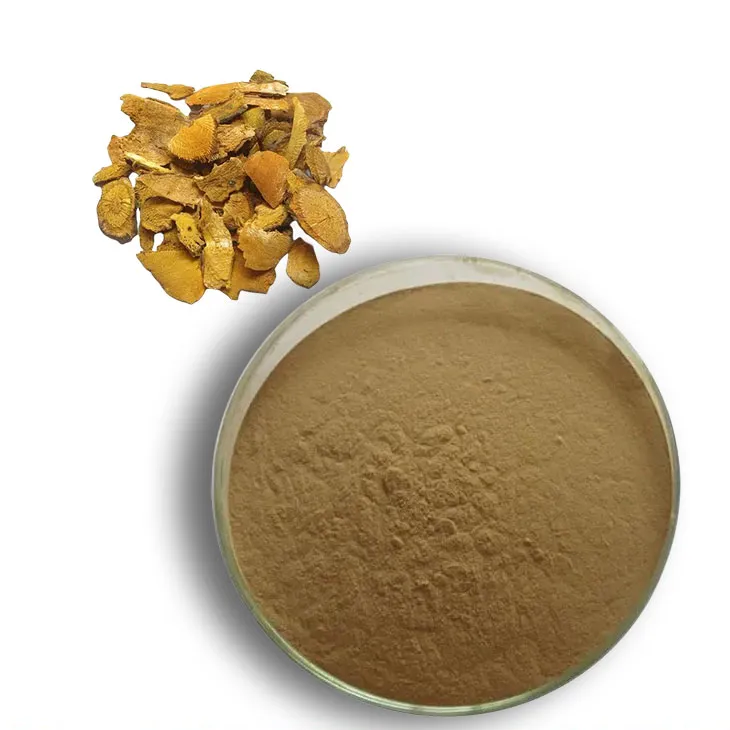
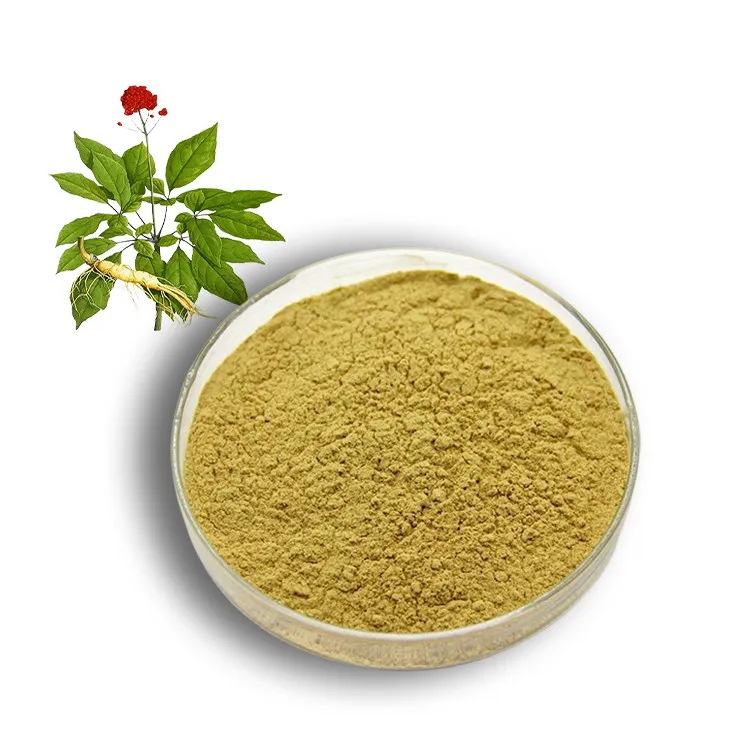
- ▶ Hesperidin
- ▶ Citrus Bioflavonoids
- ▶ Plant Extract
- ▶ lycopene
- ▶ Diosmin
- ▶ Grape seed extract
- ▶ Sea buckthorn Juice Powder
- ▶ Fruit Juice Powder
- ▶ Hops Extract
- ▶ Artichoke Extract
- ▶ Mushroom extract
- ▶ Astaxanthin
- ▶ Green Tea Extract
- ▶ Curcumin
- ▶ Horse Chestnut Extract
- ▶ Other Product
- ▶ Boswellia Serrata Extract
- ▶ Resveratrol
- ▶ Marigold Extract
- ▶ Grape Leaf Extract
- ▶ New Product
- ▶ Aminolevulinic acid
- ▶ Cranberry Extract
- ▶ Red Yeast Rice
- ▶ Red Wine Extract
- ▶ blog
-
Cayenne Pepper Extract
2026-03-31
-
Avocado Extract Powder
2026-03-31
-
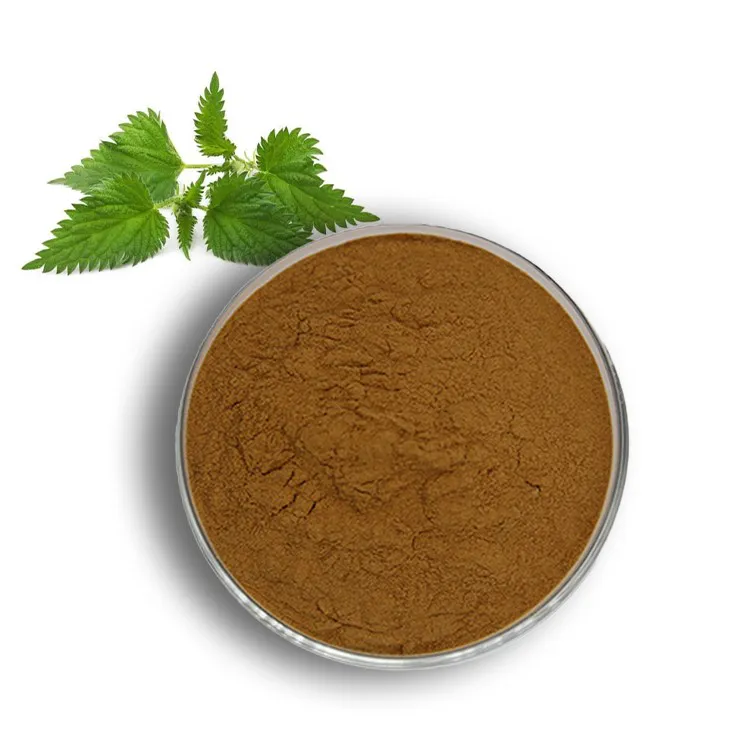
Nettle Root Extract
2026-03-31
-
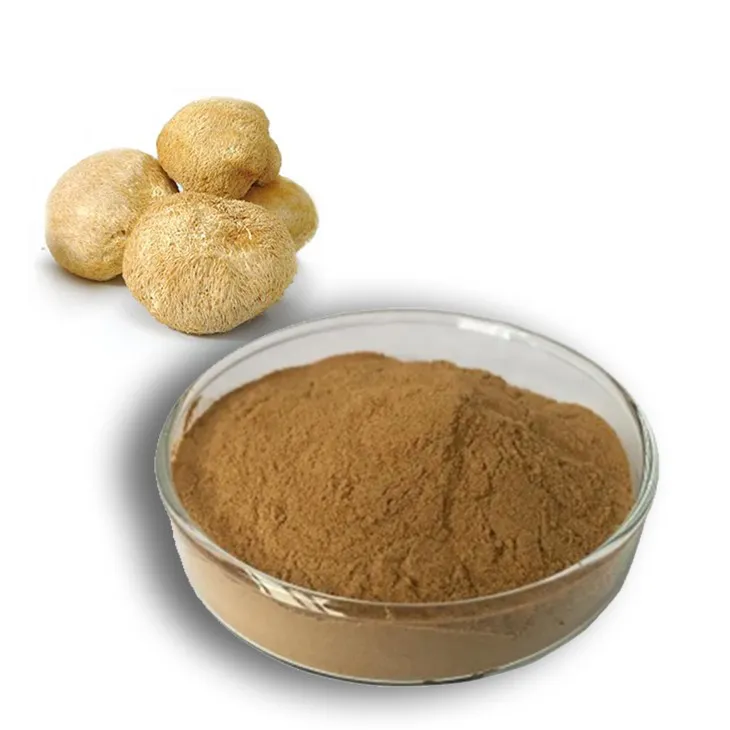
Hericium erinaceus extract powder
2026-03-31
-
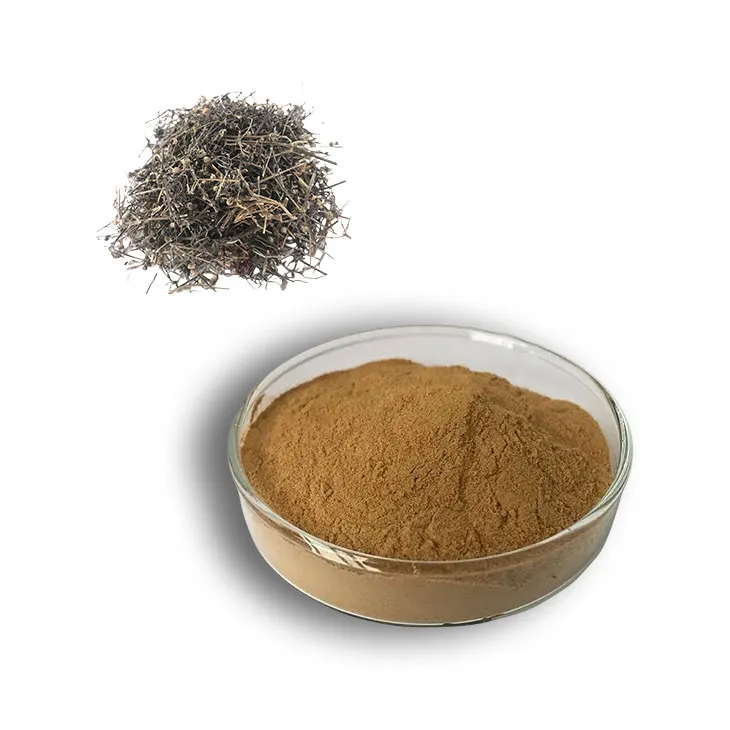
Hedyotis Diffusa Extract
2026-03-31
-
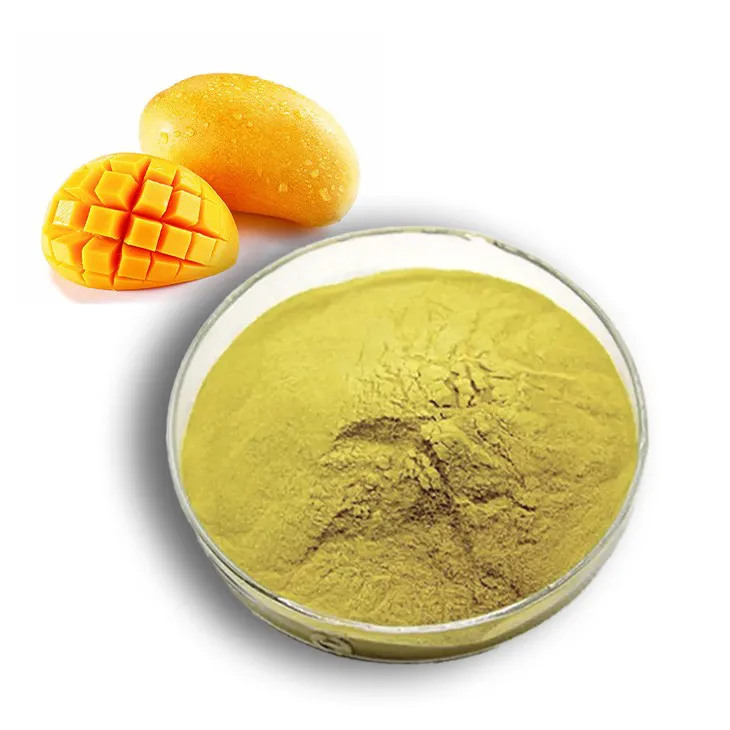
Mango flavored powder
2026-03-31
-
Curcumin
2026-03-31
-
White Peony Extract
2026-03-31
-
Purple Sweet Potato Extract
2026-03-31
-
Citrus bioflavonoids
2026-03-31