- 0086-571-85302990
- [email protected]





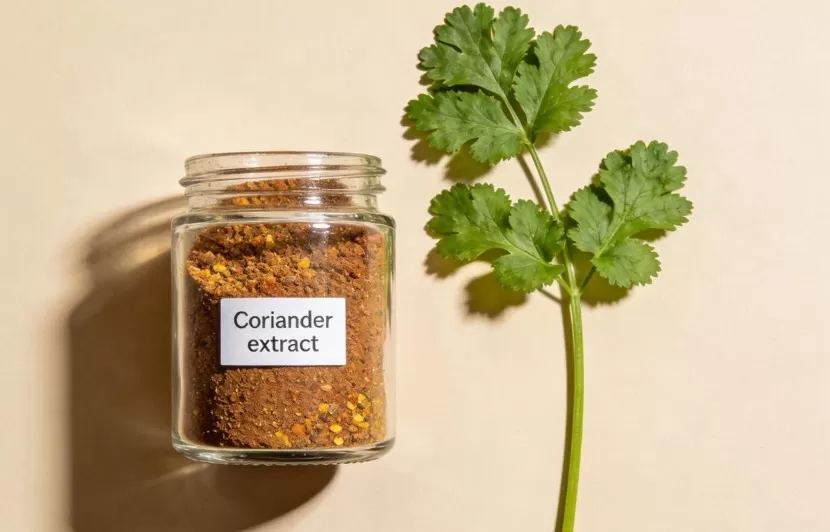
Coriander Extract
2026-03-26
Coriander Extract
1.Introduction
If you have ever wondered whether that humble bunch of cilantro sitting in your kitchen does more than just make your salsa taste fresh—you are about to find out. For centuries, coriander has been used across cultures to aid digestion and add flavor to meals, but modern science is now revealing something remarkable: the extract derived from this plant is a powerhouse of bioactive compounds with serious therapeutic potential .
Part 1: What Is Coriander Extract?
Let us start with the basics. Coriander extract is derived from Coriandrum sativum L., a member of the Apiaceae (carrot) family—the same botanical family that gives us parsley, fennel, and caraway . Native to the Mediterranean region but now cultivated worldwide, this annual herb has been part of human history for nearly 3000 years, with references found in ancient Egyptian papyri .
Plant Source and Extraction
1. Latin name: Coriandrum sativum L.
2. Common names: Coriander (seeds), Cilantro (leaves)
3. Primary growing regions: Asia (highest diversity), Europe, Africa, Ethiopia, India
4. · Parts used: Both aerial parts (leaves, stems) and roots contain valuable compounds, though leaves are the focus for most nutritional applications
Key Active Components
Here is where things get interesting from a technical perspective. The biological activity of coriander extract comes from a complex mixture of phytochemicals:
5. Leaves: Rich in (E)-2-Decenal, (E)-2-Dodecenal, Linalool, Decanol, and various flavonoids including kaempferol, Quercetin, and myricetin
6. Seeds: High in Linalool (the dominant compound), Geranyl acetate, Limonene, Camphor, and Geraniol
7. Phenolic compounds: Chlorogenic acid, gallic acid, and caffeic acid derivatives contribute significantly to antioxidant capacity
Our Standard Specifications
We offer coriander extract in multiple formats to suit different applications:
8. Coriander Leaf Extract Powder: Standardized to polyphenols (≥5% by HPLC)
9. Coriander Seed Extract: Standardized to linalool (≥2%)
10. Organic Coriander Extract: Available upon request with full traceability
11. Custom ratios: We can work with you to develop bespoke formulations
Quality You Can Trust
Every batch we ship comes with a full Certificate of Analysis (COA) that includes:
12. Identification by HPTLC fingerprint
13. Active compound quantification by HPLC/GC-MS
14. Heavy metals testing (meets pharmacopeial limits)
15. Microbial screening (total plate count, pathogens)
16. Pesticide residue analysis (none detected)
17. Aflatoxin testing (negative)
We follow Good Agricultural and Collection Practices (GACP) and maintain full supply chain transparency from seed to finished extract.
Part 2: Core Benefits and Mechanism of Action
This is where the science gets exciting. Coriander extract is not just a "feel-good" herb—it has documented pharmacological effects that make it valuable for functional foods, supplements, and cosmeceuticals.
1. Potent Antioxidant Activity
Coriander extract demonstrates significant free radical scavenging capacity. Research shows that the ethyl acetate extract of coriander roots exhibits the highest phenolic content and DPPH radical scavenging activity among various plant parts . The mechanism? Phenolic compounds donate hydrogen atoms to neutralize reactive oxygen species, protecting cells from oxidative damage.
A 2023 study identified 49 bioactive compounds in coriander—including 17 flavonoids—that contribute to its antioxidant defense system . These compounds work synergistically to combat oxidative stress, which is implicated in aging, inflammation, and chronic disease.
2. DNA Protection and Cancer Cell Migration Inhibition
Here is a finding that deserves attention: coriander root extract has been shown to protect against DNA damage induced by hydrogen peroxide in fibroblast cells . Even more compelling? The same study demonstrated that coriander extract prevents MCF-7 breast cancer cell migration—suggesting potential in inhibiting metastasis.
The proposed mechanism involves modulation of antioxidant enzymes (catalase, superoxide dismutase, glutathione peroxidase) and induction of apoptosis through both death receptor and mitochondrial pathways .
3. Anti-Inflammatory Effects
Inflammation is at the root of most modern diseases, and coriander extract appears to help calm that fire. The polyphenols in coriander—particularly flavonoids like Quercetin and kaempferol—inhibit pro-inflammatory mediators . Network pharmacology analyses reveal that coriander's bioactive compounds target multiple pathways involved in inflammatory response .
4. Metabolic Health Support
Coriander extract shows promise in addressing components of metabolic syndrome. A 2023 review highlighted that coriander polyphenols may offer protective effects against obesity, diabetes, and related inflammatory conditions . Key mechanisms include:
18. Improving insulin sensitivity
19. Modulating lipid metabolism
20. Reducing oxidative stress in pancreatic tissues
21. Inhibiting digestive enzymes involved in carbohydrate absorption
5. Antimicrobial Properties
Both essential oil and extracts of coriander exhibit antimicrobial activity against a range of pathogens. The compounds (E)-2-decenal and (E)-2-dodecenal are particularly effective against bacteria and fungi . This makes coriander extract valuable for food preservation applications and as a natural alternative to synthetic antimicrobials.
6. Anxiolytic and Neuroprotective Effects
Traditional use of coriander for nervous system support is now backed by emerging research. Compounds in coriander have demonstrated anxiolytic (anti-anxiety) and memory-enhancing effects in preclinical studies . The mechanism may involve modulation of GABA receptors and reduction of oxidative stress in neural tissues.
Part 3: Wide-Ranging Applications
The versatility of coriander extract means it crosses multiple industry boundaries. Here is where you will find it making an impact:
Dietary Supplements and Nutraceuticals
This is the most established market for coriander extract. Formulators use it in:
22. Capsules and tablets targeting digestive health
23. Antioxidant formulations for healthy aging
24. Blood sugar support products for metabolic health
25. Detox and cleanse protocols
26. Weight management supplements (due to its role in metabolic syndrome)
Functional Foods and Beverages
As consumers seek natural ingredients with proven benefits, food manufacturers are incorporating coriander extract into:
27. Functional beverages (teas, wellness shots, smoothies)
28. Energy bars and snacks
29. Dairy alternatives and plant-based products
30. Sauces and dressings with added health appeal
31. Preserved foods (taking advantage of its antimicrobial properties)
Cosmetics and Personal Care
The antioxidant and anti-aging potential of coriander extract makes it attractive for:
32. Anti-aging creams and serums
33. Skin brightening formulations
34. Hair care products (scalp health)
35. Fragrance applications (linalool-rich extracts)
36. Soothing products for sensitive skin
Pharmaceutical Development
Researchers are exploring coriander extract in:
37. Wound healing formulations
38. Anti-inflammatory preparations
39. Antimicrobial ointments
40. Oral health products (mouth rinses, toothpastes)
Animal Nutrition
The animal feed industry is taking notice:
41. Poultry feed for improved gut health
42. Aquaculture to enhance immune response in fish
43. Companion animal supplements for dogs and cats
44. Livestock as a natural alternative to antibiotic growth promoters
Part 4: How to Choose High-Quality Coriander Extract
Not all extracts are created equal. Here is what matters when sourcing coriander extract for commercial applications:
1. Extraction Method Matters
The way coriander is processed directly impacts its bioactivity. Modern techniques like ultrasound-assisted extraction (UAE) and microwave-assisted extraction (MAE) preserve heat-sensitive compounds better than traditional methods . Supercritical Co2 extraction is particularly valuable for essential oil components, as it avoids solvent residues and maintains compound integrity .
We use gentle, food-grade extraction methods that preserve the full spectrum of bioactive compounds. Ask your supplier about their extraction technology—if they cannot tell you, that is a red flag.
2. Standardization and Consistency
Look for extracts standardized to specific markers:
45. Polyphenol content (for antioxidant applications)
46. Linalool content (for aroma and antimicrobial use)
47. Flavonoid profile (for metabolic health applications)
Each batch should come with a Certificate of Analysis showing actual values, not just ranges.
3. Third-Party Testing
Reputable suppliers test for:
48. Purity (no adulterants or fillers)
49. Contaminants (heavy metals, pesticides, aflatoxins)
50. Microbiology (pathogen absence)
51. Residual solvents (if applicable)
We test every batch through ISO 17025-accredited laboratories and make reports available to customers.
4. Traceability and Sustainability
Knowing where your extract comes from matters. We source from farms practicing sustainable agriculture and maintain full traceability from field to finished product. Ask your supplier about their supply chain—if they cannot tell you the country of origin, proceed with caution.
5. Organic and Clean Label Options
For brands targeting natural product consumers, organic certification adds significant value. We offer certified organic coriander extract for customers who need it.
Part 5: Why Partner With Us?
With so many suppliers in the market, why choose us? It comes down to three things: quality, expertise, and partnership.
Our Quality Commitment
1. Stringent raw material selection: We source only from trusted growers who follow GACP guidelines
2. In-process quality control: Every production step is monitored
3. Finished product testing: Full release testing before any product ships
4. Stability studies: We understand how our extracts perform over time
Technical Expertise
Our team includes food scientists, chemists, and formulation specialists who understand your challenges. Whether you need help with:
5. Dosage recommendations for your specific application
6. Compatibility testing with other ingredients
7. Regulatory guidance for different markets
8. Custom specifications for your unique needs
We are here to support you.
Supply Reliability
Nothing hurts a brand more than stockouts. We maintain buffer inventory and work with reliable logistics partners to ensure your supply chain stays moving. Need expedited shipping? We make it happen.
Customization Capabilities
One size rarely fits all in this industry. We offer:
9. Custom particle sizes for different formulations
10. Blending services with complementary ingredients
11. Packaging options from drums to aliquots
12. Documentation support for your regulatory filings
Conclusion: The Future of Coriander Extract
The global coriander market is projected to reach $4.1 billion by 2027, growing at a compound annual rate of 10.1% . This growth reflects what we see every day: increasing demand for plant-based ingredients with real science behind them.
Coriander extract delivers on multiple fronts:
13. Traditional use meets modern science (3000 years of safe use + peer-reviewed research)
14. Multiple applications across supplements, foods, and cosmetics
15. Clean label appeal (natural, recognizable plant source)
16. Substantiated benefits (antioxidant, anti-inflammatory, metabolic support)
Whether you are formulating a new supplement line, developing a functional beverage, or creating natural personal care products, coriander extract deserves a place in your ingredient portfolio.
Ready to Source Premium Coriander Extract?
We would love to partner with you.
Request your free sample today and experience the quality difference firsthand. Our team is ready to provide:
1. Technical data sheets and certificates of analysis
2. Formulation guidance for your specific application
3. Competitive pricing for bulk quantities
4. Regulatory documentation for your target markets
Our experts are available for consultations—whether you need help with formulation, have questions about specifications, or want to discuss a custom project. Let us help you bring the benefits of coriander extract to your customers.
References
1. Anujna, R., Mohanalakshmi, M., Rajashree, V., Renuka, R., & Meenakshi, P. (2025). Exploring the leafy coriander Coriandrum sativum L. (Apiaceae): A comprehensive review on the metabolomics properties. South African Journal of Botany.
2. Mouhoubi, K., Brahmi, F., Boulekbache-Makhlouf, L., et al. (2024). Herbs and spices: Impact of processing on bioactive compounds in coriander. Applied Sciences, 14(19), 8989.
3. Zambelli, R. A. (2024). Coriander: Chemical, functional and nutritional characteristics. In The Chemistry Inside Spices & Herbs.
4. Tang, E. L. H., Rajarajeswaran, J., Fung, S., & Kanthimathi, M. S. (2013). Antioxidant activity of Coriandrum sativum and protection against DNA damage and cancer cell migration. BMC Complementary and Alternative Medicine, 13, 347.
5. Chaurasia, P. K., & Bharati, S. L. (2025). Coriander: A holistic outlook on its chemistry and pharmacology. Food Chemistry, 469, 142444.
6. Gansu Agricultural University. (2023). Coriander microgreens and baby greens: Metabolite comparison and therapeutic potential in type 2 diabetes and obesity.
7. Singh, K., Chopra, D. S., Singh, D., & Singh, N. (2021). Development of a validated high-performance thin-layer chromatography method for standardization of aqueous extract from the leaf of Coriandrum sativum L. JPC –Journal of Planar Chromatography, 34(4), 337-343.
8. Scandar, S., Zadra, C., & Marcotullio, M. C. (2023). Coriander (Coriandrum sativum) polyphenols and their nutraceutical value against obesity and metabolic syndrome. Molecules, 28(10), 4187.
9. DOAJ. (2014). Quality control and in vitro antioxidant potential of Coriandrum sativum Linn.
TEST REPORT
- ▶ Hesperidin
- ▶ Citrus Bioflavonoids
- ▶ Plant Extract
- ▶ lycopene
- ▶ Diosmin
- ▶ Grape seed extract
- ▶ Sea buckthorn Juice Powder
- ▶ Fruit Juice Powder
- ▶ Hops Extract
- ▶ Artichoke Extract
- ▶ Mushroom extract
- ▶ Astaxanthin
- ▶ Green Tea Extract
- ▶ Curcumin
- ▶ Horse Chestnut Extract
- ▶ Other Product
- ▶ Boswellia Serrata Extract
- ▶ Resveratrol
- ▶ Marigold Extract
- ▶ Grape Leaf Extract
- ▶ New Product
- ▶ Aminolevulinic acid
- ▶ Cranberry Extract
- ▶ Red Yeast Rice
- ▶ Red Wine Extract
- ▶ blog
-
Nettle leaf extract
2026-03-26
-
Peppermint Extract Powder
2026-03-26
-
Selenium yeast
2026-03-26
-
Europen Bilberry Extract
2026-03-26
-
Green Tea Extract
2026-03-26
-
Ivy Extract
2026-03-26
-
Hesperidin
2026-03-26
-
Tongkat Ali Extract Powder
2026-03-26
-
Acai Berry Extract
2026-03-26
-
Baicalin
2026-03-26