- 0086-571-85302990
- [email protected]






Tanacetum Parthenium Extract
2026-03-26
Tanacetum Parthenium Extract
1.Introduction
If you’ve been searching for a botanical ingredient that bridges traditional herbal medicine with cutting-edge pharmacological research, Tanacetum parthenium—better known as Feverfew—deserves your attention. Used for centuries by European and Greek herbalists to manage fevers, arthritis, and migraines, this unassuming herb has stepped into the scientific spotlight. Modern research now confirms that its bioactive compounds, particularly parthenolide, interact with specific cellular pathways in ways that are anything but "folk medicine" .
Whether you're formulating dietary supplements, functional foods, or advanced skincare, Feverfew Extract offers a science-backed solution. In this guide, we’ll walk you through exactly what it is, how it works, where it’s used, and—most importantly—how to source a quality product you can trust.
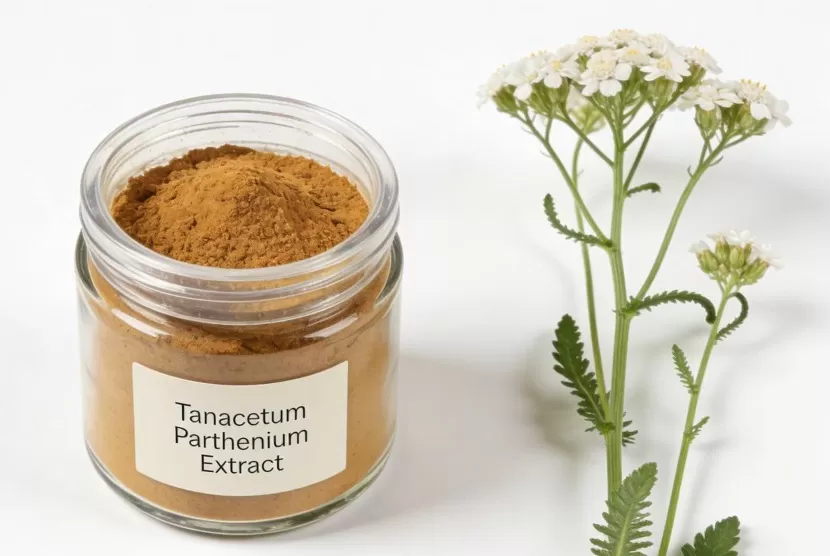
Part 1: What Is Feverfew Extract?
Let’s start with the basics. Feverfew (Tanacetum parthenium (L.) Sch.Bip.) is a perennial herb from the Asteraceae family, native to parts of Europe and now cultivated widely, including in China and Eastern Europe . The parts used commercially are primarily the aerial parts—the leaves and flowers—which contain the highest concentration of active constituents .
The Active Components That Matter
What makes Feverfew "work" is its unique phytochemical profile:
l Parthenolide: This is the rockstar compound. A sesquiterpene lactone, parthenolide is considered the primary active principle and is responsible for most of Feverfew’s anti-inflammatory and therapeutic effects .
l Flavonoids: Including santin and other lipophilic flavonoids, which contribute to antioxidant activity and may support the herb's ability to cross the blood-brain barrier .
l Essential Oils: Containing compounds like camphor and pinene, which add to the overall bioactivity .
Standardized Specifications
In the supplement and ingredient industry, consistency is everything. That’s why Feverfew Extract is typically standardized to parthenolide content. Common specifications include:
l Min. 0.2% Parthenolide: Often used in general supplements and traditional preparations .
l Min. 0.5% Parthenolide: A popular standardized extract for nutraceuticals, ensuring reliable potency .
l Min. 0.7%–1.0% Parthenolide: Used in high-potency formulations or where clinical efficacy data is required .
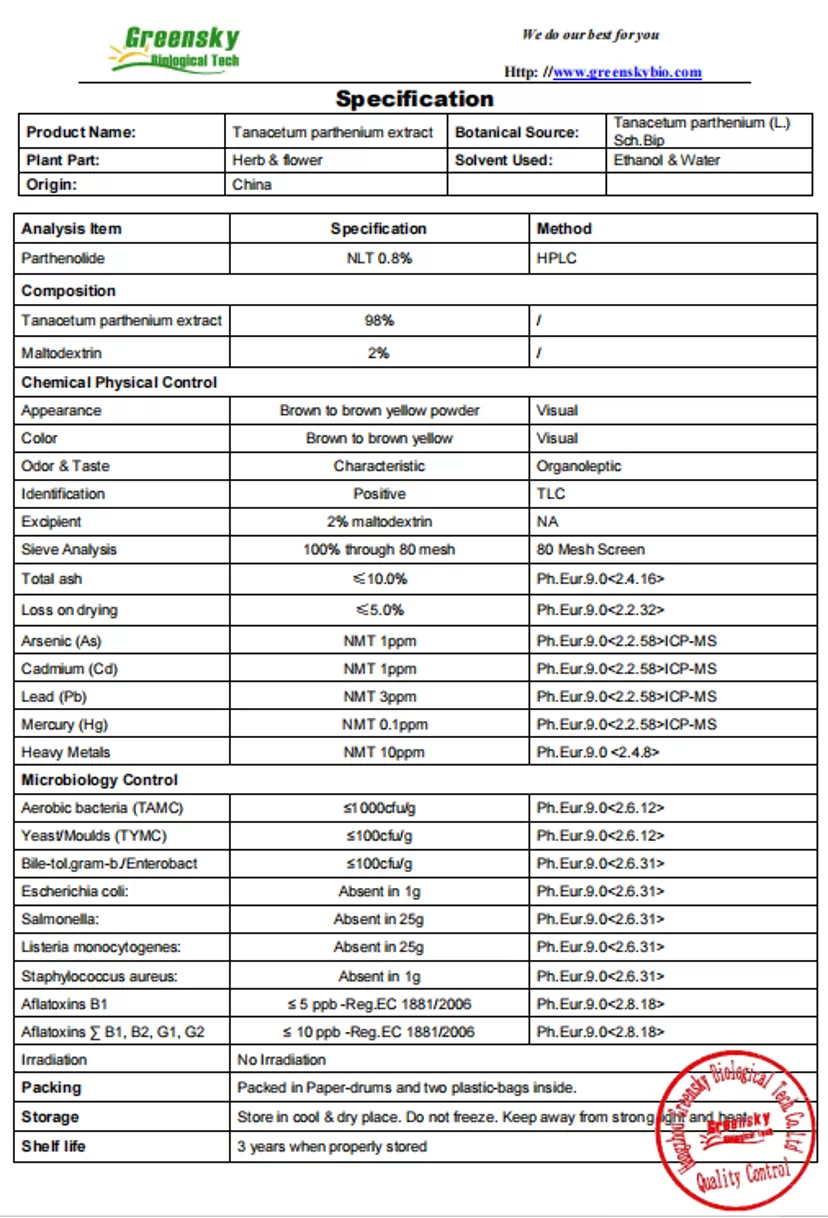
Our In-House Testing: Every batch of our Feverfew extract undergoes rigorous HPLC analysis to verify parthenolide content. We also screen for heavy metals, microbial contaminants, and residual solvents. (We’re happy to share our Certificates of Analysis—just ask.)
Part 2: Core Benefits and How It Works (With Science to Back It Up)
This is where things get interesting. Feverfew isn’t a one-trick pony. Its mechanisms of action have been mapped out in considerable detail, and the findings are impressive.
1. Anti-Inflammatory Power (The NF-κB Connection)
The most well-documented effect of Feverfew is its ability to inhibit Nuclear Factor-kappa B (NF-κB) . Think of NF-κB as a master switch for inflammation. When it’s activated, it triggers the production of pro-inflammatory molecules like TNF-α and COX-2. Parthenolide effectively "flips this switch" to the off position, reducing inflammation at a fundamental level .
2. Migraine Prevention (Clinically Supported)
This is Feverfew’s claim to fame. A Cochrane review (the gold standard in evidence-based medicine) evaluated multiple trials and found that Feverfew can reduce the frequency of migraine attacks. One larger, robust study showed a significant decrease of 0.6 attacks per month compared to placebo . The mechanism? It’s thought to involve inhibition of platelet aggregation and serotonin release, which are key players in migraine pathogenesis .
3. Neuroprotective Potential
Emerging research points to Feverfew’s role in supporting brain health beyond migraines. Studies suggest it may have potential in managing conditions like epilepsy and neuropathic pain through the modulation of MAPK signaling pathways . Some flavonoids in Feverfew have even been shown to penetrate the blood-brain barrier, which is a big deal for neurological applications .
4. Antioxidant and Anti-Cancer Research
While human trials are still needed, preclinical studies have demonstrated that parthenolide can induce apoptosis (programmed cell death) in certain cancer cell lines and modulate pathways involved in tumor growth . It’s a promising area that researchers are actively exploring.
Part 3: Where Feverfew Extract Is Used Today
Because of its versatility, Feverfew extract has found a home across multiple industries.
l Dietary Supplements: This is the largest market. Feverfew is formulated into capsules and tablets, primarily for migraine support and inflammatory conditions like arthritis . It often appears in combination formulas targeting "healthy inflammatory response" or "neural support."
l Functional Foods & Beverages: As consumers look for functional benefits in everyday products, Feverfew is starting to appear in teas, wellness shots, and even functional bars aimed at stress relief and cognitive health .
l Skincare & Personal Care: This is a growing niche. Feverfew extract is valued for its soothing and anti-irritant properties . You’ll find it in creams, serums, and lotions designed for sensitive skin, redness reduction, and anti-aging. Its ability to calm inflammation makes it a great natural alternative to hydrocortisone in topical applications.
l Animal Health: Some manufacturers are exploring Feverfew as a natural feed additive to support joint health and reduce inflammation in livestock and pets .
Part 4: How to Choose a High-Quality Feverfew Extract
Not all extracts are created equal. Here’s what you need to look for—and what we do differently.
1. Look for Standardization (and the Right %)
If a supplier can’t tell you the parthenolide content, run the other way. We provide standardized extracts (0.3% to 0.5% parthenolide) with guaranteed potency, so you know exactly what you’re formulating with.
2. Demand a Full Certificate of Analysis (COA)
A COA should confirm not just the active compound level, but also purity. We test for:
l Pesticide residues
l Heavy metals (Lead, Arsenic, Cadmium, Mercury)
l Microbiology (E. Coli, Salmonella, Yeast & Mold)
l Authenticity markers (like santin, to confirm it’s Tanacetum parthenium and not a look-alike species) .
3. Ask About the Extraction Process
Quality extraction preserves the delicate actives. We use gentle, food-grade methods (such as ethanol/water extraction or CO2 methods for specialized applications) to ensure maximum bioactivity without harsh chemical residues. High-performance methods like CO2 extraction are particularly good at preserving volatile compounds .
4. Check for Stability and Bioavailability
Raw parthenolide can be unstable. We work with advanced techniques like liposome encapsulation for customers who need enhanced stability and absorption in finished products .
Part 5: Why Source From Us?
We’re not just a supplier; we’re your R&D partner. With years of experience in the botanical extraction industry, we’ve fine-tuned our process to deliver Feverfew extract that consistently meets or exceeds market standards.
l Premium Raw Materials: We source our Feverfew from trusted, sustainable farms with optimal growing conditions for high parthenolide content.
l Advanced Analytical Testing: Our in-house QC lab uses HPLC and HPTLC to verify every batch .
l Customization Options: Need a specific parthenolide percentage? A particular particle size? A blend for a finished product? We can do that.
l Supply Chain Reliability: We maintain buffer stock to ensure we never leave you waiting.
Conclusion: Ready to Formulate with the Best?
Feverfew extract is one of those rare ingredients that combines ancient wisdom, modern science, and real-world commercial versatility. Whether your goal is to develop a groundbreaking migraine supplement, a soothing skincare line, or a functional food that supports wellness, this botanical delivers.
Don't settle for inconsistent quality or questionable sourcing.
[Contact Us Today] for our latest pricing, detailed specifications, or to request a free sample of our standardized Feverfew extract. Our technical team is standing by to help you find the perfect fit for your formulation.
Your next best-selling product starts with the right ingredient. Let’s build it together.
References
1. Kashkooe, A., Jalali, A., Zarshenas, M. M., & Hamedi, A. (2024). Exploring the Phytochemistry, Signaling Pathways, and Mechanisms of Action of Tanacetum parthenium (L.) Sch.Bip.: A Comprehensive Literature Review. Biomedicines, 12(10), 2297.
2. Wider, B., Pittler, M. H., & Ernst, E. (2015). Feverfew for preventing migraine. Cochrane Database of Systematic Reviews, (4), CD002286.
3. Bio-Botanica, Inc. (2024). Feverfew Herb In Propylene Glycol. Knowde.
4. NutriCargo. (n.d.). Feverfew 0.5% Powdered Extract. NutriCargo Product Catalog.
5. Groenewegen, W. A., & Heptinstall, S. (1990). A comparison of the effects of an extract of feverfew and parthenolide on human platelet activity in-vitro. Journal of Pharmacy and Pharmacology, 42, 553-557.
6. Metagenics UK. (n.d.). Health Notes: Feverfew. Metagenics UK.
7. Green Spring Technology. (2025). High-Stability Standardized Feverfew Extract Significantly Enhances Bioavailability. greenspringnatural.com.
8. Brazilian Journal of Pharmacognosy. (2008). A proposal for the quality control of Tanacetum parthenium (feverfew) and its hydroalcoholic extract. Revista Brasileira de Farmacognosia, 18(3), 360-366.
9. Pareek, A., Suthar, M., Rathore, G. S., & Bansal, V. (2011). Feverfew (Tanacetum parthenium L.): A systematic review. Pharmacognosy Reviews, 5(9), 103-110.
TEST REPORT
- ▶ Hesperidin
- ▶ Citrus Bioflavonoids
- ▶ Plant Extract
- ▶ lycopene
- ▶ Diosmin
- ▶ Grape seed extract
- ▶ Sea buckthorn Juice Powder
- ▶ Fruit Juice Powder
- ▶ Hops Extract
- ▶ Artichoke Extract
- ▶ Mushroom extract
- ▶ Astaxanthin
- ▶ Green Tea Extract
- ▶ Curcumin
- ▶ Horse Chestnut Extract
- ▶ Other Product
- ▶ Boswellia Serrata Extract
- ▶ Resveratrol
- ▶ Marigold Extract
- ▶ Grape Leaf Extract
- ▶ New Product
- ▶ Aminolevulinic acid
- ▶ Cranberry Extract
- ▶ Red Yeast Rice
- ▶ Red Wine Extract
- ▶ blog
-
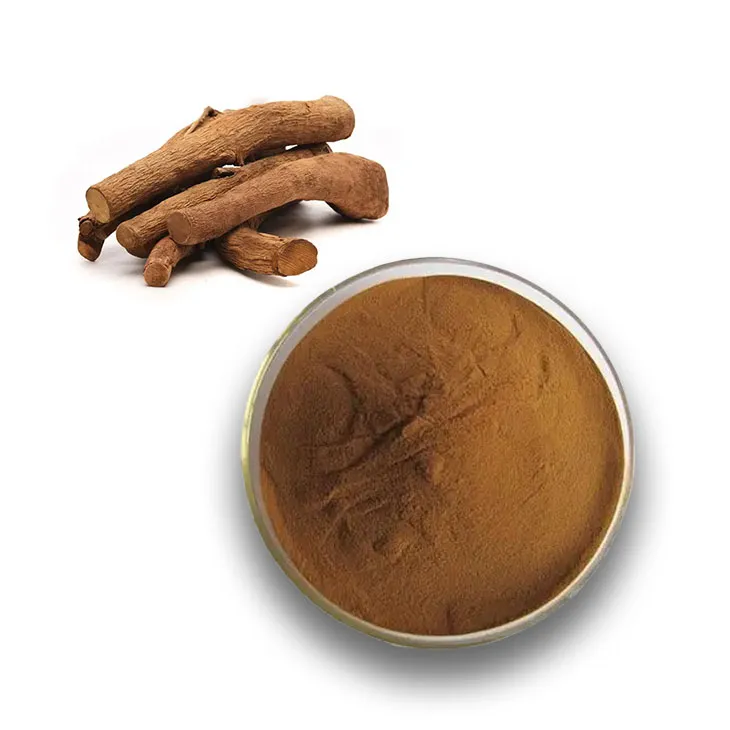
Tongkat Ali Extract
2026-03-26
-
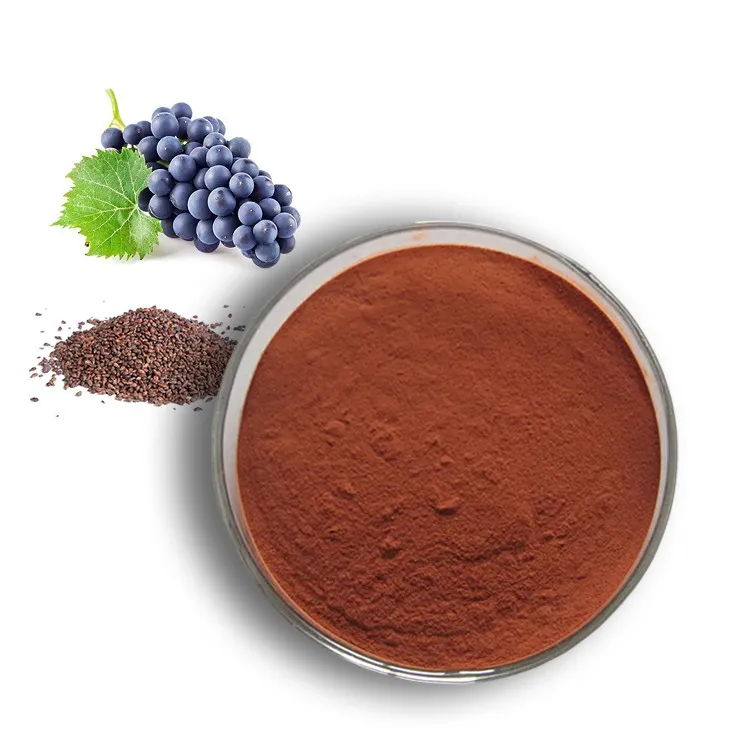
Natural grape seed extract
2026-03-26
-
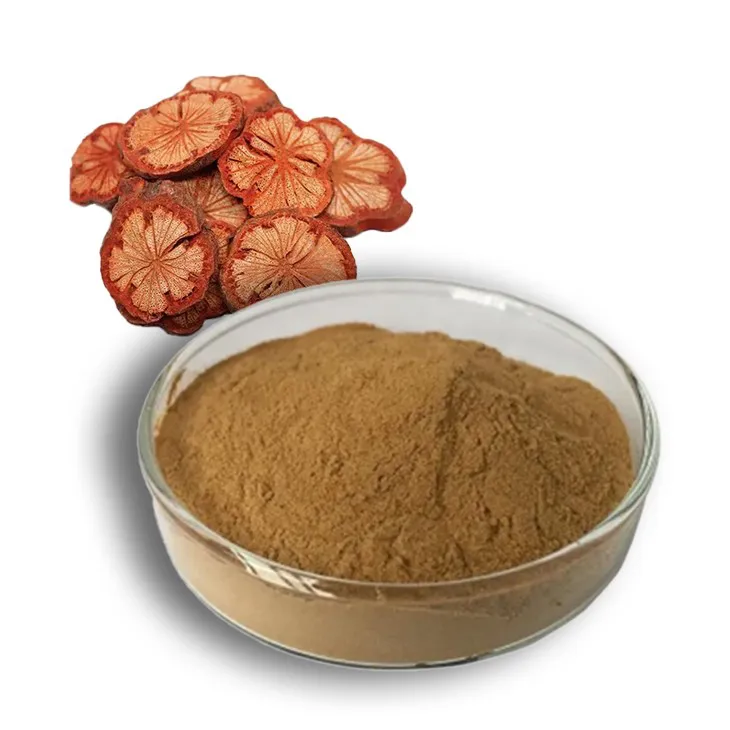
Red Vine Extract
2026-03-26
-
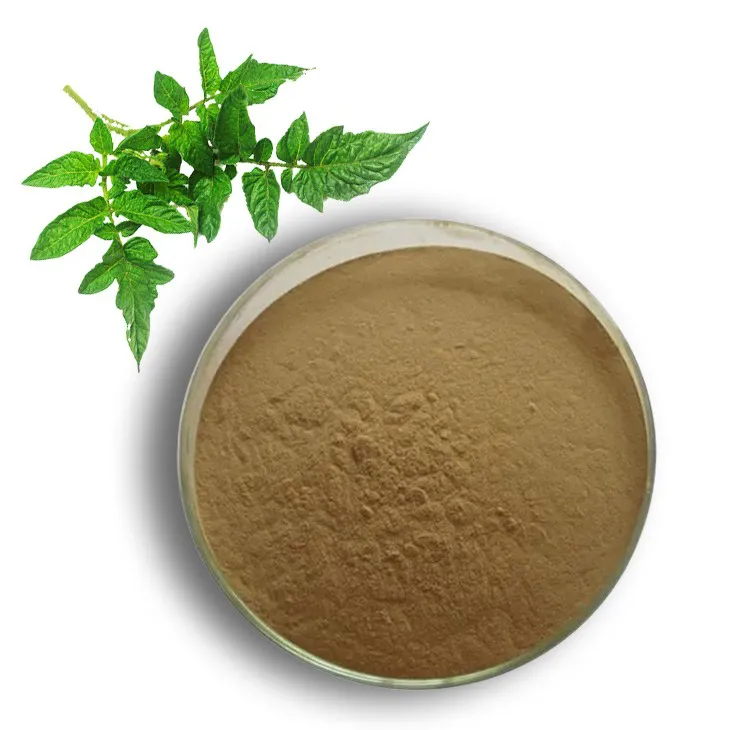
Senna Leaf Extract
2026-03-26
-
Pine bark Extract Powder
2026-03-26
-
Cocoa Extract
2026-03-26
-
Bitter Melon Extract
2026-03-26
-
Almond Extract Powder
2026-03-26
-
Carrageenan Extract Powder
2026-03-26
-
Beetroot juice Powder
2026-03-26
