- 0086-571-85302990
- [email protected]






Prunus Cerasus Extract
2026-03-12
Prunus Cerasus Extract
Introduction
Have you ever wondered if there's more to sour cherries than just a delicious pie filling? For centuries, Prunus cerasus—commonly known as sour cherry or tart cherry—has been valued in traditional European and Western Asian medicine for its health-promoting properties. Today, modern scientific research is catching up with this ancient wisdom, revealing that Prunus cerasus extract is a powerhouse of bioactive compounds with impressive potential for human health and wellness . From protecting your heart to defending your skin against environmental stress, this bright red extract is making waves across multiple industries.
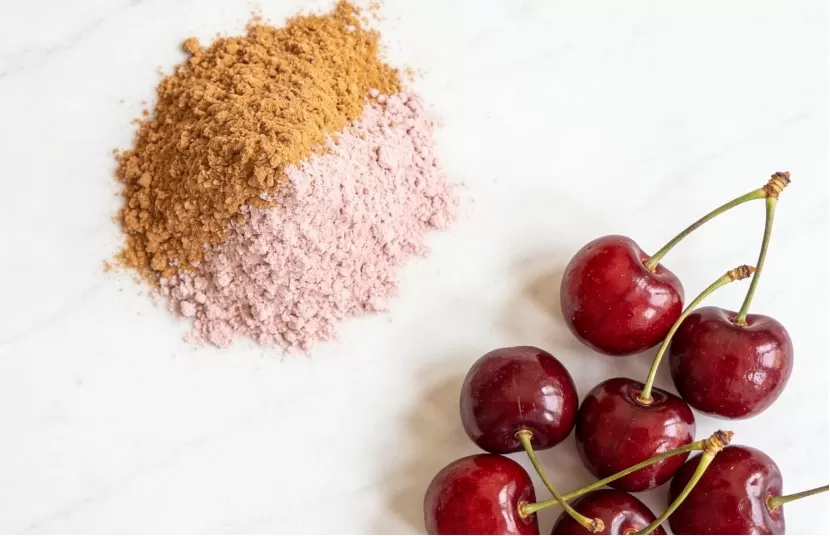
Part 1: What Is Prunus Cerasus Extract?
Let's start with the basics. Prunus cerasus extract is derived from the sour cherry, a species distinct from the sweet cherries you might grab at the farmers' market. Here's what makes it unique:
l Latin Name: Prunus cerasus L.
l Common Names: Sour cherry, tart cherry, dwarf cherry
l Plant Family: Rosaceae (the rose family)
l Primary Growing Regions: Eastern Europe (particularly Poland, Hungary, and Serbia), Turkey, and parts of North America. These cooler temperate climates allow the fruit to develop its characteristic tartness and concentrated phytochemical profile.
What Part of the Plant Do We Use?
This is where things get interesting—and where sustainability meets innovation. While the fruit pulp is the traditional source, cutting-edge research has revealed that valuable bioactive compounds can be extracted from multiple plant parts:
l Fruit: The classic source, rich in anthocyanins and other phenolics
l Leaves: Emerging as a valuable waste material with potent biological activity
l Seeds/Pits: Contain unique compounds with cardioprotective properties
l Pomace: The byproduct of industrial juicing, now recognized as a goldmine for secondary metabolites
l Bark: Used in some cosmetic applications for its skin-conditioning effects
Key Active Compounds
The magic of Prunus cerasus extract lies in its complex phytochemistry. Depending on the plant part and extraction method, you'll find:
l Anthocyanins (responsible for the deep red color): Powerful antioxidants including cyanidin-3-glucoside and cyanidin-3-rutinoside
l Flavonoids: Quercetin, kaempferol, and their derivatives
l Phenolic Acids: Neochlorogenic acid, chlorogenic acid, and caffeic acid
l Proanthocyanidins: Condensed tannins with antioxidant activity
l Other Bioactives: Melatonin, which plays a role in sleep-wake cycles, and various vitamins
Quality You Can Trust
We don't just make promises—we prove them. Every batch of our Prunus cerasus extract undergoes rigorous testing in our in-house laboratory:
l HPLC Analysis: Full fingerprinting and quantification of marker compounds
l Pesticide Screening: Meets strict EU and USP standards
l Heavy Metal Testing: Below detectable limits for lead, arsenic, cadmium, and mercury
l Microbiological Testing: Total plate count, yeast, mold, and pathogen screening
l Certificate of Analysis: Available for every batch, showing actual test results
Part 2: Core Benefits and How They Work
Here's where science gets exciting. The traditional uses of sour cherry are now backed by peer-reviewed research. Let's walk through the key benefits and the mechanisms behind them.
1. Powerful Antioxidant Protection
The Science: Prunus cerasus extract is a potent free-radical scavenger. Research demonstrates that extracts from various plant parts show concentration-dependent radical scavenging effects, often exceeding 80% in standard antioxidant assays .
How It Works: The anthocyanins and phenolic compounds in the extract donate electrons to neutralize unstable free radicals—those pesky molecules that damage our cells through oxidation. Studies confirm significant free-radical scavenging, metal-reducing, and metal-chelating activities . This multi-pronged antioxidant approach means the extract doesn't just fight one type of oxidative stress—it tackles multiple pathways.
Recent Findings: Exciting research published in Foods showed that tart cherry pit extracts protect human skin cells against oxidative stress induced by hydrogen peroxide. The extract increased the expression of antioxidant regulatory genes CAT and SOD1 while decreasing the pro-oxidant regulator NOS2 . In plain English? It helps your cells ramp up their own natural defense systems.
2. Anti-Inflammatory Effects
The Science: Inflammation is at the root of countless modern health concerns, from joint discomfort to cardiovascular disease. Prunus cerasus extract shows genuine anti-inflammatory activity.
How It Works: Studies on leaf extracts demonstrated significant reduction in inflammatory markers. In laboratory models, treatment with Prunus cerasus extract reduced levels of the pro-inflammatory cytokines IL-1β by 48% and IL-6 by 40%, while increasing the anti-inflammatory cytokine IL-10 by up to 27% . This shifting of the immune response from pro-inflammatory to regulated is exactly what we want to see in a functional ingredient.
3. Cardiovascular Support
The Science: Perhaps one of the most compelling areas of research involves heart health. A landmark study published in the American Journal of Physiology-Heart and Circulatory Physiology investigated the effects of sour cherry seed extract on hearts subjected to ischemia-reperfusion injury—essentially, simulating a heart attack followed by restoration of blood flow .
The Results: Rats treated with the extract showed:
l Reduced arrhythmias: The incidence of ventricular fibrillation dropped from 92% in controls to just 17% with treatment
l Improved functional recovery: Better coronary flow, aortic flow, and left ventricular pressure after injury
l Smaller infarct size: Less heart tissue died following the ischemic event
l Reduced apoptosis: The extract decreased caspase-3 activity and the number of dying heart cells
The researchers attributed these protective effects to the combination of proanthocyanidins, resveratrol, and flavonoids working synergistically.
4. Skin Health and Anti-Aging
The Science: The cosmeceutical potential of Prunus cerasus extract is substantial. Multiple studies support its benefits for skin.
Key Findings:
n Tyrosinase Inhibition: The extract inhibits tyrosinase, the enzyme responsible for melanin production. One study found the effect equivalent to 39 mg of kojic acid per gram of extract—a meaningful level of activity . This suggests potential for brightening and even-toning applications.
n Protection Against Environmental Stress: Human skin cells exposed to oxidative stress showed significantly reduced reactive oxygen species when treated with Prunus cerasus extract .
n Skin Cell Viability: At appropriate concentrations, extracts increased skin cell viability by up to 35%, while reducing intracellular reactive oxygen species .
n Moisturizing Effects: The bark extract, specifically, has documented skin-caring and moisturizing properties, increasing the water content of skin .
5. Antimicrobial Activity
Research demonstrates that Prunus cerasus extracts show effectiveness against seven different bacterial strains, with activity varying by plant species and extraction method . While not a replacement for conventional preservatives, this property adds to the extract's value as a multifunctional natural ingredient.
Part 3: Where Can You Use It?
The versatility of Prunus cerasus extract means it finds applications across multiple industries. Here's where it shines.
Dietary Supplements & Nutraceuticals
This is the most established application. Prunus cerasus extract is widely used in:
l Capsules and tablets targeting joint health, inflammation management, and antioxidant support
l Sleep support formulas (the natural melatonin content adds value here)
l Sports nutrition products for exercise recovery and oxidative stress management
l Liquid tinctures and shots for convenient daily wellness
Functional Foods & Beverages
The tart, recognizable cherry flavor is actually an advantage here:
n Energy bars and bites: Adds both nutrition and natural flavor
n Functional beverages: Think wellness shots, kombucha, and enhanced waters
n Healthy snacks: Incorporated into fruit-based snacks and confections
n Food preservation: Research suggests the extract can increase the oxidative stability of food products
Cosmetics & Personal Care
This is a rapidly growing application area:
l Anti-aging serums and creams: Leveraging antioxidant protection and skin cell support
l Brightening products: The tyrosinase inhibition supports even-toned skin claims
l Soothing formulations: Anti-inflammatory benefits for sensitive or stressed skin
l Moisturizers: Particularly when using bark-derived extracts
Animal Nutrition
The pet supplement and animal feed market is increasingly interested in natural ingredients:
n Joint health supplements for dogs: Leveraging anti-inflammatory properties
n Equine products: For oxidative stress management in performance horses
n General wellness formulations for companion animals
Part 4: How to Choose a Quality Prunus Cerasus Extract
Not all extracts are created equal. Here's what discriminating buyers should look for.
1. Source Matters
Where were the cherries grown? Eastern European sour cherries have a long history of cultivation and are known for their rich phytochemical profiles. Ask about sourcing practices and supply chain transparency.
2. Extraction Method
The method used to extract bioactive compounds significantly impacts the final product quality. Sustainable, efficient methods like ultrasound-assisted extraction are gaining favor because they maximize compound recovery while minimizing solvent use and environmental impact . CO₂ extraction is another clean option, particularly for lipophilic compounds.
3. Standardization
Look for extracts standardized to specific marker compounds. This ensures batch-to-batch consistency. Common standardization options include:
n Anthocyanins (typically ≥25%)
n Total phenolics (measured as gallic acid equivalents)
n Specific flavonoids
4. Third-Party Testing
Reputable suppliers provide Certificates of Analysis from independent laboratories. These should verify:
l Marker compound content
l Pesticide residues
l Heavy metals
l Microbial purity
l Residual solvents
5. Stability Data
One study noted that storage temperatures above 4°C significantly affected the phenolic content and bioactivity of extracts over six months . Ask your supplier about stability testing and recommended storage conditions.
6. Certifications
Depending on your target market, you may need:
l Organic certification
l Non-GMO verification
l Kosher or Halal certification
l GMP compliance
Part 5: Why Partner With Us?
At Greensky , we're more than just ingredient suppliers—we're your partners in product development. Here's what sets us apart.
Our Quality Commitment
We take quality seriously. Every batch of our Prunus cerasus extract undergoes comprehensive testing in our ISO-accredited laboratory. We don't release product until we're confident it meets our strict specifications—and we provide the data to prove it.
Technical Expertise
Our team includes food scientists, chemists, and formulation specialists who understand the challenges you face. Whether you need help with solubility issues, stability testing, or regulatory documentation, we're here to support you.
Sustainable Sourcing
We believe in doing business responsibly. Our Prunus cerasus is sourced from sustainable agricultural operations, and we're actively developing supply chains that valorize what would otherwise be food waste—like pomace from juice processing . This aligns with circular economy principles while providing you with cost-effective raw materials .
Customization Options
Need a specific particle size? A particular standardization level? Organic certification? We work with customers to develop custom specifications that meet your exact requirements.
Reliable Supply
With strong relationships across growing regions and strategic inventory management, we ensure consistent availability year-round—no worrying about crop failures or supply disruptions.
Conclusion: The Potential Is Clear
From protecting heart cells against ischemic damage to defending skin from environmental stress, Prunus cerasus extract is a remarkably versatile botanical ingredient. The scientific literature supports its antioxidant, anti-inflammatory, and skin-protective properties, while traditional use reminds us that humans have valued sour cherries for generations .
As consumers increasingly seek natural, science-backed ingredients with clean labels, Prunus cerasus extract stands ready to deliver. Whether you're formulating a sleep support supplement, an anti-aging serum, or a functional beverage, this bright red extract brings both proven benefits and a story that resonates.
Ready to explore how Prunus cerasus extract can elevate your products?
We'd love to hear from you. Contact our team today for:
l Comprehensive product specifications and Certificates of Analysis
l Free samples for your formulation work
l Technical support from our in-house experts
l Pricing information and supply options
Our specialists are standing by to help you find the perfect solution for your application. Let's create something extraordinary together.
References
1. Selleck Chemicals. (n.d.). Prunus cerasus Extract. Technical Data Sheet.
2. Bulgari, D., Pisoni, L., Renzetti, S., et al. (2025). Valorization of Prunus cerasus var. Marasca Pomace Derived From Industrial Processing: Recovery, Characterization, and Bioactivity Assessment of Secondary Metabolites. Molecular Nutrition & Food Research, e70087.
3. Zagórska-Dziok, M., Ziemlewska, A., Wójciak, M., et al. (2025). Comparison of Cytotoxicity and Antioxidant, Antibacterial, and Anti-Inflammatory Activity of Aqueous and Ethanolic Extracts from Malus domestica, Prunus armeniaca, and Prunus cerasus Leaves. CiteAb / Peer-Reviewed Publication.
4. Roșcan, A. G., Ifrim, I. L., Patriciu, O. I., & Fînaru, A. L. (2025). Exploring the Therapeutic Value of Some Vegetative Parts of Rubus and Prunus: A Literature Review on Bioactive Profiles and Their Pharmaceutical and Cosmetic Interest. Molecules, 30(15), 3144.
5. Aplantis GmbH. (n.d.). Cherry - Prunus Cerasus / Cerasus Pseudocerasus. WLW Product Listing.
6. Bak, I., Lekli, I., Juhasz, B., et al. (2006). Cardioprotective mechanisms of Prunus cerasus (sour cherry) seed extract against ischemia-reperfusion-induced damage in isolated rat hearts. American Journal of Physiology-Heart and Circulatory Physiology, 291(3), H1329-H1336.
7. Altmeyers Encyclopedia. (2020). Prunus cerasus extract (inci). Department of Cosmetology.
8. Decot, H., Sudhakaran, M., Boismier, E., et al. (2023). Tart Cherry (Prunus cerasus L.) Pit Extracts Protect Human Skin Cells against Oxidative Stress: Unlocking Sustainable Uses for Food Industry Byproducts. Foods, 12(20), 3748.
9. Sharma, A., Joshi, R., Kumar, S., et al. (2018). Prunus cerasoides fruit extract ameliorates inflammatory stress by modulation of iNOS pathway and Th1/Th2 immune homeostasis. SpringerMedizin / Immunopharmacology and Immunotoxicology.
10. Roșcan, A. G., Ifrim, I. L., Patriciu, O. I., & Fînaru, A. L. (2025). Exploring the Therapeutic Value of Some Vegetative Parts of Rubus and Prunus. Molecules, 30(15), 3144. (Duplicate reference for completeness)
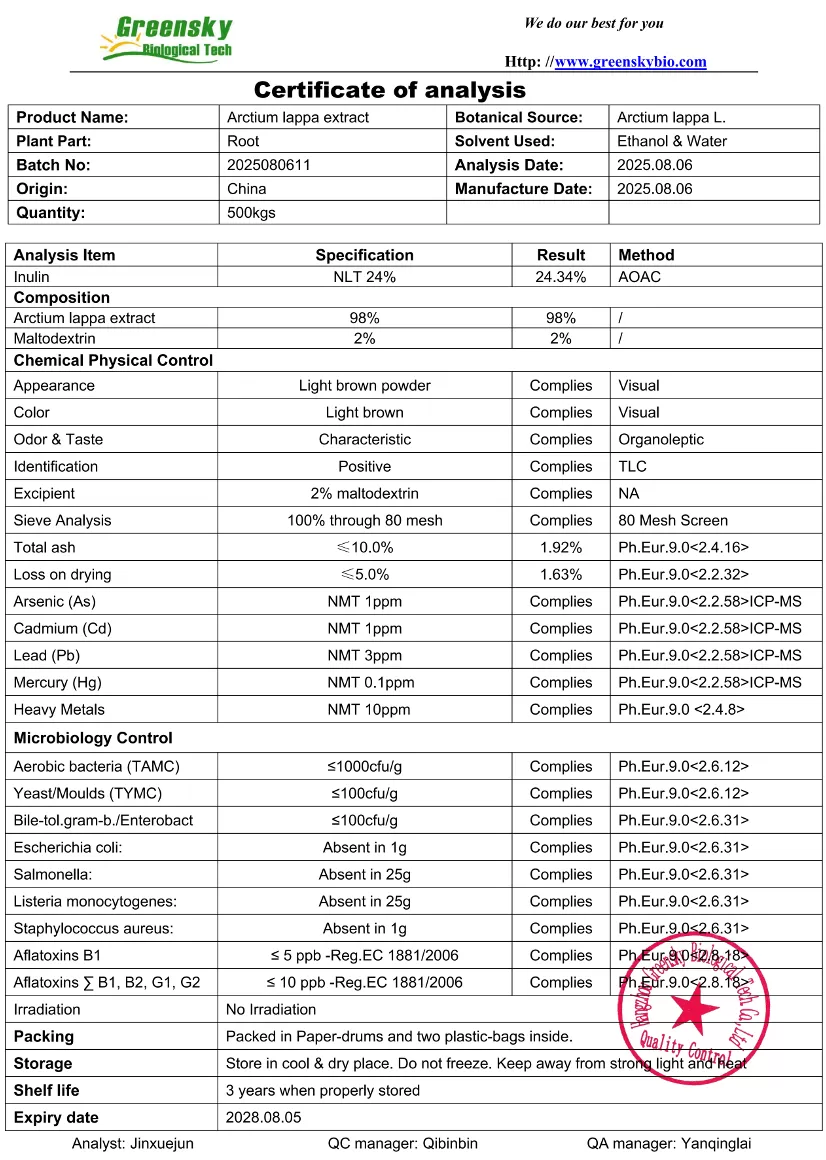
TEST REPORT
- ▶ Hesperidin
- ▶ Citrus Bioflavonoids
- ▶ Plant Extract
- ▶ lycopene
- ▶ Diosmin
- ▶ Grape seed extract
- ▶ Sea buckthorn Juice Powder
- ▶ Fruit Juice Powder
- ▶ Hops Extract
- ▶ Artichoke Extract
- ▶ Mushroom extract
- ▶ Astaxanthin
- ▶ Green Tea Extract
- ▶ Curcumin
- ▶ Horse Chestnut Extract
- ▶ Other Product
- ▶ Boswellia Serrata Extract
- ▶ Resveratrol
- ▶ Marigold Extract
- ▶ Grape Leaf Extract
- ▶ New Product
- ▶ Aminolevulinic acid
- ▶ Cranberry Extract
- ▶ Red Yeast Rice
- ▶ Red Wine Extract
- ▶ blog
-
Golden Seal Extract
2026-03-12
-
Lavender Extract
2026-03-12
-
Hericium erinaceus extract powder
2026-03-12
-
Yellow Pine Extract
2026-03-12
-
Diosmin
2026-03-12
-
Saw Palmetto Extract
2026-03-12
-
American Ginseng Root Extract
2026-03-12
-
Cayenne Pepper Extract
2026-03-12
-
Chaga Mushroom Extract
2026-03-12
-
Panax Ginseng Leaf Extract
2026-03-12
