- 0086-571-85302990
- [email protected]






Turmeric Curcumin Extract: A Complete Guide to Benefits, Applications & Sourcing
2026-08-17
Introduction
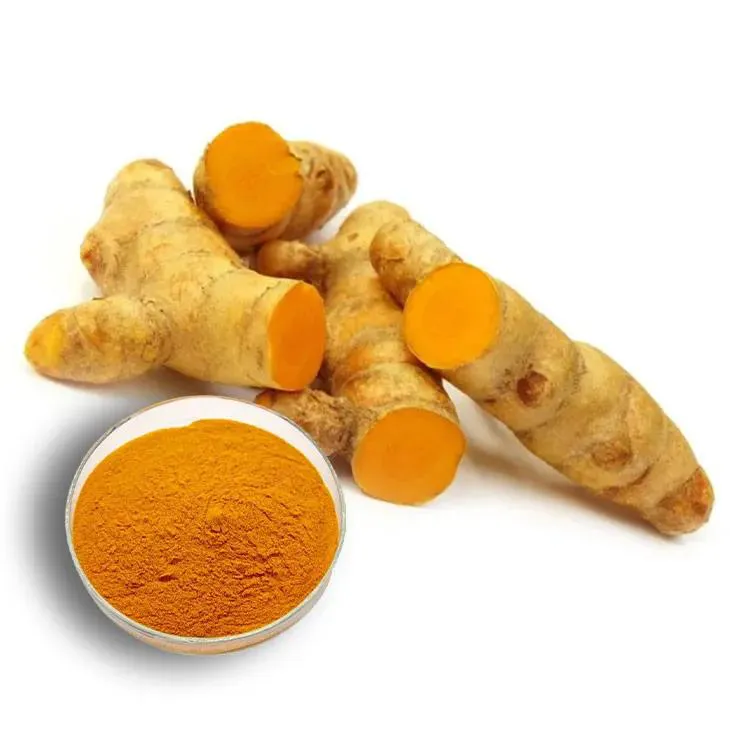
Turmeric (Curcuma longa) has been used for over 4,000 years in Ayurvedic and Traditional Chinese Medicine as a healing spice and anti-inflammatory remedy. Modern science has identified Curcumin — the principal bioactive Curcuminoid — as one of the most extensively studied natural compounds in human history, with over 12,000 peer-reviewed publications confirming its multi-target therapeutic potential. Today, turmeric extract is a cornerstone ingredient in the global nutraceutical, pharmaceutical, and food industries, with a market exceeding USD 85 million for curcumin alone.
Part 1: What Is Turmeric Curcumin Extract?
Botanical Profile
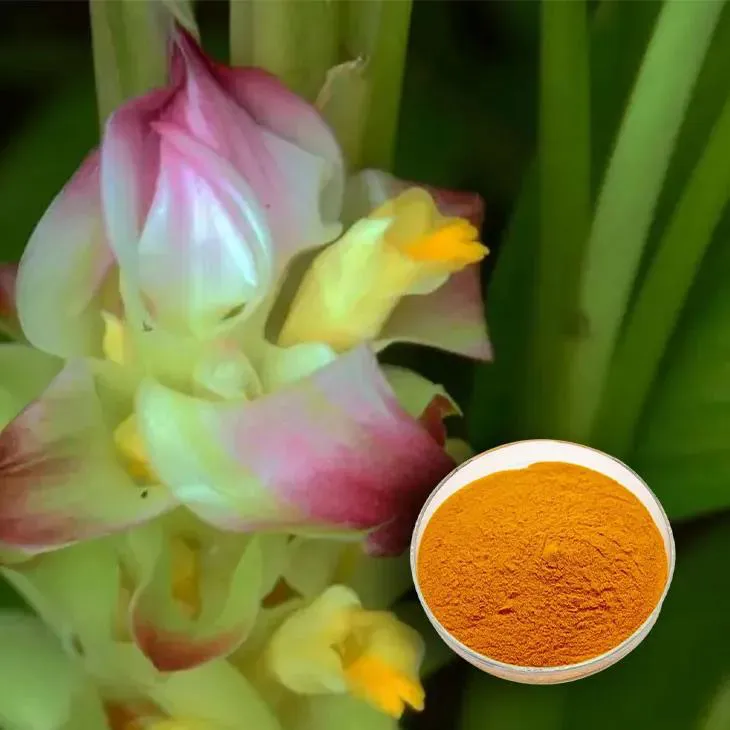
Attribute Detail Botanical Name Curcuma longa L. Common Names Turmeric, Indian saffron, Haldi Family Zingiberaceae (Ginger family) Native Region Southeast Asia (India, Indonesia) Major Cultivation India (80% global supply), China, Myanmar, Bangladesh, Peru
Extraction Part
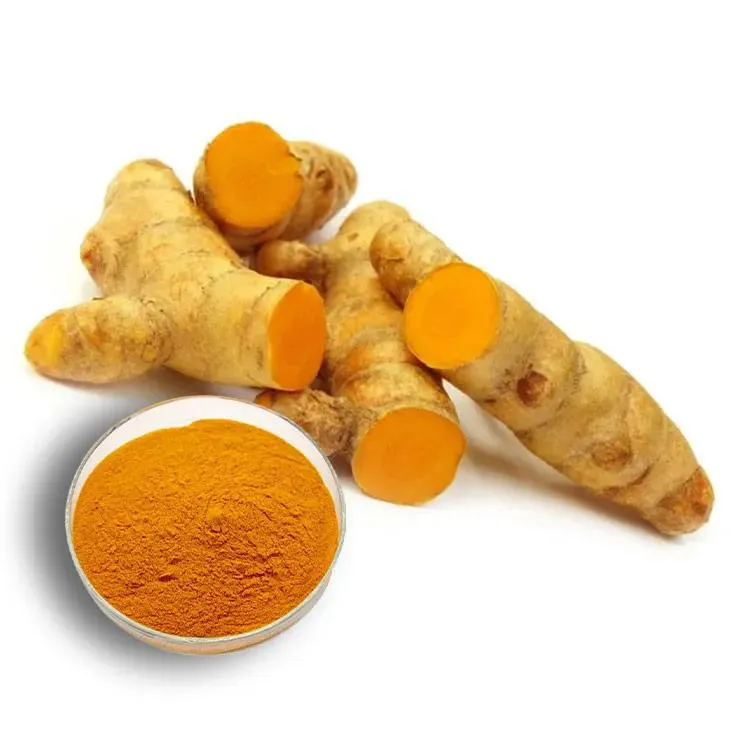
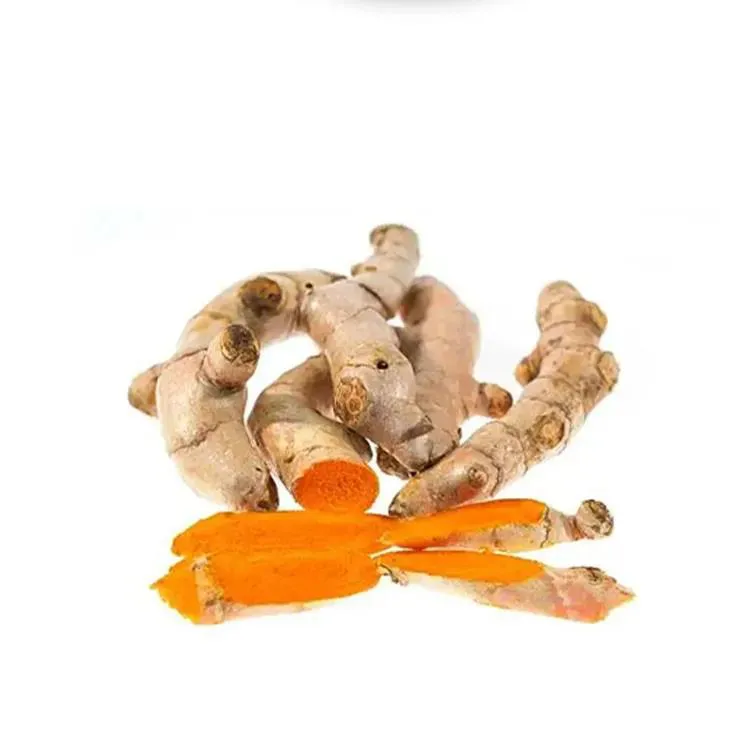
The rhizome (underground stem) of Curcuma longa contains the curcuminoid complex. Fresh rhizomes contain 2–5% curcuminoids by dry weight.
Active Compounds
The curcuminoid complex consists of three primary diarylheptanoids:
Compound Approximate % of Curcuminoid Complex Curcumin (diferuloylmethane) 70–80% Demethoxycurcumin 15–20% Bisdemethoxycurcumin 5–10%
Turmerones (ar-turmerone, α-turmerone, β-turmerone) are additional bioactive compounds found in the essential oil fraction of turmeric, contributing to anti-inflammatory and neuroprotective effects.
Standard Specifications We Offer
Product Grade Curcuminoids Content Form Application Natural Powder 95% Curcuminoids (UV/HPLC) Powder Supplements, food coloring Water-Dispersible 10–20% Curcuminoids Granule/Powder Beverages, liquid formulations Phytosome Complex 18–25% Curcumin (bound) Powder Enhanced bioavailability supplements Nano-Emulsified 5–10% Curcumin Liquid/Powder Topical, cosmetic formulations
Custom specifications available.
Certificate of Analysis (Typical — 95% Grade)
Parameter Specification Typical Result Appearance Orange-yellow to orange-red fine powder Conforms Odor Characteristic, aromatic Conforms Curcuminoids (HPLC) ≥95% 96.8% Curcumin (HPLC) ≥75% 79.2% Demethoxycurcumin — 12.5% Bisdemethoxycurcumin — 5.1% Loss on Drying ≤2.0% 1.4% Heavy Metals Compliant (Pb < 2ppm, As < 1ppm, Cd < 1ppm, Hg < 0.1ppm) Pass Pesticide Residues Multi-residue screen (300+ compounds) Pass Aflatoxins (B1, B2, G1, G2) < 10 ppb total Pass Microbiological Compliant Pass
Part 2: Core Benefits & Mechanisms of Action
1. Potent Anti-Inflammatory Activity
Curcumin's anti-inflammatory mechanism operates across multiple molecular targets simultaneously — a feature that distinguishes it from single-target pharmaceutical anti-inflammatories:
NF-κB pathway inhibition: Blocks nuclear factor kappa B activation, the master regulator of inflammatory gene expression. This suppresses production of TNF-α, IL-1β, IL-6, and COX-2.
LOX and COX dual inhibition: Simultaneously inhibits both lipoxygenase and cyclooxygenase pathways, reducing leukotriene and prostaglandin synthesis.
NLRP3 inflammasome suppression: Modulates the NLRP3 inflammasome complex, implicated in chronic inflammatory diseases including arthritis, IBD, and metabolic syndrome.
Clinical Evidence: A systematic review of 8 RCTs (Chandran & Goel, 2012) demonstrated that curcumin (1000 mg/day) was as effective as diclofenac sodium (50 mg twice daily) in reducing pain and functional impairment in rheumatoid arthritis patients, with fewer gastrointestinal side effects. [PubMed: 22418449]
2. Exceptional Antioxidant Capacity
Curcumin neutralizes free radicals through its phenolic hydroxyl groups and conjugated double-bond system:
Direct scavenging: Neutralizes hydroxyl radicals (•OH), superoxide (O₂•⁻), singlet oxygen (¹O₂), and peroxyl radicals (ROO•).
Enzyme upregulation: Increases activity of endogenous antioxidant enzymes — SOD, catalase, and glutathione peroxidase — by activating the Nrf2/ARE pathway.
Metal chelation: Binds transition metal ions (Fe²⁺, Cu²⁺), preventing Fenton reaction-mediated hydroxyl radical generation.
3. Neuroprotection & Cognitive Support
Emerging research positions curcumin as a promising nutraceutical for brain health:
BDNF enhancement: Increases brain-derived neurotrophic factor levels, supporting neuronal survival, synaptic plasticity, and neurogenesis. Low BDNF is associated with depression and Alzheimer's disease.
Amyloid-beta modulation: Disaggregates existing Aβ plaques and prevents new plaque formation — a key pathological feature of Alzheimer's disease.
Anti-neuroinflammatory: Reduces microglial activation and inflammatory cytokine production in the brain.
Research Highlight: A 2018 double-blind, placebo-controlled trial (UCLA) found that curcumin (90 mg twice daily, Theracurmin® formulation) improved memory performance by 28% and attention by 35% over 18 months in non-demented adults aged 50–90. PET imaging also showed reduced amyloid and tau accumulation in brain regions regulating mood and memory. [PubMed: 29366304]
4. Joint Health & Arthritis Management
Curcumin is one of the most evidence-supported natural ingredients for osteoarthritis and rheumatoid arthritis:
Inhibits MMP-13 (matrix metalloproteinase-13), an enzyme responsible for cartilage degradation.
Reduces synovial inflammation and pain scores.
Comparable efficacy to NSAIDs in multiple RCTs, with superior GI safety.
Meta-Analysis: A 2016 meta-analysis of 8 RCTs (n=468) concluded that Curcumin Extracts significantly reduced WOMAC pain scores and improved joint function in knee osteoarthritis patients. [PubMed: 27769373]
5. Cardiovascular & Metabolic Health
Endothelial function: Improves flow-mediated dilation (FMD) comparable to exercise training in postmenopausal women. [PubMed: 23377794]
Lipid metabolism: Reduces LDL cholesterol and triglycerides; increases HDL.
Insulin sensitivity: Enhances insulin receptor signaling and reduces insulin resistance (HOMA-IR).
Anti-thrombotic: Inhibits platelet aggregation via arachidonic acid pathway modulation.
6. Anticancer Research (Preclinical)
Curcumin has demonstrated activity across multiple cancer-related pathways in preclinical models:
Induces apoptosis via caspase-3/7 activation and Bcl-2 downregulation.
Inhibits tumor angiogenesis through VEGF suppression.
Sensitizes resistant cancer cells to chemotherapy (e.g., gemcitabine in pancreatic cancer).
Epigenetic modulation: Regulates miRNA expression and DNA methylation patterns.
Note: While preclinical data are compelling, large-scale human clinical trials for oncology indications are still needed. Curcumin is not a substitute for standard cancer treatment.
Part 3: Wide-Ranging Applications
Pharmaceutical & Dietary Supplements
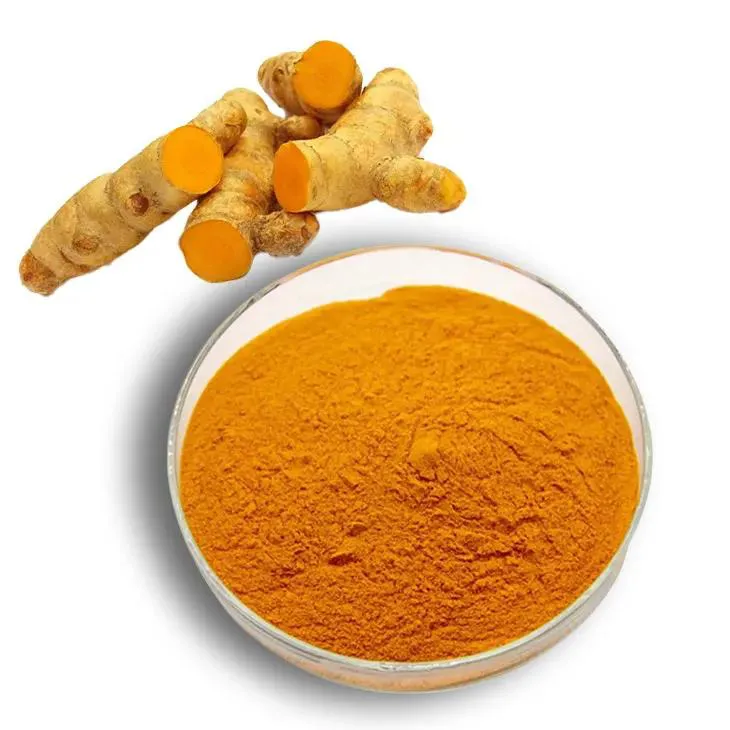
Capsules & softgels: 500–1500 mg per serving of 95% Curcumin Extract. The largest application segment.
Enhanced bioavailability formats: Phytosome (Meriva®), nanoparticle (Theracurmin®), and piperine-combined formulations address curcumin's traditionally low bioavailability.
Combination products: Formulated with boswellia, ginger, omega-3, or collagen for joint health; with black pepper (piperine) for enhanced absorption.
Functional Foods & Beverages
Golden milk / turmeric lattes: Rapidly growing beverage category (projected USD 1.2 billion by 2028).
Functional shots: Concentrated turmeric-ginger wellness shots (60ml format).
Snack bars & gummies: Added for anti-inflammatory positioning and natural golden color.
Natural food colorant (E100): Clean-label alternative to synthetic yellow dyes.
Cosmetics & Personal Care
Anti-aging creams: Curcumin's antioxidant and anti-inflammatory properties support collagen protection and skin repair.
Acne & blemish treatments: Reduces C. acnes-induced inflammation and sebum oxidation.
Brightening serums: Tyrosinase-inhibiting activity supports even skin tone.
Natural colorant: Provides warm golden hue to formulations without synthetic dyes.
Animal Nutrition
Poultry: Reduces oxidative stress and improves growth performance in broilers.
Aquaculture: Enhances disease resistance and feed utilization in fish.
Pet supplements: Growing market for canine joint health and anti-inflammatory supplements.
Research & Biotechnology
Standard reference compound for pharmacological studies
Cell culture additive for oxidative stress models
Fluorescent probe development (curcumin exhibits intrinsic fluorescence)
Part 4: How to Choose a High-Quality Curcumin Extract
Key Quality Indicators
Factor Why It Matters Curcuminoid Profile HPLC analysis should confirm the natural ratio: ~77% curcumin, ~17% demethoxycurcumin, ~6% bisdemethoxycurcumin. Deviation may indicate adulteration. Bioavailability Enhancement Native curcumin has poor oral bioavailability (<1%). Look for evidence-based enhancement technologies (phytosome, nanoparticles, micelles). Heavy Metals & Aflatoxins Turmeric is prone to lead chromate adulteration (color enhancement) and aflatoxin contamination. Third-party testing is essential. Synthetic Dye Adulteration Some suppliers add metanil yellow or Sudan dyes. HPLC fingerprinting detects these fraudulently added compounds. Solvent Residues Ethanol or ethyl acetate extraction should leave <5000 ppm residual solvent (ICH Q3C compliant). Particle Size Micronized curcumin (<10 μm) offers better dispersibility and bioavailability than coarse powder. Supplier Credentials GMP, ISO 22000, FSSC 22000, Organic, Kosher, and Halal certifications.
Red Flags to Avoid
⚠️ Unnaturally bright orange color (potential synthetic dye adulteration)⚠️ Curcumin content claims without HPLC verification⚠️ Missing aflatoxin testing data⚠️ Unable to provide origin traceability (India, China, etc.)
Part 5: About Us
As a trusted botanical extract supplier with extensive experience in turmeric and curcumin production, we deliver Curcumin Extract with the following advantages:
Premium Sourcing: Sourced from premium Curcuma longa rhizomes grown in optimal regions of India and China, with full agricultural traceability.
Advanced Processing: Precision ethanol extraction with controlled crystallization, ensuring consistent 95% curcuminoid content and the natural curcuminoid ratio.
Bioavailability Solutions: In-house capability to produce enhanced-bioavailability formats including phytosome complexes, water-dispersible powders, and nano-emulsified curcumin.
Rigorous Testing: Every batch analyzed by HPLC, with full heavy metal, aflatoxin, pesticide, and microbiological screening. Independent third-party COA verification available.
Global Compliance: Products meet USP, EP, and food-grade specifications. Kosher, Halal, Organic, Non-GMO, and allergen-free certifications available.
Custom Development: Tailored curcuminoid specifications, particle sizes, and formulation support for dietary supplements, food & beverage, cosmetic, and pharmaceutical applications.
Supply Reliability: Established supply chain with strategic raw material reserves ensures consistent quality and competitive pricing year-round.
Conclusion & Get a Quote
With over 12,000 published studies and a rapidly expanding global market, turmeric curcumin extract remains one of the most versatile, evidence-backed botanical ingredients available today. From joint health supplements to functional beverages, skincare formulations, and animal nutrition — the applications continue to grow.
Looking for a reliable Curcumin Extract supplier?
Contact us today for competitive pricing, free samples, and detailed specifications.
Our team provides:
Quotations within 24 hours
Free samples for evaluation (up to 10g)
Custom specification and formulation development
Complete regulatory documentation and technical support packages
Partner with us for consistent, high-quality curcumin extract — backed by science, delivered with integrity.
- ▶ Hesperidin
- ▶ Citrus Bioflavonoids
- ▶ Plant Extract
- ▶ lycopene
- ▶ Diosmin
- ▶ Grape seed extract
- ▶ Sea buckthorn Juice Powder
- ▶ Fruit Juice Powder
- ▶ Hops Extract
- ▶ Artichoke Extract
- ▶ Mushroom extract
- ▶ Astaxanthin
- ▶ Green Tea Extract
- ▶ Curcumin
- ▶ Horse Chestnut Extract
- ▶ Other Product
- ▶ Boswellia Serrata Extract
- ▶ Resveratrol
- ▶ Marigold Extract
- ▶ Grape Leaf Extract
- ▶ New Product
- ▶ Aminolevulinic acid
- ▶ Cranberry Extract
- ▶ Red Yeast Rice
- ▶ Red Wine Extract
- ▶ blog
-
Grape Seed Extract
2026-08-17
-
Mangosteen extract powder
2026-08-17
-
Acerola Juice Powder
2026-08-17
-
Baicalin
2026-08-17
-
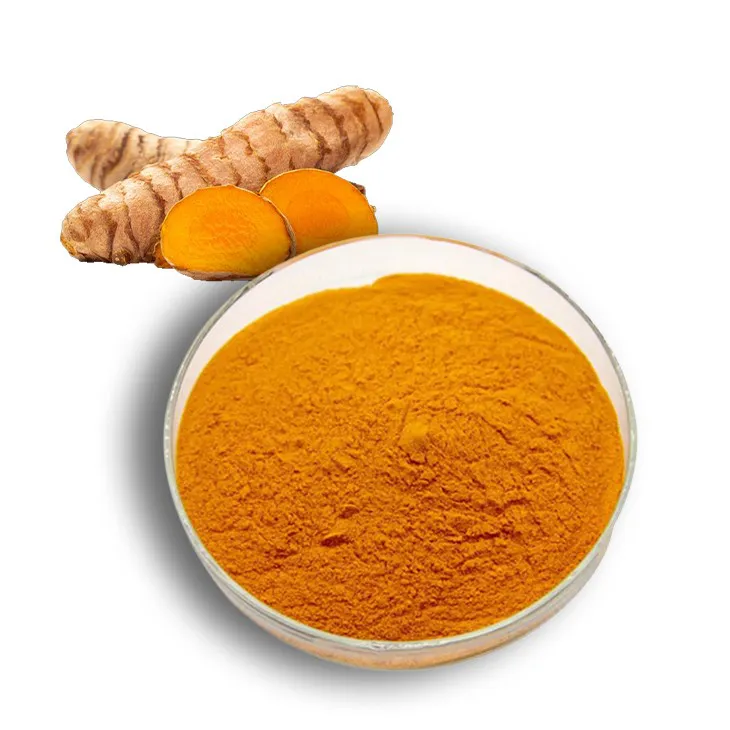
Curcumin
2026-08-17
-
Fenugreek Extract Powder
2026-08-17
-
Black Pepper Extract
2026-08-17
-
White mustard seed extract
2026-08-17
-
Lemon Extract
2026-08-17
-
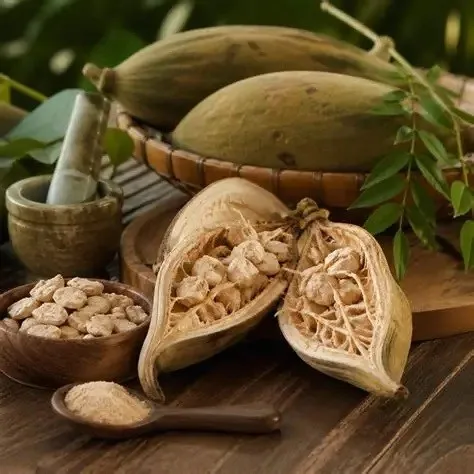
Baobab Fruit Extract
2026-08-17
