- 0086-571-85302990
- [email protected]




Boswellia Serrata Extract: Complete Guide to Joint Health, Anti-Inflammatory Science & B2B Sourcing
2026-11-22
Table of Contents
What Is Boswellia Serrata and Why Is It Called "The Gold of Ancient Medicine"?
Active Compounds: Boswellic Acids, AKBA, and the Unique Anti-Inflammatory Chemistry
Mechanism of Action: 5-LOX Inhibition and the Leukotriene Pathway
Clinical Evidence for Osteoarthritis and Joint Health
Inflammatory Bowel Disease (IBD): Crohn's Disease and Ulcerative Colitis
Respiratory Health, Asthma, and Autoimmune Conditions
Extract Standardization: Total Boswellic Acids vs. AKBA-Enriched Extracts
Product Applications: Joint Supplements, Topical Pain Relief, and IBD Formulations
B2B Sourcing: Quality Standards, Bioavailability Solutions, and Supplier Selection
FAQ: Common Questions About Boswellia Serrata Extract
What Is Boswellia Serrata and Why Is It Called "The Gold of Ancient Medicine"?
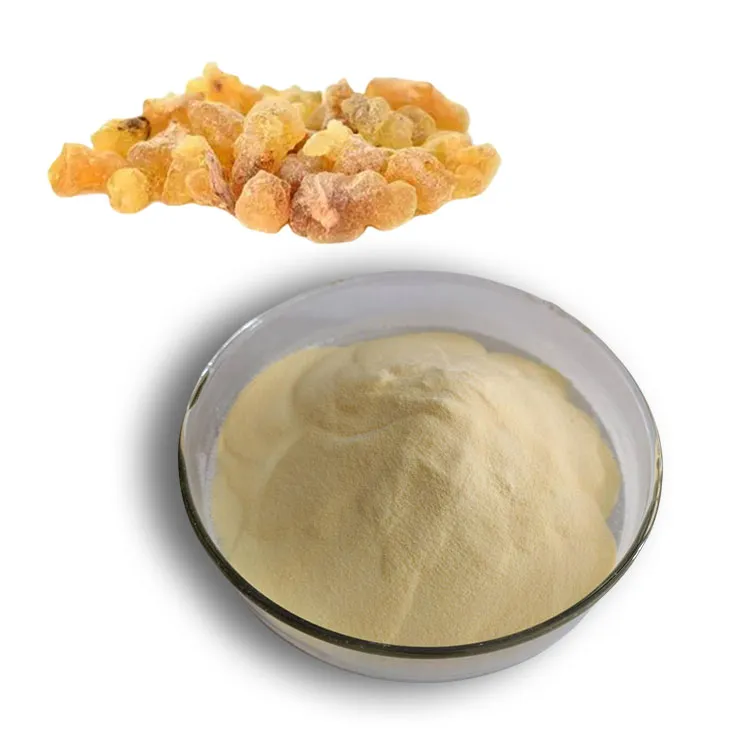
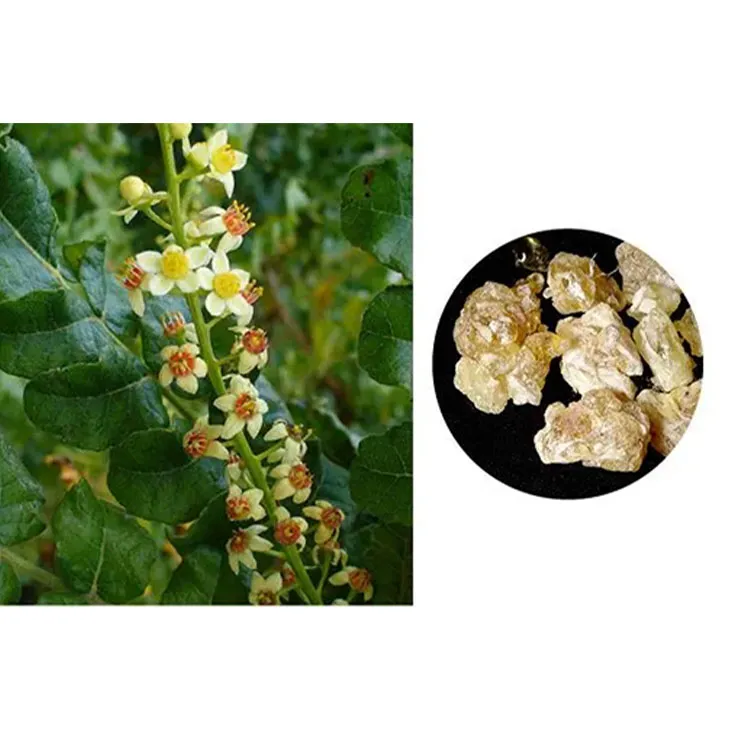
Boswellia serrata, commonly known as Indian frankincense, is a tree native to the dry mountainous regions of India, North Africa, and the Middle East. The resin harvested from this tree — frankincense — has been one of the most valued substances in human history, traded along ancient routes for over 5,000 years.
In Ayurvedic medicine, Boswellia (known as Shallaki) has been used for centuries to treat inflammatory conditions, joint disorders, and digestive ailments. Modern science has confirmed that the anti-inflammatory compounds in Boswellia resin — boswellic acids — operate through a unique mechanism distinct from conventional NSAIDs, making them particularly valuable for chronic inflammatory conditions.
The global Boswellia extract market is growing at 7-8% annually, driven by demand for natural joint health supplements, IBD support products, and anti-inflammatory formulations. Unlike turmeric/Curcumin, which has become heavily commoditized, Boswellia remains a premium ingredient with significant differentiation opportunities for supplement brands.
Active Compounds: Boswellic Acids, AKBA, and the Unique Anti-Inflammatory Chemistry
The therapeutic activity of Boswellia serrata is attributed to a group of pentacyclic triterpenic acids collectively called boswellic acids:
Key Boswellic Acids
AKBA (3-O-acetyl-11-keto-β-boswellic acid): The most potent anti-inflammatory boswellic acid and the primary marker for extract quality
KBA (11-keto-β-boswellic acid): Second most active, contributes significantly to the overall anti-inflammatory effect
ABA (3-O-acetyl-β-boswellic acid): Abundant but less potent than AKBA
BA (β-boswellic acid): The most abundant boswellic acid in raw resin
Composition of Raw Resin vs. Extract
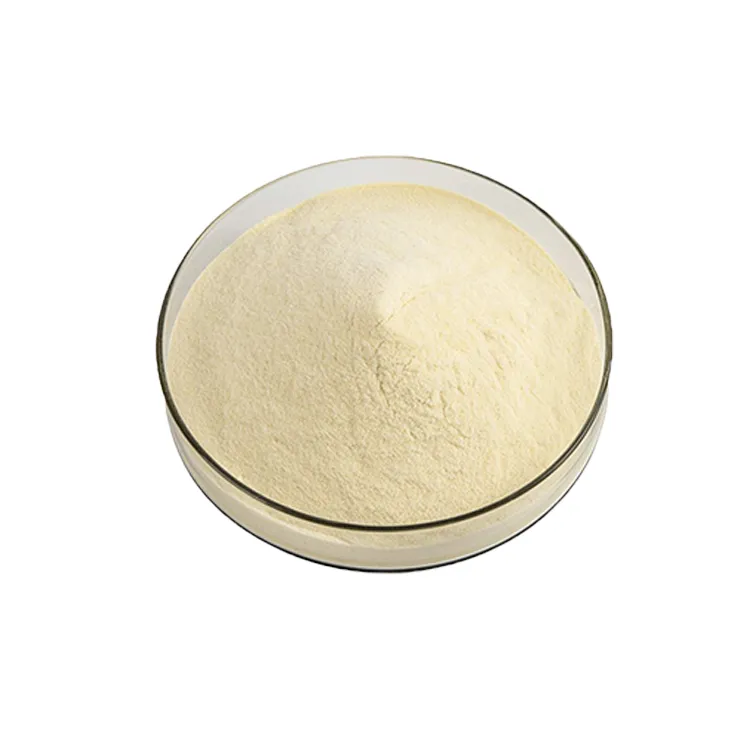
Raw Boswellia serrata resin contains approximately 30-60% boswellic acids by weight. Commercial extracts are typically standardized to 65% total boswellic acids, with AKBA content ranging from 2-10% depending on the extraction and enrichment process.
Mechanism of Action: 5-LOX Inhibition and the Leukotriene Pathway
Boswellic acids are among the few naturally occurring compounds that specifically inhibit 5-lipoxygenase (5-LOX), a key enzyme in the arachidonic acid cascade that produces pro-inflammatory leukotrienes.
How This Differs from NSAIDs
Traditional NSAIDs (ibuprofen, aspirin) inhibit cyclooxygenase (COX) enzymes, reducing prostaglandin production. However, COX inhibition can shunt arachidonic acid toward the 5-LOX pathway, potentially increasing leukotriene production — which may explain some of the GI side effects of NSAIDs.
Boswellic acids, by contrast, specifically inhibit 5-LOX without affecting COX. This means they reduce leukotriene production (the drivers of chronic inflammation) while preserving the protective prostaglandins that COX produces in the GI tract. This is why Boswellia has minimal gastrointestinal side effects compared to NSAIDs.
Additional Mechanisms
Inhibition of leukocyte elastase, reducing tissue destruction in inflamed joints
Suppression of NF-κB signaling and downstream pro-inflammatory cytokines
Inhibition of complement system activation
Reduction of matrix metalloproteinase (MMP) activity, protecting cartilage
Modulation of gut microbiota composition in IBD models
Clinical Evidence for Osteoarthritis and Joint Health
Osteoarthritis
Multiple clinical trials have demonstrated Boswellia's effectiveness for osteoarthritis:
A 2014 RCT (Sengupta et al.) using a Boswellia-Curcuma combination found significant improvements in WOMAC scores (pain, stiffness, physical function) within 7 days, with continued improvement over 12 weeks
A 2008 study using 100 mg of enriched AKBA extract (Aflapin®) showed significant pain reduction and improved joint function in knee osteoarthritis patients within 5-7 days
A 2019 meta-analysis confirmed Boswellia's effectiveness for osteoarthritis, with effect sizes comparable to NSAIDs but with significantly fewer adverse events
Rheumatoid Arthritis
While evidence is more limited, several studies suggest Boswellia may benefit rheumatoid arthritis patients through its 5-LOX inhibitory and anti-complement effects. A pilot study found reductions in joint swelling, morning stiffness, and grip strength after 6 weeks of supplementation.
Inflammatory Bowel Disease (IBD): Crohn's Disease and Ulcerative Colitis
Boswellia has shown particular promise for inflammatory bowel conditions:
Ulcerative Colitis
A landmark 2001 RCT (Gupta et al.) found that 350 mg of Boswellia extract three times daily induced remission in 82% of ulcerative colitis patients, comparable to mesalazine (the standard pharmaceutical treatment)
Boswellia's 5-LOX inhibition is particularly relevant for UC, as leukotrienes are key drivers of colonic inflammation
Crohn's Disease
Evidence for Crohn's disease is more limited but promising. Boswellia's ability to reduce intestinal inflammation through multiple pathways (5-LOX, NF-κB, leukocyte elastase) provides a mechanistic rationale for its use as an adjunct therapy.
Respiratory Health, Asthma, and Autoimmune Conditions
Asthma
Leukotrienes are major mediators of bronchoconstriction in asthma. A 1998 study (Gupta et al.) found that 300 mg of Boswellia extract three times daily improved symptoms in 71% of asthma patients, with reduced wheezing, decreased breath rate, and fewer asthma attacks over 6 weeks.
Autoimmune Conditions
Emerging research suggests Boswellia may have benefits for other autoimmune and inflammatory conditions including psoriasis, multiple sclerosis (through BBB penetration of AKBA), and chronic inflammatory pain syndromes.
Extract Standardization: Total Boswellic Acids vs. AKBA-Enriched Extracts
Standardization Levels
65% Total Boswellic Acids: Most common standardization, suitable for general joint health formulations
10% AKBA: Premium extract for targeted anti-inflammatory applications
30%+ AKBA (enriched): Specialized extracts for clinical-grade formulations (e.g., Aflapin®, 5-Loxin®)
Bioavailability Challenges
Boswellic acids have poor oral bioavailability. Several approaches address this:
Phospholipid Complex (Phytosome®): Enhanced absorption through phospholipid binding
Particle Size Reduction: Micronized extracts for improved dissolution
Piperine Combination: Co-administration with Black Pepper Extract to enhance absorption
Oil-Based Softgels: Boswellic acids are lipophilic and dissolve better in oil-based carriers
Product Applications: Joint Supplements, Topical Pain Relief, and IBD Formulations
Joint Health Capsules: Often combined with Curcumin, glucosamine, MSM, and collagen
Topical Creams/Gels: Boswellia extract for localized pain relief (arthritis, sports injuries)
IBD-Specific Formulations: Enteric-coated capsules targeting intestinal delivery
Combination Anti-Inflammatory Blends: Boswellia + turmeric + ginger for comprehensive inflammation support
Veterinary Supplements: Growing market for canine joint health products
B2B Sourcing: Quality Standards, Bioavailability Solutions, and Supplier Selection
When sourcing Boswellia serrata extract, evaluate suppliers based on:
Boswellic Acid Profile: HPLC verification of total boswellic acids (65%) and individual AKBA/KBA content
Resin Source: Boswellia serrata (India) is preferred over Boswellia carterii (Africa) for standardized medicinal use
Adulteration Screening: Some suppliers dilute with cheaper Boswellia species or synthetic compounds
Extraction Method: Ethanol extraction preserves the full boswellic acid profile; ensure solvent residue testing
Certifications: ISO 22000, BRCGS, GMP, Organic, HALAL, Kosher
Custom Bioavailability Solutions: Ability to provide phytosome, micronized, or oil-soluble formats
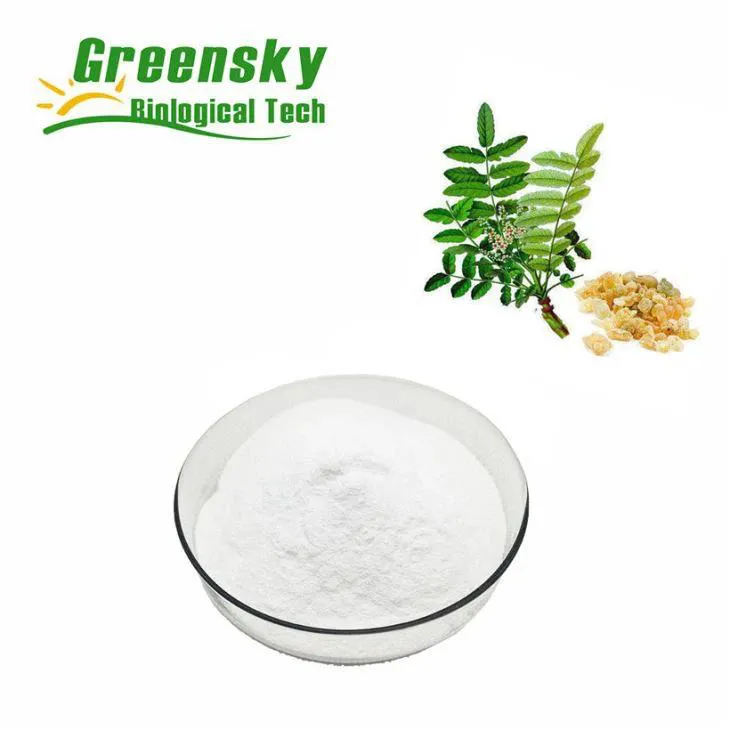
Greensky Bio manufactures Boswellia serrata extract standardized to 65% total boswellic acids with verified AKBA content. Our GMP-certified facility ensures consistent quality, full traceability, and competitive pricing. Contact us for samples and technical specifications.
FAQ: Common Questions About Boswellia Serrata Extract
What is the effective dose of Boswellia extract?
Clinical studies use 100-500 mg of standardized extract (65% boswellic acids) per day, divided into 2-3 doses. For AKBA-enriched extracts, 100-250 mg/day is effective. For joint health, 300-500 mg/day of standard extract is commonly used.
How long does it take for Boswellia to work?
Pain reduction and improved mobility are often reported within 5-14 days. Maximum benefits typically require 4-8 weeks of consistent supplementation. For IBD applications, clinical improvements may be observed within 2-4 weeks.
Is Boswellia extract safe for long-term use?
Boswellia has an excellent safety profile. Clinical trials up to 12 months have shown no serious adverse events. Minor side effects (nausea, acid reflux) are uncommon and typically mild. Boswellia does not cause the GI damage associated with NSAIDs.
Can Boswellia be combined with other anti-inflammatory supplements?
Yes. Boswellia combines well with Curcumin (complementary COX/LOX inhibition), omega-3 fatty acids, ginger, and MSM. These combinations often provide synergistic anti-inflammatory effects with broad pathway coverage.
What's the difference between Boswellia serrata and other Boswellia species?
Boswellia serrata (India) is the most studied species for medicinal use and has the highest boswellic acid content. Boswellia carterii (East Africa) and Boswellia sacra (Arabian Peninsula) are valued primarily for their essential oil (frankincense) rather than boswellic acid content.
- ▶ Hesperidin
- ▶ Citrus Bioflavonoids
- ▶ Plant Extract
- ▶ lycopene
- ▶ Diosmin
- ▶ Grape seed extract
- ▶ Sea buckthorn Juice Powder
- ▶ Fruit Juice Powder
- ▶ Hops Extract
- ▶ Artichoke Extract
- ▶ Mushroom extract
- ▶ Astaxanthin
- ▶ Green Tea Extract
- ▶ Curcumin
- ▶ Horse Chestnut Extract
- ▶ Other Product
- ▶ Boswellia Serrata Extract
- ▶ Resveratrol
- ▶ Marigold Extract
- ▶ Grape Leaf Extract
- ▶ New Product
- ▶ Aminolevulinic acid
- ▶ Cranberry Extract
- ▶ Red Yeast Rice
- ▶ Red Wine Extract
- ▶ blog
-
Lavender Extract
2026-11-22
-
Plantain extract
2026-11-22
-
Buckthorn bark extract
2026-11-22
-
Bilberry Extract
2026-11-22
-
Green coffee bean Extract
2026-11-22
-
Saw Palmetto Extract
2026-11-22
-
Echinacea Extract
2026-11-22
-
Chaste Berry Extract
2026-11-22
-
Feverfew Extract
2026-11-22
-
Natural grape seed extract
2026-11-22