- 0086-571-85302990
- [email protected]




Which best brand of astaxanthin offers the best value?
2026-08-15
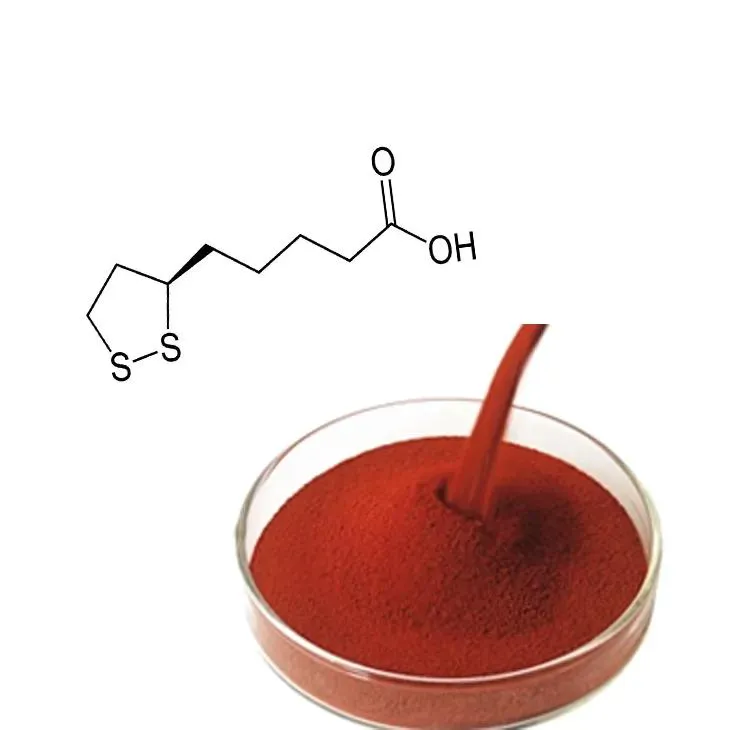
Astaxanthin has earned a reputation as one of the most powerful antioxidants found in nature, and it is no surprise that the supplement aisle is crowded with options. Yet a high price tag does not always mean higher quality, and a low cost can sometimes hide a formula that is weak, under-dosed, or poorly sourced. The real question shoppers should ask is not simply which brand is famous, but which one delivers genuine, verified Astaxanthin at a fair price. This guide breaks down what actually makes a supplement good value, what to look for on the label, and how to judge a supplier before you spend a cent.
What Is Astaxanthin and Why Does It Matter?
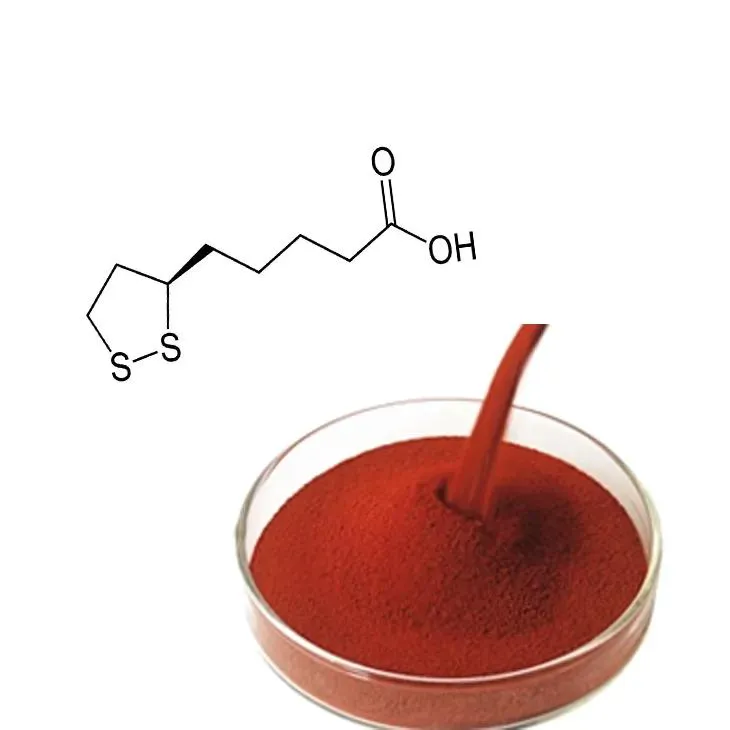
Astaxanthin is a carotenoid pigment produced naturally by the microalgae Haematococcus pluvialis. When salmon, shrimp, and flamingos take on their recognizable pink and red color, the pigment responsible is astaxanthin. In humans, it acts as a potent antioxidant that is widely studied for protecting the eyes and skin, supporting cardiovascular health, reducing oxidative stress, and helping to maintain a healthy immune response.
Among carotenoids, astaxanthin stands out because of its unusual molecular structure. Unlike many antioxidants that work in only one part of the cell, astaxanthin can span the entire cell membrane, offering protection both inside and at the surface of the cell. This is one reason researchers describe it as exceptionally effective at neutralizing free radicals, and why it is increasingly used in eye care, skincare, sports nutrition, and general wellness formulations.
What Does Good Value Actually Mean for Astaxanthin?
Value is a combination of quality divided by price, not price alone. The cheapest supplement on the shelf is poor value if it is under-dosed or derived from a weak source. Conversely, a moderately priced product with a verified, consistent dose can be outstanding value. When comparing brands, keep these factors in mind:
- Source and purity: High-quality astaxanthin is derived from Haematococcus pluvialis microalgae. Synthetic or poorly purified versions are cheaper to produce, but they do not offer the same natural profile.
- Dose consistency: Look for a clearly stated, standardized dose per serving. A label that lists a vague blend or hides the actual astaxanthin content is a red flag.
- Cost per daily serving: Divide the total cost by the number of servings to get the real price per day. A larger bottle is not automatically cheaper if the serving size is higher.
- Third-party verification: Independent testing for purity, potency, and heavy metals adds confidence that the label matches what is in the bottle.
- Manufacturing credibility: Supplements made by established, certified manufacturers with clean production environments are far less likely to contain impurities or inconsistent potency.
How to Read an Astaxanthin Label Like a Pro
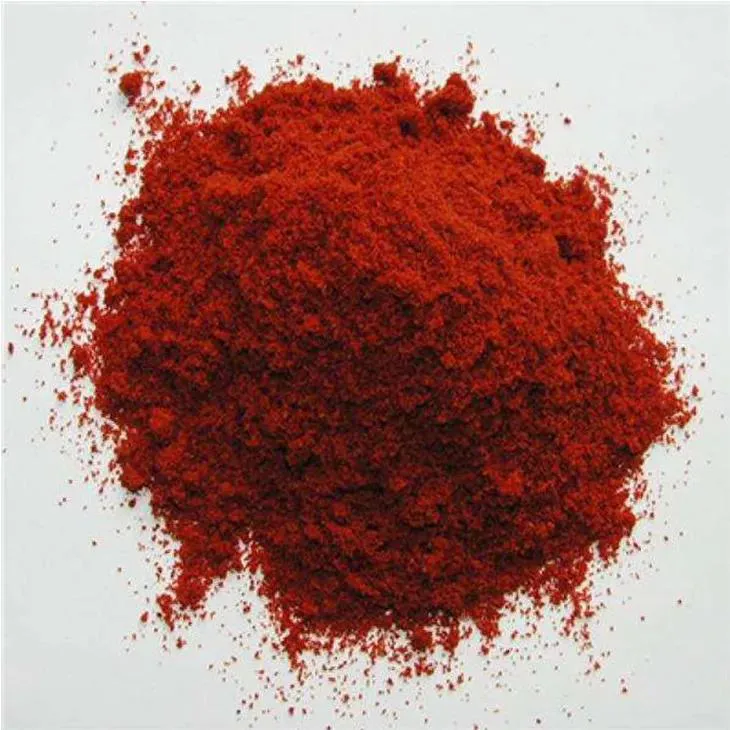
Before comparing prices, learn to compare labels. Four details matter most:
- The source organism: The words Haematococcus pluvialis algae should appear. If the label simply says astaxanthin with no source, treat it with caution.
- The exact dose: A clear milligram amount per serving, such as 6 mg or 12 mg, is the standard that allows a fair comparison between brands.
- Carrier ingredients: Astaxanthin is fat-soluble, so it is typically delivered with a healthy oil carrier such as olive oil or sunflower oil to aid absorption. Avoid formulas heavy on unnecessary fillers.
- Certifications: GMP production, third-party lab reports, and relevant quality certifications are meaningful signals of a responsible manufacturer.
Why the Supplier Behind the Supplement Matters
Retail brands often buy astaxanthin in bulk from raw material manufacturers, then simply bottle and label it. This means the quality of the finished product is largely decided long before it reaches the brand that sells it. A supplement is only as good as the extract that goes into it.
For this reason, experienced buyers — both manufacturers of finished goods and informed consumers — look at the source. A reliable astaxanthin supplier should be able to demonstrate consistent purity, controlled production, and documentation that supports regulatory submissions. When a raw material producer invests in clean production areas, independent laboratories, and inspection-grade equipment, the resulting extract is far more trustworthy than one rushed through a low-grade facility.
What to Watch Out For
- Marketing over substance: Flashy claims about miracle results rarely reflect the actual composition of the product. Focus on the label, not the slogan.
- Unrealistically low prices: If the price is dramatically below the market average, question how the extract was produced and purified. Quality raw material simply cannot be produced at rock-bottom cost.
- Vague serving sizes: A product that hides its dose per serving makes meaningful comparison impossible and is usually best avoided.
- Missing documentation: Reputable manufacturers can supply certificates, lab analyses, and provenance details. A supplier that cannot provide these should raise questions.
A Practical Checklist for Choosing the Best Value
Use this simple checklist the next time you compare astaxanthin products:
- Confirm the source is Haematococcus pluvialis algae.
- Check for a clear, standardized dose per serving.
- Calculate the cost per daily serving, not the bottle price.
- Look for third-party testing and GMP-certified production.
- Prefer suppliers that back their product with documentation and expertise.
Where to Start
If you are a manufacturer building your own astaxanthin product, begin with the raw material. A responsible manufacturer of plant extracts will work with you to understand your target market, help you select the right purity and dosage, and provide the documentation needed for global regulatory submissions.
Greensky, founded in 2004 and headquartered in Hangzhou, is a professional manufacturer of natural plant extracts with production facilities certified to ISO22000, BRCGS, HALAL, Kosher, and food-grade clean production standards. Its independent laboratory is equipped with GC, HPLC, and UV instruments for quality control, and the company supports customers with export registration and documentation for international markets. For brands seeking a reliable source of natural astaxanthin and other botanical ingredients, exploring the full plant extract catalog is a sensible first step.
Final Thoughts
The brand that offers the best value is not necessarily the one with the biggest marketing budget. It is the one that combines a verified, natural source, a consistent dose, honest labeling, and a trustworthy manufacturing chain behind it — at a price that fairly reflects that quality. By learning to read labels, compare cost per serving, and evaluate the supplier, you can choose an astaxanthin product with confidence, knowing your money is going toward quality rather than hype.
- ▶ Hesperidin
- ▶ Citrus Bioflavonoids
- ▶ Plant Extract
- ▶ lycopene
- ▶ Diosmin
- ▶ Grape seed extract
- ▶ Sea buckthorn Juice Powder
- ▶ Fruit Juice Powder
- ▶ Hops Extract
- ▶ Artichoke Extract
- ▶ Mushroom extract
- ▶ Astaxanthin
- ▶ Green Tea Extract
- ▶ Curcumin
- ▶ Horse Chestnut Extract
- ▶ Other Product
- ▶ Boswellia Serrata Extract
- ▶ Resveratrol
- ▶ Marigold Extract
- ▶ Grape Leaf Extract
- ▶ New Product
- ▶ Aminolevulinic acid
- ▶ Cranberry Extract
- ▶ Red Yeast Rice
- ▶ Red Wine Extract
- ▶ blog
-
Sea buckthorn Juice Powder
2026-08-15
-
Phellodendron Extract
2026-08-15
-
Ginger Extract
2026-08-15
-
Kupilu Extract
2026-08-15
-
Hericium erinaceus extract powder
2026-08-15
-
Yellow Pine Extract
2026-08-15
-
Mangosteen extract powder
2026-08-15
-
Shikonin
2026-08-15
-
Reishi mushroom extract
2026-08-15
-
Genistein
2026-08-15