- 0086-571-85302990
- [email protected]






Where can I source geranium plant extract in bulk?
2026-08-18
Whether you formulate cosmetics, dietary supplements, or functional herbal products, finding a dependable bulk source of geranium plant extract decides more than just your ingredient cost. It determines batch-to-batch consistency, regulatory readiness, and whether you can scale up without constantly swapping suppliers. This guide walks through what geranium extract really is, how it is graded, and the practical checklist to follow when you buy it by the kilo or by the ton.
What is geranium plant extract?
Geranium plant extract is the concentrated active matter obtained from the above-ground parts, leaves, or roots of scented Pelargonium species. Although the name is often used loosely, most commercial material comes from a few well-defined botanical sources:
- Pelargonium graveolens — commonly called rose geranium, prized for its fragrant leaf chemistry and widely used in skincare and aromatherapy.
- Pelargonium sidoides — the South African geranium traditionally used in soothing throat and respiratory preparations, sold mainly as a root extract.
- Pelargonium odoratissimum and related hybrids — used when a milder or fruitier profile is preferred.
What you actually receive depends on how the material is processed. Suppliers typically deliver it as a powder (the most common bulk form), a liquid extract, or a concentrated oil. It is worth confirming the plant part and the extraction solvent, because these two facts drive both price and application.
Why buyers look for it in bulk
Geranium extract earns its place in a wide range of formulations. Its gentle antimicrobial and anti-inflammatory reputation makes it a natural fit for serums, creams, and cleansers. In supplements it is combined with other botanicals, while its recognizable scent keeps it relevant in aromatherapy blends and functional beverages. The common thread is that these are all volume businesses: a brand producing skincare tubes or supplement capsules measures raw ingredients in kilograms and tons, not grams. That is exactly when a qualified bulk partner matters.
What to check in the specification
A low price means nothing if the certificate of analysis does not match what your lab sees. Before you commit to any volume, walk through these five points:
- Extraction ratio and markers. Ask whether the powder is a straight 10:1, 20:1, or 50:1 ratio, or standardized to a specific active marker. Standardized material is easier to keep consistent in finished goods.
- Plant part and solvent. Leaves, aerial parts, and roots all behave differently, and the solvent (water, ethanol, or a mixed system) affects solubility in your formula.
- Certificate of analysis. Every batch should come with an independent COA covering assay, loss on drying, heavy metals, microbial limits, and residual solvent.
- Particle size and flow. Finely milled, free-flowing powder blends more predictably into premixes and capsules.
- Packaging. Bulk drums or vacuum-sealed multi-layer bags protect sensory quality and shelf life during long sea freight.
How to evaluate a bulk supplier
Not every company that claims to sell extracts actually makes them. Traders can appear cheaper until a shipment fails to match its paperwork. A genuinely reliable plant extract suppliers should be able to show you production evidence, not just a price list:
- Manufacturing in-house. Prefer a vertical producer that controls extraction, concentration, drying, and testing under one roof rather than a re-seller.
- Clean production space. For food and supplement material, a clean and food-safe production area is a basic requirement, not a bonus.
- Independent laboratory. Instruments such as HPLC and GC should be available so that every batch is verified rather than assumed.
- Recognized certifications. Look for ISO, HACCP or FSSC-type food safety schemes, HALAL, Kosher, and organic where your market needs them.
- Export documentation. A supplier that regularly ships to Europe, the United States, and Korea will already have the export registrations your compliance team asks for.
Why a vertical manufacturer like Greensky fits
Greensky was founded in Hangzhou in 2004 and has spent more than two decades producing active botanical ingredients. The company operates fully vertically: research, development, extraction, and sales sit inside one group backed by five wholly owned subsidiaries and a dedicated wholly owned extraction plant in Anji. Massive extraction capacity — including multi-ton extraction tanks, low-temperature concentrators, and a spray drying tower — allows it to move from sample quantities to container loads without changing the supplier.
Quality assurance is built into the facility rather than bolted on afterwards. Production runs in a 100,000-class clean area that meets food-grade requirements, and an in-house laboratory equipped with GC, HPLC, and UV instruments verifies each batch. Certifications including ISO22000, BRCGS, SGS-GMP, ISO9001, HALAL, Kosher, and Ecocert Organic Standard give buyers across Europe, North America, South Korea, and Russia the documentation they need. By 2023 the company’s annual export value had reached nearly 30 million US dollars, a practical signal that international customers keep reordering.
A practical sourcing checklist
When you are ready to buy, moving from enquiry to container is straightforward if you keep the essentials in order:
- Define the botanical source, plant part, and target extraction ratio before you contact anyone.
- Request a sample plus a full COA, and run your own identity test on arrival.
- Confirm packaging and freight terms to keep the powder dry and stable in transit.
- Fix batch-to-batch tolerances in writing so scaling feels predictable.
Bulk sourcing does not have to mean guesswork. When you partner with a manufacturer that controls its own extraction line, verifies every batch in its own lab, and holds the certificates your market demands, you remove the biggest risks in the supply chain and free your team to focus on the formula. If you are comparing options for your next production run, talk to a supplier that can show you the full picture from the field to the finished powder.
TAGS:
- ▶ Hesperidin
- ▶ Citrus Bioflavonoids
- ▶ Plant Extract
- ▶ lycopene
- ▶ Diosmin
- ▶ Grape seed extract
- ▶ Sea buckthorn Juice Powder
- ▶ Fruit Juice Powder
- ▶ Hops Extract
- ▶ Artichoke Extract
- ▶ Mushroom extract
- ▶ Astaxanthin
- ▶ Green Tea Extract
- ▶ Curcumin
- ▶ Horse Chestnut Extract
- ▶ Other Product
- ▶ Boswellia Serrata Extract
- ▶ Resveratrol
- ▶ Marigold Extract
- ▶ Grape Leaf Extract
- ▶ New Product
- ▶ Aminolevulinic acid
- ▶ Cranberry Extract
- ▶ Red Yeast Rice
- ▶ Red Wine Extract
- ▶ blog
-
Genistein
2026-08-18
-
Mangosteen extract powder
2026-08-18
-
Cactus Extract
2026-08-18
-
Fenugreek Extract Powder
2026-08-18
-
Acerola Extract
2026-08-18
-
Yam Extract
2026-08-18
-
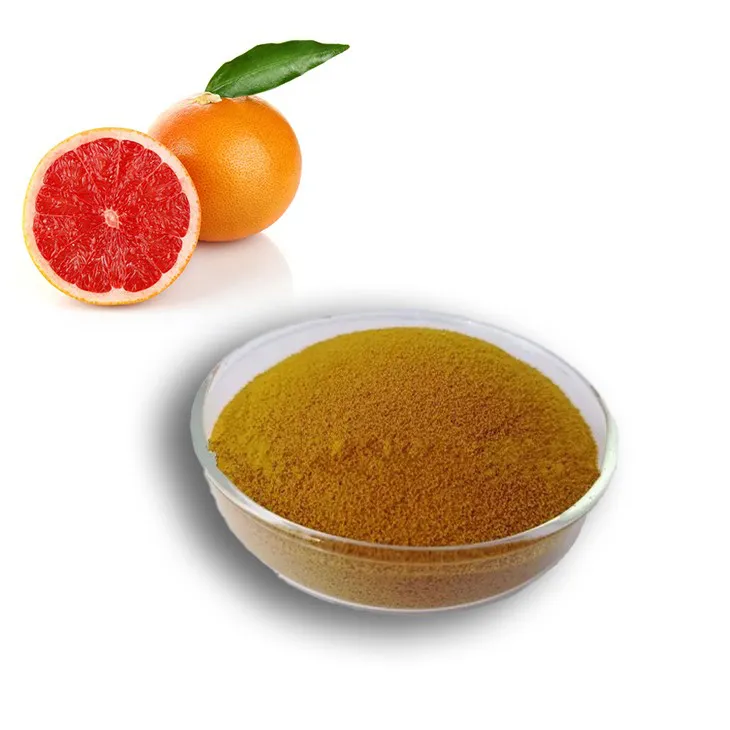
Grapefruit Seed Extract Powder
2026-08-18
-
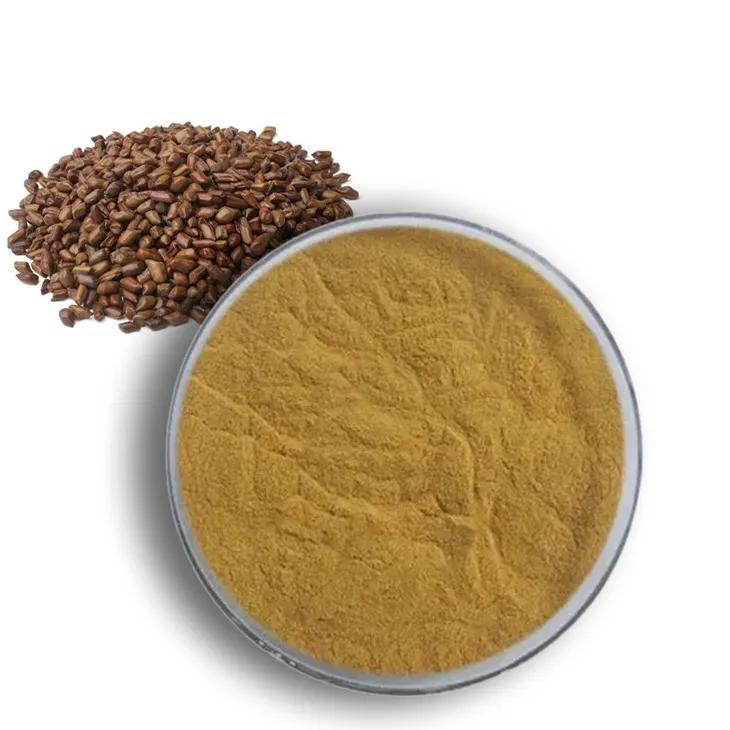
Cassia Seed Extract
2026-08-18
-
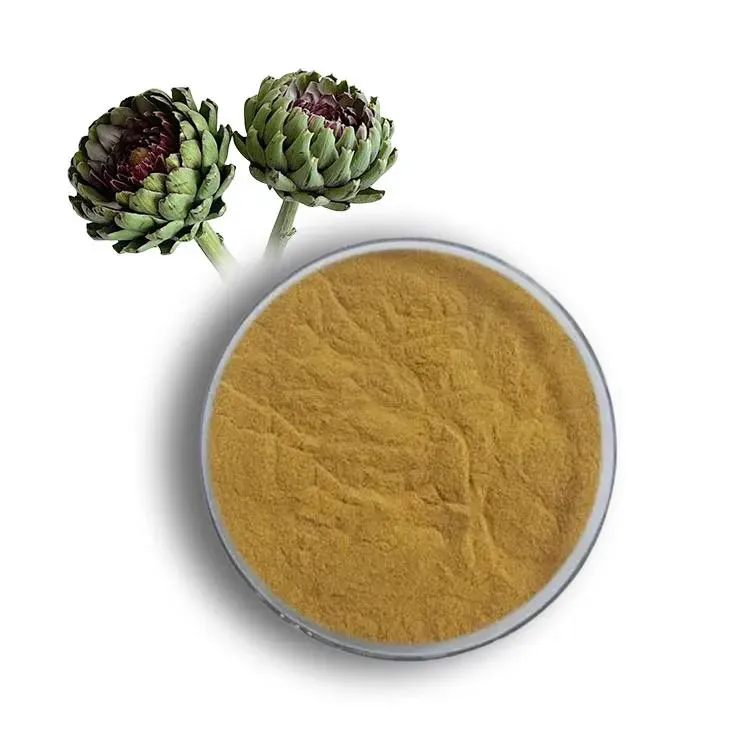
Artichoke Extract
2026-08-18
-
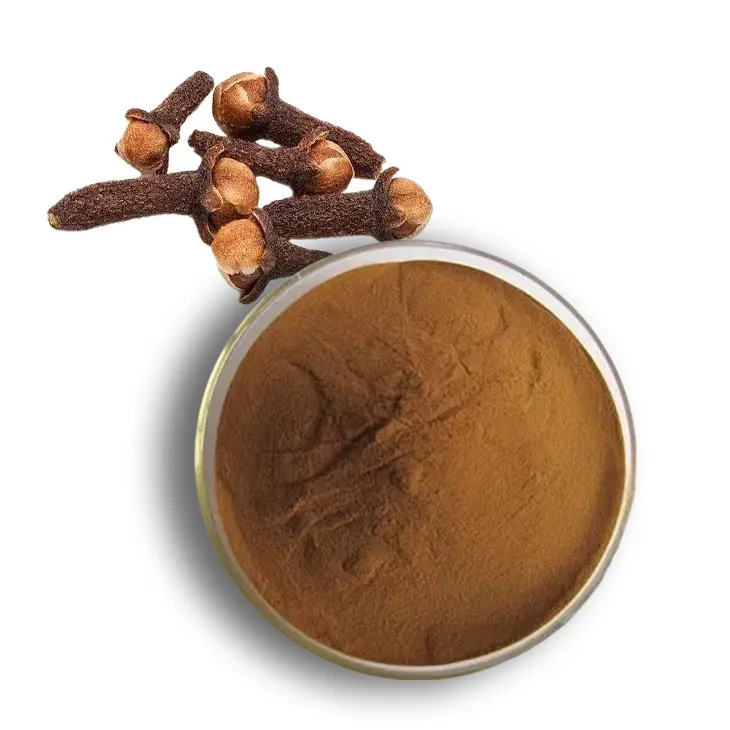
Clove Powder
2026-08-18
