- 0086-571-85302990
- [email protected]






What is the wholesale price of green tea extract powder?
2026-08-19
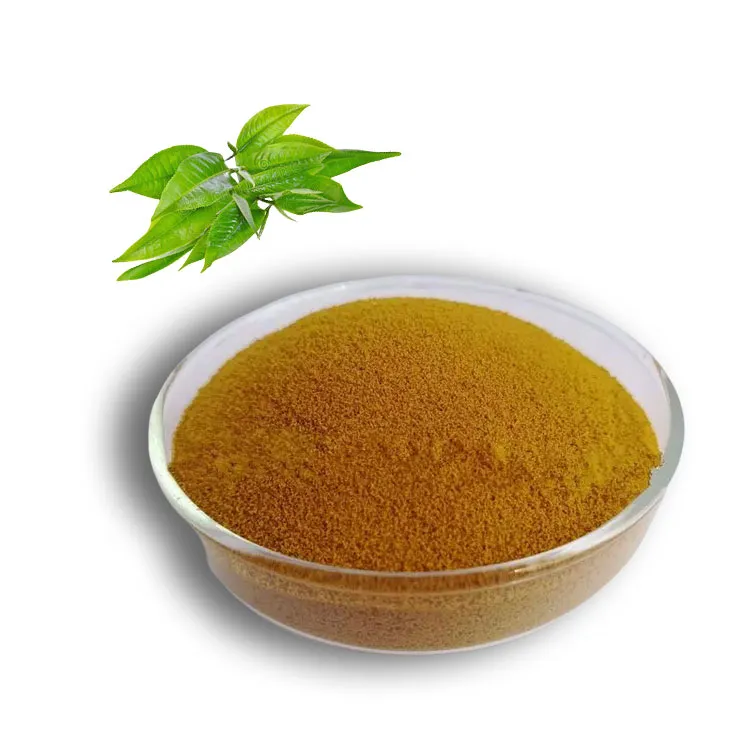
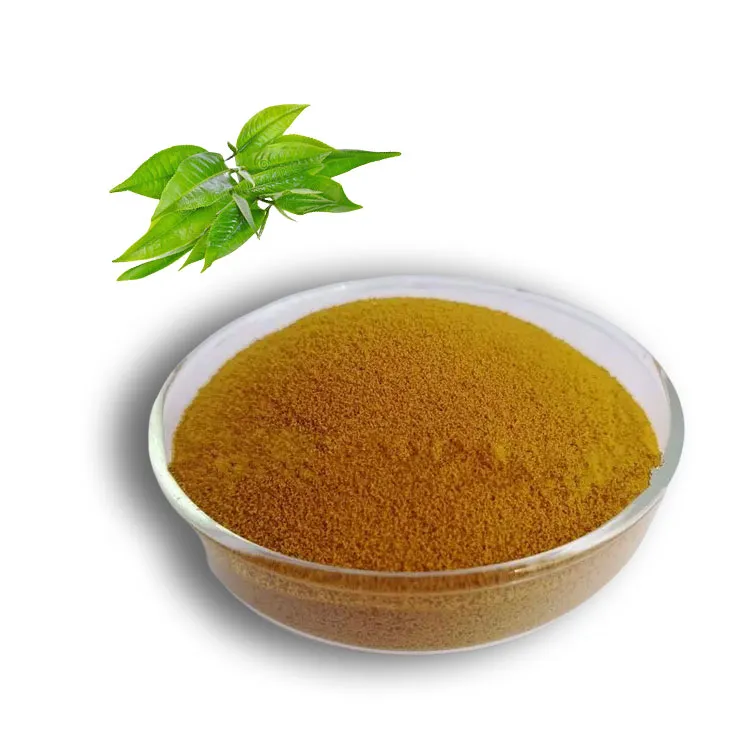
If you are sourcing green tea extract powder for a supplement, beverage, or cosmetic product, price is usually the first thing on your list. The short answer is that wholesale prices for Green Tea Extract powder typically range from about $8 to $380 per kilogram, depending on the specification you choose. A standard food-grade extract with 30–50% polyphenols usually sells for $8–30/kg, while ultra-pure 98% EGCG grades can reach $250–380/kg. Between those two extremes, most supplement brands settle on a 50–70% polyphenol grade at roughly $25–60/kg. This guide breaks down what drives those numbers so you can budget accurately and avoid overpaying.
What is Green Tea Extract powder?
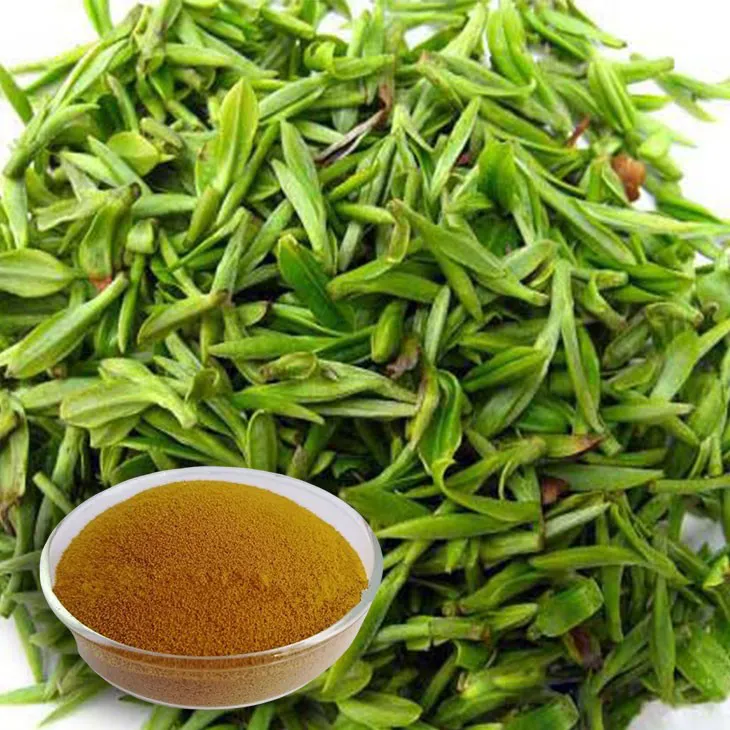
Green Tea Extract powder is a concentrated form of the active compounds found in the leaves of Camellia sinensis. Because the leaves are unoxidized, they keep a high level of polyphenols, a family of plant compounds that includes catechins. The most abundant and most studied catechin is EGCG (epigallocatechin-3-gallate), which is largely responsible for the antioxidant properties that make green tea extract so popular in dietary supplements, functional foods, and skincare.
When a supplier quotes a price, they are almost always pricing a specific specification, such as "50% polyphenols" or "98% EGCG." These two numbers are not the same thing. Polyphenols is a broad category that includes catechins, tannins, and other compounds, while EGCG is one specific molecule. A 50% polyphenol extract might contain only 15–30% actual EGCG. That distinction matters a lot when you compare quotes from different suppliers, because a cheap extract with a vague specification can end up costing you more once you adjust the dosage.
What drives the wholesale price?
Green tea extract powder is a commodity ingredient, and its wholesale price moves with several well-understood factors. Knowing them helps you read any quotation with confidence.
- Concentration. Higher polyphenol or EGCG content requires more raw material and tighter processing, so price rises steeply as purity goes up.
- Extraction method. Hot water extraction is the cheapest and leaves no solvent residue, ethanol extraction is the most common for supplement-grade material, and supercritical CO2 or chromatographic purification is used for ultra-pure grades and costs the most.
- Organic certification. USDA or EU organic certified extract typically carries a 30–60% premium over conventional material.
- Caffeine content. Decaffeinated grades require an extra processing step and cost more than standard caffeinated extract.
- Order volume. Larger order quantities almost always bring the unit price down, which is why wholesale pricing is quoted per kilogram with a minimum order quantity (MOQ).
- Supplier type. Buying directly from a green tea extract manufacturer removes trader markups and usually gives you the best factory-direct price.
Typical wholesale price ranges by grade
The table below shows indicative bulk price ranges for the main commercial grades. Treat these as reference points rather than fixed quotes, because real prices vary with market conditions, harvest quality, and order size.
| Grade | Specification | Typical price (USD/kg) | Best suited for |
|---|---|---|---|
| Standard | 30–50% polyphenols | $8–30 | Food flavoring, cosmetics, "contains green tea" label claims |
| Mid-range | 50–70% polyphenols | $25–60 | Multi-ingredient supplement formulas |
| High-potency | 40–70% EGCG | $55–100 | Supplement capsules and tablets where EGCG is the key active |
| Ultra-pure | 90–98% EGCG | $120–380 | Clinical-grade nutraceuticals, pharmaceutical intermediates, premium skincare |
For most dietary supplement applications, a 40–70% EGCG grade delivers a clinically relevant dose per serving without the cost of ultra-pure material. Only reach for 90%+ EGCG when your formula genuinely needs it, such as precise dosing in a small capsule or a pharmaceutical-adjacent product.
How to get the best wholesale price
A lower price is not automatically a better deal, but there are several legitimate ways to bring your unit cost down without sacrificing quality.
- Buy from the factory, not a trader. Direct manufacturer pricing is typically the lowest available because there is no intermediary margin in the chain.
- Consolidate your order. A larger single order usually earns a better per-kilogram rate than several small ones.
- Request samples first. Testing a sample against your specification before committing to a bulk order protects you from the most expensive mistake in this category: buying the wrong grade.
- Compare specifications, not just prices. Two quotes at the same price can differ hugely in EGCG content, so always compare the full specification and the certificate of analysis.
- Ask about long-term pricing. Many manufacturers offer more favorable terms for repeat or contract orders.
Price is not everything: what to check before you buy
Because green tea extract is a high-value ingredient, it is worth verifying a few things before you commit. A batch-specific certificate of analysis (COA) should state the EGCG and catechin content measured by HPLC, caffeine level, heavy metals, microbial counts, and residual solvents. Confirm that the supplier holds recognized certifications such as ISO22000, BRCGS, or HALAL, and that production follows food-grade clean-room standards. A slightly higher price from a certified manufacturer is usually cheaper in the long run than a bargain batch that fails your quality control or regulatory review.
Why source green tea extract powder from Greensky?
Greensky is a professional green tea extract supplier and manufacturer based in Hangzhou, China, with more than 20 years of experience in producing active botanical ingredients. The company operates its own production facilities and independent laboratory equipped with GC, HPLC, and UV instruments, and its 100,000-class clean production area meets food-grade requirements. Greensky holds ISO22000, BRCGS, Ecocert Organic Standard, SGS-GMP, ISO9001, HALAL, and Kosher certifications, and its export documentation supports regulatory submissions in Europe, the United States, South Korea, and Russia. Because Greensky controls research, development, and production within one vertically integrated group, buyers get factory-direct pricing with full traceability.
Frequently asked questions
Why is 98% EGCG so much more expensive than standard extract?
Ultra-pure EGCG requires advanced purification such as column chromatography or supercritical CO2 extraction, which is time-intensive and has lower yields. That added processing cost is passed on in the price.
What is the difference between polyphenols and EGCG?
Polyphenols is a broad category of plant compounds that includes catechins and other molecules. EGCG is one specific catechin. Always confirm which one a quote refers to, because the two numbers can differ by a wide margin.
What is a typical minimum order quantity?
MOQs vary by supplier and grade, commonly ranging from 1 kg for high-purity material to 25 kg or more for standard grades. Contact the manufacturer directly to confirm the MOQ for your specification.
Should I choose a caffeinated or decaffeinated extract?
Standard extract contains roughly 2–10% caffeine. If your product targets caffeine-sensitive consumers or evening use, a decaffeinated grade is the safer choice, though it costs a little more.
- ▶ Hesperidin
- ▶ Citrus Bioflavonoids
- ▶ Plant Extract
- ▶ lycopene
- ▶ Diosmin
- ▶ Grape seed extract
- ▶ Sea buckthorn Juice Powder
- ▶ Fruit Juice Powder
- ▶ Hops Extract
- ▶ Artichoke Extract
- ▶ Mushroom extract
- ▶ Astaxanthin
- ▶ Green Tea Extract
- ▶ Curcumin
- ▶ Horse Chestnut Extract
- ▶ Other Product
- ▶ Boswellia Serrata Extract
- ▶ Resveratrol
- ▶ Marigold Extract
- ▶ Grape Leaf Extract
- ▶ New Product
- ▶ Aminolevulinic acid
- ▶ Cranberry Extract
- ▶ Red Yeast Rice
- ▶ Red Wine Extract
- ▶ blog
-
Troxerutin
2026-08-19
-
5-HTP (5-Hydroxytryptophan)
2026-08-19
-
Dandelion Leaf Extract
2026-08-19
-
Ginger Extract
2026-08-19
-
Yam Extract
2026-08-19
-
Cat Claw Extract
2026-08-19
-
Propolis Extract Powder
2026-08-19
-
Rosemary extract
2026-08-19
-
Hawthorn powder
2026-08-19
-
Grapefruit Seed Extract Powder
2026-08-19
