We have five factories and 23 years of experience in plant extracts
- 0086-571-85302990
- [email protected]






What is the recommended pomegranate extract supplement dosage?
2026-08-13
Related Product
Pomegranate Extract
We are the leading pomegranate extract manufacturer and also the leading supplier and exporter of pomegranate extract. We specialize in providing natural and organic pomegranate extract to meet your needs.
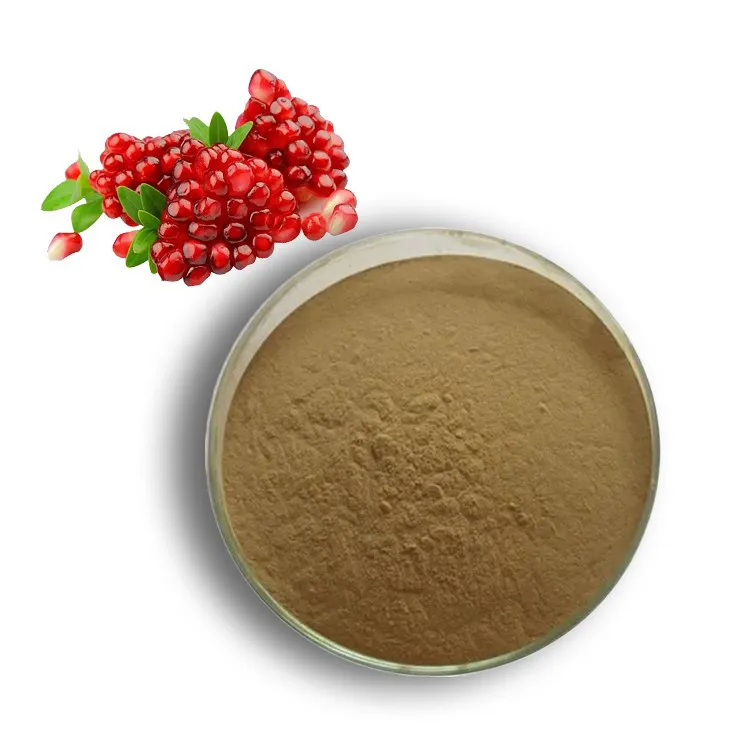
Pomegranate Extract has become one of the most talked-about antioxidant ingredients in the supplement world, and for good reason. Packed with polyphenols, ellagic acid and punicalagin, it is often linked to heart health, joint comfort and even cognitive support. But once you start shopping, one question comes up again and again: how much should you actually take? The honest answer is that there is no single magic number, but there is a well-supported range that most studies and reputable manufacturers work with.
Before talking about dosage, it helps to understand what you are actually taking. Pomegranate Extract is a concentrated form of the beneficial compounds found in the fruit and its seeds. The most studied actives are ellagic acid and punicalagin, both belonging to a group of polyphenols known for their strong antioxidant and anti-inflammatory properties. When you see a Pomegranate Extract supplement, the quality is usually judged by how much of these compounds it contains, not just by the total weight of the capsule.
What is the recommended pomegranate extract supplement dosage?
For most healthy adults, a daily dose of 500 to 1000 mg of pomegranate extract is the range most commonly used in clinical research. This is the window that has been associated with meaningful benefits in a number of studies. For example, a 2025 randomised, double-blind trial gave participants 740 mg of a standardised pomegranate extract every day for 12 weeks and observed promising effects on cognitive function in adults aged 55 to 70. The researchers chose that amount because it sits comfortably within the 500 to 1000 mg range that earlier work had linked to lower markers of inflammation.
If you are new to the ingredient, a sensible approach is to start at the lower end of the range, around 500 mg per day, and see how your body responds before moving up. Many people find that taking the supplement with a meal improves tolerance, since pomegranate extract is naturally astringent and can be easier on an empty stomach when paired with food. As with any supplement, it is wise to follow the label of the specific product you buy and to check with a healthcare professional if you take medication or have an underlying condition.
Why standardization matters more than the number on the label
Here is where many people get confused. Two bottles can both say "1000 mg pomegranate extract" and still be completely different products. The difference comes down to standardization. A high-quality extract is standardised to a guaranteed level of active compounds, such as a specific percentage of polyphenols, punicalagin or ellagic acid. This is why you should look at the active compound content rather than the raw milligram weight alone when comparing products.
For formulators and supplement brands, this is also the reason sourcing matters. Buying from a reliable plant extract supplier who can provide consistent, documented batches makes it far easier to deliver a product that actually matches its label claims. A manufacturer with in-house testing and clean production facilities gives you confidence that the extract you receive is pure, consistent and free from unwanted contaminants.
How to choose a quality pomegranate extract
If you are buying for personal use or sourcing as a business, a few practical checks will help you separate a good extract from a weak one. First, look for clear information about the active compound content, ideally with a certificate of analysis. Second, prefer suppliers who operate under recognised food-safety standards, such as ISO22000, BRCGS or GMP, and who can provide documentation for export. Third, consider whether the extract is produced in a clean, food-grade facility, since this directly affects purity and safety.
A manufacturer like Greensky, for example, produces pomegranate extract within a vertically integrated group that handles research, development, production and sales in one place. With over twenty years of experience and a 100,000-class clean production area, it is the kind of supplier that can provide the consistency and documentation that serious supplement brands need. Whether you are developing a new product or restocking an existing line, working with a supplier who understands standardization saves time and protects your brand.
Safety and sensible use
Pomegranate extract is generally well tolerated when used at the recommended levels, and it has a long history of safe use as a food and supplement ingredient. That said, it is always sensible to follow the dosage on the product you choose and to avoid exceeding the manufacturer's guidance without medical advice. Because pomegranate can interact with certain medications, particularly those processed by the liver, anyone on prescription drugs should discuss it with their doctor first. Pregnant or nursing women and people with known allergies to the fruit should also seek professional advice before starting.
The bottom line
For most adults, a daily intake of 500 to 1000 mg of standardised pomegranate extract is the most commonly recommended and researched dosage. Start low, take it with food, and prioritise products with clear, documented active compound content over raw weight alone. Whether you are a consumer looking for a reliable supplement or a brand sourcing raw ingredients, choosing a trustworthy plant extract manufacturer is the foundation of getting real value from this powerful botanical.
TAGS:

FAQ
- ▶ Hesperidin
- ▶ Citrus Bioflavonoids
- ▶ Plant Extract
- ▶ lycopene
- ▶ Diosmin
- ▶ Grape seed extract
- ▶ Sea buckthorn Juice Powder
- ▶ Fruit Juice Powder
- ▶ Hops Extract
- ▶ Artichoke Extract
- ▶ Mushroom extract
- ▶ Astaxanthin
- ▶ Green Tea Extract
- ▶ Curcumin
- ▶ Horse Chestnut Extract
- ▶ Other Product
- ▶ Boswellia Serrata Extract
- ▶ Resveratrol
- ▶ Marigold Extract
- ▶ Grape Leaf Extract
- ▶ New Product
- ▶ Aminolevulinic acid
- ▶ Cranberry Extract
- ▶ Red Yeast Rice
- ▶ Red Wine Extract
- ▶ blog
Recommended Products
-
Shikonin
2026-08-13
-
Beta Carotene
2026-08-13
-
Lotus leaf extract
2026-08-13
-
Clove Powder
2026-08-13
-
Honeysuckle Pollen
2026-08-13
-
Liposomal NMN
2026-08-13
-
Genistein
2026-08-13
-
Feverfew Extract
2026-08-13
-
Buckthorn bark extract
2026-08-13
-
Nattokinase
2026-08-13
Get a Quote
